Beyond Earth: A Poster Series #beautiful
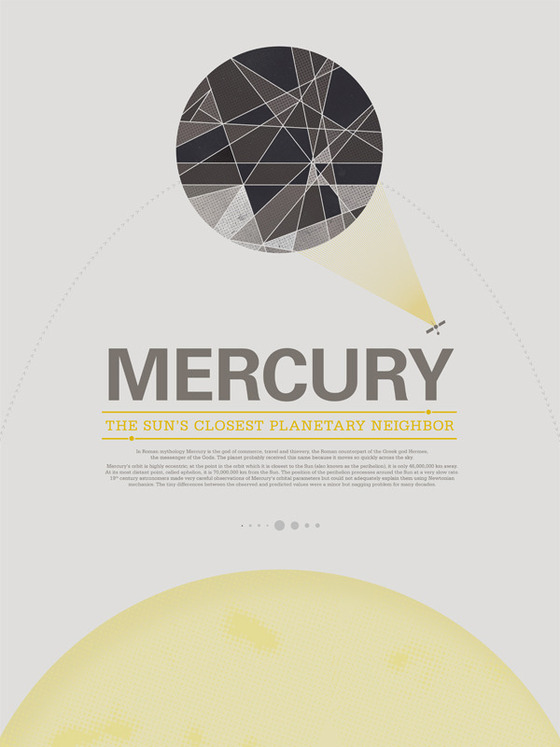
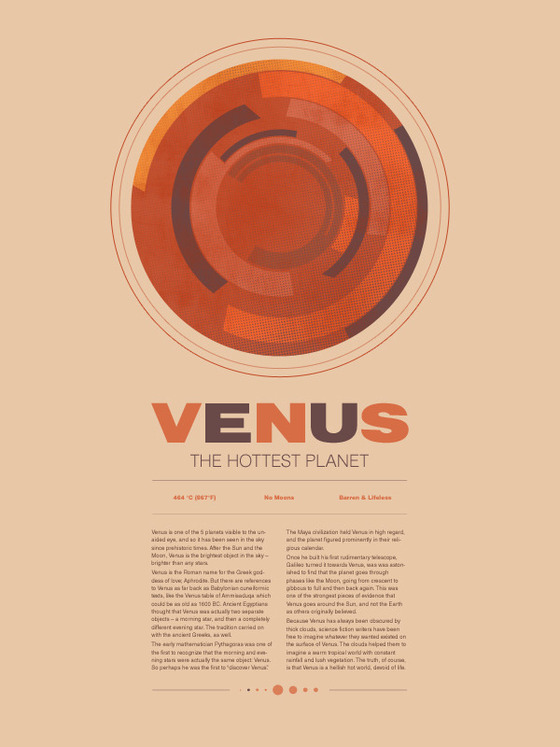
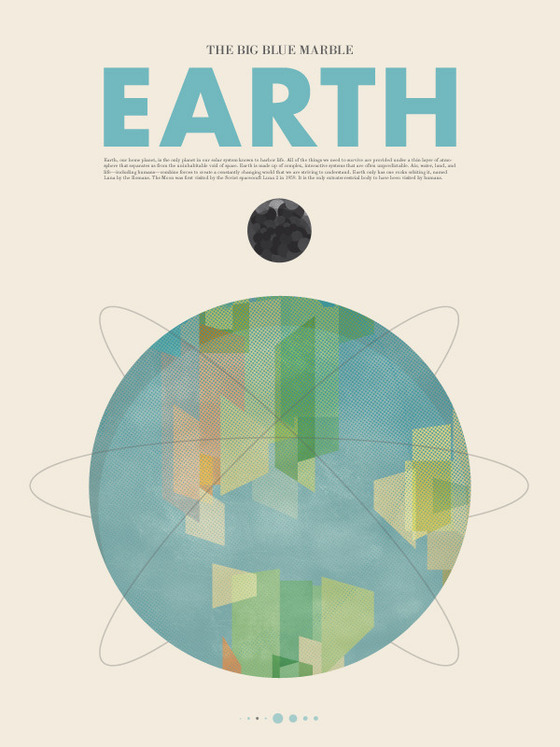
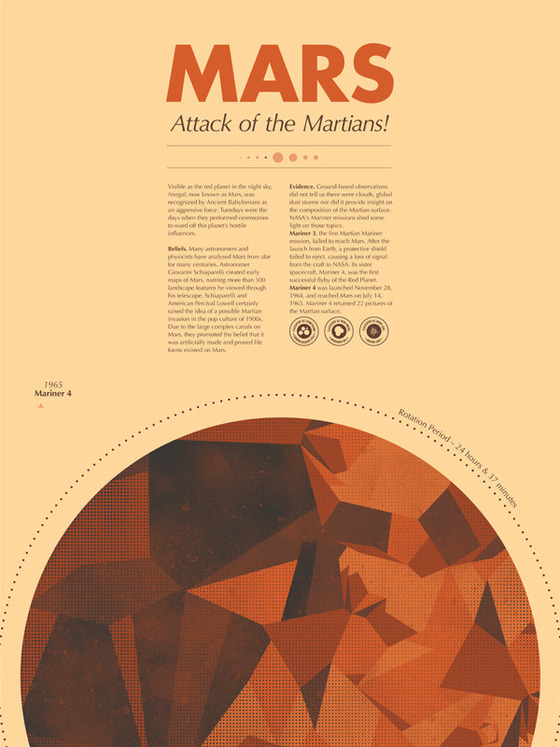
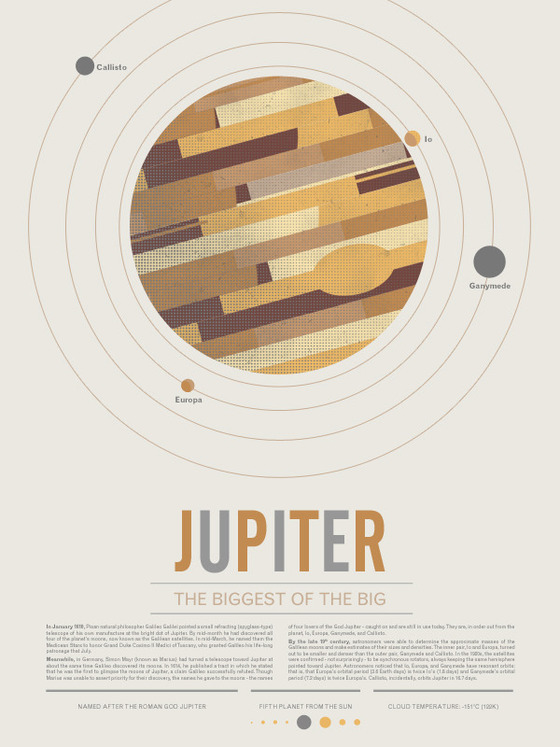
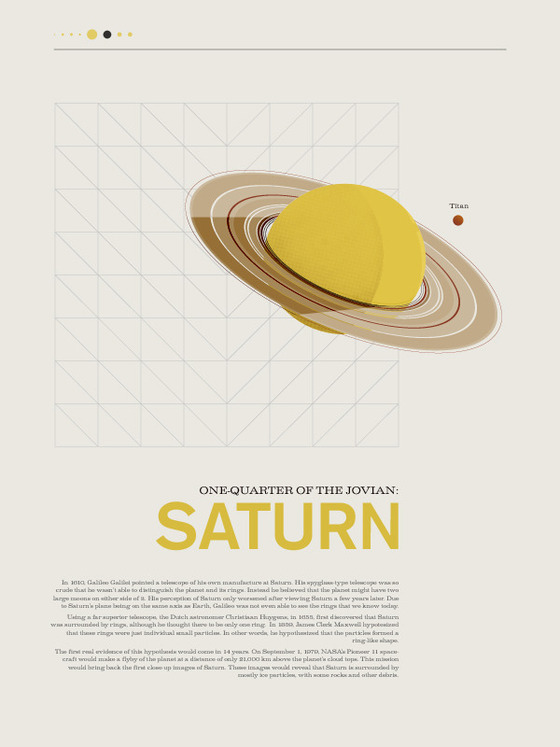
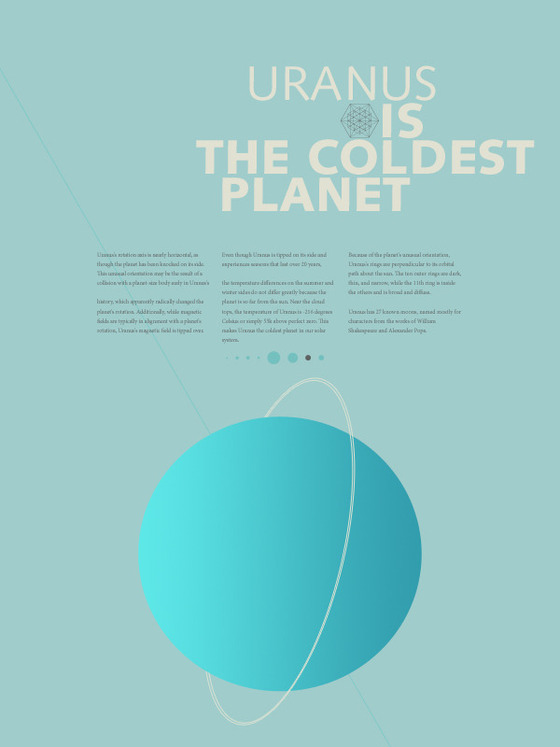
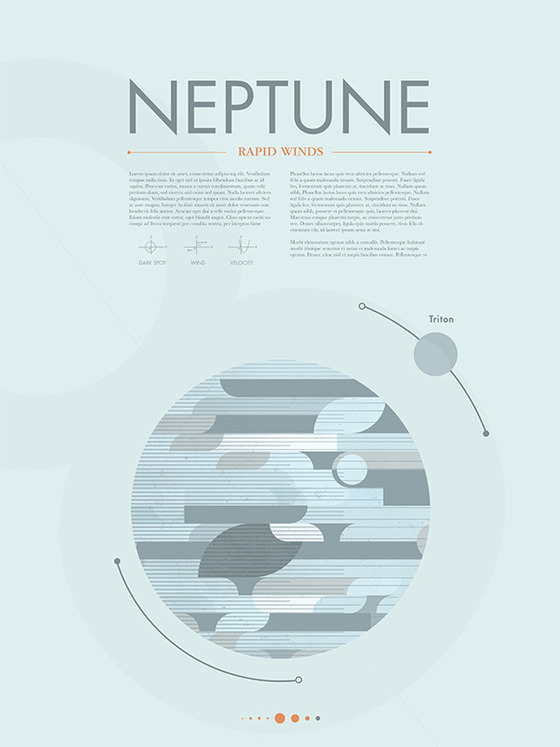
Unfortunately, it looks like they are now only available as screen wallpapers. By Stephen Di Donato.

Unfortunately, it looks like they are now only available as screen wallpapers. By Stephen Di Donato.
 Funny line from @itsrealTED
(via IFLS – I kind of wish that Fb page would sometimes try a little harder attributing folks who come up with this great stuff. I mean if I can find it in 2 seconds with a google search…)

SANTA AND THE MOON
Peter Barthel, Communicating Astronomy to the Public, May 2012, (12) p13 – 15.
Link to journal | link to arxiv abstract | link to pdf
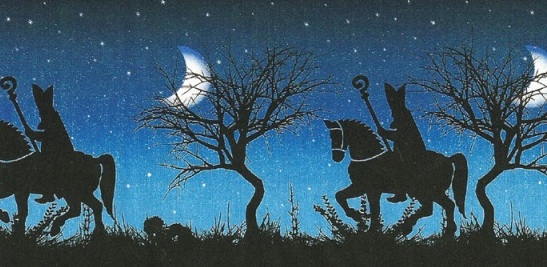
Rare example of Christmas media showing an astronomically correct moon.
“We have established that illustrators and designers draw moons ad libitum, according to their taste, but often physically incorrect. The most common mistake is the early morning waning moon shown in an evening scene. Our research focussed on Sinterklaas, Santa Claus, and Christmas scenes, with a short side trip to Sint Maarten and Halloween. The apparent lack of knowledge concerning the physics of the moon phases is most likely widespread and not just limited to the countries examined here. Further investigations are however outside the scope of the present research.”
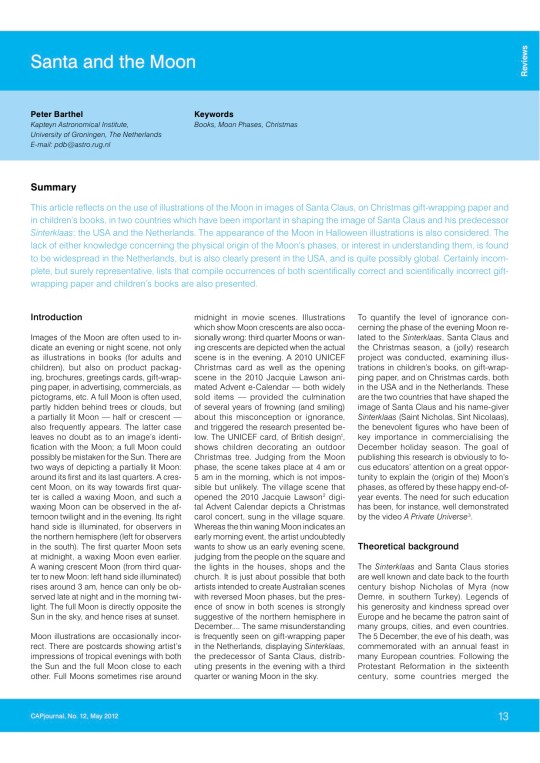
(see more of Popperfont’s Sciencegeek Advent Calendar Extravanganza here)
Click image to see full size.
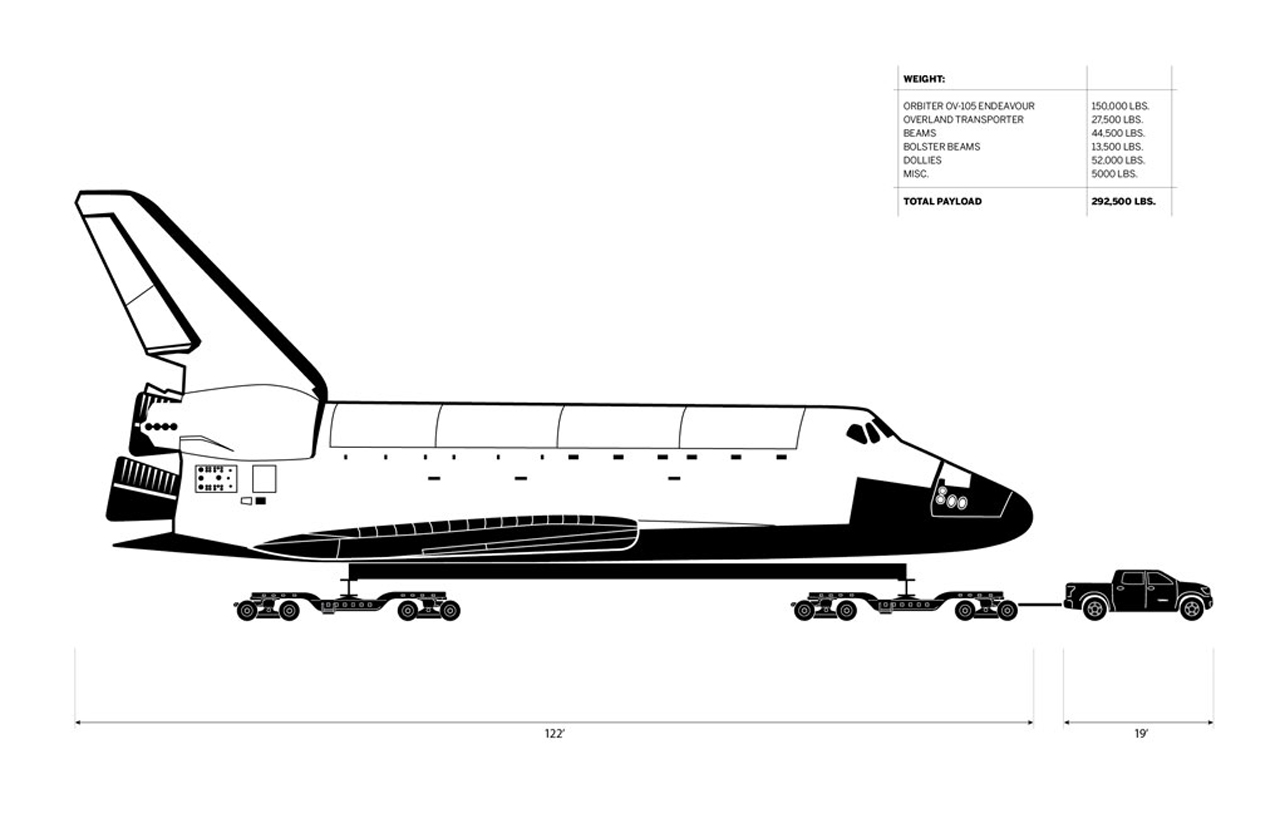
“Endeavour will be towed 12 miles from Los Angeles International Airport to the museum on October 13, and the Tundra will hitch up to the shuttle for the last quarter mile of the trip. The towing rig was made specifically for this event, allowing the full-size Toyota Tundra to pull almost 30 times its regular towing capacity. Toyota says that the truck used to tow Endeavour will be a stock V8 Tundra with no enhancements or modifications.”
From AutoBlog.
Hilarious.
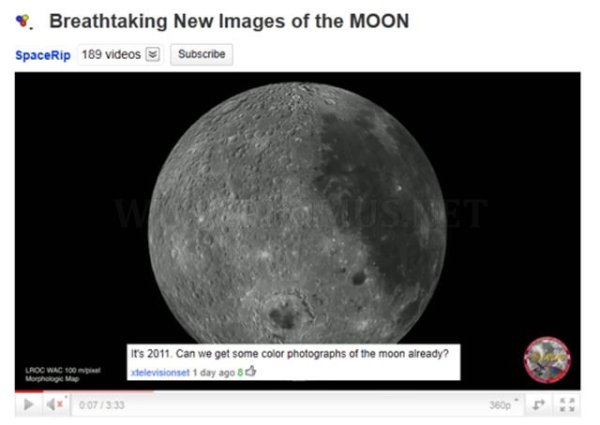
Source Unknown.
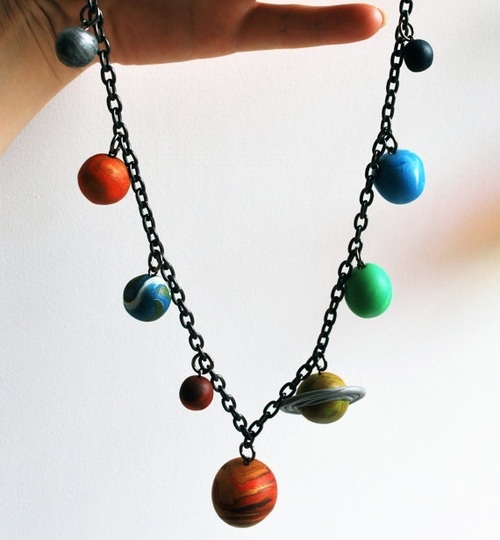
Solar System Necklace, Solar System Bracelet, Earth Necklace and Moon Phase Choker by nappyhappy in Swindon, UK (via Stacy Thinx)

Source unknown. Via Fresh Photons.
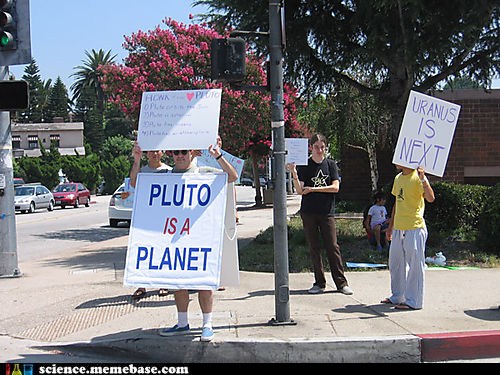
I do find this funny. Via Dropping the Science

Via Reddit (original source unknown)
By DAVID NG
Cor Crikey! And g’day mate! Right now we’re walking up to Hawaii’s Gemini Observatory on the summit of Mauna Kea. It’s got a beaut of a telescope inside, and we’re hoping to find a new planet today.
(Whispering) Here we are at the front door. But we should first give it a bit of space. Patience is important when dealing with telescopes. And we’ve got to be careful with that door. It’s locked! Looks like the observatory doesn’t open for another 20 minutes.
(20 minutes later) Alright mate! Let’s go! (running) Quickly mate! We’re already inside, but we’ve got to move fast! If you look around, you might see that there are other humans around here that will also want to use the telescope, but if you get there first, you’re in there mate. You can use one hand for the controls, and the other to fend the others off.
(Reaching the console) We’re the first here! And it looks like we’ll get to have it to ourselves too. Ripper! Looks pretty complicated, but I’ve been around telescopes all my life and this is definitely an “on” button. But before I press it, let’s first camouflage ourselves behind this adjustable office chair, just in case! I’m going to turn it on now.
(Apparatus makes a noise). Watch out mate! We’ve got to stay extra alert now. Remember – never do this without the supervision of an expert like myself around.
It’s on. And don’t forget to be on the look-out for other humans. We can scare them off by making ourselves look as big as possible – spread your arms wide and look like you’re real pissed. That’s right, like that. Beauty mate! Alright, now let’s go find us some planets…
(7 hours) Did you see that?
(12 days) Did you see that?
(4 week) Did you see that?
(6 weeks) Did you see that?
(7 weeks) Crikey! Did you see that?
(3 months and 1 week) Did you see that?
(4 months) Did you see that?
(5 months and 3 weeks) Did you see that?
(6 months later and looking weary) Well mates, that’s all we have time for in this show. It’s a shame we didn’t find a new planet but that’s sometime how it is in these observatories. See you next time!
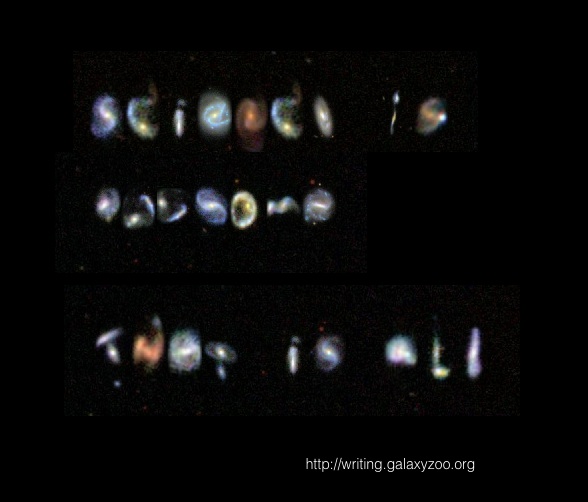
Go to the site, and input your own phrase (and don’t forget to click on the image produced so you can see things in greater detail). From the wonderful folks at Galaxy Zoo. Via Visual News.
“The work begins the day before launch, when he [Dan Winters] positions up to nine cameras as little as 700 ft. (213 m) away from the pad. Each camera is manually focused and set for the particular shot it is meant to capture, and the wheels of the lens are then taped into position so that they can’t be shaken out of focus when the engines are lit. Electronic triggers—of Winters’ own devising—that do react to the vibrations are attached to the cameras so that the shutter will start snapping the instant ignition occurs.
To prevent the cameras from tipping over on their tripods, Winters drills anchoring posts deep into the soil and attaches the tripods to them with the same tie-down straps truckers use to secure their loads. He also braces each leg of the tripod with 50-lb. (23 kg) sandbags to minimize vibration. Waterproof tarps protect the whole assembly until launch day, when they are removed and the cameras are armed. Throughout the launch, they fire at up to five frames per second. Only after the vehicle has vanished into the sky and the pad crew has inspected the area for brushfires, toxic residue and other dangers, are the photographers allowed to recover their equipment. (Text from Time)


Photos by Dan Winters, also soon available in book form. (Via My Modern Met)

By Ciaran Duffy (who incidentally, also drew the awesome whale image for this)

“In 2010, design firm Base reimagined the NASA logo for Viewpoint magazine. Rather than Jetsons flourish or ’80s futurism, the team wanted to propose a new look for a post–Cold War era and gesture toward the future.”
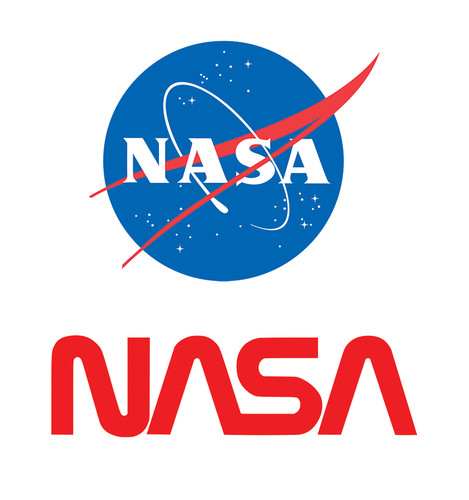
“The NASA logo of today–the “meatball”–is actually the organization’s original. It’s pure ’60s space-race fodder, and it’s served as the casual face of NASA since 1959, save for a two-decade stint when the “worm” logo replaced it”
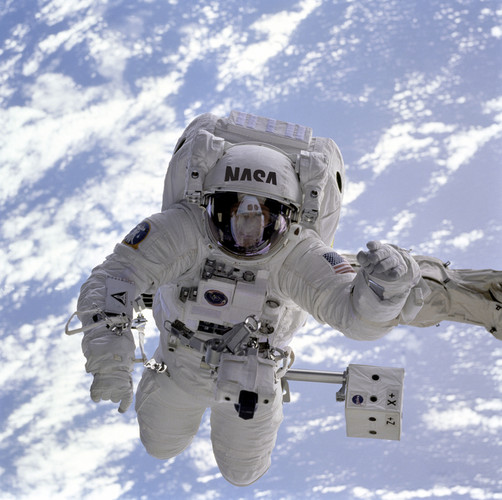
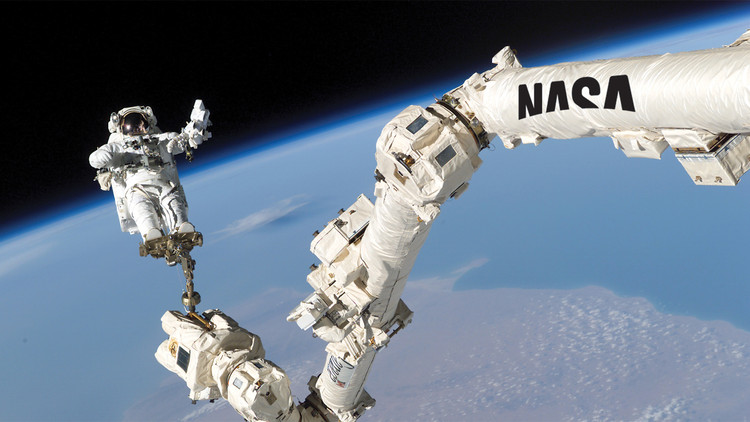
“Sadly, NASA passed on the logo. “They politely replied they were ‘not looking to revise their identity at this time,'”
By Mark Wilson, from Fast Company.
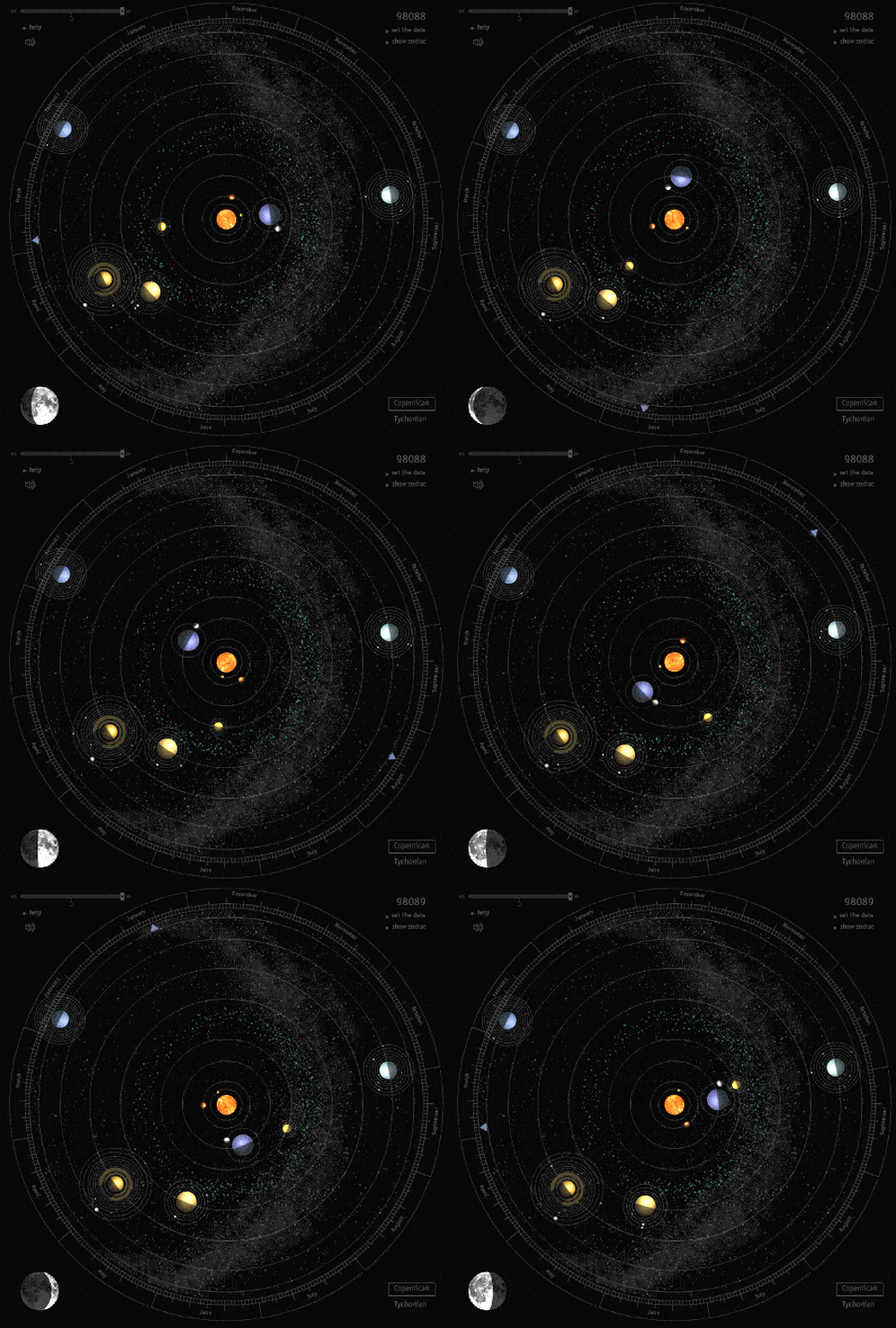
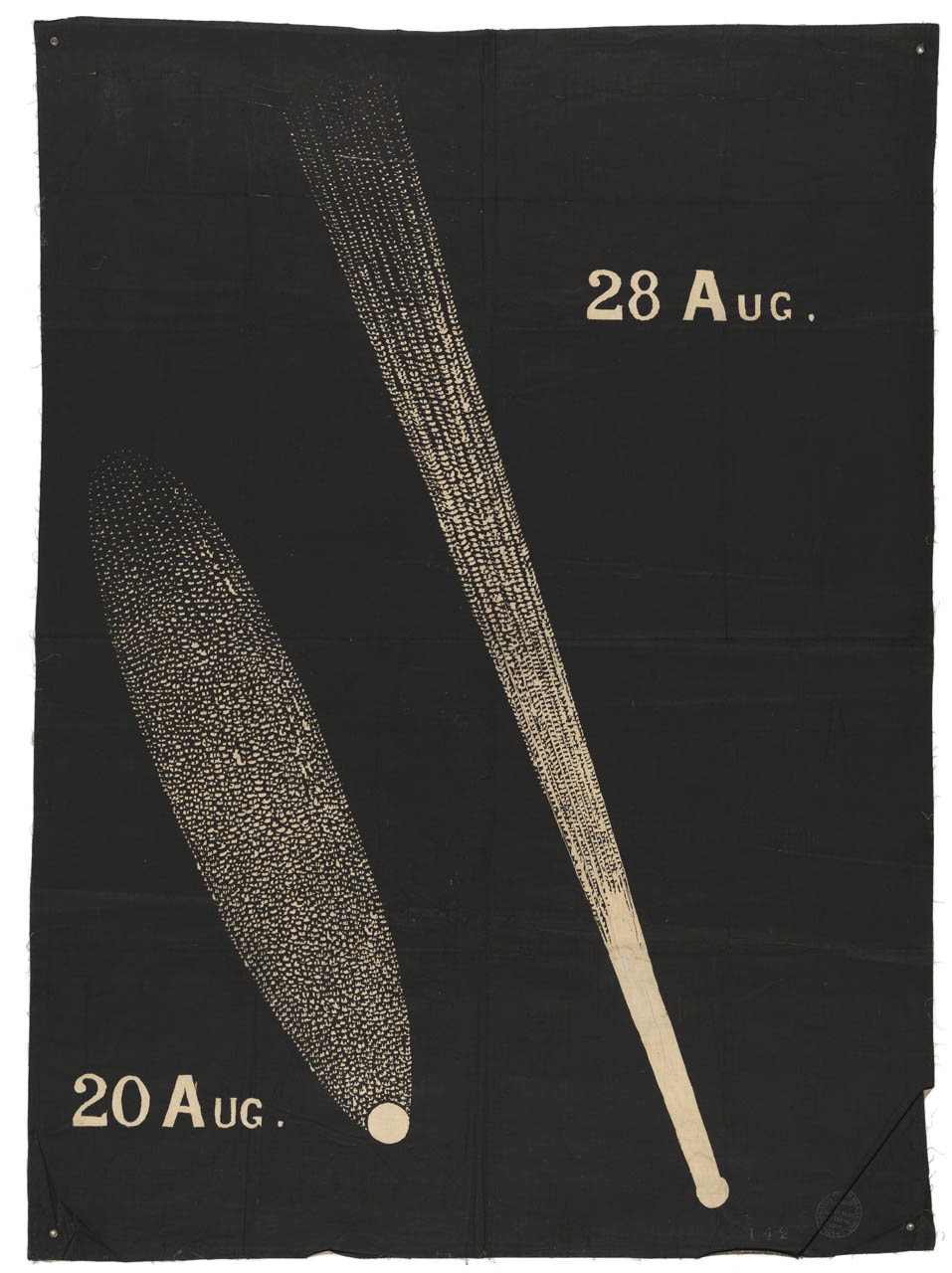

 popperfont.net