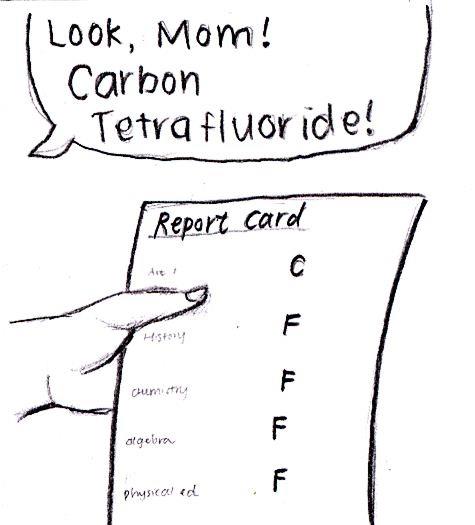
Science Comics: The Batman Versions


Sources: unknown (although presumably a Bat Cave somewhere…)

Sources: unknown (although presumably a Bat Cave somewhere…)
(a.k.a. It’s a New Year, so time to start things up again!)

Illustration from “Our Friend the Atom” (1956 Walt Disney Book by Heinz Haber). Via Fresh Photons
NERDY DIRTY CHRISTMAS
By Nicole Martinez
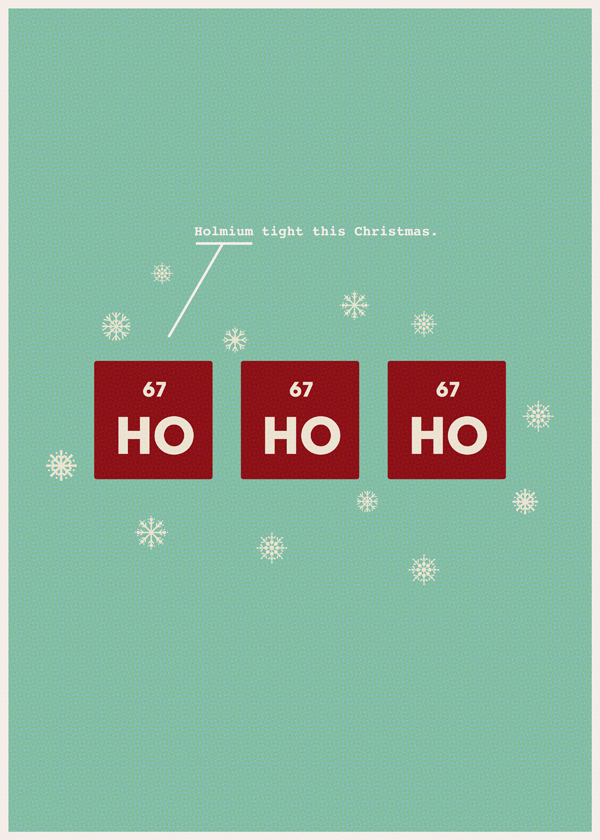

(see more of Popperfont’s Sciencegeek Advent Calendar Extravanganza here)

ANIMATED GIF OF A GROWING SNOWFLAKE
By Kenneth G. Libbrecht, via Snowcrystals.com
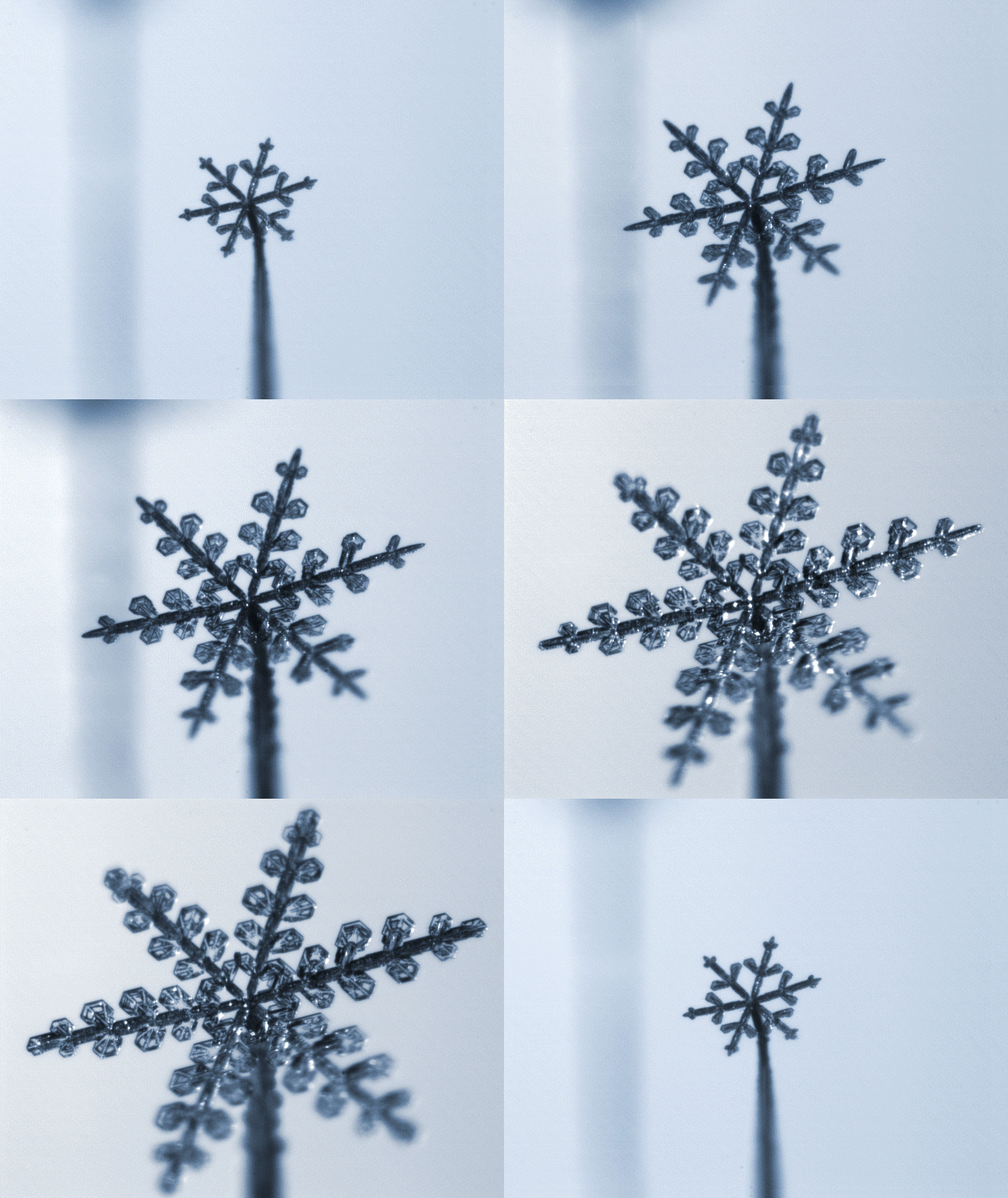
(Worth the loading wait…)
(see more of Popperfont’s Sciencegeek Advent Calendar Extravanganza here)

O CHEMISTRY GLASSWARE CHRISTMAS TREE, O CHEMISTRY GLASSWARE CHRISTMAS TREE
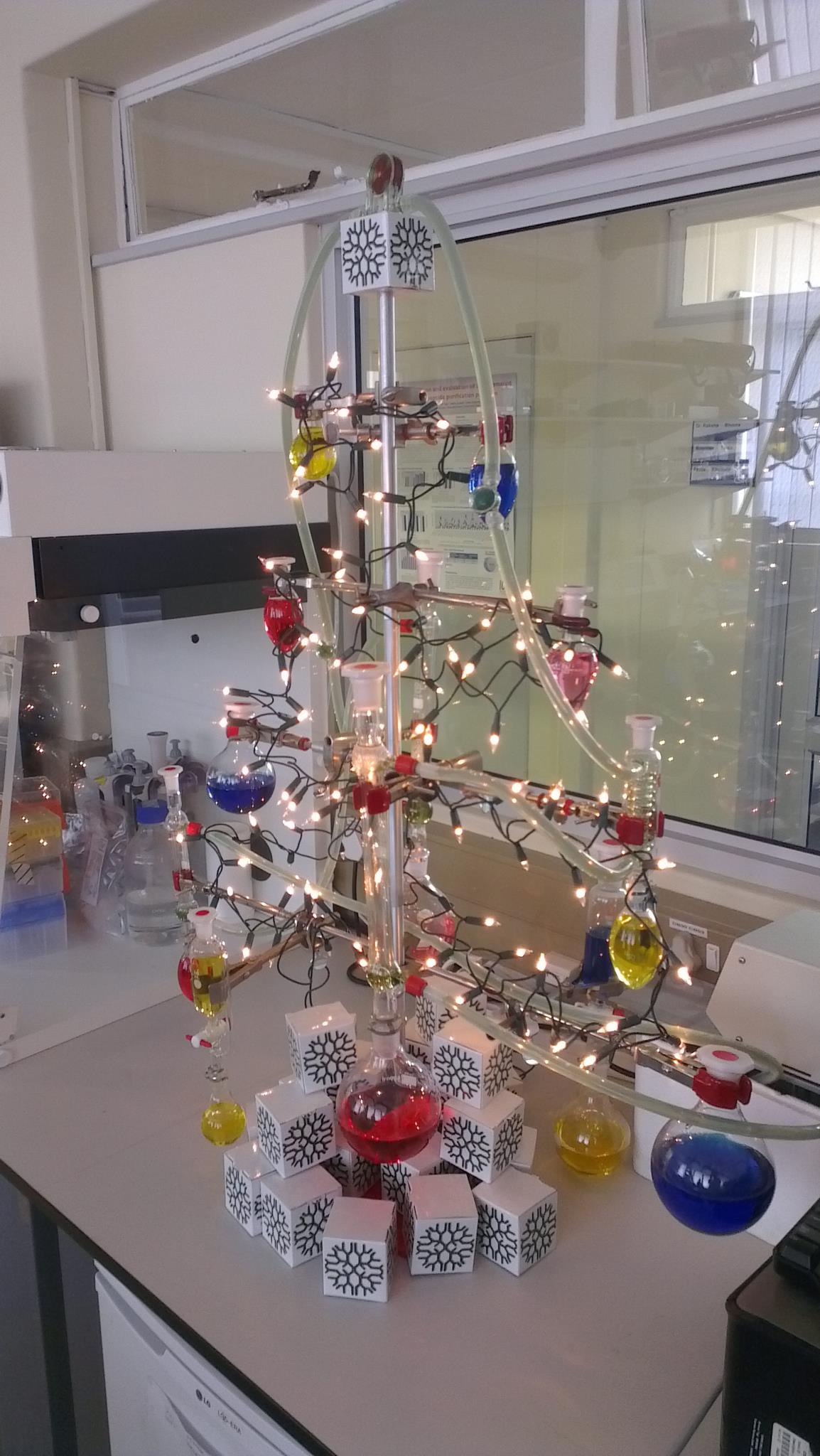
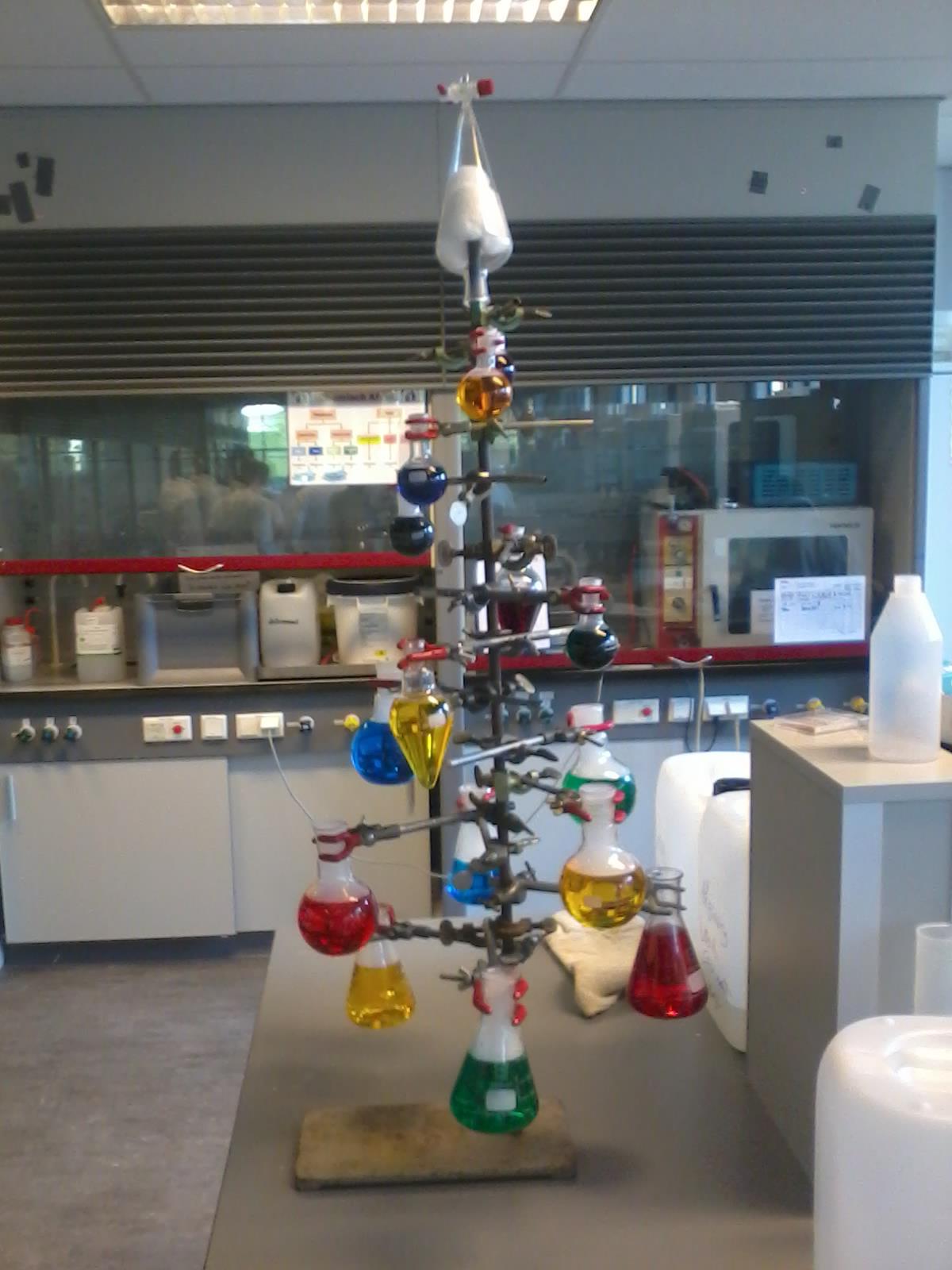
Via ReSyn Biosciences, Avans University of Applied Sciences.
(see more of Popperfont’s Sciencegeek Advent Calendar Extravanganza here)

AMAZING MACRO PHOTOGRAPHS OF SNOW CRYSTALS (GIANT SNOWFLAKES!)
By Andrew Osokin, via Colossal


(see more of Popperfont’s Sciencegeek Advent Calendar Extravanganza here)

SNOWMAN SCIENCE
Courtesy of Calvin and Hobbes, by Bill Watterson


(see more of Popperfont’s Sciencegeek Advent Calendar Extravanganza here)
Wow. This is pretty amazing…


“Ink Calendar” make use the timed pace of the ink spreading on the paper to indicate time. The ink is absorbed slowly, and the numbers in the calendar are “printed” daily. One a day, they are filled with ink until the end of the month. A calendar self-updated, which enhances the perception of time passing and not only signaling it.
By Oscar Diaz
This is so bad, that it’s good…


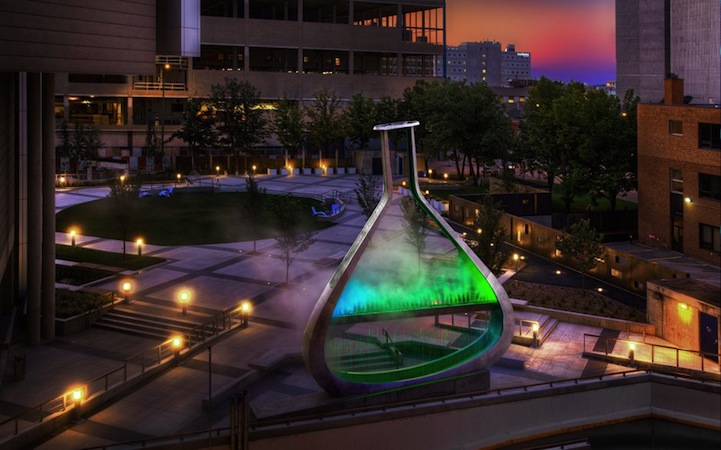

Vancouver-based artist Bill Pechet of Pechet Studio has teamed up with lighting co-designer Chris Pekar of Lightworks and Montreal-based LED lighting manufacturer Lumenpulse to create one remarkable public art installation called Emptyful. The towering structure, which mimics a mammoth sized laboratory flask, stands 35-feet tall and 31-feet wide, weighing in at approximately 48,500 lbs. Located at Winnipeg’s Millennium Library Plaza, Pechet’s sculpture serves as a real crowd pleaser, grabbing the attention of visitors and casual pedestrians alike.
See Bill Pechet’s website and Lumenpulse’s website for more.

Not sure what the original source is for this one (please leave a comment if you know).


“ZnO nanoparticles obtained by hydrothermal synthesis using microwave heating.” ~FR
“This [Zinc Oxide] semiconductor has several favorable properties, including good transparency, high electron mobility, wide bandgap, and strong room-temperature luminescence. Those properties are used in emerging applications for transparent electrodes in liquid crystal displays, in energy-saving or heat-protecting windows, and in electronics as thin-film transistors and light-emitting diodes.” (Wikipedia)
By Francisco Rangel, via Stacey Thinx.

Source unknown.



 popperfont.net