.

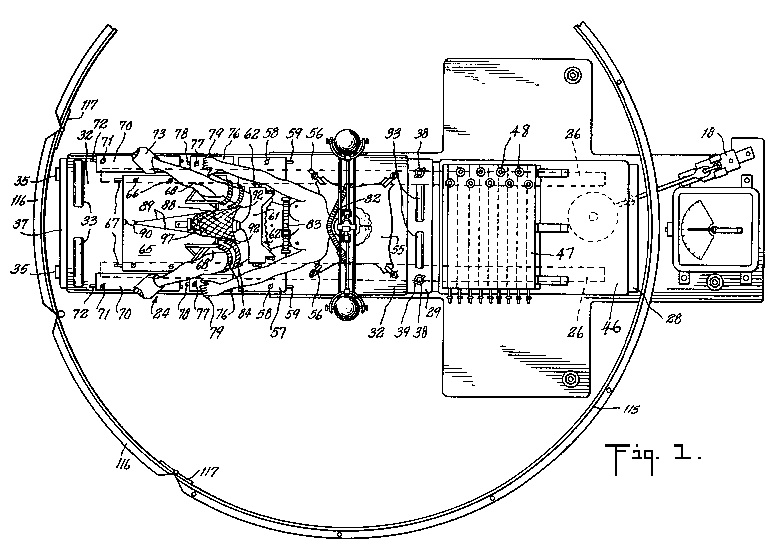
Presenting the “birthing centrifuge!” This is… I’m not sure what the right word is…

Well, maybe: bizarre?

More so when you read the bit about “primitive” versus “civilized” women (see bolded text below). Extra surrealness when you learn that this patent was filed in 1965! (not say, much earlier, which was my original guess)

The present invention relates to apparatus which utilizes centrifugal force to facilitate the birth of a child at less stress to the mother.

It is known, that due to natural anatomical conditions, the fetus needs the application of considerable propelling force to enable it to push aside the constricting vaginal walls, to overcome the friction of the uteral and vaginal surfaces and to counteract the atmospheric pressure opposing the emergence of the child. In the case of a woman who has a fully developed muscular system and has had ample physical exertion all through the pregnancy, as is common with all more primitive peoples, nature provides all the necessary equipment and power to have a normal and quick delivery. This is not the case, however, with more civilized women who often do not have the opportunity to develop the muscles needed in confinement.

From Google Patents.

Is the microscope an instrument of the Devil?

From goats.com.

Time to relax… “Wild Goose” by M Ward #song4mixtape

Things that are curious: Can a machine tickle?

It begins:

“It has been observed at least since the time of Aristotle that people cannot tickle themselves, but the reason remains elusive.”

What we have here is a research paper (by CHRISTINE R. HARRIS and NICHOLAS CHRISTENFELD) that looks at a variety of hypotheses (namely two called the reflex and the interpersonal)on this phenomenon, and then attempts to discern the two by using a “tickling machine.” Here’s the rest of the abstract:

Two sorts of explanations have been suggested. The interpersonal explanation suggests that tickling is fundamentally interpersonal and thus requires another person as the source of the touch. The reflex explanation suggests that tickle simply requires an element of unpredictability or uncontrollability and is more like a reflex or some other stereotyped motor pattern. To test these explanations, we manipulated the perceived source of tickling. Thirty-five subjects were tickled twice–once by the experimenter, and once, they believed, by an automated machine. The reflex view predicts that our “tickle machine” should be as effective as a person in producing laughter, whereas the interpersonal view predicts significantly attenuated responses. Supporting the reflex view, subjects smiled, laughed, and wiggled just as often in response to the machine as to the experimenter. Self-reports of ticklishness were also virtually identical in the two conditions. Ticklish laughter evidently does not require that the stimulation be attributed to another person, as interpersonal accounts imply.

The entire paper is here (in pdf format) for you to take a look at, but I thought the Apparatus and Materials section in the Methodology was worth sharing additionally (i.e. how to build a tickling machine).

The tickle machine was designed to look and sound like a robotic hand that was capable of movement without the experimenter’s assistance. The hand was attached by a long flexible hose to an impressive array of equipment that could plausibly control its motion. This equipment, when turned on, produced a vibrating sound that could be that of a genuine robotic apparatus.

You know, I’d be real curious to see what the grant application looked like for this type of research…

Physicists make funny with a coffee machine. #quantum

(Can’t find the original source for this)

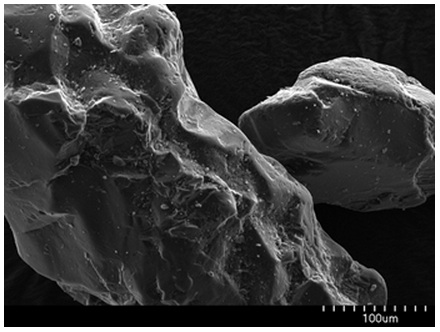
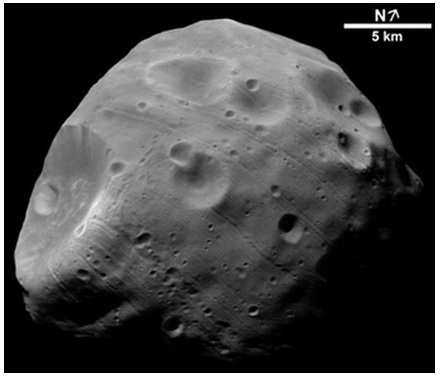
Grain of sand or small moon? Can you guess which is which?

The top image is a portrait of two grains of Coney Island sand. Below it is a NASA image of Phobos, one of the moons of Mars.

By Alison Cornyn via McSweeney’s.

This is adorable. Kids narrate the lives of wild animals for “Planet Earth” promo.

Via boingboing.

A calculation to see how many cups of coffee you would need to drink in order to kill yourself.

By DAVID NG

I’m in full on marking mode right now, which also means my uptake of coffee has increased significantly. Consequently, I’m procrastinating and thinking about strange things – such as lethal doses – especially for things we scientists particularly indulge in (like coffee, alcohol and, yes – the free cookies at Departmental seminars). So let’s look at the fatality of coffee drinking? And yes, for the scientist, the first place to look a little deeper is the vaulted MSDS (or Material Safety Data Sheet).

For those not initiated in this lingo, MSDS are those documents that provide risk assessment and health considerations for any and all reagents, compounds, molecules, chemistries you might care to use in a laboratory setting. Of course, the most press worthy value it often provides is the “lethal dose.” Which, according to wiki is:

the median lethal dose, LD50 (abbreviation for “Lethal Dose, 50%”), LC50 (Lethal Concentration, 50%) or LCt50 (Lethal Concentration & Time) of a toxic substance or radiation is the dose required to kill half the members of a tested population.

Anyway, I thought it might be interesting to do some back of the envelope calculations to bring to you, some information on how many cups of coffee to avoid drinking, so as to not kill yourself.

However, this calculation is not as easy as it sounds, because there’s a certain amount of kinetics that needs to be taken into consideration. So, let’s first start with a few facts and figures to get the ball going.

To begin with, if we’re going to focus on coffee, probably its most potent chemical component from an oral lethal dose point of view is the caffeine. However, from a purely empirical perspective, it might actually be its water content that will kill you in the end. In other words, if you drink lots of coffee and plan on doing it to induce a fatality, it might be interesting to see what scenarios are necessary for that death to be caused by too much caffeine versus too much water.

In any event, here are the numbers to concern ourselves with:

1. Average weight of a human: From wiki:

In the United States National Health and Nutrition Examination Survey, 1999-2002, the mean weight of males between 20 and 74 years of age was 191 pounds (86.6 kg, 13 st 9 lb); the mean weight of females of the same age range was 164 pounds (74.4 kg, 11 st 10 lb)

Let’s use 80kg as an average.

2. A single cup of coffee on average contains about 250ml of water, and about 135mg of caffeine (link).

3. Lethal dose (oral intake for a rat, which has similar metabolism – although we should note, not identical metabolism) is about 192 mg/kg for caffeine and 90 mL/kg for the water.

4. However, the other part of the equation is we need to evaluate involves rates of elimination.

The half-life of caffeine–the time required for the body to eliminate one-half of the total amount of caffeine–varies widely among individuals according to such factors as age, liver function, pregnancy, some concurrent medications, and the level of enzymes in the liver needed for caffeine metabolism. In healthy adults, caffeine’s half-life is approximately 4.9 hours.

And for water – this was a little harder, because water turn over rates I found, tended to revolve around the idea of an individual not imbiding in crazy amounts of fluids. So, for the sake of our calculations, I’ll go with the following piece of information:

It’s Not How Much You Drink, It’s How Fast You Drink It! The kidneys of a healthy adult can process fifteen liters of water a day! You are unlikely to suffer from water intoxication, even if you drink a lot of water, as long as you drink over time as opposed to intaking an enormous volume at one time. As a general guideline, most adults need about three quarts of fluid each day. Much of that water comes from food, so 8-12 eight ounce glasses a day is a common recommended intake. You may need more water if the weather is very warm or very dry, if you are exercising, or if you are taking certain medications. The bottom line is this: it’s possible to drink too much water, but unless you are running a marathon or an infant, water intoxication is a very uncommon condition.

O.K. so let’s do the math.

First, an oral lethal dose for an 80kg human would extrapolate to 15,360mg of total caffeine. This technically is equivalent to the amount of caffeine absorbed from drinking 113 cups of coffee really really really quickly. However, the reality is that this figure would instead result in a fatality due to water intoxication since 113 cups is close to 30 litres of water.

So let’s try a different tact: by focusing on a safe water ingestion figure (i.e. 15 litres per day when spread reasonably). This works out to 60 cups of coffee over a full day, or approximate one cup every 24 minutes. Anyway, this is some pretty nasty math to figure out (since it’s a half life calculation with continual replenishing going on). Anyway, if you do the math, what you find is that at the end of a 24 hour period, that average body would have retained a little less than 2500mg (this is based on some very rough back of the envelope calculations). Not even close to the 15,000 or so milligrams needed to reach the lethal dose. Presumably still not a healthy thing to do, but within the context of our LD50, it sounds doable.

And the funny thing is, by the next day, that 2500mg would have been metabolized or cleared itself and only about 50mg of this is left behind. Which means that the net total amount of caffeine still in a person’s system if he or she were to continue drinking a cup of coffee every 24 minutes for a 48 hour period is 2550mg (2500mg + 50mg).

It turns out that your body is potentially quite capable of dealing with such a heavy coffee dosage, because that new 2550mg level becomes 53mg by the next 24hours – therefore three days of drinking a cup of coffee every 24 minutes will result in a net retention of 2553mg (2500mg + 53mg) and so on.

I haven’t had a chance to extrapolate this over the full year (365 days), but I’m pretty sure that even a constant coffee drinking regime (1 cup every 24minutes for the full year) wouldn’t work out to a retention amount above the lethal dose.

All to say that your body pretty much kicks ass in its remarkable metabolism. Now, it’ll be interesting to maybe dig a little deeper with regards to how messed up a person gets with that base 2500mg inside them (as I’m sure the case will be). As well, not sure what the deal would be with 15 litres of expresso shots per day – that may just about be enough!

(This is partly reprinted from a post I wrote in good old Scienceblogs.com).

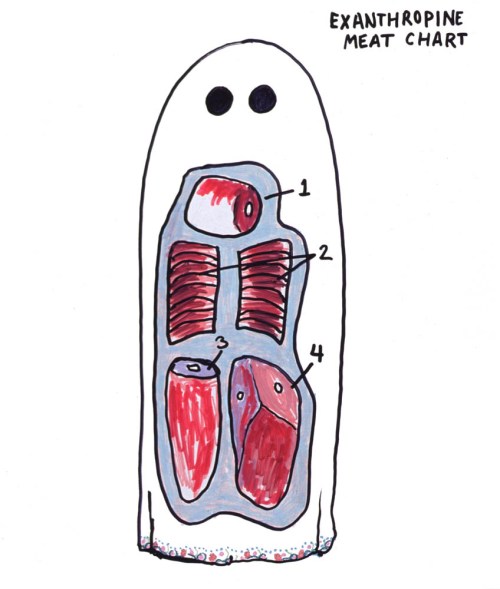
Anatomical meat charts of fantastical organisms

I can see this as useful for slides on general anatomy or maybe even comparitive physiology.

By Nathan Shafer.

A graphic about realists, but for me a query on which is the most testable hypothesis? Plus, it’s very funny.

Via Imgur.

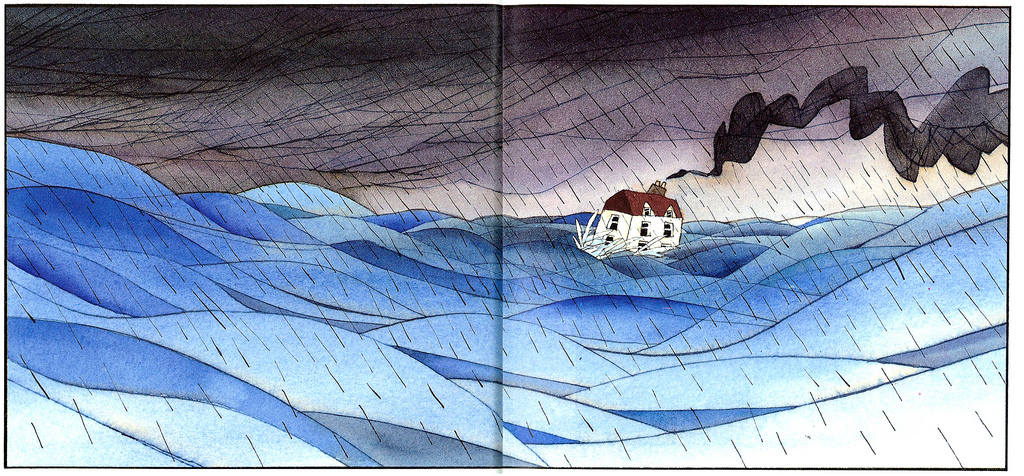
Water water everywhere. Great children’s book image on the subject of water.

This is great.


(Click on image for larger version)

And this is also an image that seems appropriate when choosing to speak about water generally – it might, for instance, be a good prelude to discussions ranging from sea levels to water consumption.

Anyway, I’m generally pretty enamored with Satoshi Kitamura‘s work. This particular image comes from a great little book called Captain Toby, where a little boy in his house gets caught in a wind storm and then with the house swaying, starts to dream about his house being a boat, being caught in the ocean, and even at one point, duking it out with a giant squid. Anyway, lovely stuff.

Linnaean discography. What if bands like U2 used proper taxonomic names?

Originally at the SCQ. By Timon Buys.

Wouldn’t it be great if Richard Scarry was still around to do a new Busytown book on science or sustainability?

A while back, I was playing with my kids and having fun with the Find Lowly Worm game that seems to be a rite of passage when looking through a Richard Scarry picture book.

Anyway, in our edition of “What Do People Do All Day?” I was amused by a substantial 4 page spread about coal as a source of energy (titled Digging coal to make electricity work for us). I guess it got me thinking that wouldn’t it be wonderful if there was a similar children’s book produced that can have the same degree of cultural prevalence, but also includes graphics looking at energy alternatives like wind, solar, wave, hydro, nuclear, etc. In essense, a Busytown book that focuses on concepts of sustainability or maybe even technology in general, where rapport can be continually fostered with analogous Lowly Worm type traditions.

I would soooo buy that book, if only because those kind of slides would rock in a slideshow. Anyway, check out the spreads below:

Ironic that one of more obvious graphic elements is the billowing smoke from the barbeque on the right… (click here for larger shot)

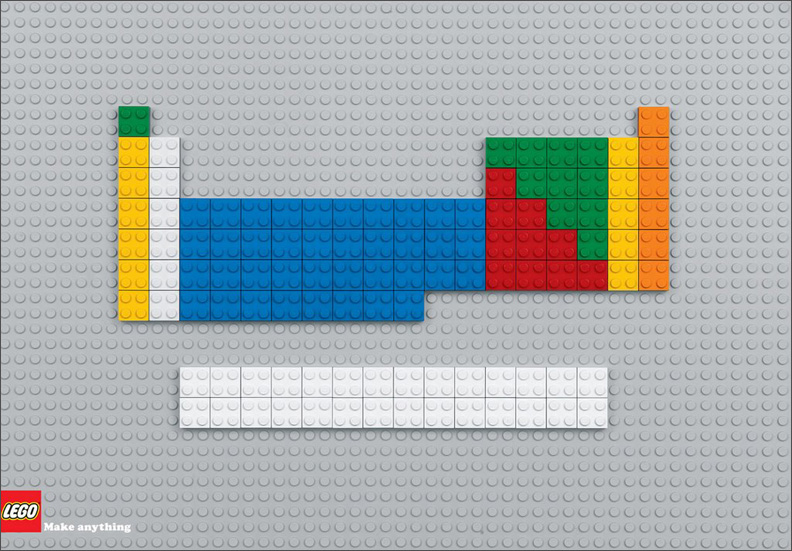
Coolest periodic table of elements ever.

I especially love the tagline: “Make anything.”

From www.frederiksamuel.com.

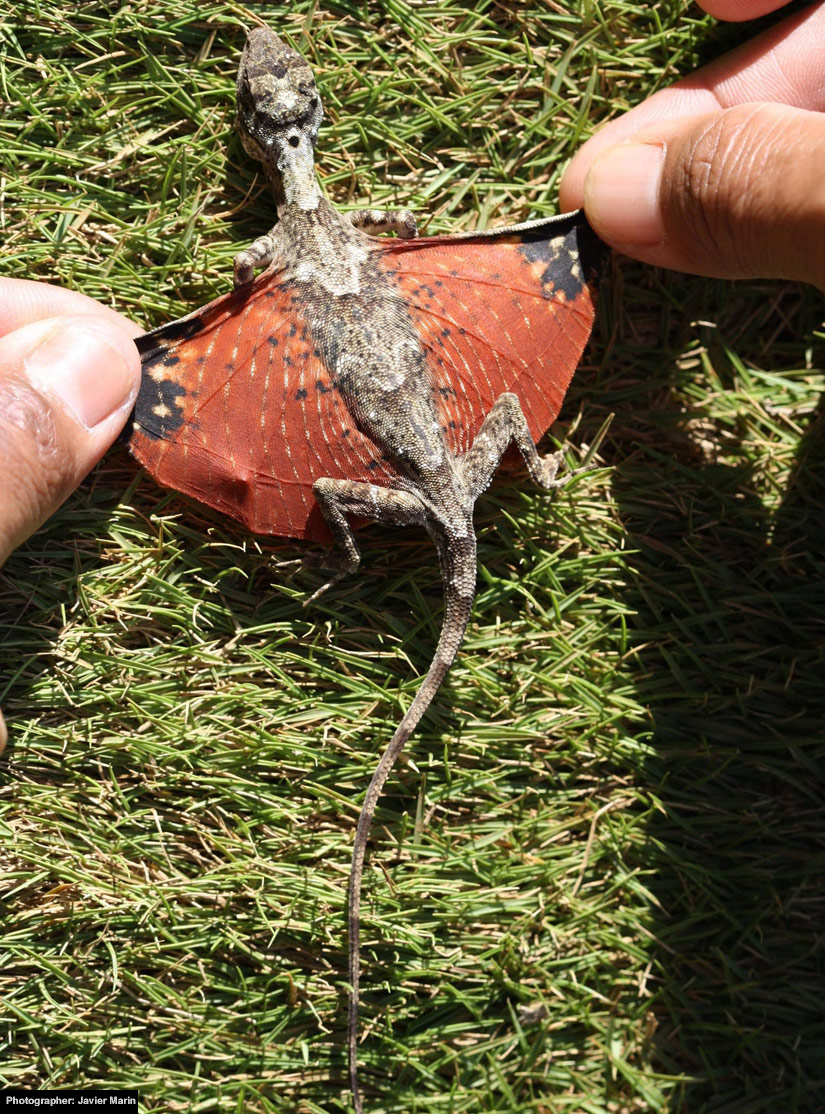
I can imagine how someone seeing this would wonder if Dragons are real after all…

Yes, more slides for biodiversity purposes. More on this little guy at wiki.

The creature in this photo may appear to be a miniature version of a mythical dragon, but this little guy is actually a gliding lizard.

Adult gliding lizards, which belong to the genus Draco and total more than 45 species, range in size from 7-15 centimeters (about 2.8-6 inches) in length and are native to Southeast Asia.

This particular specimen appears to be Draco beccarii, according to Jimmy A. McGuire, curator of Herpetology in the Museum of Vertebrate Zoology and associate professor in the Department of Integrative Biology, University of California, Berkeley. However, without seeing the dewlap (a fold of loose skin that hangs from the neck) of this specimen, McGuire couldn’t be certain.

From Discovery.

I feel like this would be a good image to broach the subject of physical laws of the universe.

By Matt Dawson, via Hey Oscar Wilde.

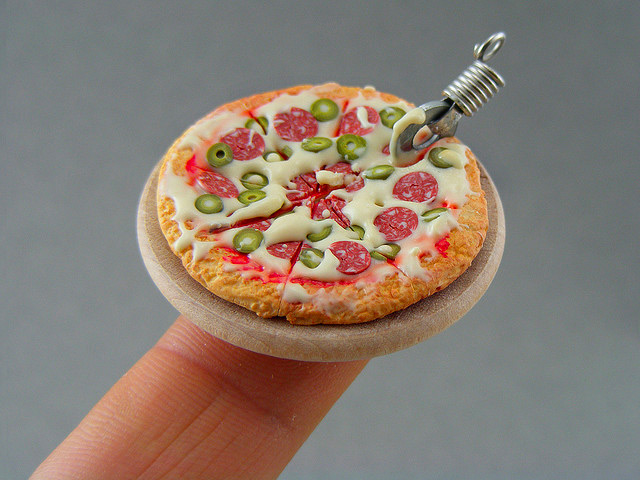
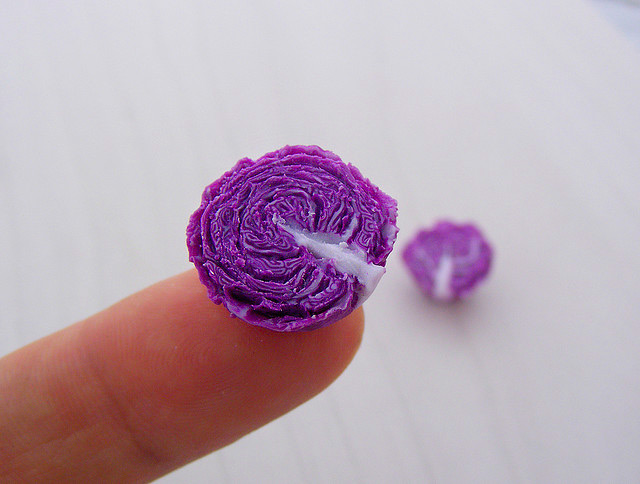
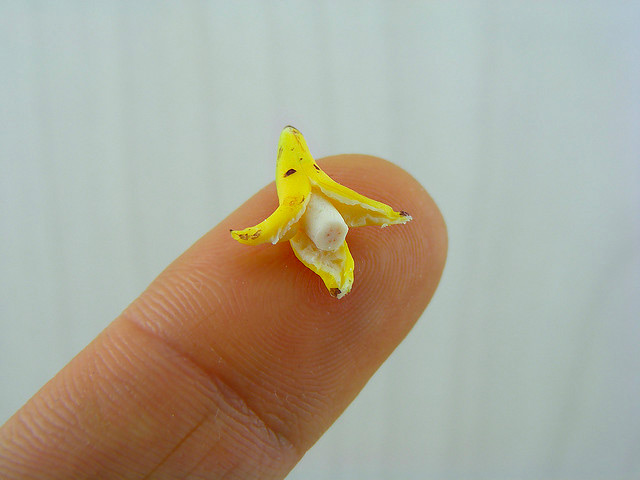
Miniature teeny teeny tiny tiny food. #incredible

Wow – amazing, and good for slides on food scarcity/security…

By Shay Aaron, via Colossal.

Titanic and climate change: Then and now. #funny

By Jean Galvão.

“Way Down Now” by World Party #song4mixtape

I am totally loving this band, and I think you will too. “Stubborn Love” and “Hey Ho” by The Lumineers. #song4mixtape


.