Newton, shoulders, giants and other things he may or may not have stood on during his lifetime.
By DAVID NG
Likely:
Grass.
A stage of some sort.
Guard.
Tippy toes.
Unlikely
Laminate Flooring
Astroturf.
Olympic podium.
Someone’s throat.

By DAVID NG
Likely:
Grass.
A stage of some sort.
Guard.
Tippy toes.
Unlikely
Laminate Flooring
Astroturf.
Olympic podium.
Someone’s throat.
By DAVID NG
A few years ago, for fun, I took a course on “Writing Books for Children.” It was pretty good, in that it kind of forced me to sit down and come up and work through an idea. Or at least, work through it enough so that it was close to the stage of becoming a proper idea.
My friends already know that children’s books have always fascinated me, especially with two young children in my own household. It’s probably why I’ve written about it on occasion in other places. There’s something altogether amazing when you read a great children’s book to your kids, especially so (for me anyway) when the book has some science in it.
Anyway, shown below is a slideshow of my book idea. It’s basically about a group of animals marvelling at their habitats, considering their own “footprints” so to speak. Then, of course, there’s a bit where they meet a human: whereby the idea of a footprint becomes grossly different.
Apologies for the simplistic art, but I am curious about what you think of the book conceptually. One day, I might even try to edit and tighten it up, so as to submit it somewhere. Although, to be honest, I’m not sure if the idea is good enough and (as the case may be) I’m not even entirely sure where best to send such queries. Still, take a peek, and send on some feedback – it’ll be much appreciated.


Good Ole Worm (a.k.a. Olaus Wormius)
From Rocketboom, via @mwand
It laid out schematically the various wounds a person might suffer in battle or in accidents, often with surrounding or accompanying text stating treatments for the various injuries. It first appeared in print in Johannes de Ketham’s Fasciculus Medicinae (Venice, 1492) and was used often in surgical texts throughout the sixteenth century and even into the seventeenth century. (Wikipedia)

Via Stacey Thinx
Reminds me a little of the Jimmy Kimmel iPhone 5 ruse. Man, are we a “just gotta have it, just gotta get it” society…

By Jonathan Rosenberg at Scenes From a Multiverse.


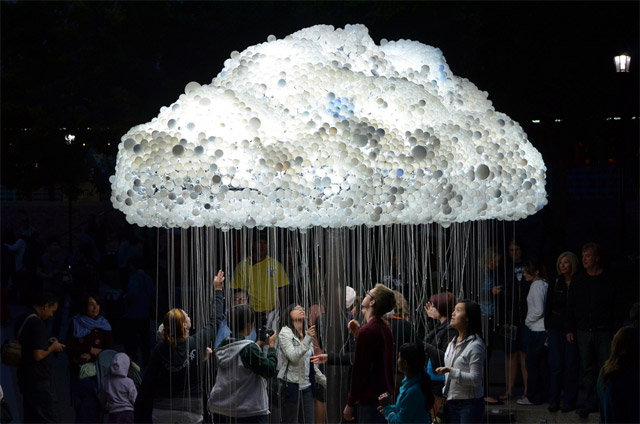
“The piece is made from 1,000 working lightbulbs on pullchains and an additional 5,000 made from donated burnt out lights donated by the public.”
Called CLOUD, and created by Caitlind r.c. Brown.
Love this, and sooo gonna use it in class to discuss the importance of meta-analysis (i.e. the reasons for a correlation aren’t always obvious, so you need to compare multiple studies which happen to provide insight into multiple variables).
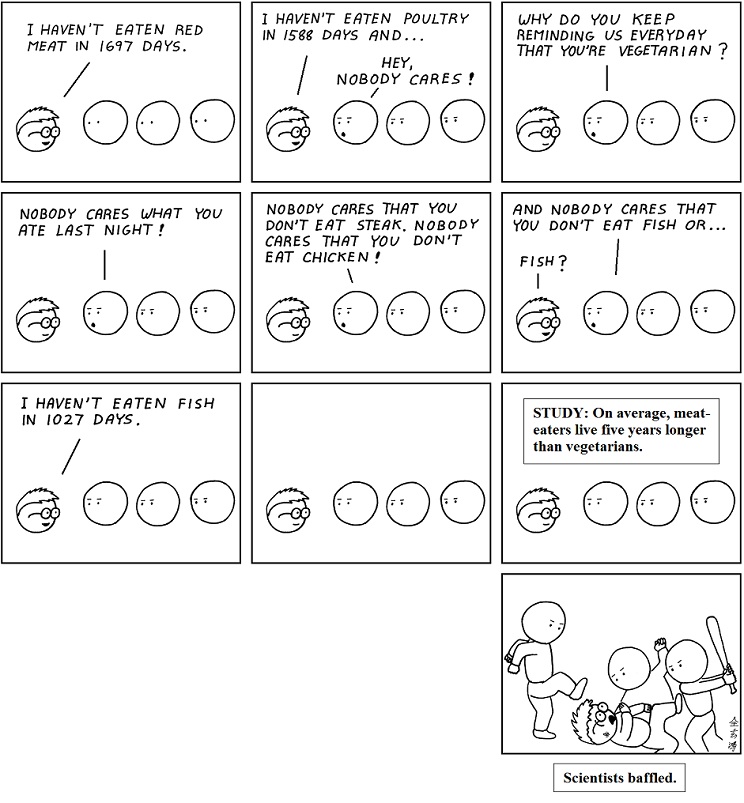
From Abstruce Goose.
There might not be a truer visual representation of our contemporary wired world than Jon Rafman’s web-based “9 Eyes” project, for which he culled the most bizarre, haunting, and stunning images frozen in Google’s “Street View” mapping project to create a truly amazing work of digital art that is both innately appealing and strangely, darkly poetic. (From Blouin Art Info)

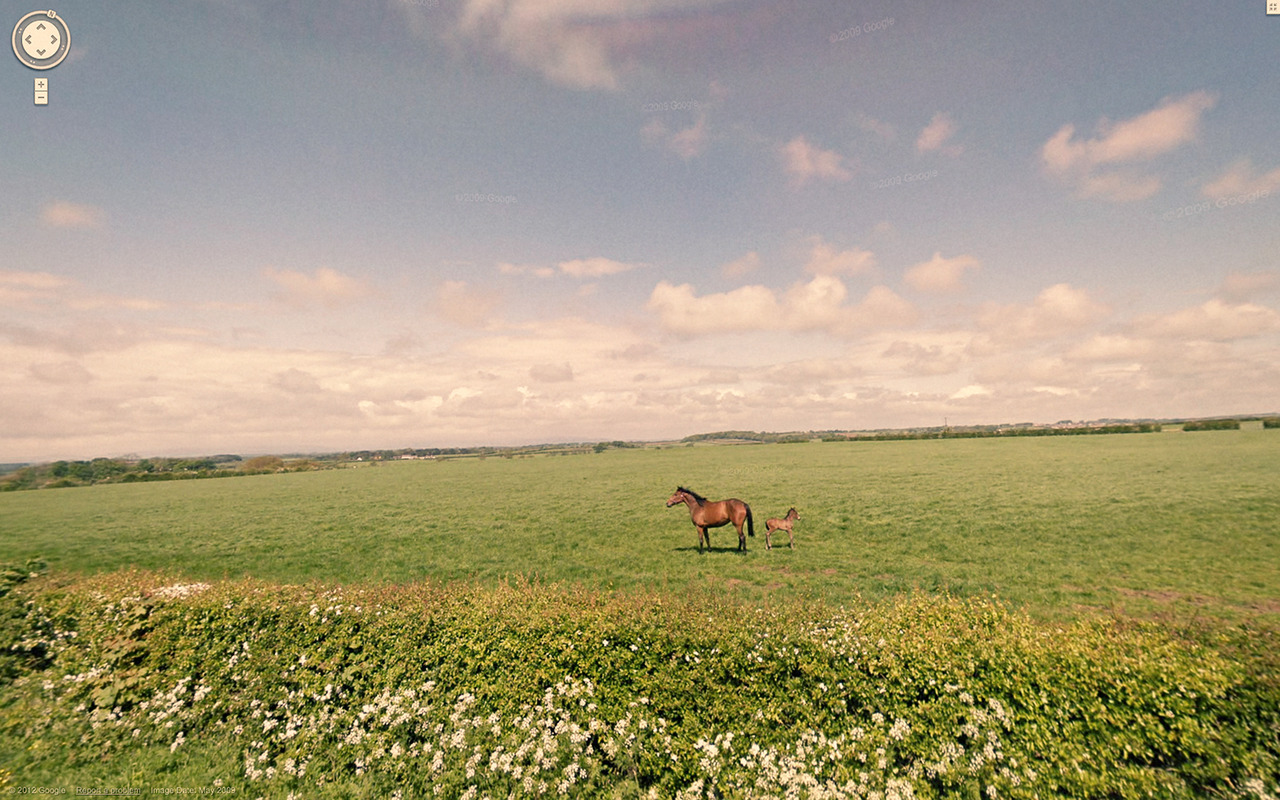


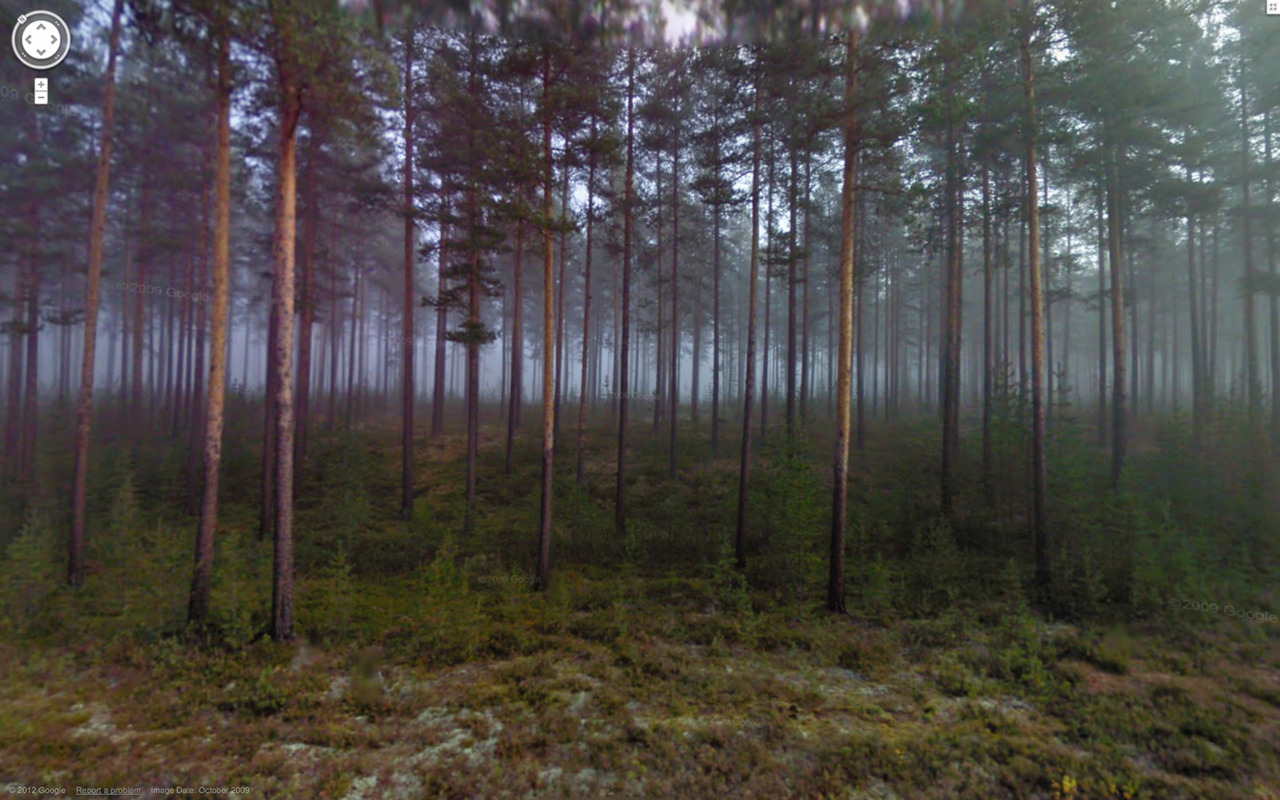

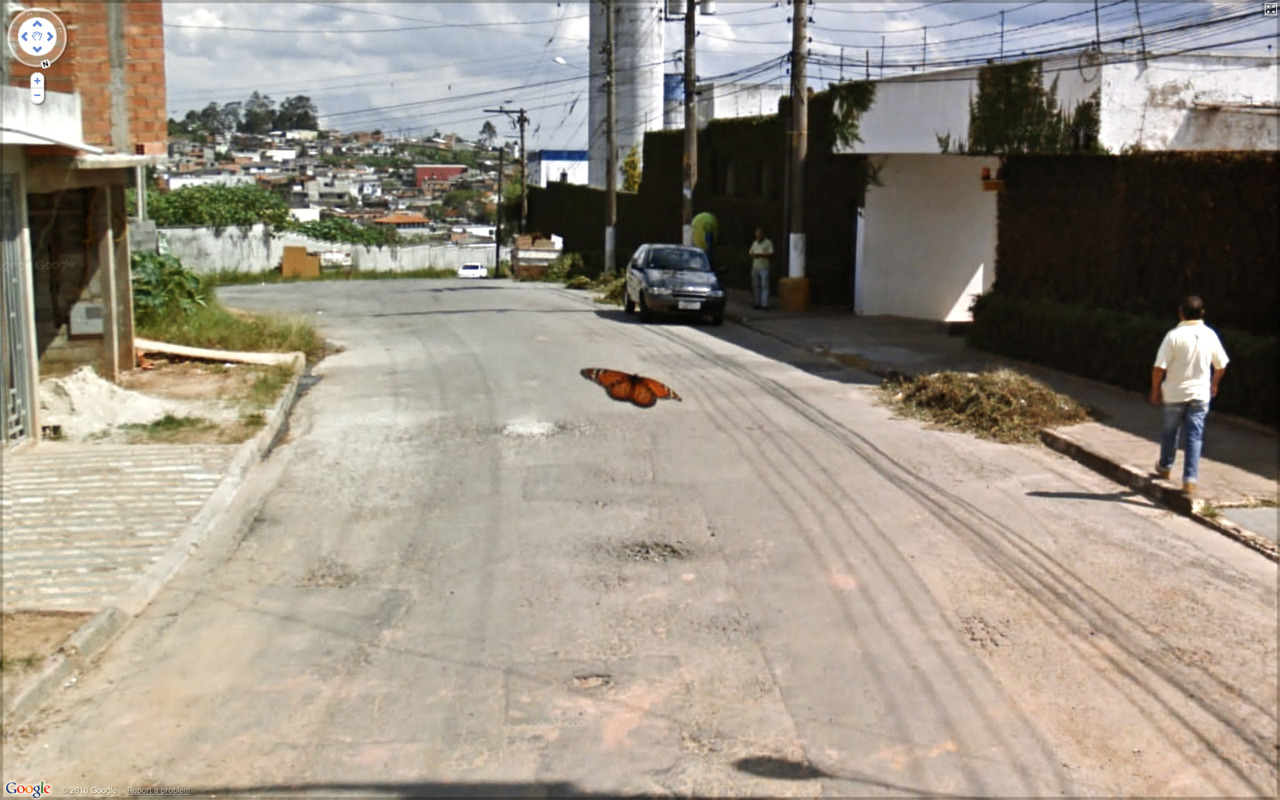
From the 9 Eyes of Google Street View by Jon Rafman. Definitely click on the 9 Eyes links – some of the screen captures are quite haunting.
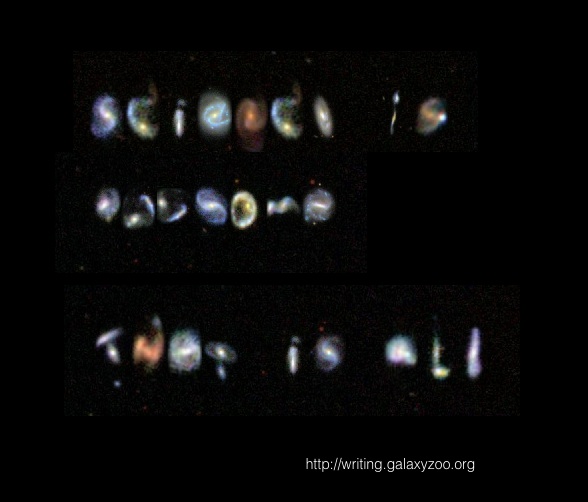
Go to the site, and input your own phrase (and don’t forget to click on the image produced so you can see things in greater detail). From the wonderful folks at Galaxy Zoo. Via Visual News.
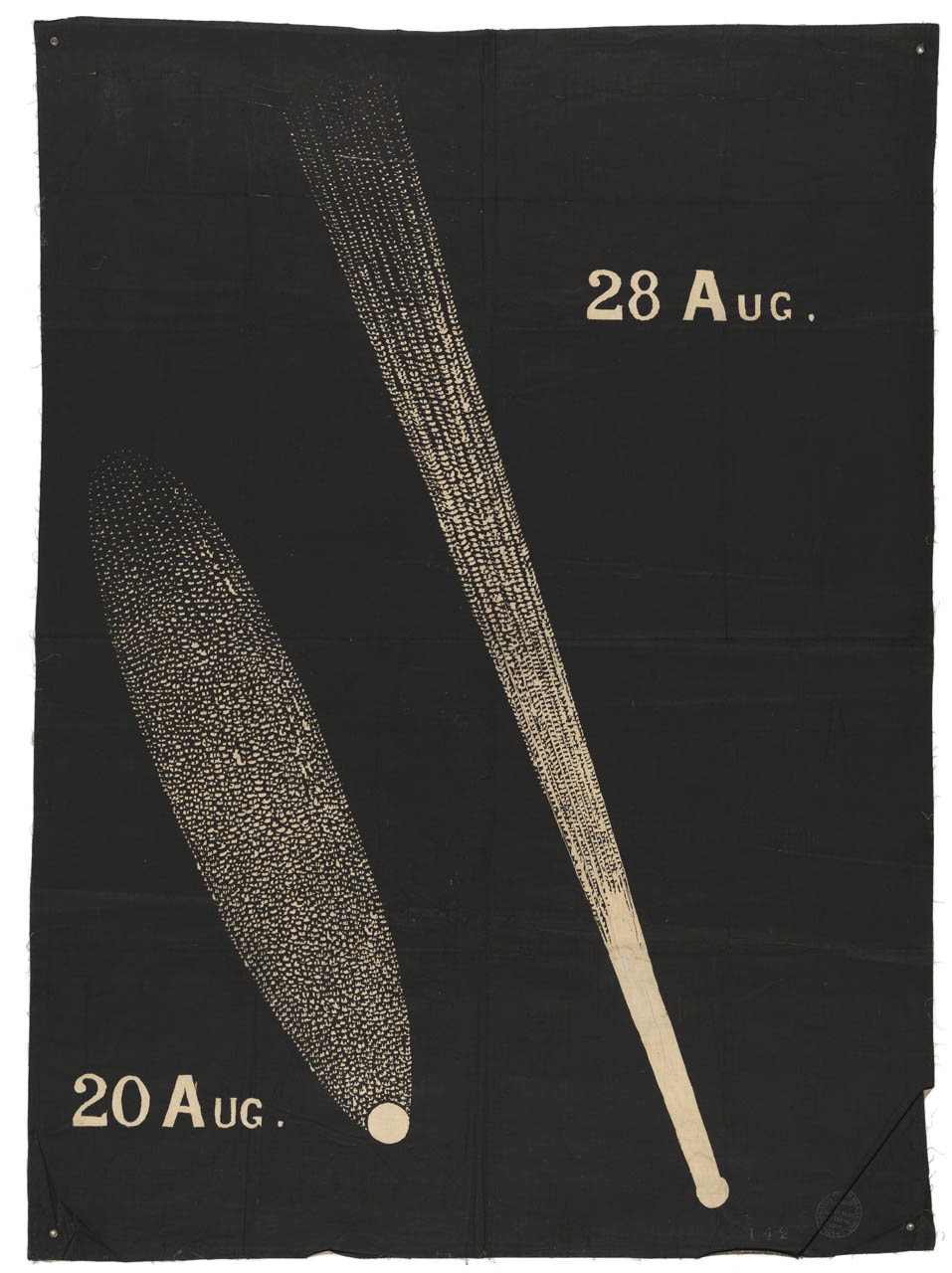
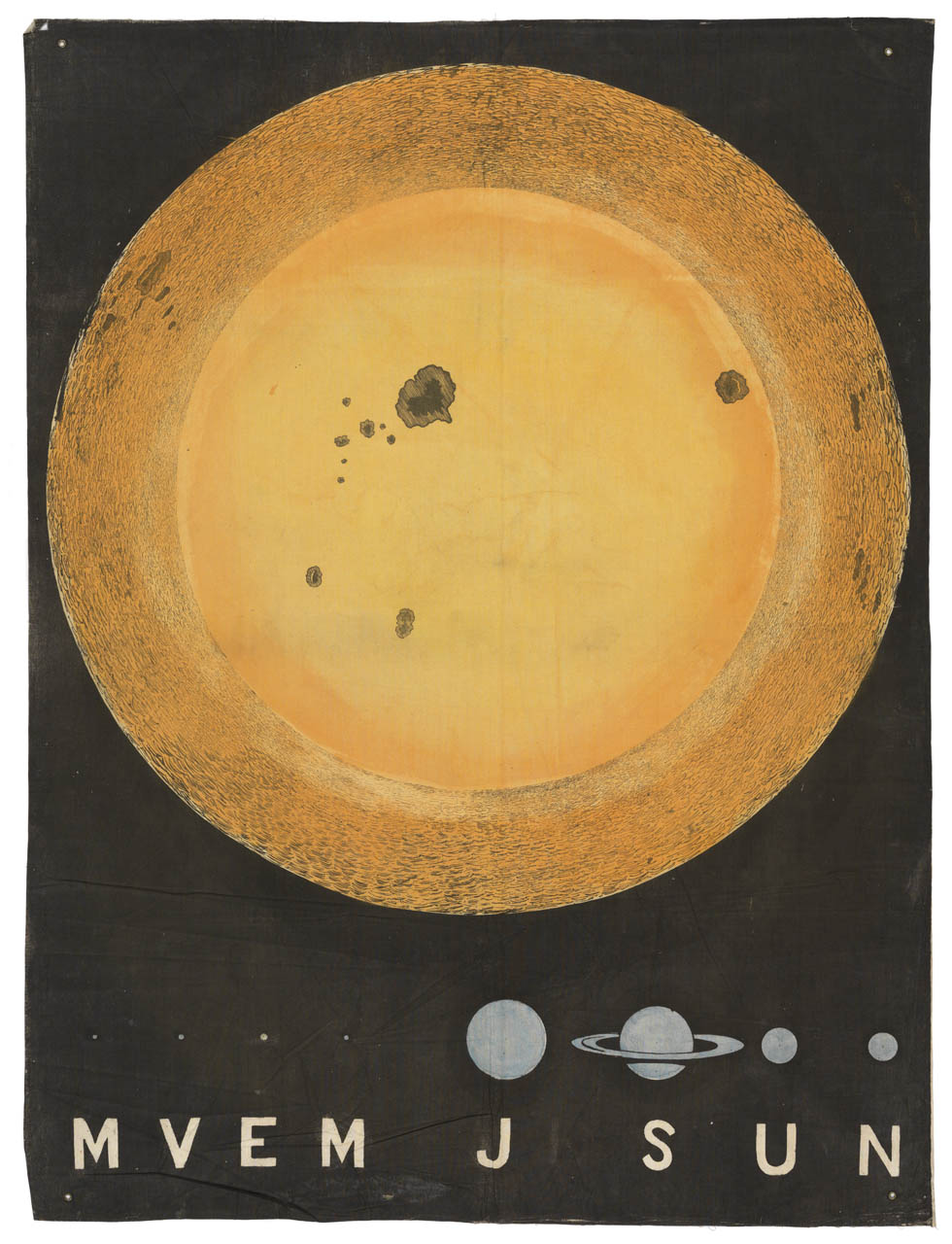
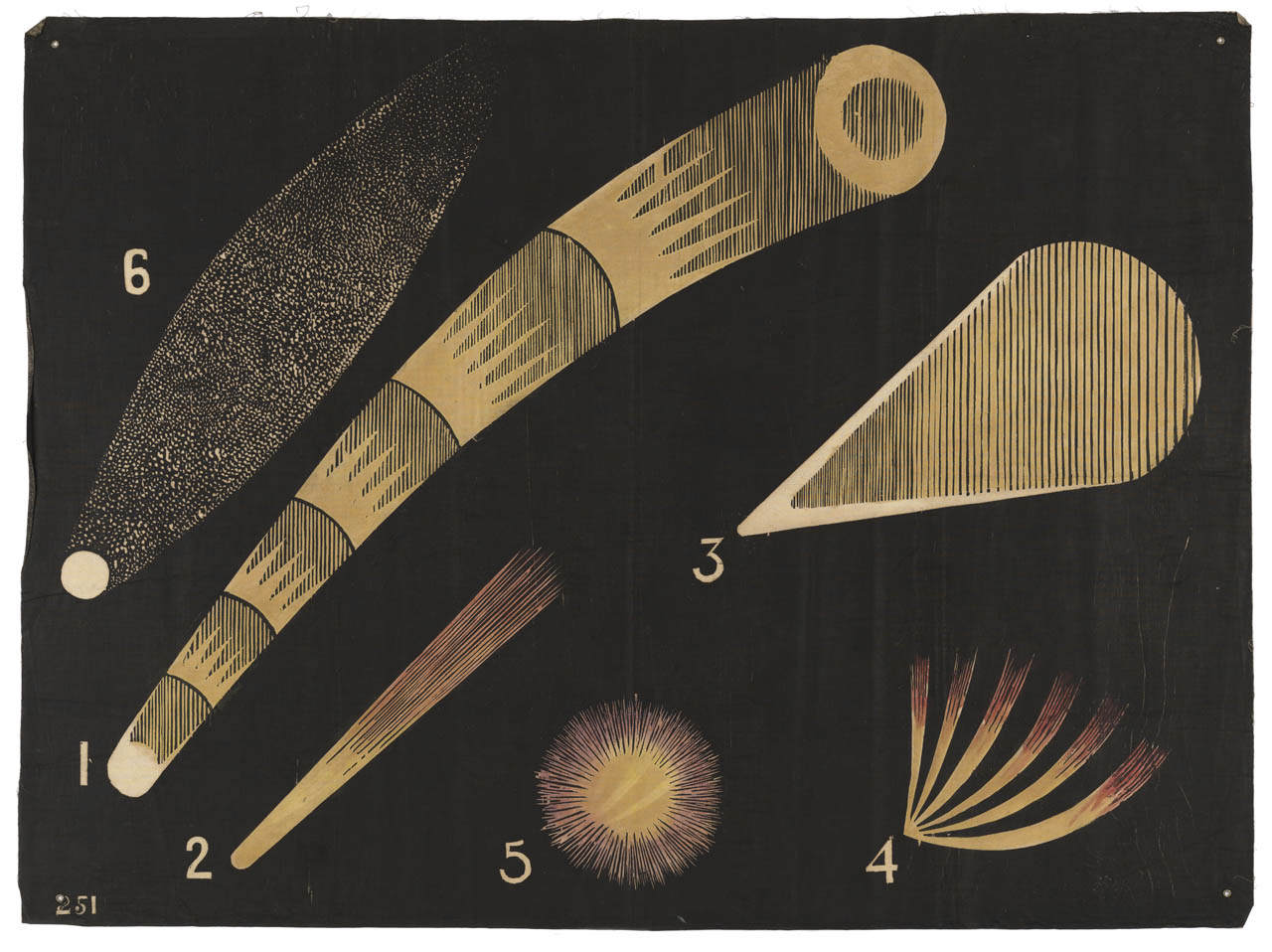
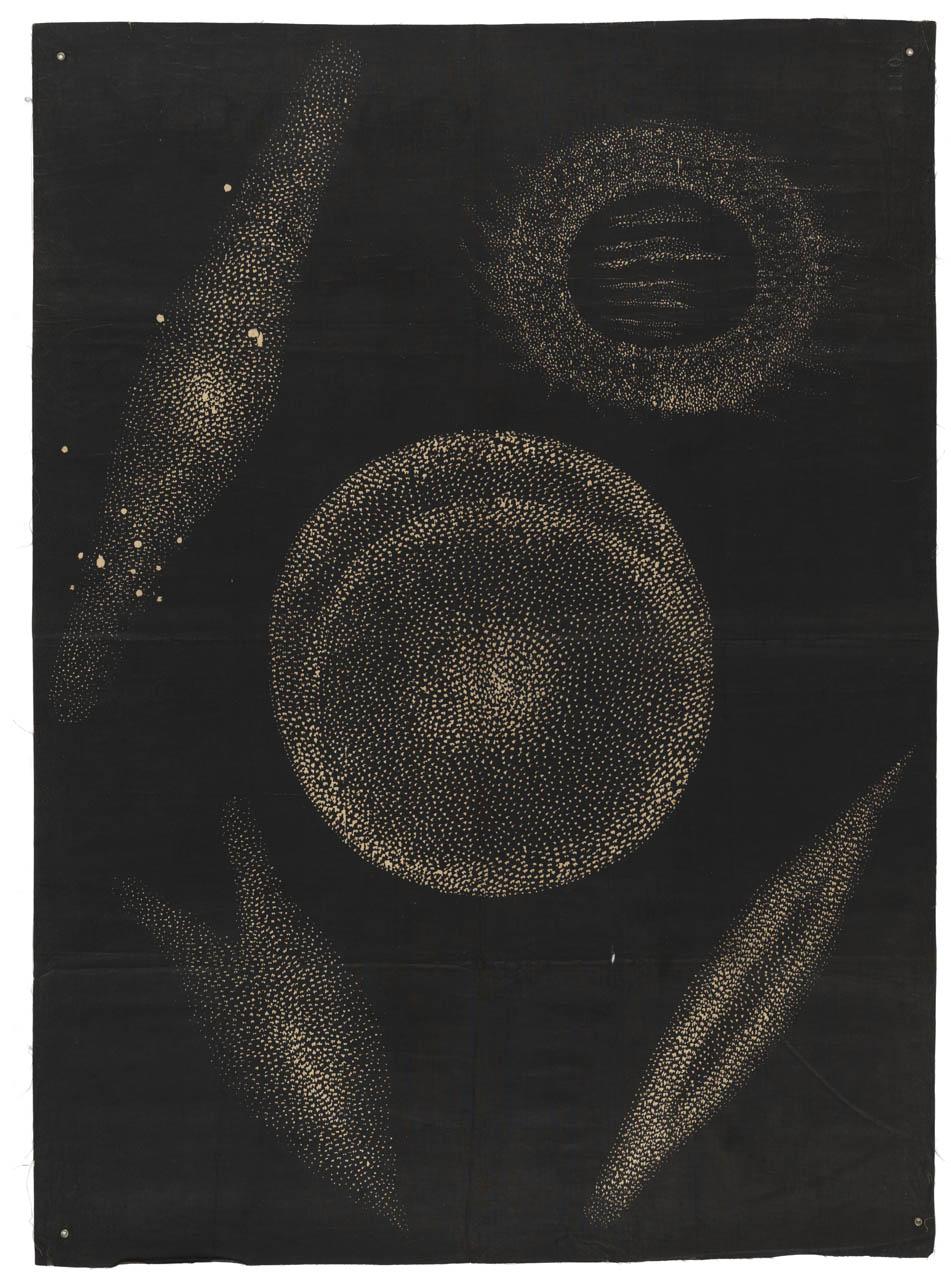
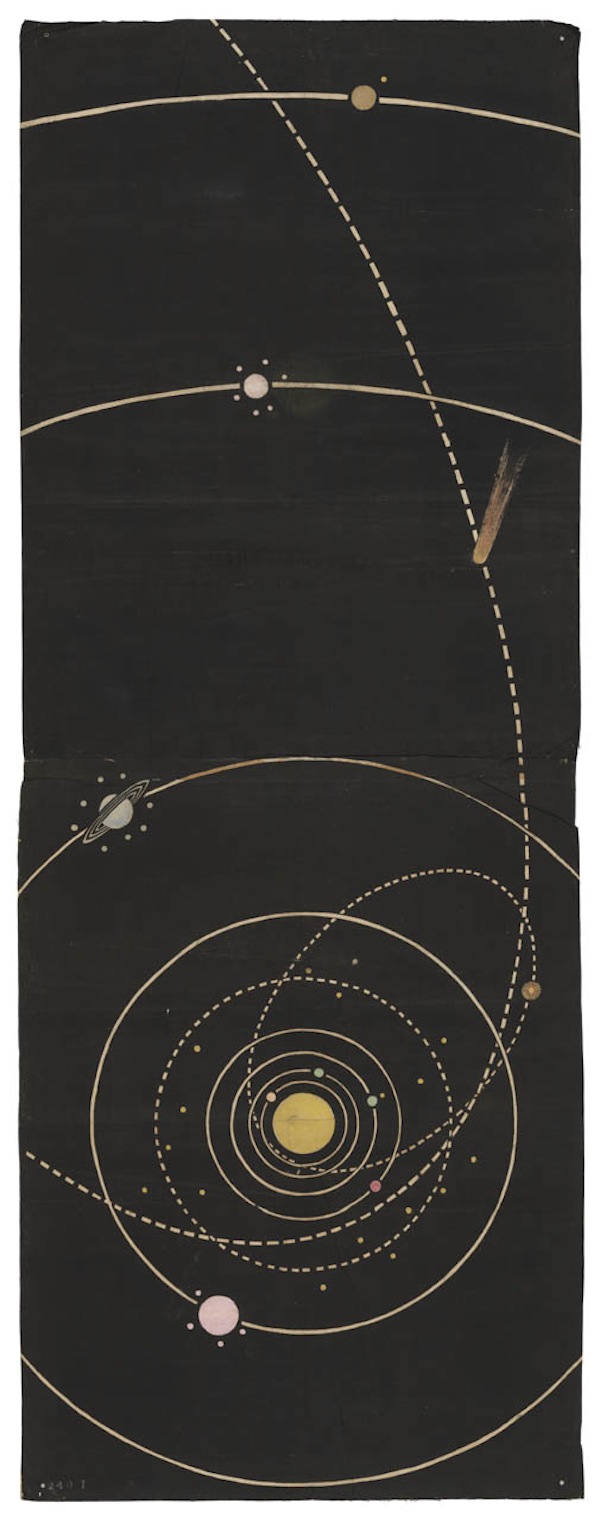







 popperfont.net