.

Category: *

Remember the Candy Hierarchy? It sure did make a lot of folks angry! Ben and I are working on the 2012 edition right now…

Here is the 2011 version (see original 2011 link for footnotes here).

Had a chance to read over 500 comments (from various places where the ranking was reposted, etc), and we’re working hard to change things accordingly (i.e. the power of peer review in action!) Stay tuned…

In which it might take a while for Global Warming Man to save the day…

By Cyanide and Happiness. Note that the site is NSFW.

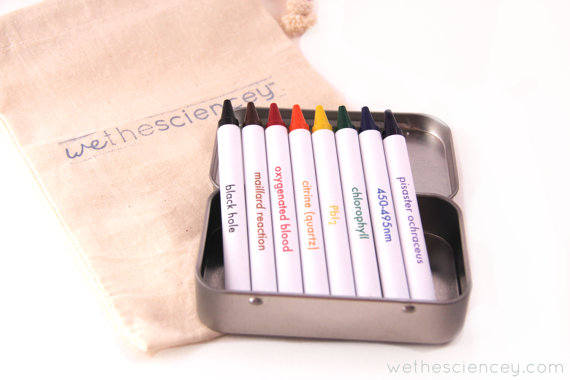
Introducing Science Crayons!

By wethesciencey.com, via Etsy.

In case you needed reminding: this is how you (and everyone for that matter) rolls

Via IFLS.

Did you hear about the guy who froze himself to absolute zero? He’s 0K now. #funny

This is so bad, that it’s good…

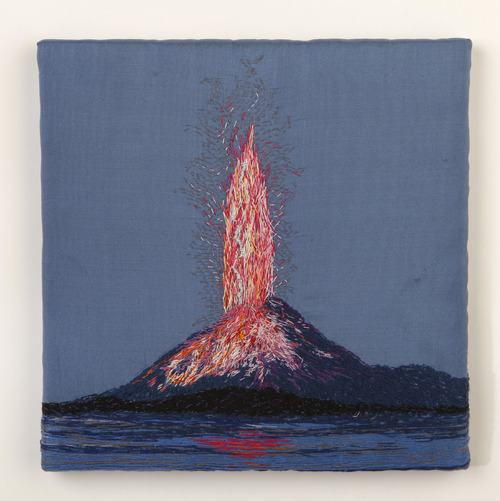
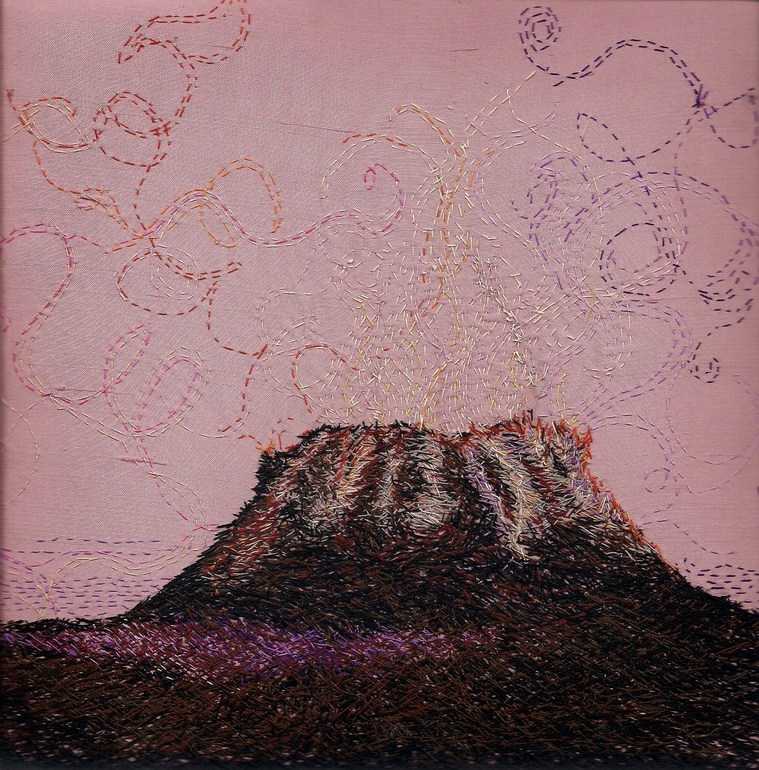
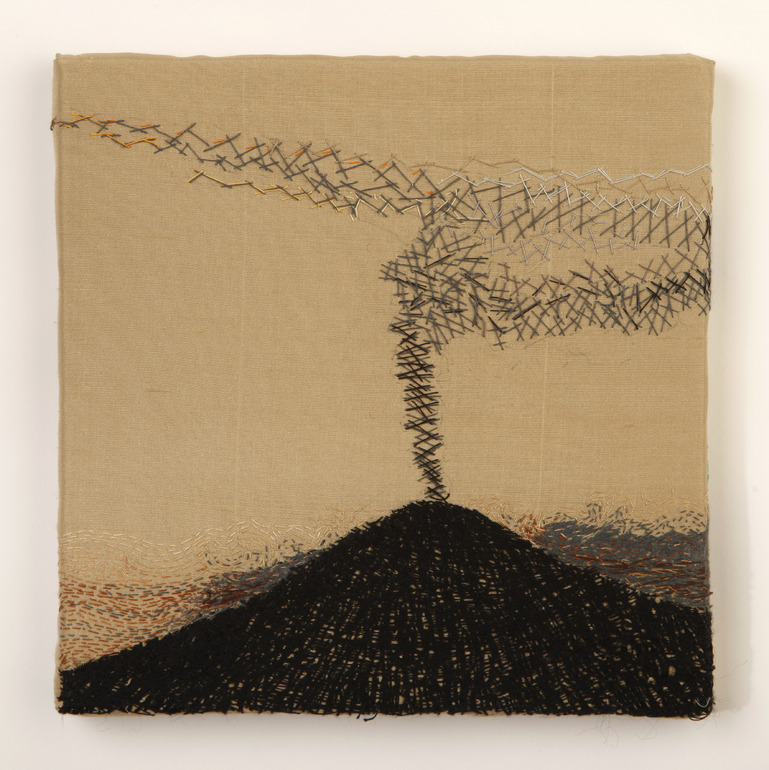
That’s right! It’s time for volcano patchwork stitching!

By Ankie Vytopil

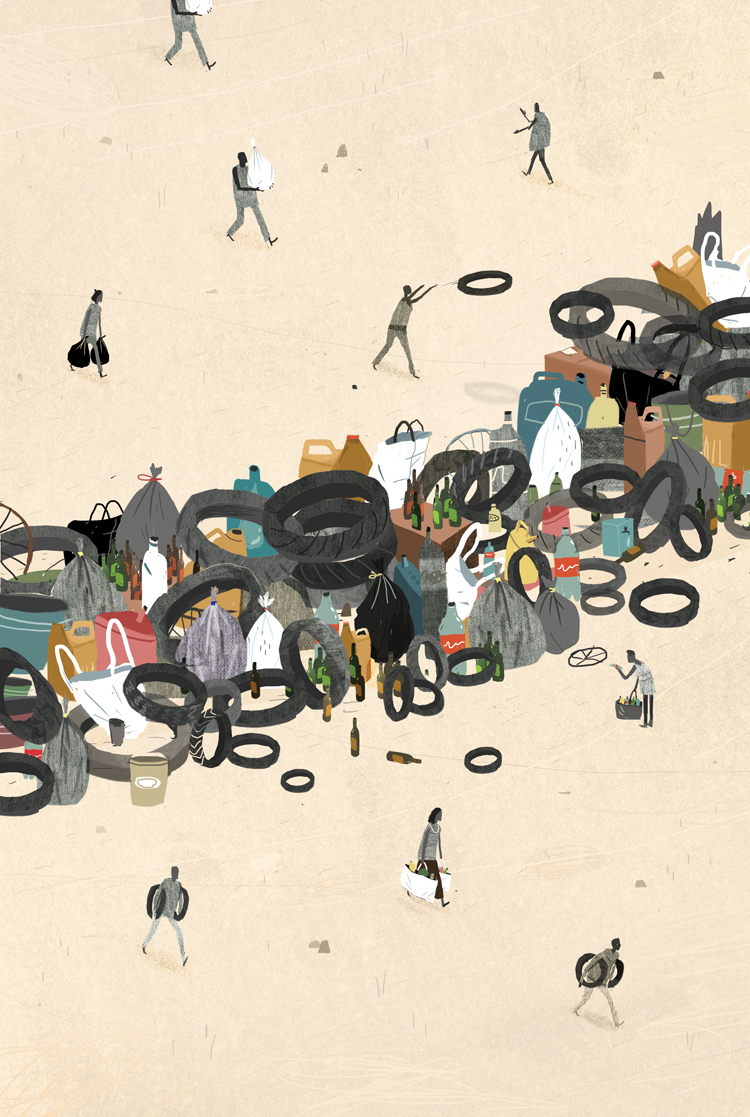
Trash and anti-trash. Lovely image by Dadu Shin

“I had a lot of fun doing this one. This article was about how some people in Kenya are reusing what some might consider trash (like old tires) to create everyday functional things…things that we take for granted here in the US. It’s quite an interesting read. Learn new things everyday in this business.”

By Dadu Shin.

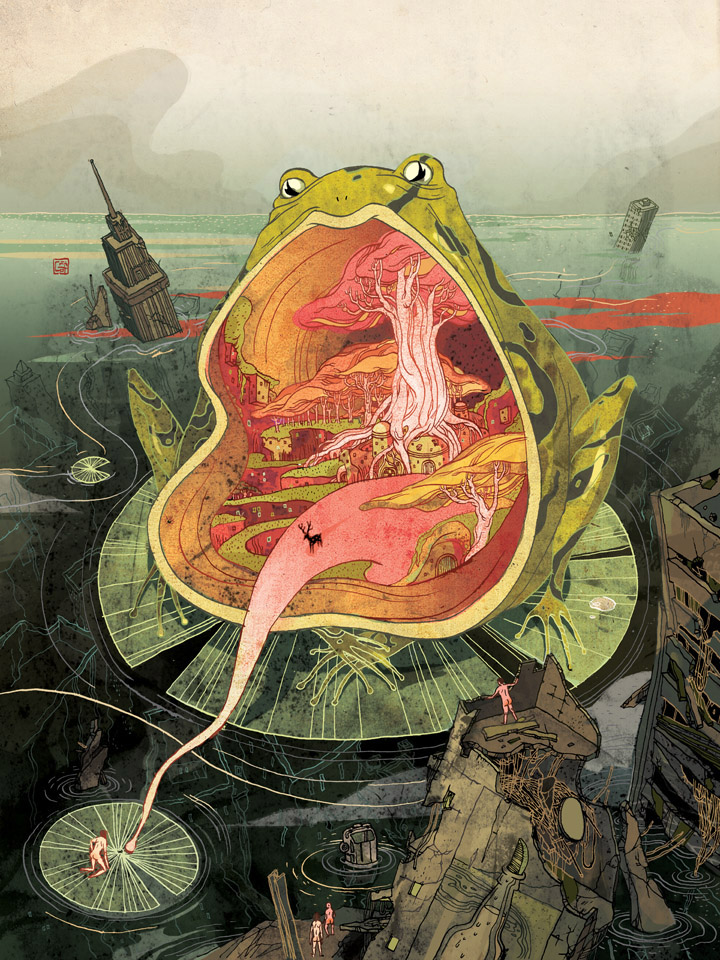
Beautiful illustrations by Victo Ngai #environment #cancer #wow

Man, the rest of Victo’s work is amazing. Definitely worth checking out.

Love this video and the fact that it’s full of stop motion invertebrate goodness.

Wax Tailor feat Aloe Blacc- Time To Go from Oh Yeah Wow on Vimeo.

By Oh Yeah Wow, via Colossal.

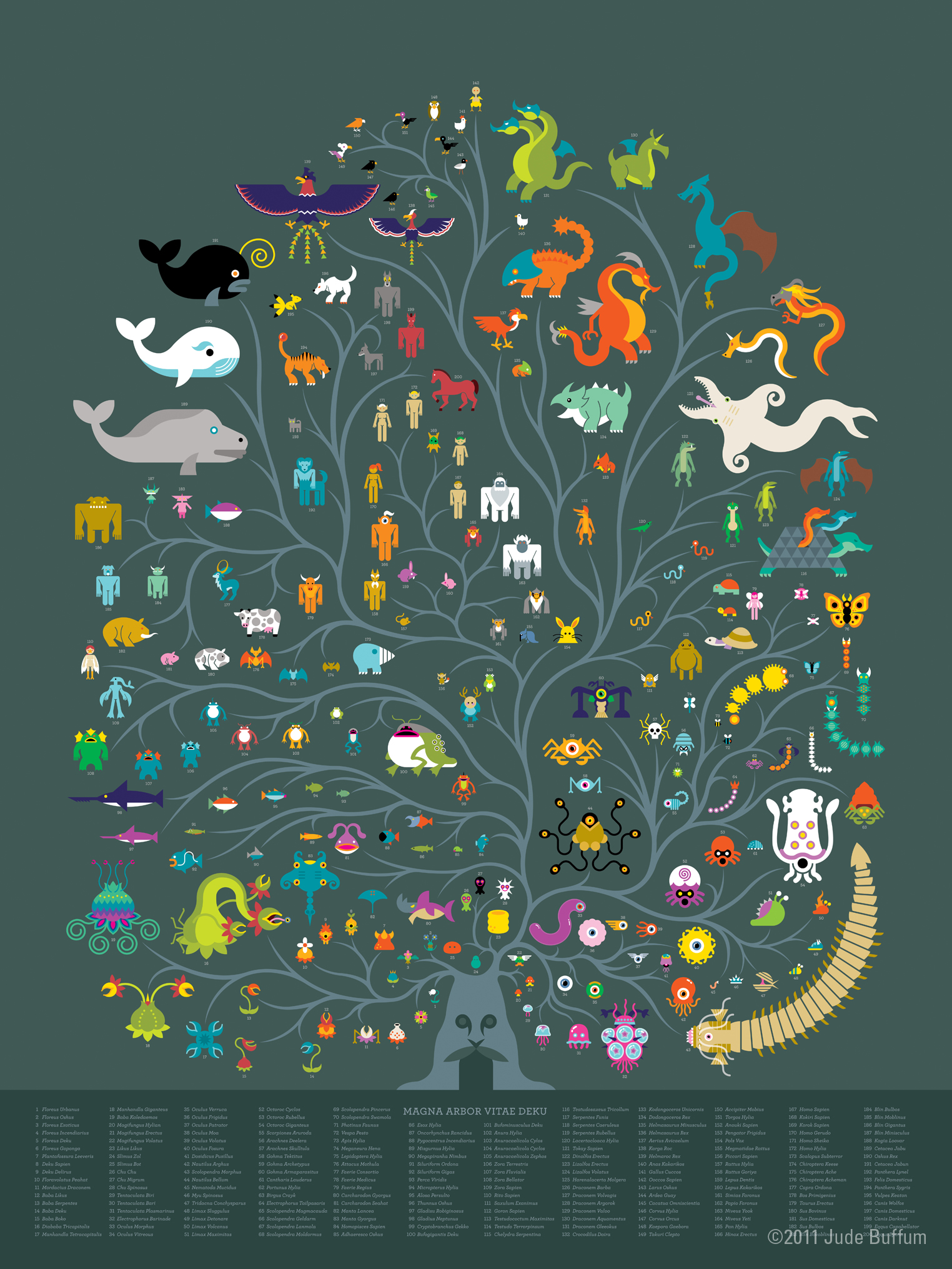
This phylo tree infographic of fantastical creatures is awesome.

Called “Magna Arbor Vitae Deku” and totally worth clicking to see it close up!

By Jude Buffum. Also available for sale.

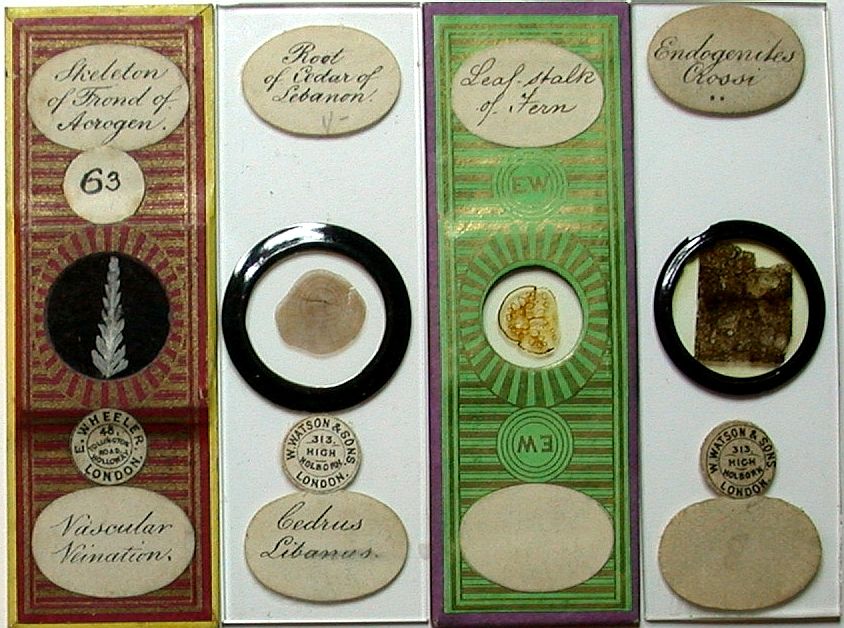
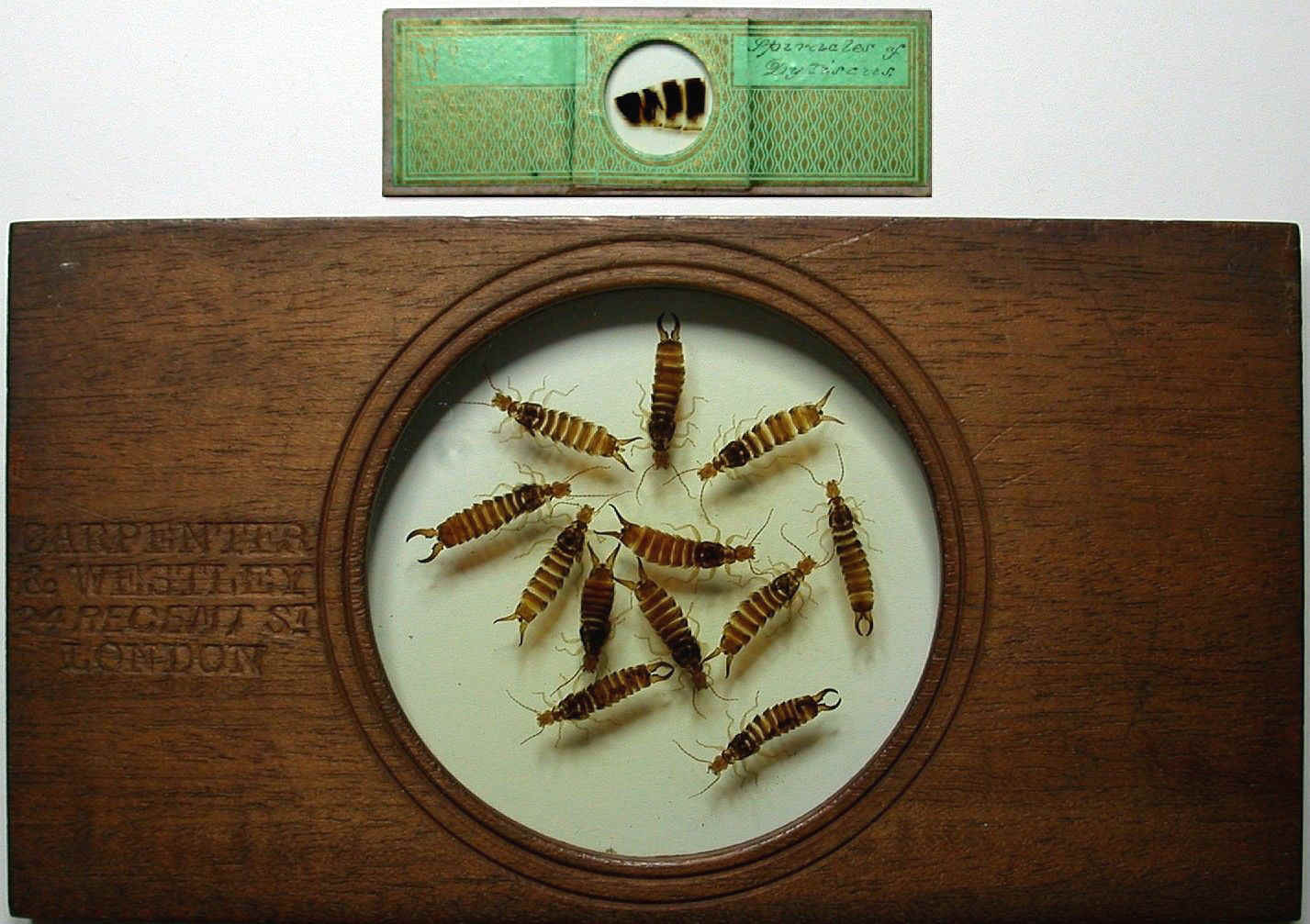
These Victorian microscope slides are both beautiful and amazing! #want

O.K., this site about Victoria microscope slides has to be one of the coolest things I’ve seen in a while. Lots to peruse, but why not just start with how beautiful the mounting looks.

Botanical specimens

“By the later 1800s, with the advent of an expanding middleclass and the burgeoning popular interest in the Natural Sciences, it was not unusual for households to have a well used microscope and a little “cabinet of curiosities”. Some, as well as purchasing commercially mounted examples, found pleasure in collecting specimens and making their own slides. Many people of the times could give the common and Latin names, and an account of the habits, for most of the plants, insects, and other living creatures both small and large in the vicinity of their town and countryside. Holiday excursions to the seashore became a popular pastime, being seen as wonderful opportunity for collecting unusual specimens for study. Public lectures, classes and demonstrations were held, and numerous societies and clubs of interested “amateur naturalists” met regularly. During the heyday of the Victorian period, the microscope and it’s attendant collection of mounted objects were not viewed as just a means to an education, or scientific tools for the laboratory, but as an interesting, wondrous, and delightful entertainment.”

Specimens that are grouped in a specific spatial (i.e. pretty) arrangements.

Insect specimens

Marine specimens

This is an example of a large mount (with Earwigs) slide.

Visit www.victorianmicroscopeslides/.

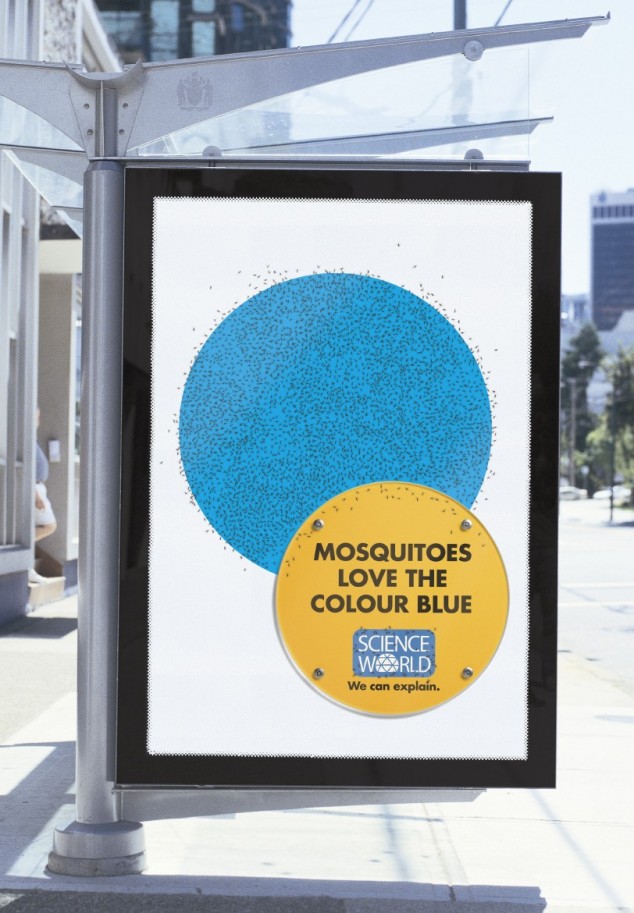
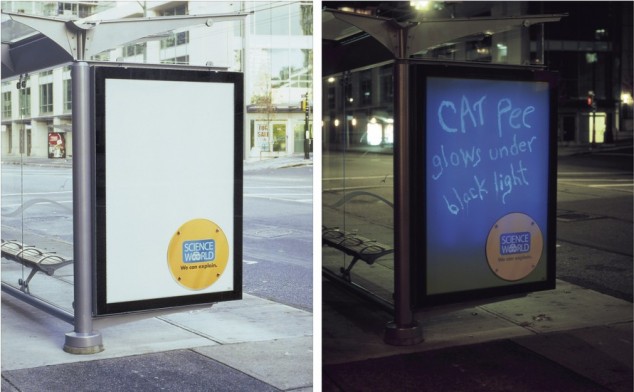
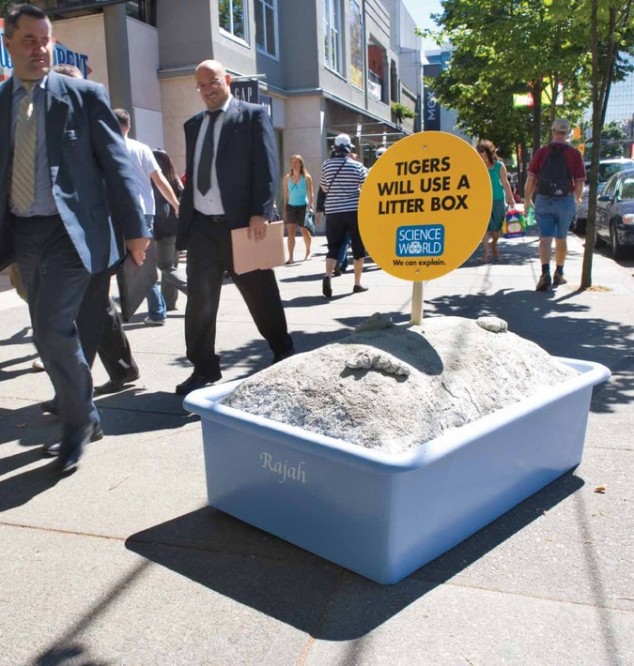
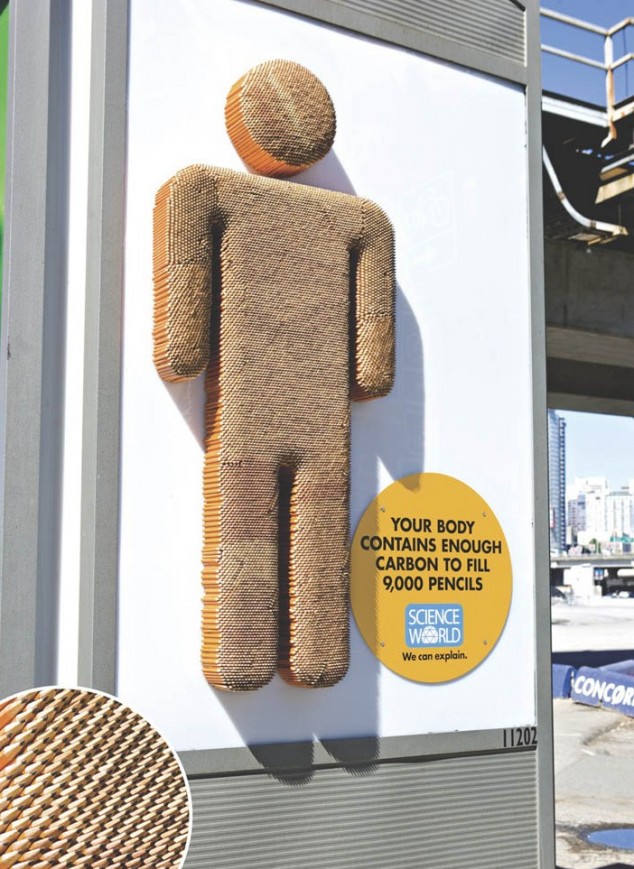
Vancouver’s Science World has a remarkably clever ad campaign out right now (via @experrinment)

By Science World, via 22 Words, via @experrinment

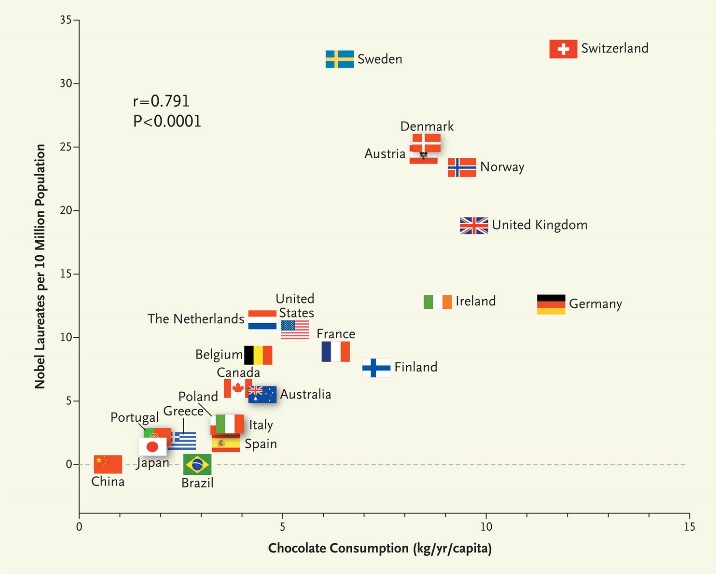
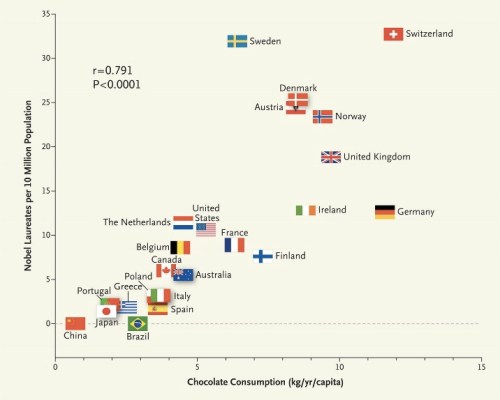
Graph: In which chocolate consumption strongly correlates with likelihood of getting a Nobel Prize.

Well… by way of the country the Nobel Laureate belongs to… (p.s. this is tongue in cheek, but good as a slide to talk about the old correlation versus causation issue)
Abstract:
“Dietary flavonoids, abundant in plant-based foods, have been shown to improve cognitive function. Specifically, a reduction in the risk of dementia, enhanced performance on some cognitive tests, and improved cognitive function in elderly patients with mild impairment have been associated with a regular intake of flavonoids. A subclass of flavonoids called flavanols, which are widely present in cocoa, green tea, red wine, and some fruits, seems to be effective in slowing down or even reversing the reductions in cognitive performance that occur with aging. Dietary flavanols have also been shown to improve endothelial function and to lower blood pressure by causing vasodilation in the peripheral vasculature and in the brain. Improved cognitive performance with the administration of a cocoa polyphenolic extract has even been reported in aged Wistar–Unilever rats.

Since chocolate consumption could hypothetically improve cognitive function not only in individuals but also in whole populations, I wondered whether there would be a correlation between a country’s level of chocolate consumption and its population’s cognitive function. To my knowledge, no data on overall national cognitive function are publicly available. Conceivably, however, the total number of Nobel laureates per capita could serve as a surrogate end point reflecting the proportion with superior cognitive function and thereby give us some measure of the overall cognitive function of a given country.”

By Franz H. Messerli, M.D. from Chocolate Consumption, Cognitive Function, and Nobel Laureates (October 10, 2012DOI: 10.1056/NEJMon1211064), via New England Journal of Medicine.

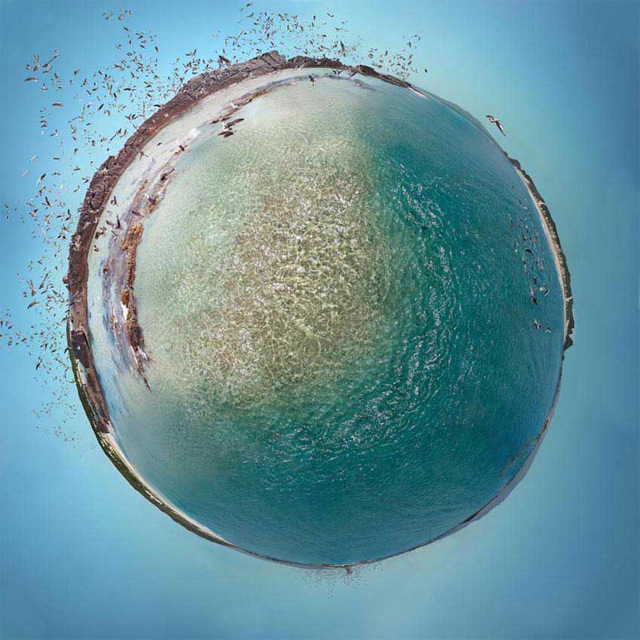
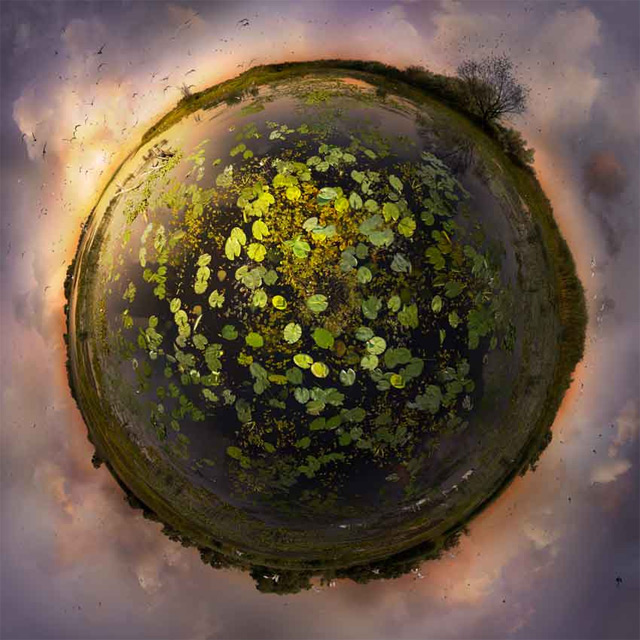
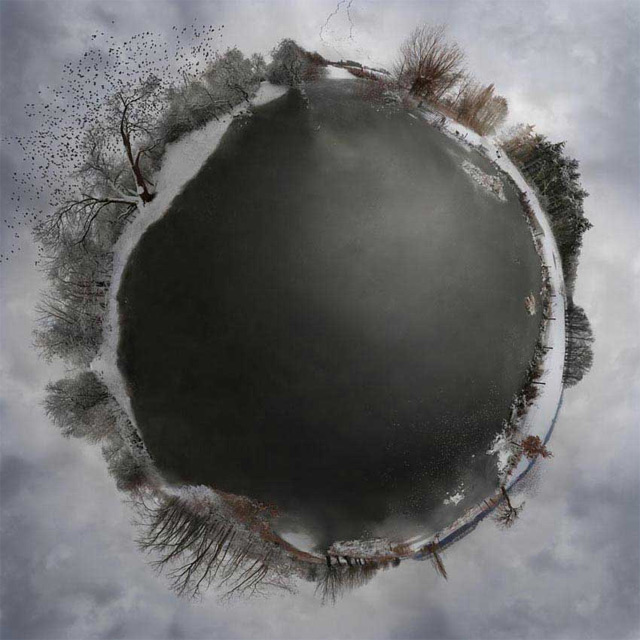
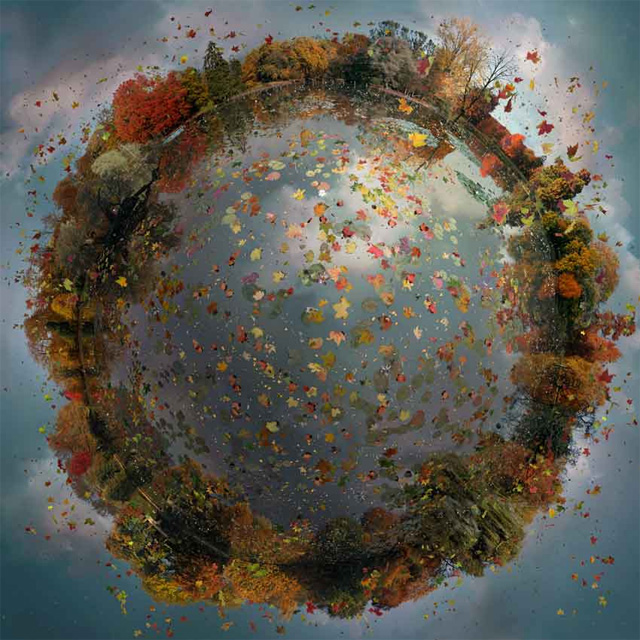
Beautiful miniature worlds by Catherine Nelson #amazing

By Catherine Nelson, via Colossal.

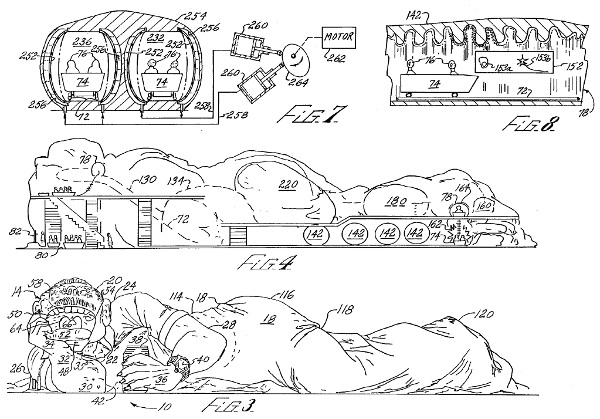
This would be SO awesome: An amusement park ride masquerading as an anatomy lesson

An educational amusement apparatus forms a large building structure having an external appearance simulating a man and a woman resting partially under a blanket, wherein riders are taken through a succession of cavities that simulate internal organs of the man and woman. Entrance to a head chamber simulating an oral cavity is achieved by a stairway supported by a simulated arm of the man, the oral cavity having displays of teeth in normal and abnormal conditions, and serving as a staging area for a train to carry the riders. The train passes into a simulated cranial cavity of the woman, past a sectional display of simulated ear organs, and into a body portion of the building that is representative of the abdomen of both the man and the woman, first through a simulated esophagus, stomach, and intestine of an alimentary canal, through simulated urinary and reproductive tracts, then through a simulated liver and a simulated cardiovascular canal, and finally through a simulated lung and windpipe to an exit staging area of the building.

Proposed by Shao-Chun Chu in 1988. See here for patent documents (via Futility Closet)

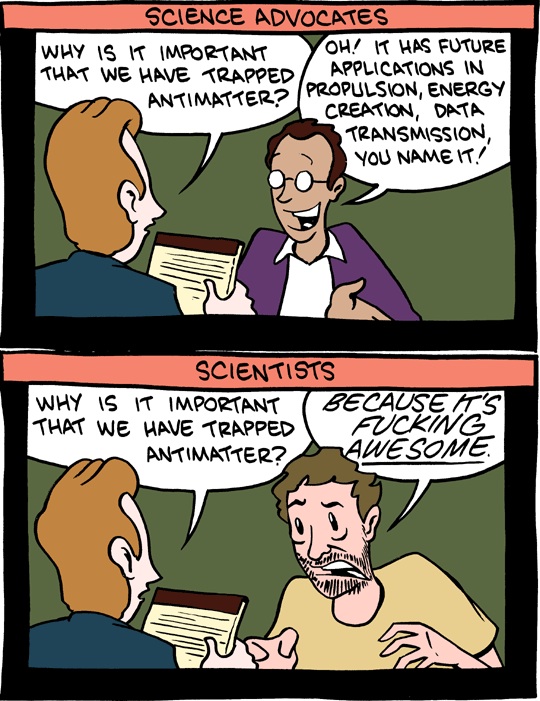
Science Advocate versus Scientist (and I suspect most Science Communicators too)

From Saturday Morning Breakfast Cereal.

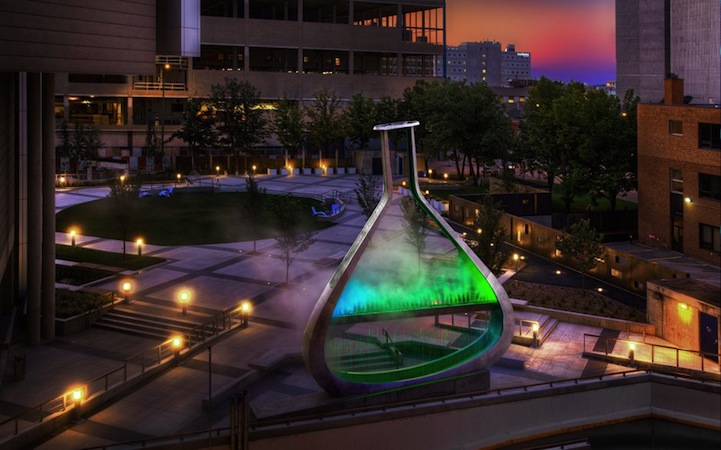
Giant Erlenmeyer Flask Inspires Giant Artwork.

Vancouver-based artist Bill Pechet of Pechet Studio has teamed up with lighting co-designer Chris Pekar of Lightworks and Montreal-based LED lighting manufacturer Lumenpulse to create one remarkable public art installation called Emptyful. The towering structure, which mimics a mammoth sized laboratory flask, stands 35-feet tall and 31-feet wide, weighing in at approximately 48,500 lbs. Located at Winnipeg’s Millennium Library Plaza, Pechet’s sculpture serves as a real crowd pleaser, grabbing the attention of visitors and casual pedestrians alike.

See Bill Pechet’s website and Lumenpulse’s website for more.

Hello again, Halley’s Comet… #strangelymoving

Via Reddit (original source unknown)

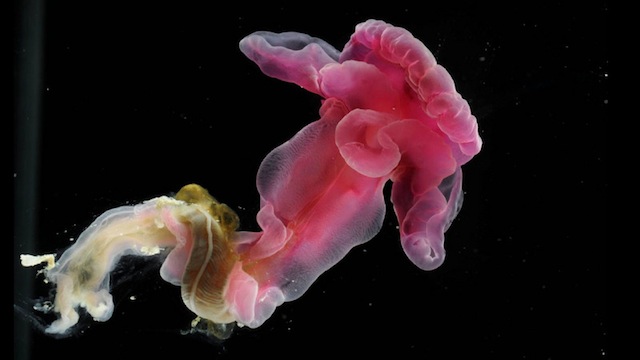
New species: Yoda purpurata (or literally “Purple Thing That Looks Like Yoda”)

From Observations on torquaratorid acorn worms (Hemichordata, Enteropneusta) from the North Atlantic with descriptions of a new genus and three new species, via the Guardian.

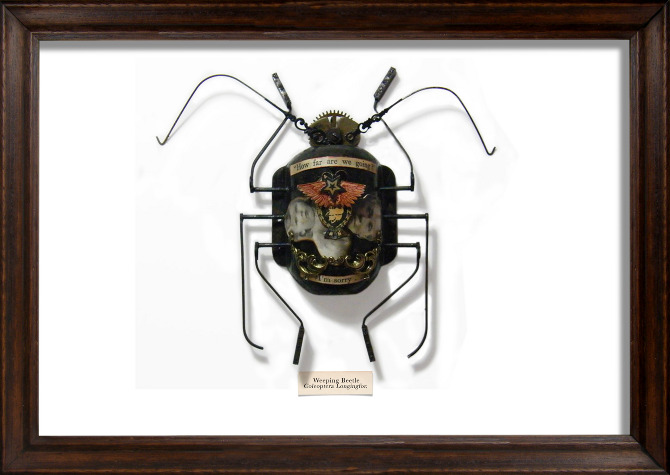
Beautiful Recycled Insects.

Literally…

By Mark Oliver, via My Modern Met.