I was listening to the radio as we were coming to the lab this morning, and one of the things that caught my ear was a quick mention of collective nouns. Now these are instances where there is a special and specific term that is coined for a group of things. Wiki describes it as follows:
In linguistics, a collective noun is a word used to define a group of objects, where “objects” can be people, animals, emotions, inanimate things, concepts, or other things. For example, in the phrase “a pride of lions,” pride is a collective noun.
Then it kind of struck me that this sort of thing is most commonly seen when referring to things related to biodiversity, and I guess I got curious as to why that was.
I mean, who came up with phrases like “a parliament of owls” or a “knot of toads” (which, by the way, I think are perfect)? And maybe just as fun, if you were a zoologist or a botanist, and you happen to discover something totally new and novel in the kingdom of life, do you get to embellish the English language further by making up your own collective nouns?
Anyway, wiki sheds a little light on the matter by highlighting a reference that looks like it could be interesting:
Hodgkin, John. Proper Terms: An attempt at a rational explanation of the meanings of the Collection of Phrases in “The Book of St Albans,” 1486, entitled “The Compaynys of beestys and fowlys” and similar lists., Transactions of the Philological Society 1907-1910 Part III, pp 1 – 187, Kegan, Paul, Trench & Trübner & Co, Ltd, London, 1909.
And whilst on the hunt for this paper on the internet, I came across this great piece of academic writing.
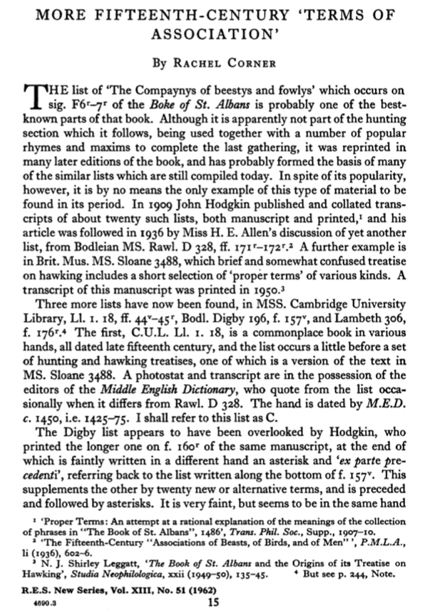
Bonus is that you can download the whole thing from here (if your university has an institutional subscription), which is where things get really interesting.
Basically, the paper outlines a variety of texts over the years where lists of collective nouns were provided. Furthermore, historically it seems as if most of these terms (which are often referred to as “terms of venery“) come from a hunting, British, or French and aristocratic background.
What’s wonderful about the paper is that, although 15 pages long: only 2 and half is the primary text, another 2 and a half is a list of these terms of the venery, and then the remaining 10 or so pages are detailed footnotes with particular information on specific collective nouns.
Here’s a few great samplers:


It’s all rather pretty really, and I wonder what would it take for newish “terms of the venery” to come about. I mean there could be countless cool ones for the various prokaryotes.
Sooner or later, something needs to take hold of an “awesome of…” title.


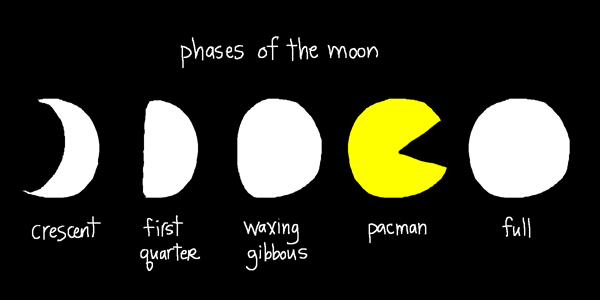

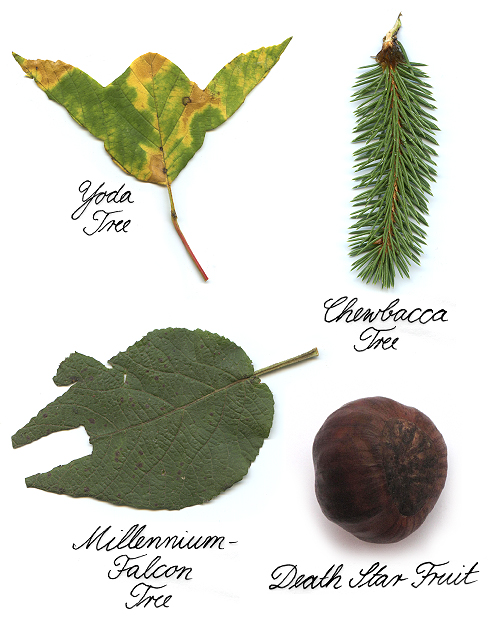
 popperfont.net