
.
Tag: space
October 7, 2013
European Space Agency can serve your imagery fix whilst NASA is down. #planetearthispretty
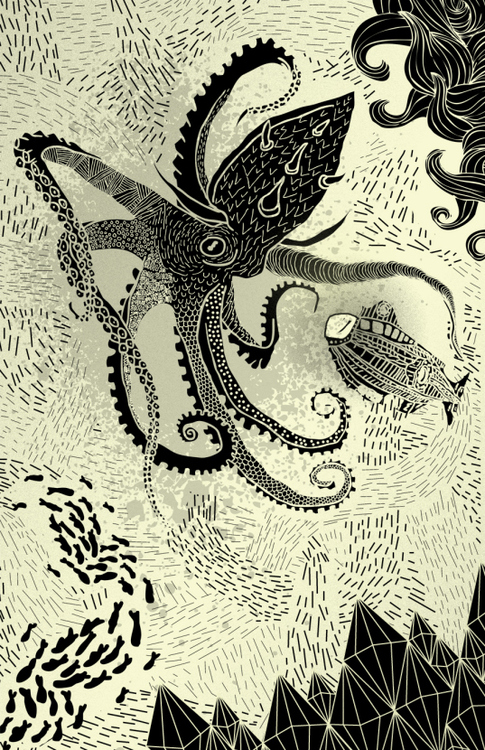
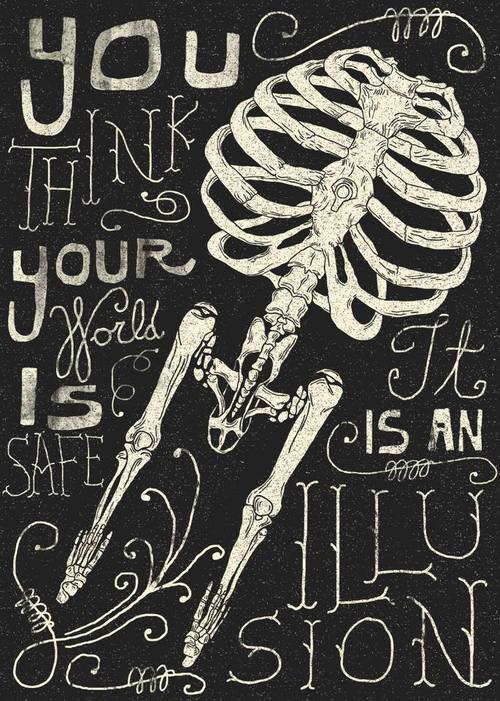
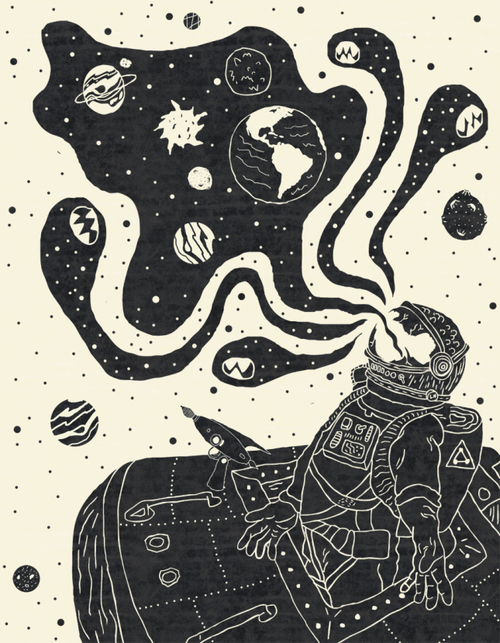
Colossal (and Devid Sketchbook) provides this awesome option.
Luckily there’s still at least one space agency still publishing photos of space (and space from Earth), the European Space Agency. The ESA has an incredible Observing the Earth archive that’s updated every week and each satelitte image is usually accompanied by a brief essay to explain a bit about what you’re looking at.
Now for the whoa part:
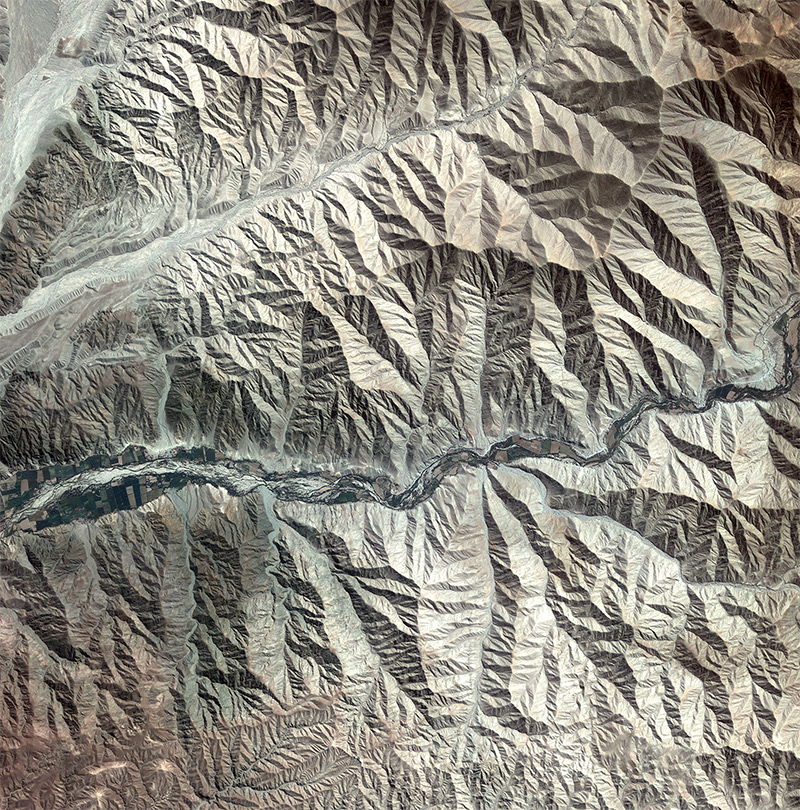
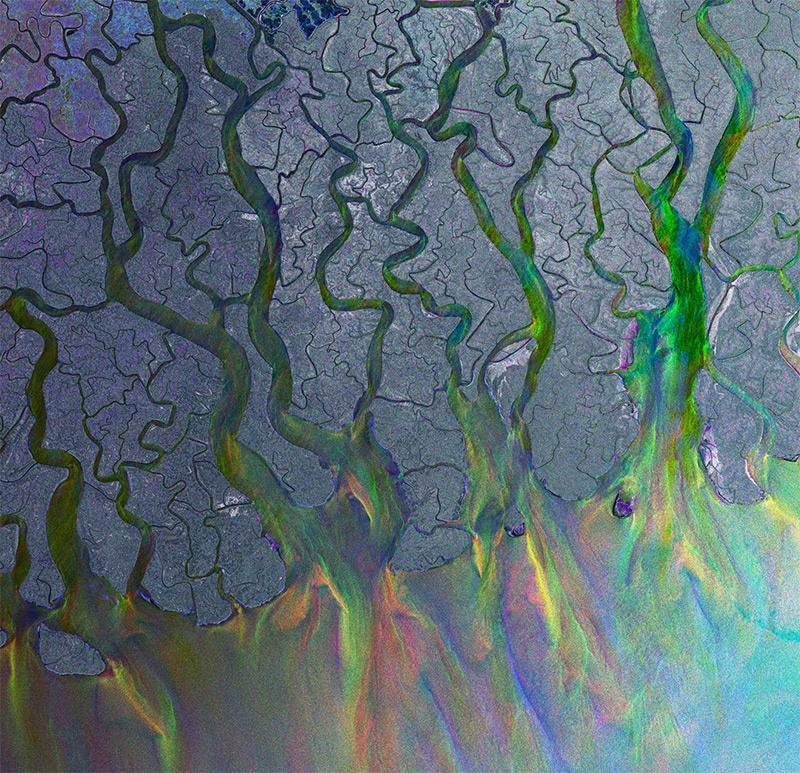
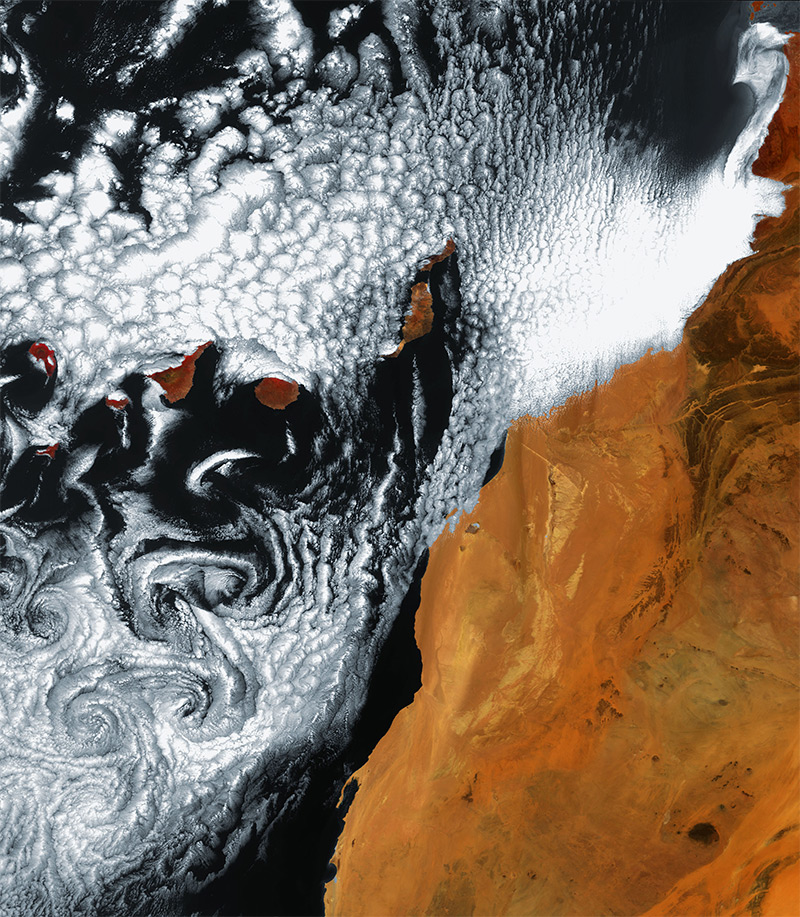
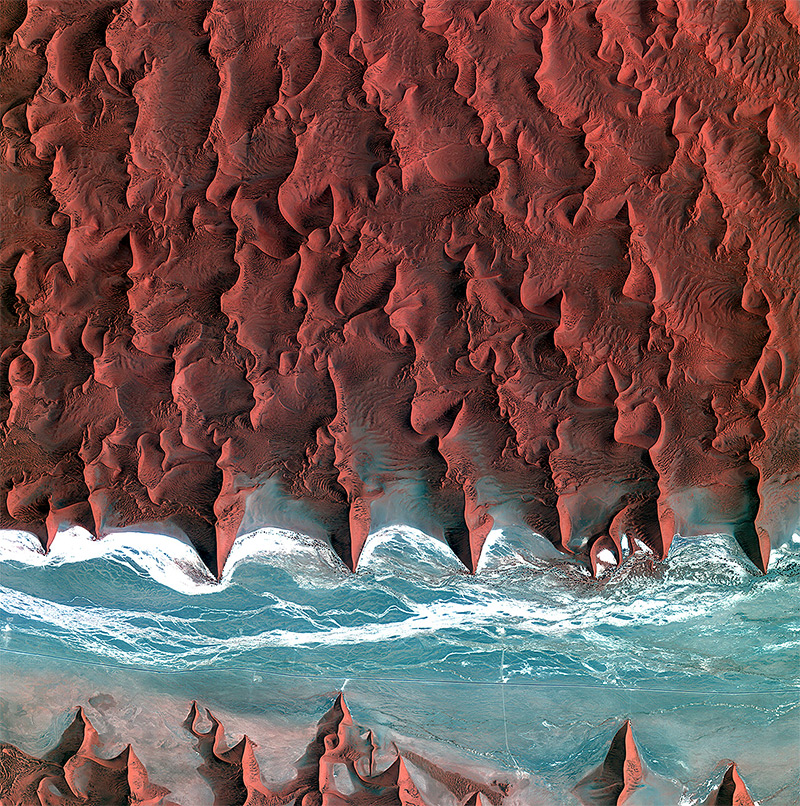
Via Colossal (and Devid Sketchbook)
September 16, 2013
The Earth as if you were watching on the ISS. Timelapsed, gorgeous, inspiring, and obvious that our planet looks very delicate indeed.
So, this past weekend, I watched this video. A few seconds in, I stopped it, turned off the lights, plunked on a pair of headphones, and then expanded the view to full HD mode. Then, under these conditions, I watched it fully.
It’s hard to explain but I found this video very moving. Moving for all sorts of reasons, I suppose. It was beautiful, the Earth was beautiful, but it was also an inspiring glimpse of much needed perspective. The Earth looked so small, especially when backdropped against the cosmos, and for reasons I can’t fully explain, the Earth also seemed so delicate – like it was obvious why we need to take good care of it.
Chalk it up to just another example of an interdisciplinary crossroad. Here we have footage that had a perfunctory scientific and technological basis, and yet some of the “data,” the “observations,” the footage that was collected, when translated by a skilled practitioner, clearly had a power beyond those acts of hypothesis generation and hypothesis support.
This is an interesting dynamic – how beautiful pictures, beautiful sounds, or beautiful words can inform the scientific endeavour, although it’s a dynamic that doesn’t appear to have a lot of research behind it. So maybe it’s worth taking a closer look? Or maybe not? After all, does looking too deeply, working out measurements or concocting algorithms to explain why I feel the way I feel when I watch this video, would this result in a loss of that wonderful perspective, or would it allow us to do it even better?
Video by Bruce W. Berry Jr. Image Courtesy of the Image Science & Analysis Laboratory, NASA Johnson Space Center, The Gateway to Astronaut Photography of Earth. HT to @kejames.
September 13, 2013
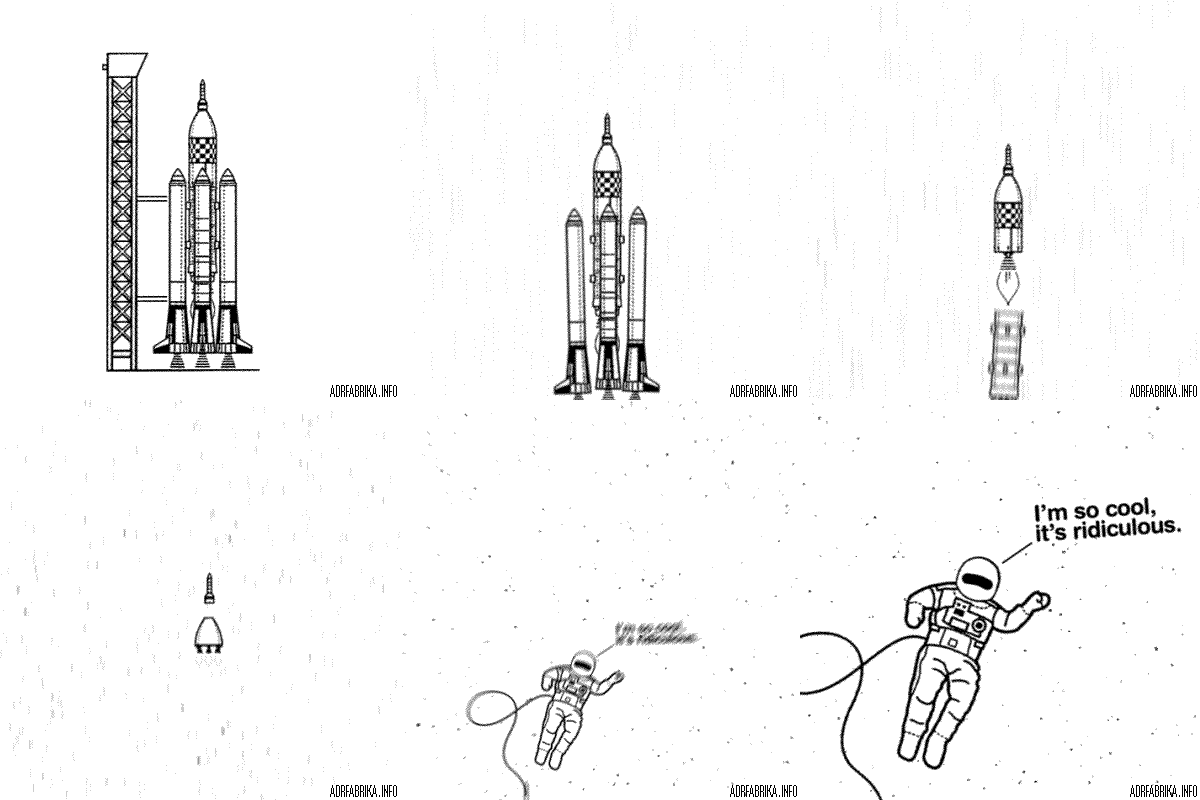
That’s one small rocket launch for man, one giant leap for frogkind…
This. Is. Epic.
And all over the internet, but now also archived here at Popperfont if you ever need a graphic on (amphibians, natural selection, biodiversity, thrust calculations, insert keyword here).

From NASA/Universe Today, via Atlantic.
April 21, 2013
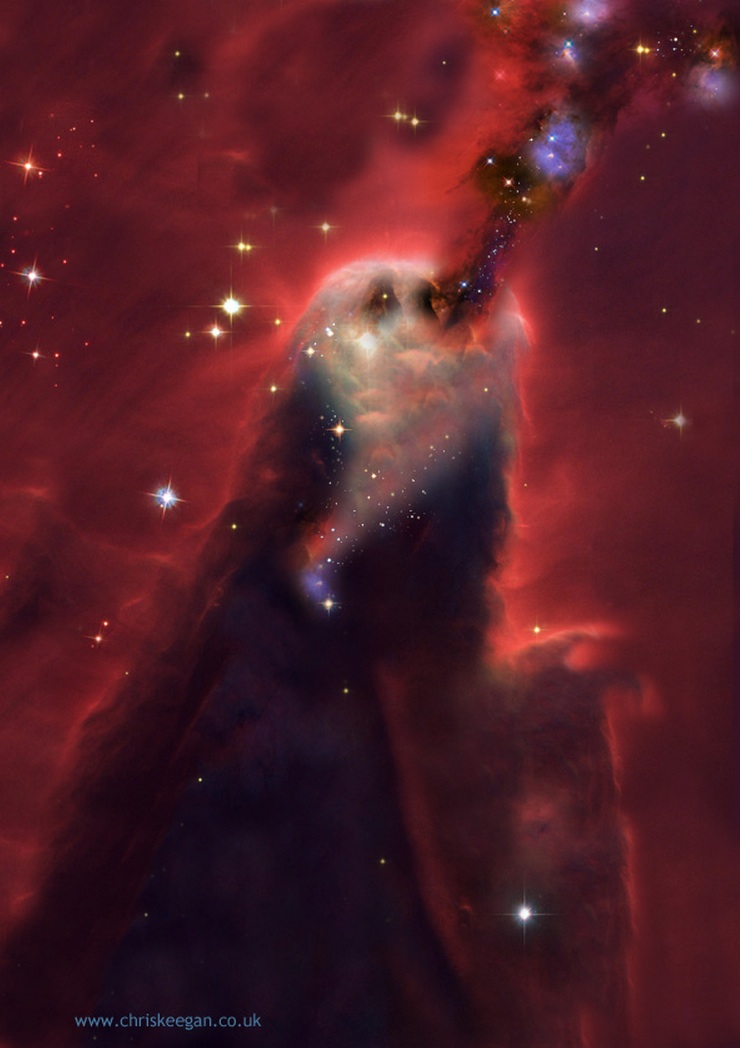
I think we can all agree that nebulae are just pretty
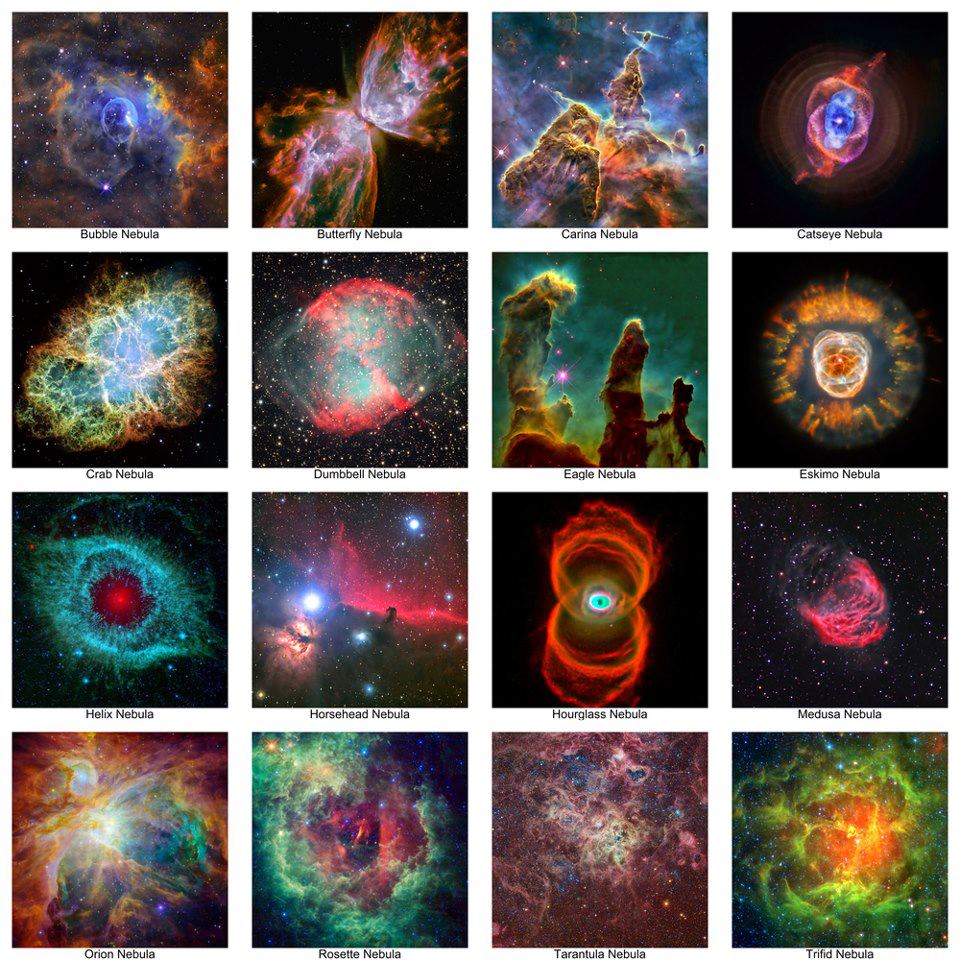
That is: “A nebula (from Latin: “cloud”; pl. nebulae or nebulæ, with ligature or nebulas) is an interstellar cloud of dust, hydrogen, helium and other ionized gases.” (from Wikipedia)
Images compiled by Antony McAulay, via ScienceAlert
If you have some time to kill, you can even read up on a few of them…
Eagle Nebula, Carina Nebula, Cat’s Eye Nebula, Horsehead Nebula, Crab Nebula, Butterfly Nebula (NGC 6302), Eskimo Nebula, Bubble Nebula (NGC 7635), Cat’s Eye Nebula, Dumbbell Nebula, Helix Nebula, Hourglass Nebula, Medusa Nebula, Orion Nebula, Rosette Nebula, Tarantula Nebula, Trifid Nebula


April 4, 2013
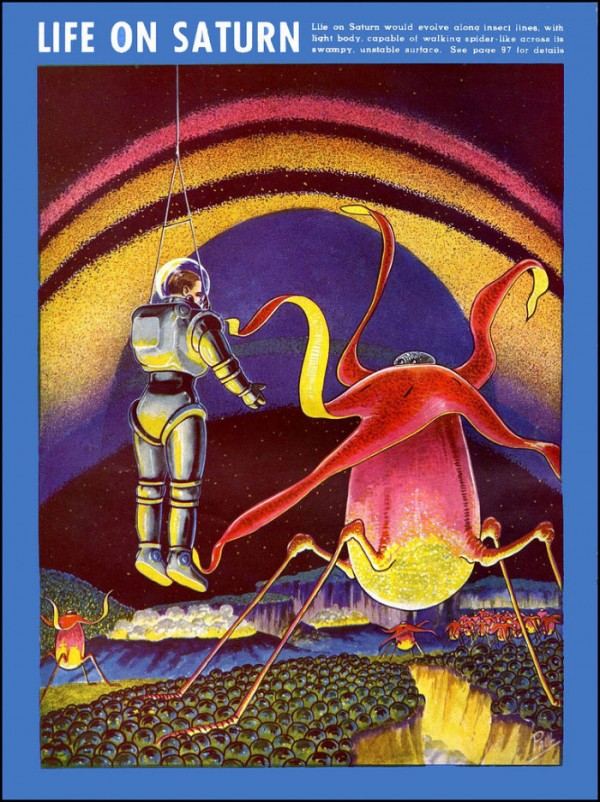
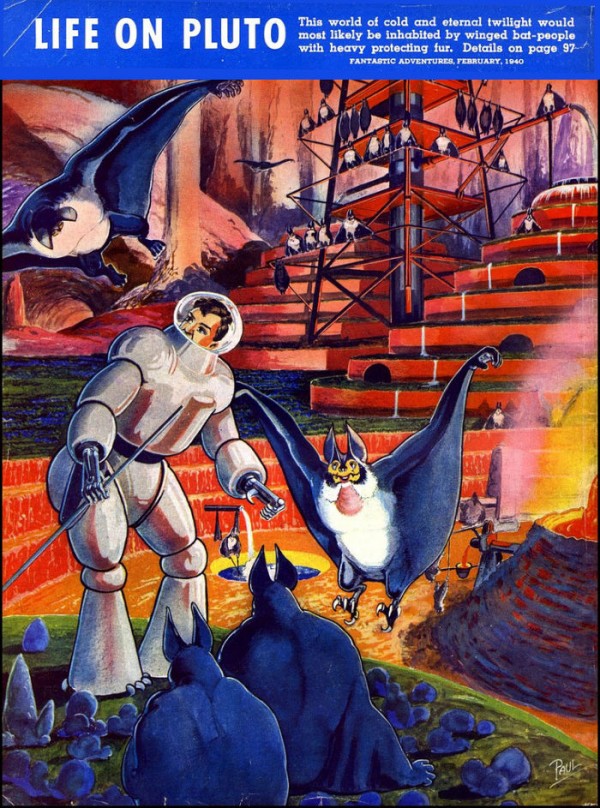
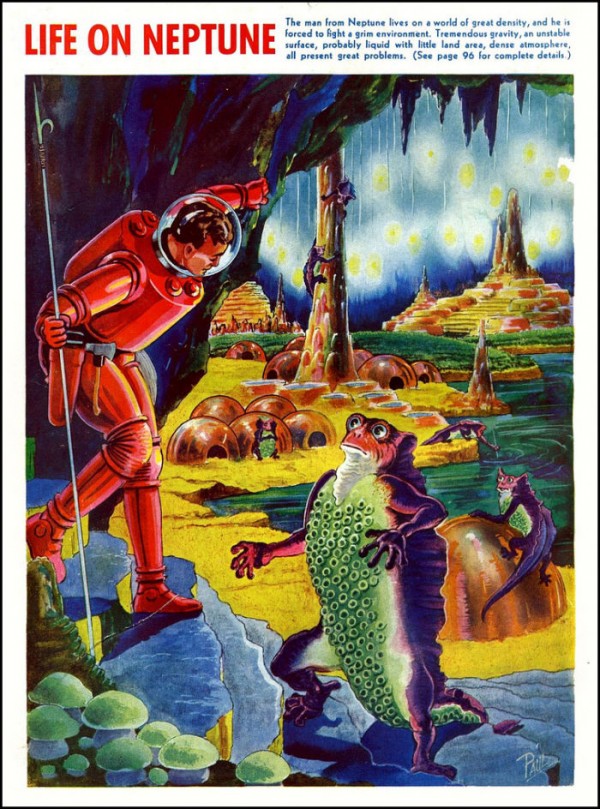
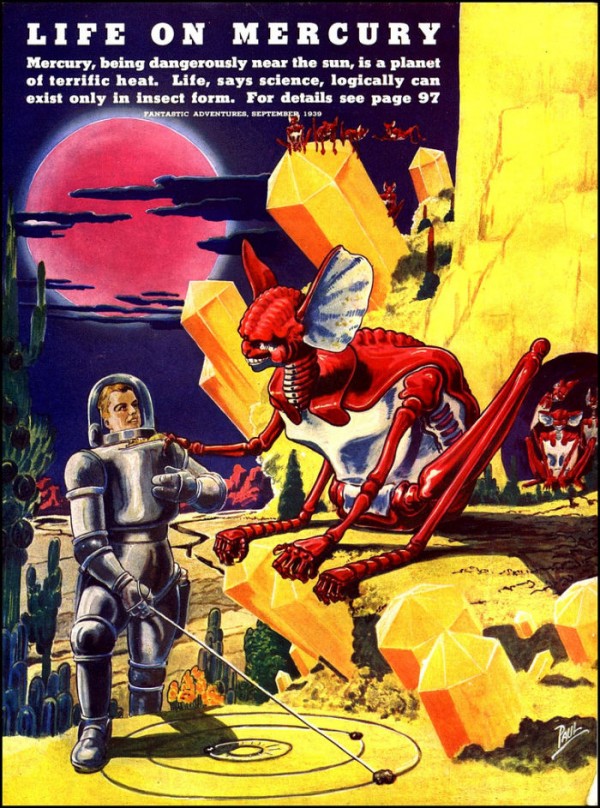
What if the moon was one of the other planets in the solar system? What would it look like?
Pretty freaking cool actually…
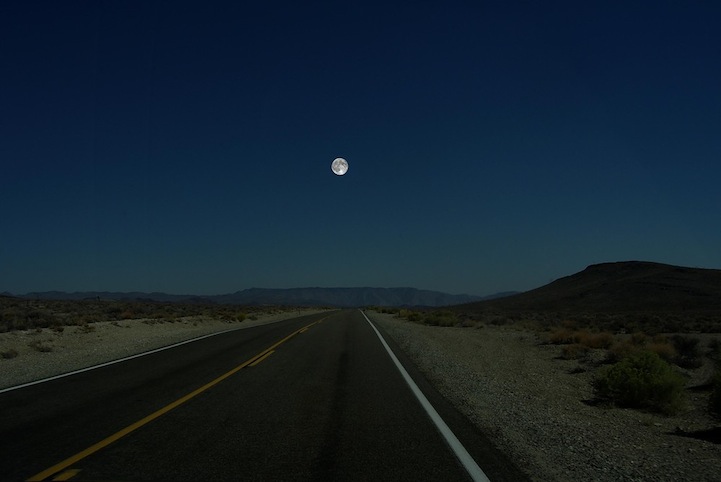
The moon
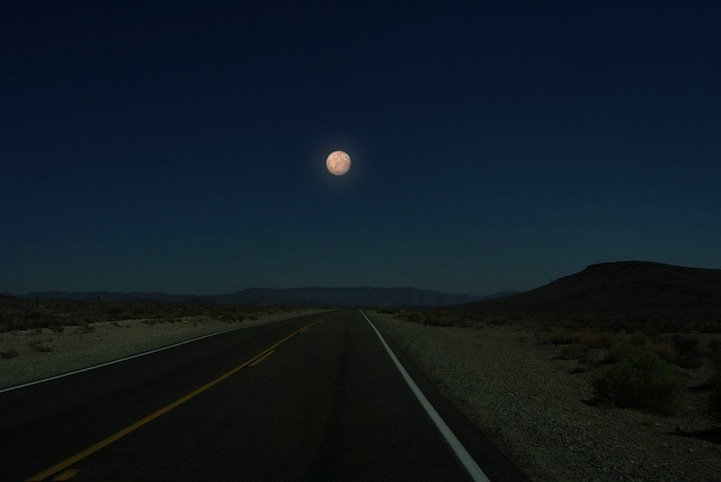
Mercury
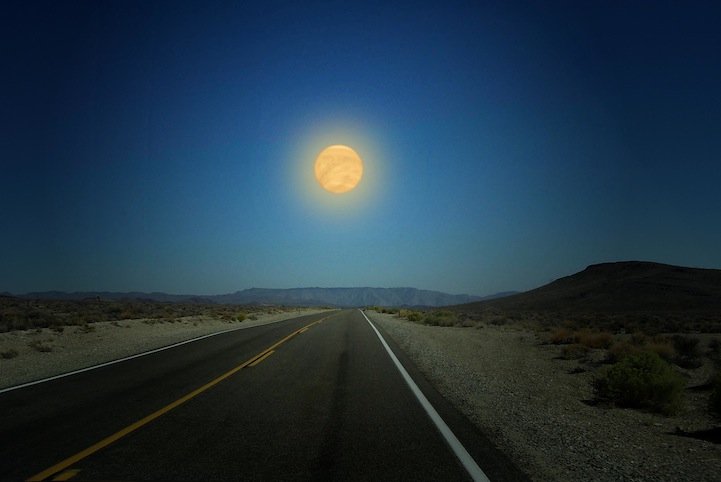
Venus
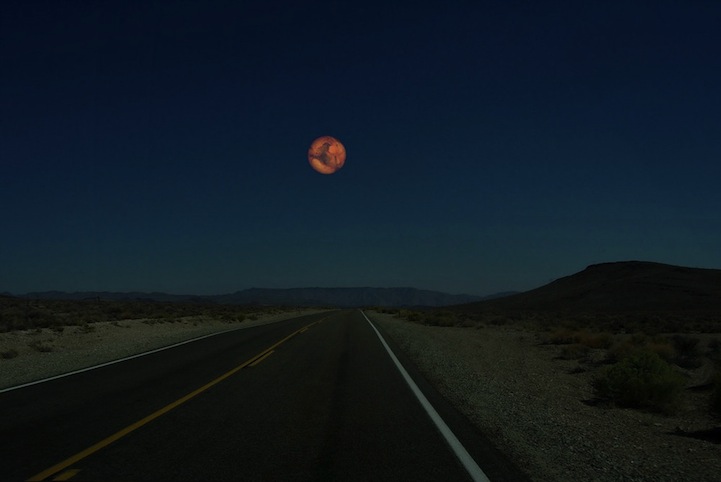
Mars
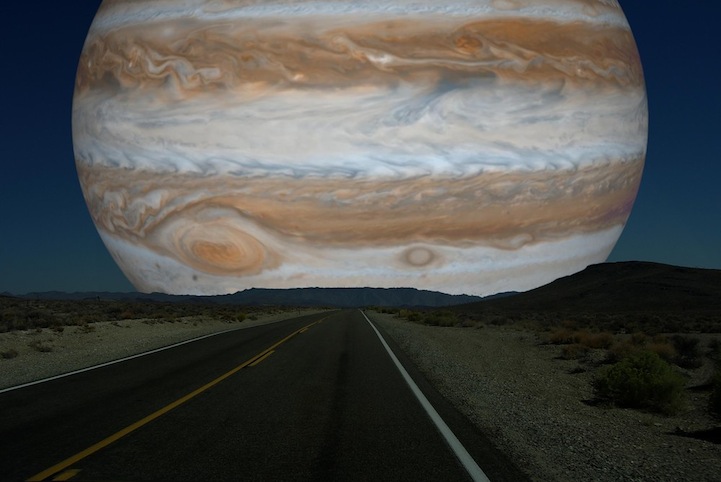
Jupiter
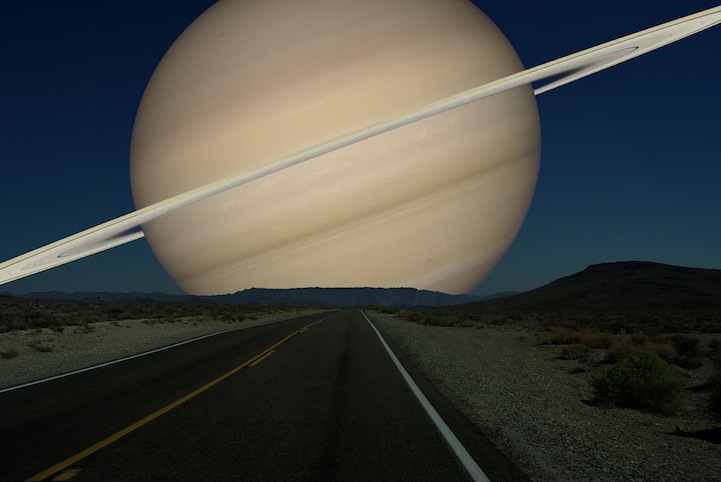
Saturn
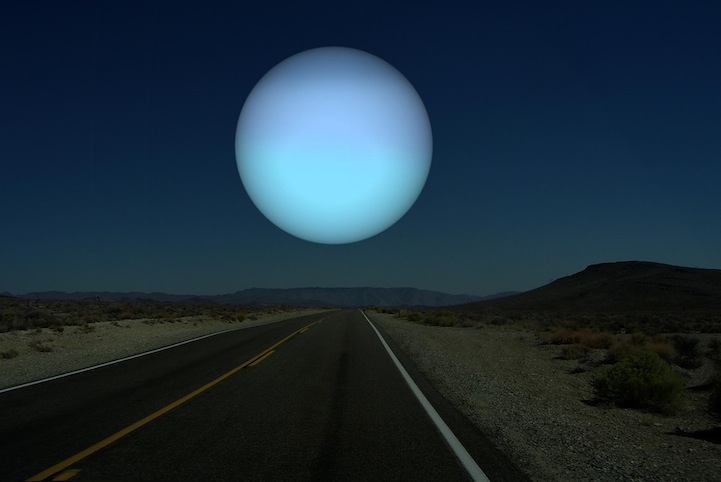
Uranus
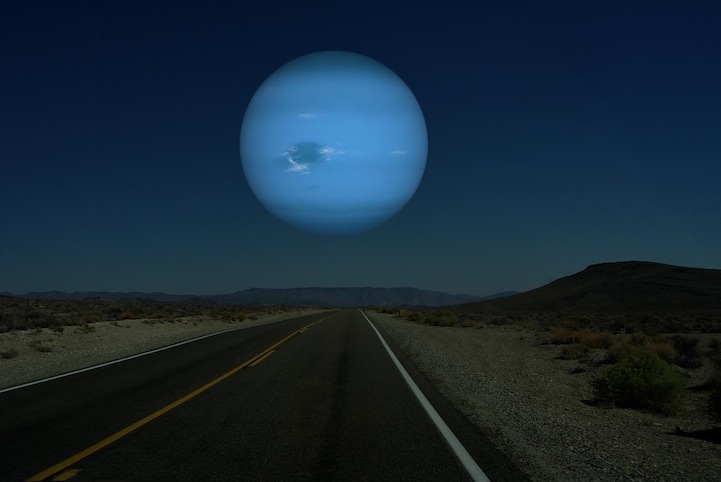
Neptune
By Ron Miller, via My Modern Met.
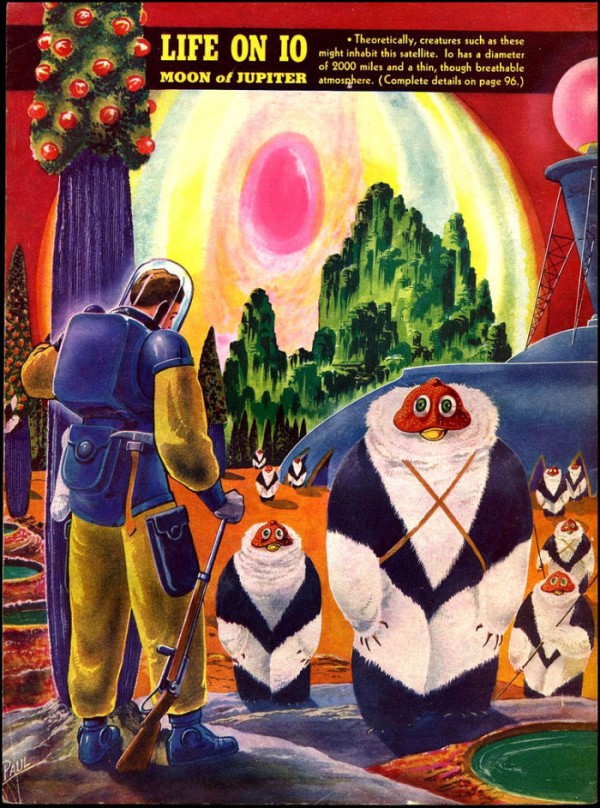
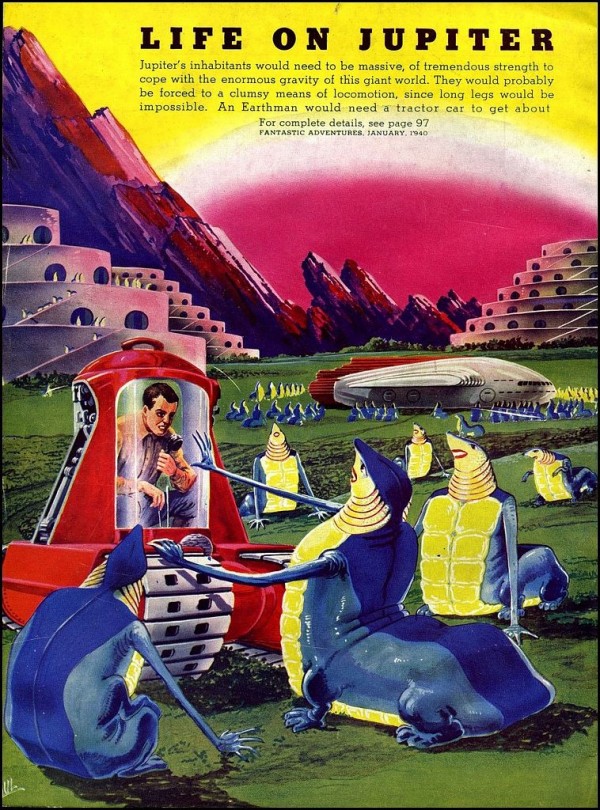
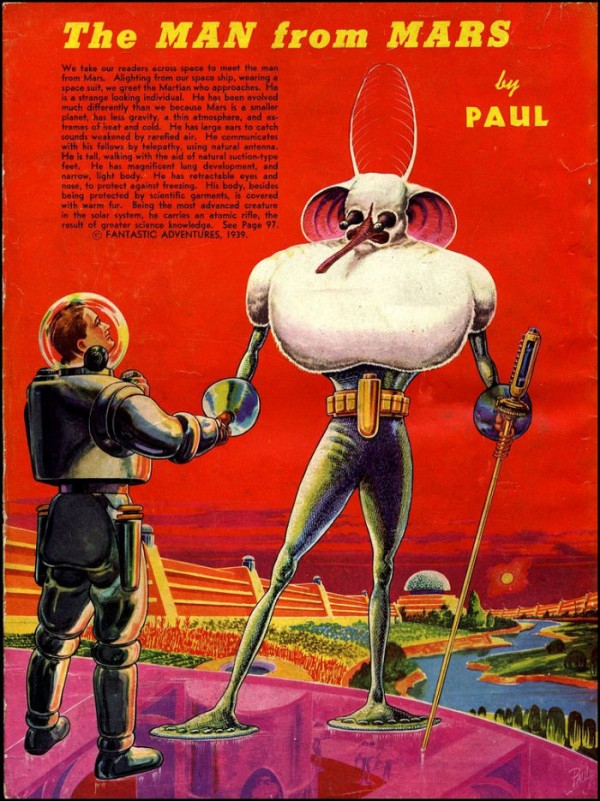

March 13, 2013
Asteroids are nature’s way of asking: How’s that space program coming along?
Phew! That was close…
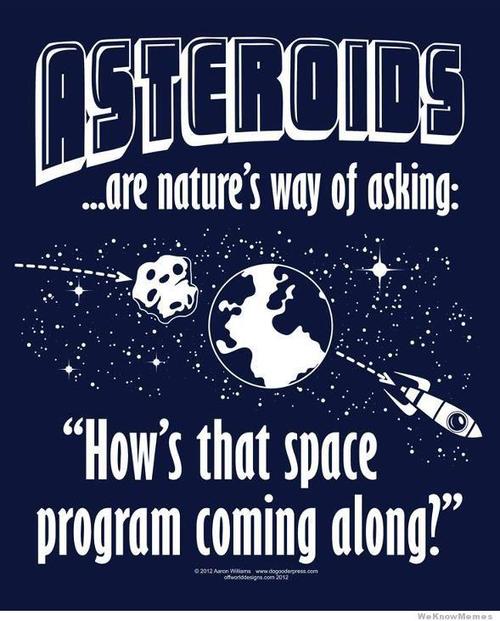
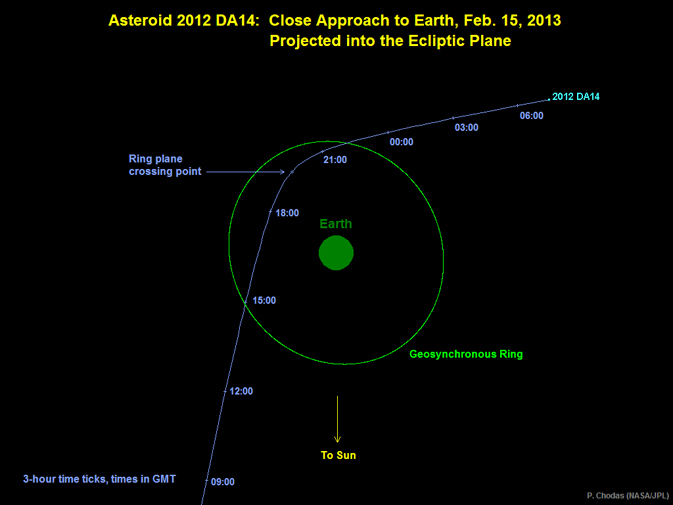
Top graphic source unknown (but via Fresh Photons). Bottom graphic via NASA (great link explaining the recent flyby).
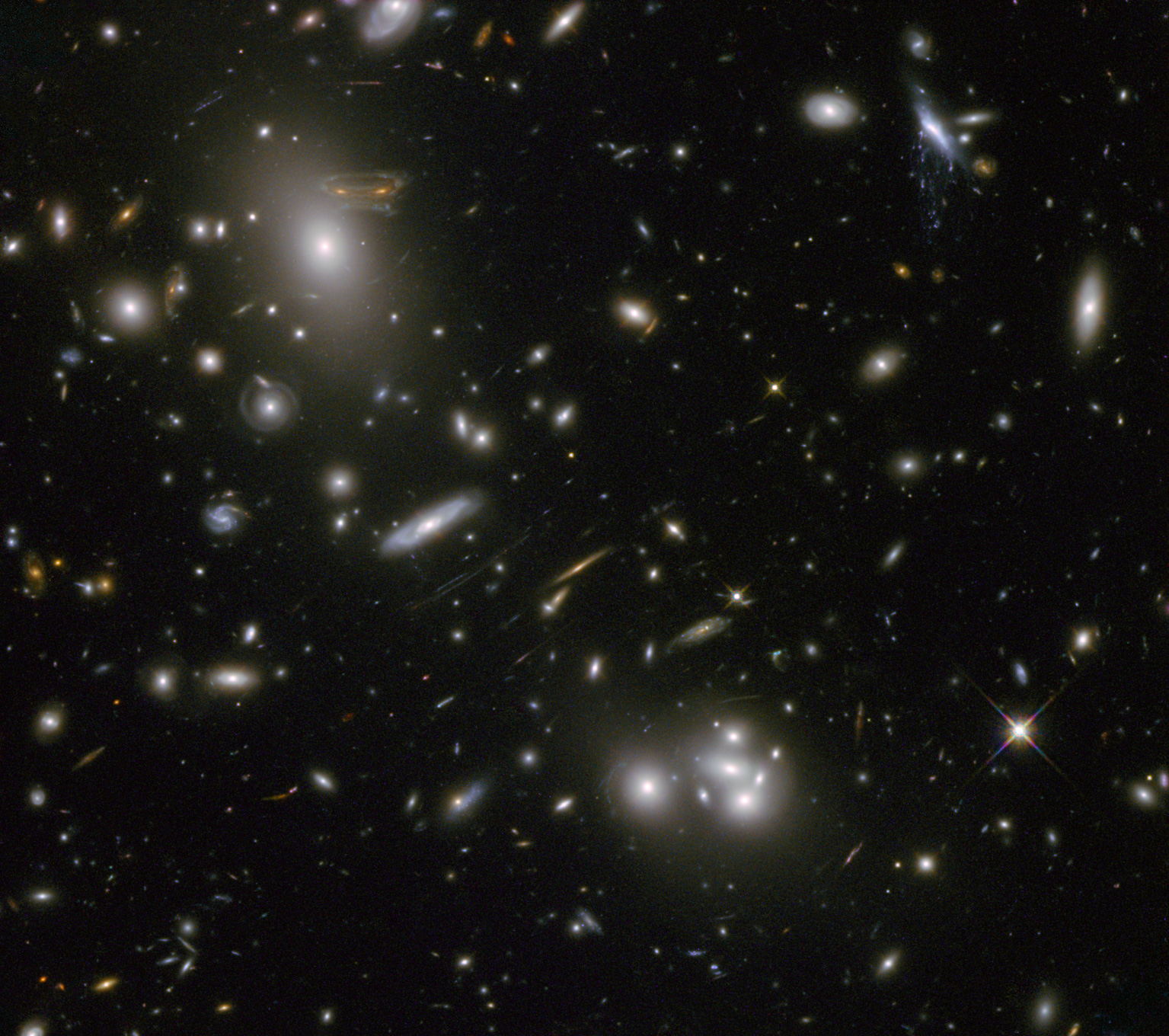
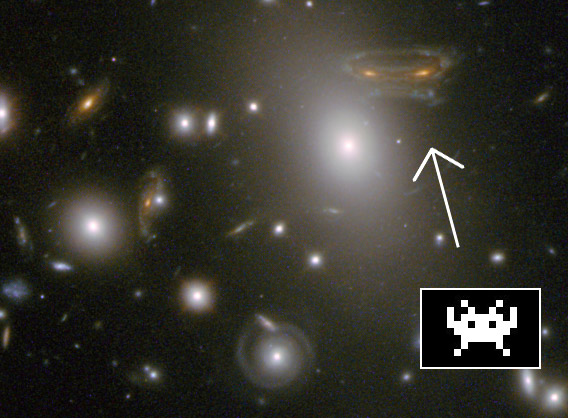
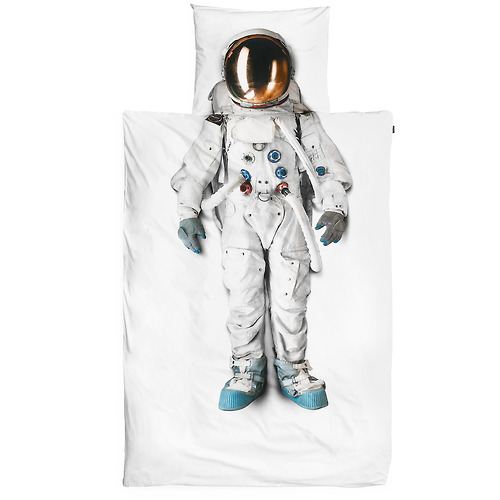
February 13, 2013
This counts as one of the most riveting videos I’ve ever seen #curiosity #watchitnow via @BenLillie
I bet those 7 minutes must have been terrifying. Oh, and science FTW!!!
Via @BenLillie
January 28, 2013
I love this. A true story about a corn beef sandwich in space…
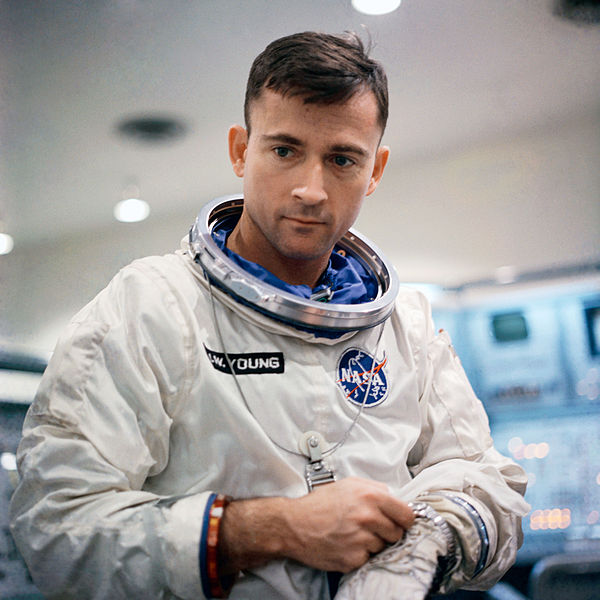
“Astronaut John Young smuggled a corned beef sandwich into space. As Gemini 3 was circling Earth in March 1965, Young pulled the sandwich out of his pocket and offered it to Gus Grissom:”
What follows next is described in detail in a post over at Futility Closet: it’s lovely, and I’d copy it here, except it wouldn’t work without taking all of the text (which would hardly be fair would it?)
Still, I wanted to make sure I tag this on my site (under “space” and “science history”), so now that I have your attention, do head over to futility closet to read the rest.
January 23, 2013
One of the earliest Mars images was a digitally reconstructed paint-by-numbers.
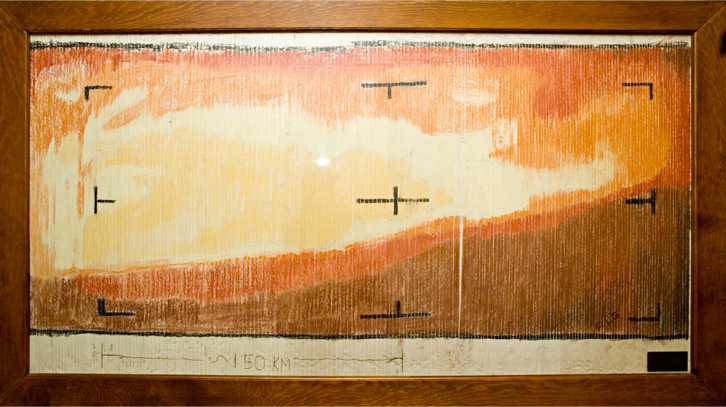
“A “real-time data translator” machine converted a Mariner 4 digital image data into numbers printed on strips of paper. Too anxious to wait for the official processed image, employees from the Telecommunications Section at NASA’s Jet Propulsion Laboratory, attached these strips side by side to a display panel and hand colored the numbers like a paint-by-numbers picture. The completed image was framed and presented to JPL director, William H. Pickering. Mariner 4 was launched on November 28, 1964 and journeyed for 228 days to the Red Planet, providing the first close-range images of Mars.”
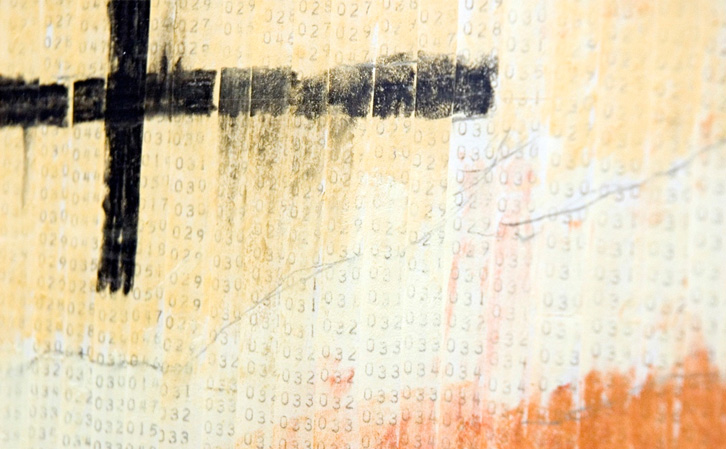
Close up (Dan Goods)
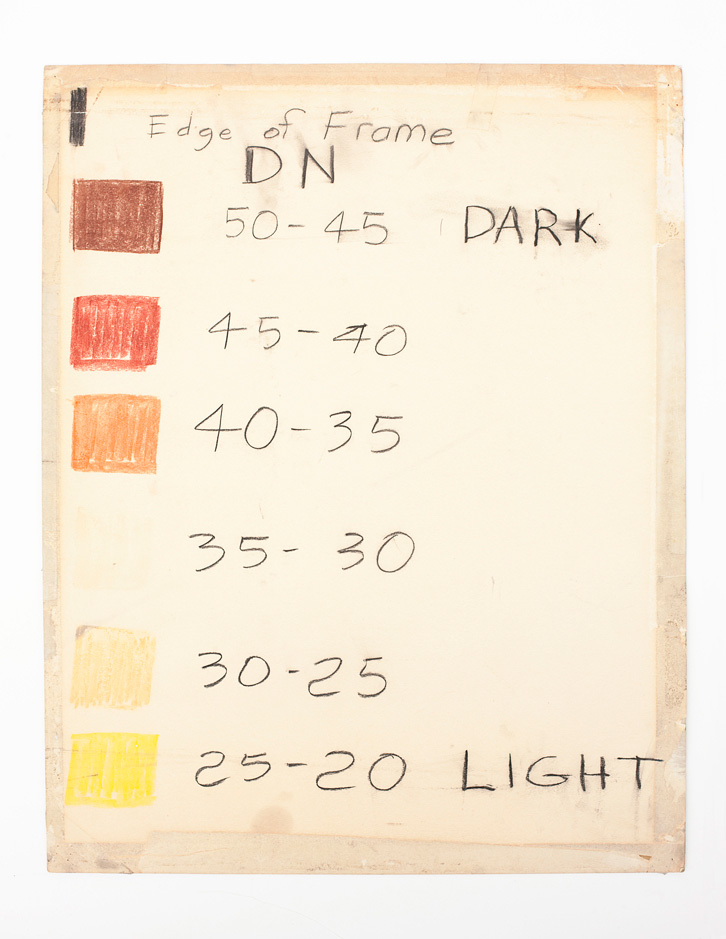
Color Key (Spencer Mishlen)
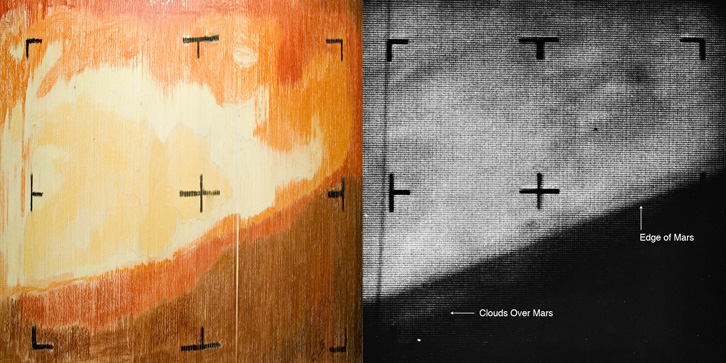
Side by side comparison of drawn image and actaul image (JPL/Caltech)
Text and images from NASA/JPL/Dan Goods, via Wired.
January 16, 2013
Vintage National Geographic Images
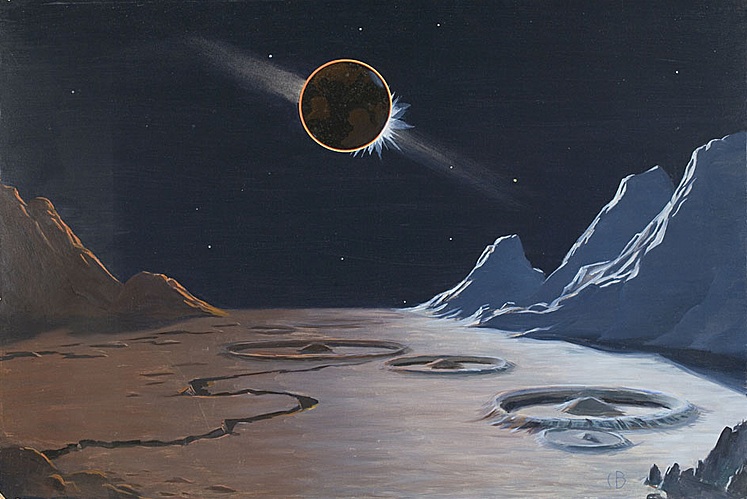
Charles Bittinger, Eclipse of the Sun by the Earth, 1930s
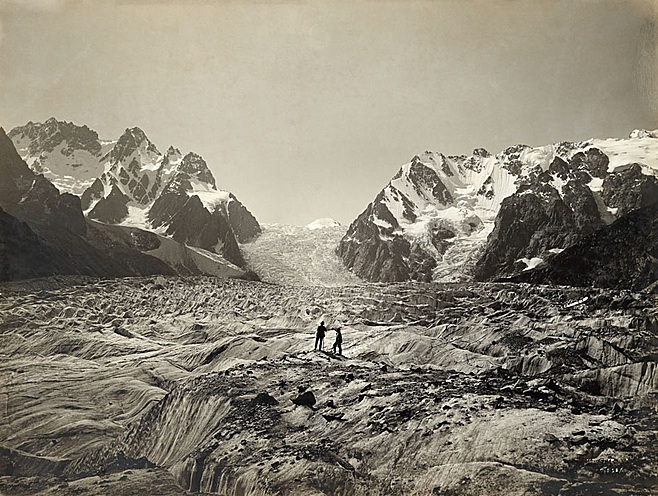
Vittorio Sella, A Cascade of Weathered Ice Spills From the 14 Square Mile Glacier, Karagour Glacier, Caucasus Mountains, Russia, 1910s
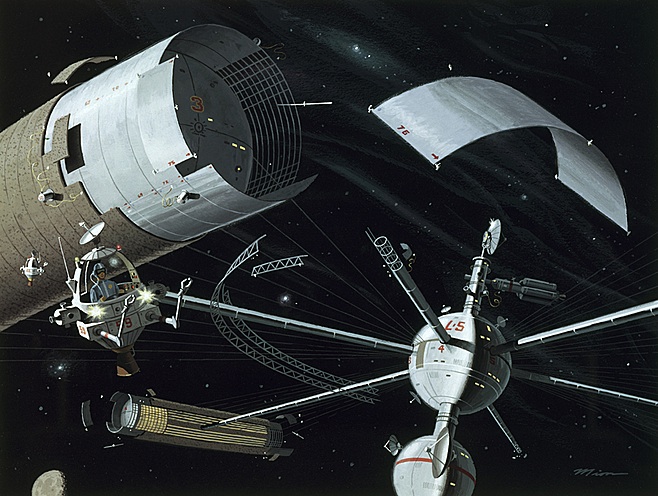
Pierre Mion, Habitat in Space, 1970s
On display at the Steven Kasher Gallery until February 16th, 2013

 popperfont.net