.

Tag: medicine

Cartoon Episodes About Science

By DAVID NG

The Super Friends epsiode:
“Wonder vs. Wonder”

When it becomes clear that a mission is botched because Wonder Woman is clearly visible in her invisible jet, unhappy murmurs begin to surface within the Super Friends’ organization. In particular, Zan, of the Wonder Twins, is merciless in his teasing of Wonder Woman. It also doesn’t help that Wonder Woman, herself, is generally not impressed with his otherwise useless superpower (“Form of a bucket of water? What in Amazon is that about?”)

In any event, Batman decides to put his scientific mind to work by fixing the jet and soon discovers a small error in the optics of one of the twenty cameras that are responsible for the illusion. Unfortunately, this only seems to encourage Zan further, who torments Wonder Woman on the seemingly mundane manner that invisibility is conferred. (“It’s literally all done with cameras! What a loser plane!”) In the end, fed up with Zan’s abuse, Wonder Woman soundly beats the crap out of him.

– – –

Peanuts episode:
“That’s Biotechnology, Charlie Brown!”

Charlie Brown loses yet another kite within the branches of his nemesis, the kite-eating tree. However, Linus cleverly observes that this action is not unlike the concept of phytoremediation—whereby green plants are capable of removing pollutants from the environment. Linus, along with Sally as his doting lab assistant, immediately sets upon cloning this particular tree, and goes on to secure a patent for “the use of the kite-eating tree to remove kites and other airborne contaminants from the air.” As a result, Charlie Brown and Linus embark on a biotechnology business venture that quickly makes them extremely wealthy. Empowered with his new affluence, Charlie Brown finally tells Lucy to “fuck off.”

– – –

The Simpsons episode:
“My Fat Bonehead”

Guest starring as herself, Jessica Simpson visits Springfield to teach Homer the ropes of becoming a southern gentleman (à la My Fair Lady). This goes as well as expected, and Bart in particular becomes completely smitten by the young lady. However, it is then revealed that Lisa is recently diagnosed with acute myeloid leukemia, and furthermore is in need of a bone marrow transplant. Miraculously, Jessica Simpson is the perfect match, which culminates in the use of genetic testing techniques to show that she is, indeed, Homer and Marge’s long-lost lovechild. Bart then has to deal with conflicting feelings of lust and the heebie-jeebies from this apparently incestuous crush.

– – –

Dora the Explorer episode:
“¡Hola! I Have a Brain Tumor!”

In this episode, Dora visits her doctor to complain about her dry, red, and itchy eyes. The doctor quickly solves the problem by advising Dora to try blinking for a change. However, at this visit, the doctor quickly suspects Dora is plagued with a more serious psychosomatic condition, since she continually refers to a talking backpack, a talking map, and a talking monkey with a perceived preference for sturdy yet red colored footwear. When Dora continues to stare off into the distance and ask bizarre and loud questions towards no one in particular (“What was YOUR favorite part of the day?”), the doctor decides to take matters into his own hand and schedules her for a CAT scan.

(Originally published at Yankee Pot Roast)

Pictorial on recreational drugs (so that’s what they look like!)

By Gemma Correll.

Awesome science-y buttons.

There’s actually a whole bunch of them (mostly not science related), but here are a few that are…


From Run Pencil Run.

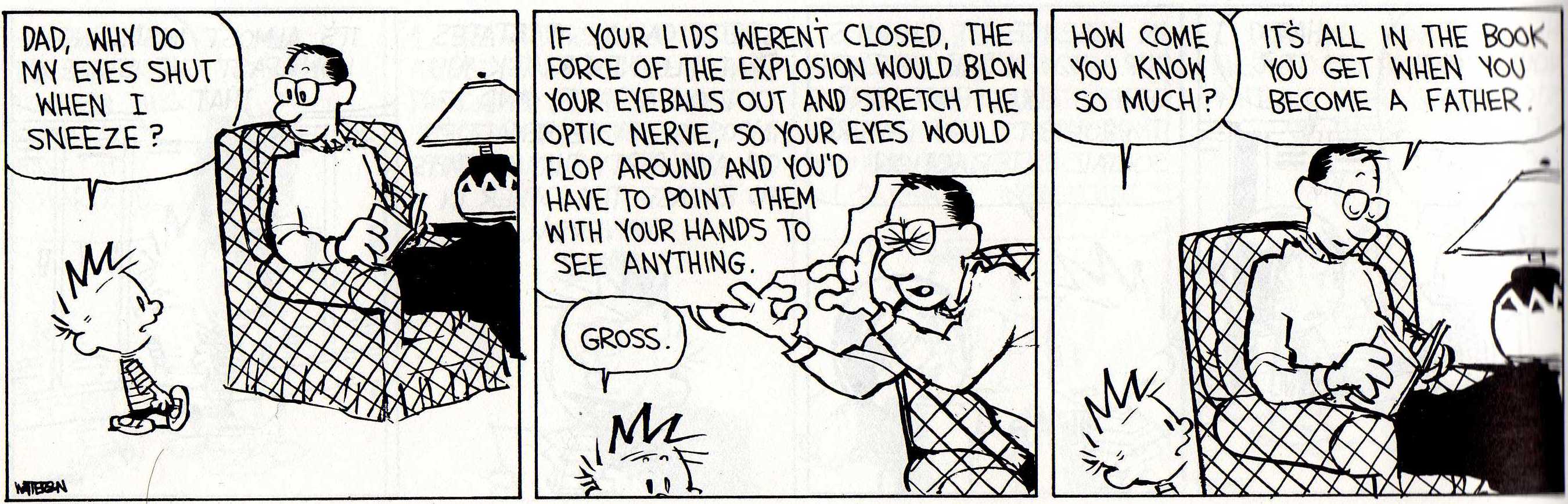
The reason for why we have eyelids (or Happy Father’s Day everyone!)

Classic…

By Bill Watterson

Epidemiology of the Chocolate Chip Cookie Disease

A little freaky actually…

By Seo Kim

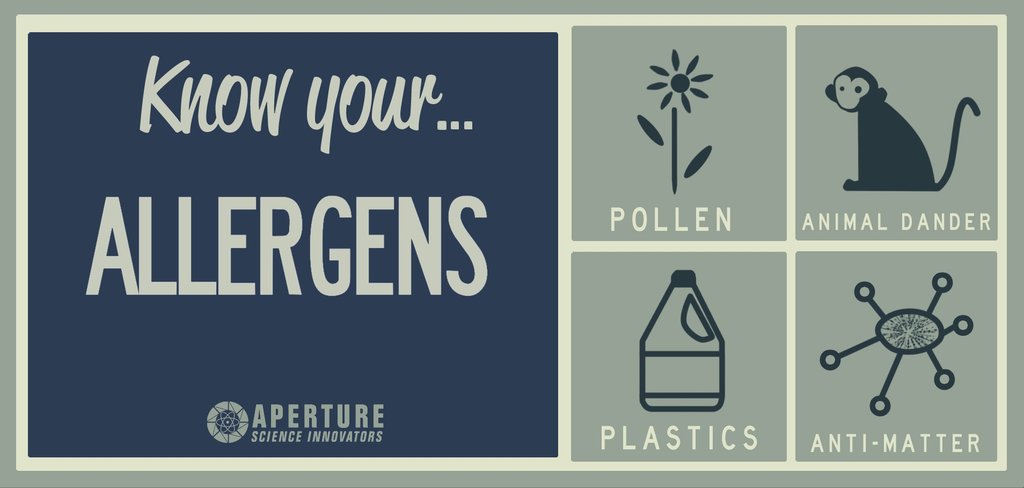
Great scientific hazard warning signs from video game.

From the video game Portal, via Imgur.

The Anatomy of the Hulk. #awesome via @flyingtrilobite

In a word, brilliant:


Hulk © Marvel Comics. This fan art has moral © Glendon Mellow. Share under Creative Commons.

See the full post here. By the talented Glendon Mellow, via @BoraZ.

It’s a Lucky Thing for Stem-Cell Research that the Following Passages aren’t in the Bible.

By DAVID NG

The petri plate is the work of Satan. How does God know what a petri plate is in this ancient time before the advent of scientific achievement? It is because he’s God, which is really handy for that sort of thing.

Go forth my children and use the word “embryo” whenever you can. It is a very pleasant-sounding word—say it as often as possible. In fact, my children, try this: point to anything and everything and say, “That’s an embryo.”

Mary tells us, “When a sperm and an egg come together, it represents the ultimate act of compassion and love. Therefore, it is a grievous sin to do studies on this type of thing. Plus, it’s also kind of private.”

The Lord says that our precious hearts and minds represent flesh of enormous piety. They should never be regenerated, regardless of the circumstances. While we’re at it, we should also never regenerate eyebrows, nosehairs, or nipples — although the Lord figures that that is a given anyway.

For people who have had an accident and have lost the use of their legs, it is not the way of the Lord to try to fix this pain. Instead, God will tell them, “That’s too bad.” Then he will likely tell them a good joke to make them feel better.

And Jesus said, “Liquid nitrogen is evil. Once, while playing with it, I froze my finger solid and it actually broke off. Lucky for me I’m the Son of God, and I can just grow another one.”

I wrote this back in 2005, and originally published at McSweeney’s.

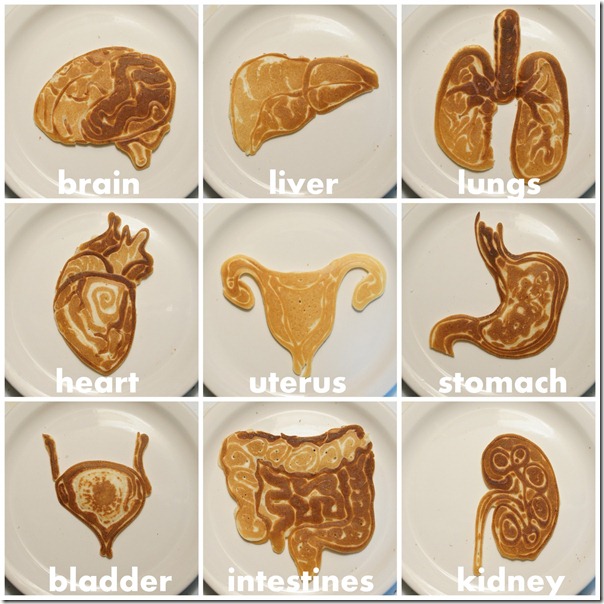
Anatomical Pancakes! #sciencepancake No. 2

From Saipancakes.

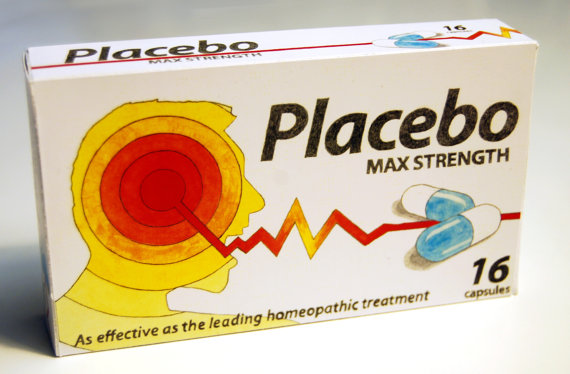
Maximum Strength Placebo For Sale

Available here (by Spelling Mistakes Cost Lives), via boingboing.net.

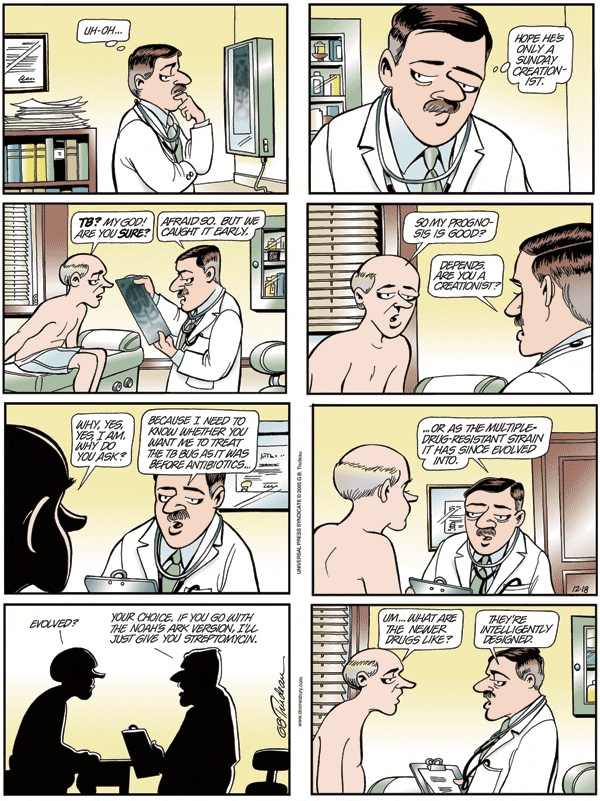
Doonesbury, TB, and creationism.

By Garry Trudeau, Dec 18, 2005.

Super Mario Land X-Ray Scans

By Logan Zawacki, via Hey Oscar Wilde!

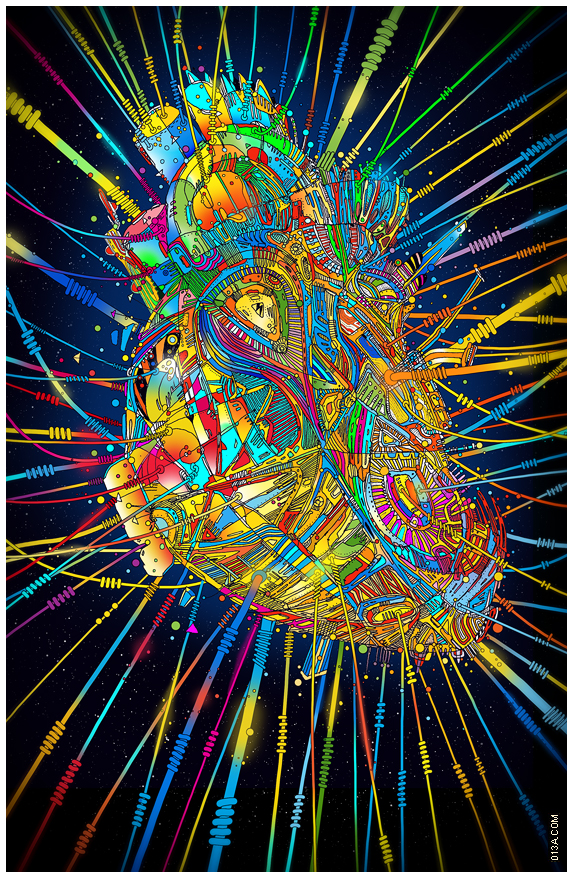
Illustrations by Matei Apostolescu. Especially love the glare of this lion and this heart organ.

By Matei Apostolescu.

Looking for a use for those old X-Rays and MRI films? Why not try art?

What a beautiful way to use x-ray film.

By Julia Barello, via My Modern Met.

“You Are Here” anatomy prints (via @itscolossal)

By Roll & Tumble Press, and available at Street Anatomy.

Human Gene Commonly Associated with Cancer or Droid from Star Wars?

By DAVID NG

1. p21RAS
2. C-3PO
3. CD45
4. p53
5. C-SRC
6. RIC-920
7. FOS-JUN
8. R2-D2
9. 8D8
10. C-MYC

1345710 are oncogenes: 2689 are droids from Star Wars.

Whoa… This video showing 1871 slices of the human body in 20 seconds is pretty remarkable.

Animation above created by Croix Gagnon, with data from the Visible Human Project: nlm.nih.gov/research/visible/visible_human.html

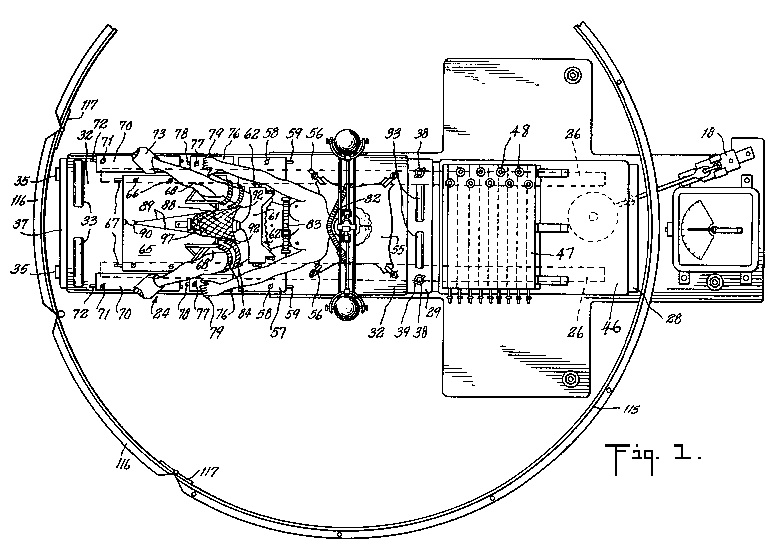
Presenting the “birthing centrifuge!” This is… I’m not sure what the right word is…

Well, maybe: bizarre?

More so when you read the bit about “primitive” versus “civilized” women (see bolded text below). Extra surrealness when you learn that this patent was filed in 1965! (not say, much earlier, which was my original guess)

The present invention relates to apparatus which utilizes centrifugal force to facilitate the birth of a child at less stress to the mother.

It is known, that due to natural anatomical conditions, the fetus needs the application of considerable propelling force to enable it to push aside the constricting vaginal walls, to overcome the friction of the uteral and vaginal surfaces and to counteract the atmospheric pressure opposing the emergence of the child. In the case of a woman who has a fully developed muscular system and has had ample physical exertion all through the pregnancy, as is common with all more primitive peoples, nature provides all the necessary equipment and power to have a normal and quick delivery. This is not the case, however, with more civilized women who often do not have the opportunity to develop the muscles needed in confinement.

From Google Patents.

A calculation to see how many cups of coffee you would need to drink in order to kill yourself.

By DAVID NG

I’m in full on marking mode right now, which also means my uptake of coffee has increased significantly. Consequently, I’m procrastinating and thinking about strange things – such as lethal doses – especially for things we scientists particularly indulge in (like coffee, alcohol and, yes – the free cookies at Departmental seminars). So let’s look at the fatality of coffee drinking? And yes, for the scientist, the first place to look a little deeper is the vaulted MSDS (or Material Safety Data Sheet).

For those not initiated in this lingo, MSDS are those documents that provide risk assessment and health considerations for any and all reagents, compounds, molecules, chemistries you might care to use in a laboratory setting. Of course, the most press worthy value it often provides is the “lethal dose.” Which, according to wiki is:

the median lethal dose, LD50 (abbreviation for “Lethal Dose, 50%”), LC50 (Lethal Concentration, 50%) or LCt50 (Lethal Concentration & Time) of a toxic substance or radiation is the dose required to kill half the members of a tested population.

Anyway, I thought it might be interesting to do some back of the envelope calculations to bring to you, some information on how many cups of coffee to avoid drinking, so as to not kill yourself.

However, this calculation is not as easy as it sounds, because there’s a certain amount of kinetics that needs to be taken into consideration. So, let’s first start with a few facts and figures to get the ball going.

To begin with, if we’re going to focus on coffee, probably its most potent chemical component from an oral lethal dose point of view is the caffeine. However, from a purely empirical perspective, it might actually be its water content that will kill you in the end. In other words, if you drink lots of coffee and plan on doing it to induce a fatality, it might be interesting to see what scenarios are necessary for that death to be caused by too much caffeine versus too much water.

In any event, here are the numbers to concern ourselves with:

1. Average weight of a human: From wiki:

In the United States National Health and Nutrition Examination Survey, 1999-2002, the mean weight of males between 20 and 74 years of age was 191 pounds (86.6 kg, 13 st 9 lb); the mean weight of females of the same age range was 164 pounds (74.4 kg, 11 st 10 lb)

Let’s use 80kg as an average.

2. A single cup of coffee on average contains about 250ml of water, and about 135mg of caffeine (link).

3. Lethal dose (oral intake for a rat, which has similar metabolism – although we should note, not identical metabolism) is about 192 mg/kg for caffeine and 90 mL/kg for the water.

4. However, the other part of the equation is we need to evaluate involves rates of elimination.

The half-life of caffeine–the time required for the body to eliminate one-half of the total amount of caffeine–varies widely among individuals according to such factors as age, liver function, pregnancy, some concurrent medications, and the level of enzymes in the liver needed for caffeine metabolism. In healthy adults, caffeine’s half-life is approximately 4.9 hours.

And for water – this was a little harder, because water turn over rates I found, tended to revolve around the idea of an individual not imbiding in crazy amounts of fluids. So, for the sake of our calculations, I’ll go with the following piece of information:

It’s Not How Much You Drink, It’s How Fast You Drink It! The kidneys of a healthy adult can process fifteen liters of water a day! You are unlikely to suffer from water intoxication, even if you drink a lot of water, as long as you drink over time as opposed to intaking an enormous volume at one time. As a general guideline, most adults need about three quarts of fluid each day. Much of that water comes from food, so 8-12 eight ounce glasses a day is a common recommended intake. You may need more water if the weather is very warm or very dry, if you are exercising, or if you are taking certain medications. The bottom line is this: it’s possible to drink too much water, but unless you are running a marathon or an infant, water intoxication is a very uncommon condition.

O.K. so let’s do the math.

First, an oral lethal dose for an 80kg human would extrapolate to 15,360mg of total caffeine. This technically is equivalent to the amount of caffeine absorbed from drinking 113 cups of coffee really really really quickly. However, the reality is that this figure would instead result in a fatality due to water intoxication since 113 cups is close to 30 litres of water.

So let’s try a different tact: by focusing on a safe water ingestion figure (i.e. 15 litres per day when spread reasonably). This works out to 60 cups of coffee over a full day, or approximate one cup every 24 minutes. Anyway, this is some pretty nasty math to figure out (since it’s a half life calculation with continual replenishing going on). Anyway, if you do the math, what you find is that at the end of a 24 hour period, that average body would have retained a little less than 2500mg (this is based on some very rough back of the envelope calculations). Not even close to the 15,000 or so milligrams needed to reach the lethal dose. Presumably still not a healthy thing to do, but within the context of our LD50, it sounds doable.

And the funny thing is, by the next day, that 2500mg would have been metabolized or cleared itself and only about 50mg of this is left behind. Which means that the net total amount of caffeine still in a person’s system if he or she were to continue drinking a cup of coffee every 24 minutes for a 48 hour period is 2550mg (2500mg + 50mg).

It turns out that your body is potentially quite capable of dealing with such a heavy coffee dosage, because that new 2550mg level becomes 53mg by the next 24hours – therefore three days of drinking a cup of coffee every 24 minutes will result in a net retention of 2553mg (2500mg + 53mg) and so on.

I haven’t had a chance to extrapolate this over the full year (365 days), but I’m pretty sure that even a constant coffee drinking regime (1 cup every 24minutes for the full year) wouldn’t work out to a retention amount above the lethal dose.

All to say that your body pretty much kicks ass in its remarkable metabolism. Now, it’ll be interesting to maybe dig a little deeper with regards to how messed up a person gets with that base 2500mg inside them (as I’m sure the case will be). As well, not sure what the deal would be with 15 litres of expresso shots per day – that may just about be enough!

(This is partly reprinted from a post I wrote in good old Scienceblogs.com).

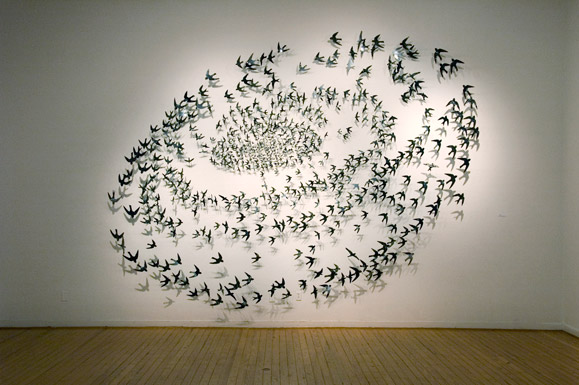
Prescription art: or rather – art entitled “Prescription.”

By Sarah Gee, via @submiTvancouver.