
.
Tag: biodiversity


May 15, 2013
Alright, how much fun would a course called “Felt Microbiology 101” be?
Especially, if you get to play with creations like the below (a giant euglena, giant amoeba, and giant daphnia)

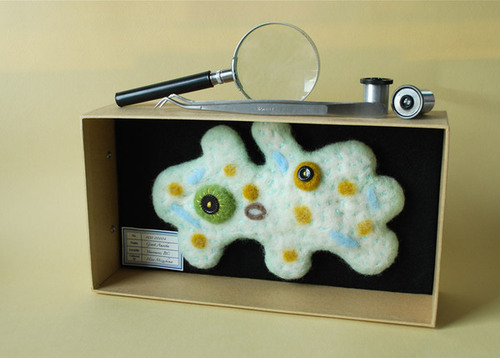

By Hiné Mizushima, via Thinx



May 1, 2013
This lizard would totally win a “look like a dragon” contest.
Or at least a very striking looking Armadillo Girdled Lizard (Cordylus cataphractus).

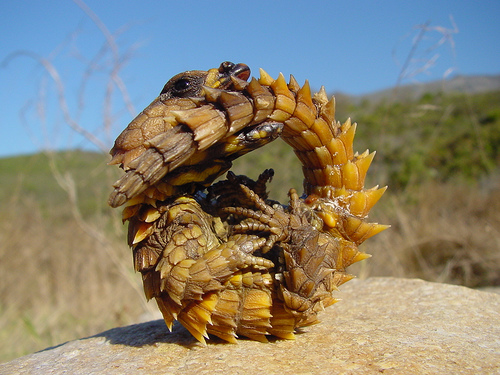
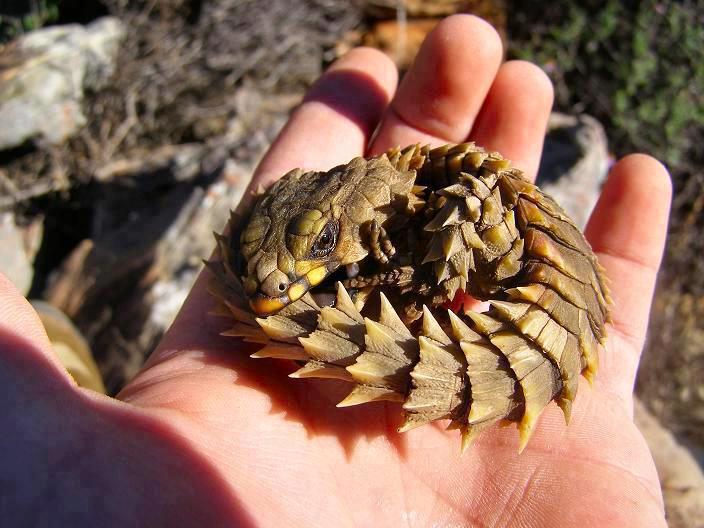
For more information, check out the Wikipedia page. Bottom photograph by Steven Troter.
April 22, 2013
Who needs Pokemon cards, when you can get free CEPHALOPODA cards!
And these are just 10 of close to 500 different free biodiversity cards on the website, which are also playable as a game!
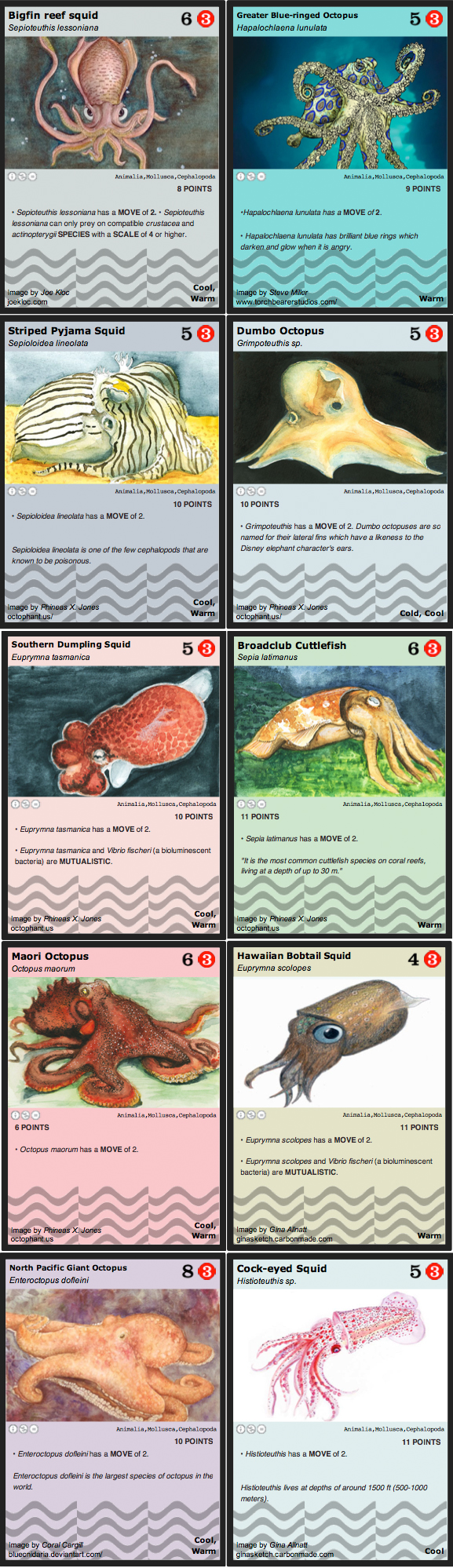
If you want to print them out, go to Phylogame.org/cephalopoda, and click “print” (on the left sidebar). Then click on page “2” (near the top) and click “print” again. If you want to include card backs with these printouts, then download the card back (the link is on the left sidebar), flip your card printouts and print the back on the other side.














March 22, 2013
Audubon’s Aviary: The Complete Flock. Amazing exhibit at the New York Historical Society #wow @nyhistory
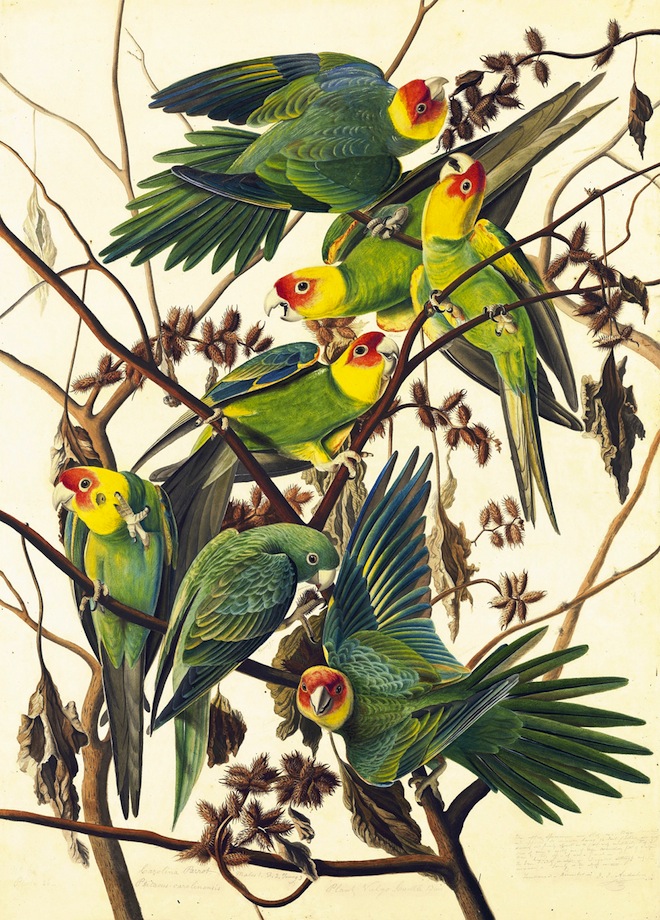

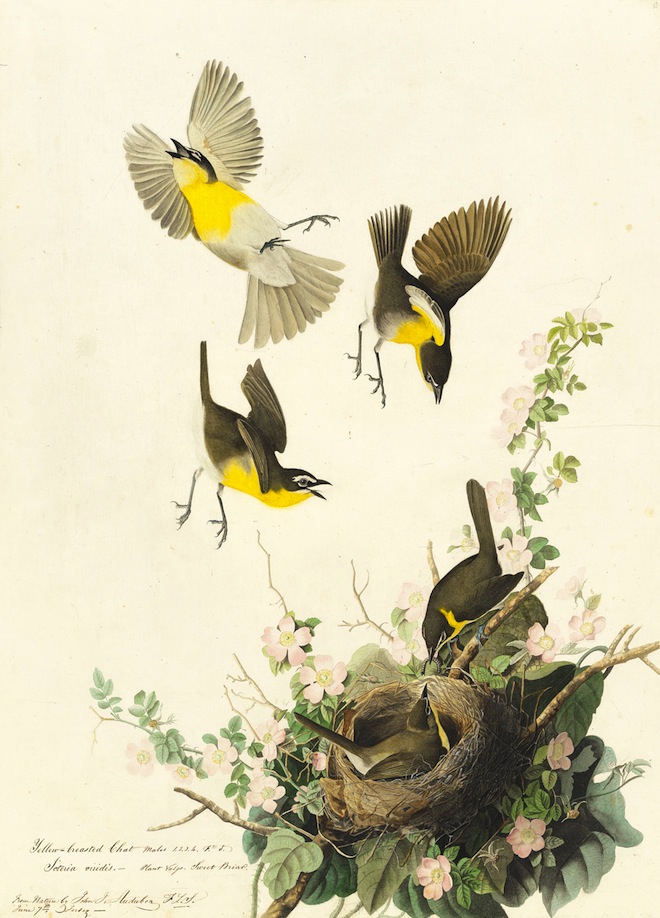
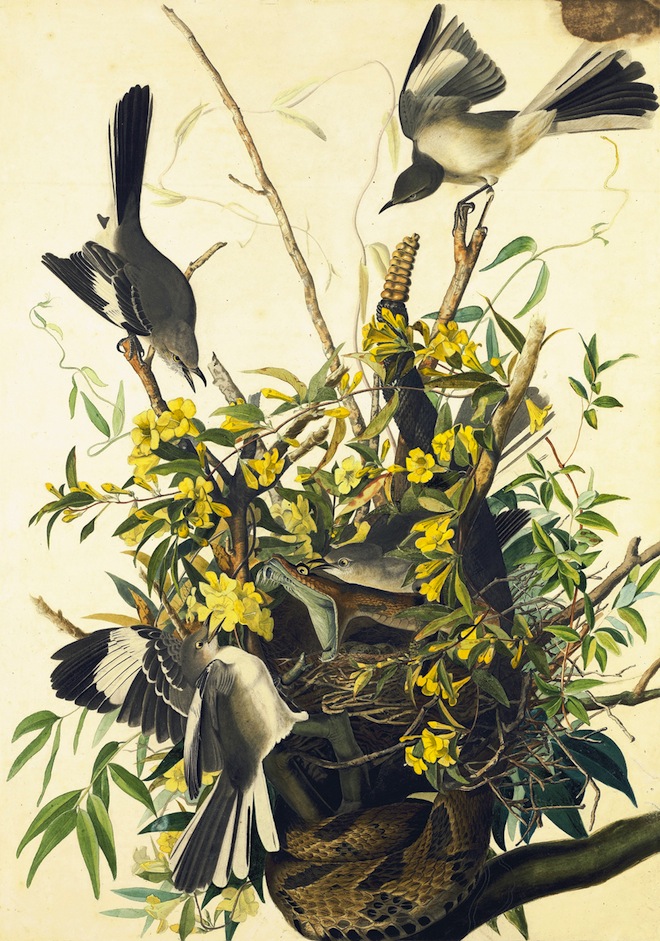
“On display now through May 19 at the New York Historical Society is the first of three installations in Audubon’s Aviary: The Complete Flock, the society’s unprecedented exhibition of 474 paintings.”
From New York Historical Society, via Wired.
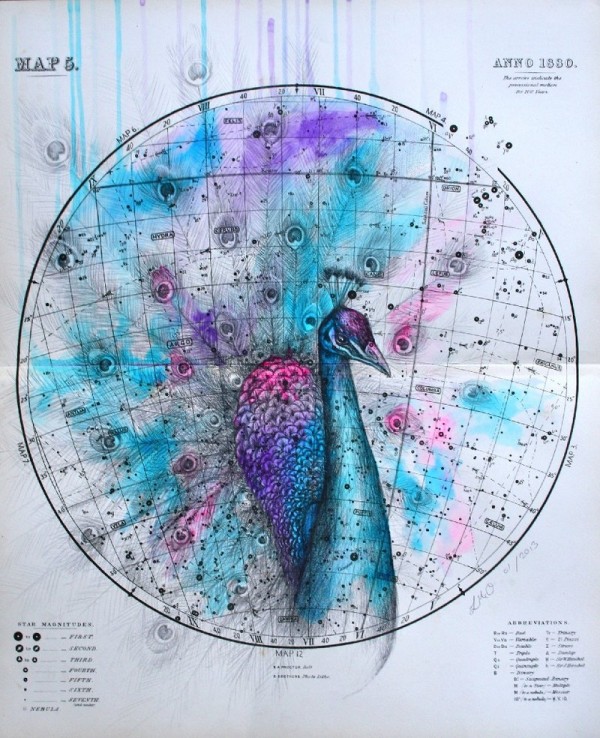

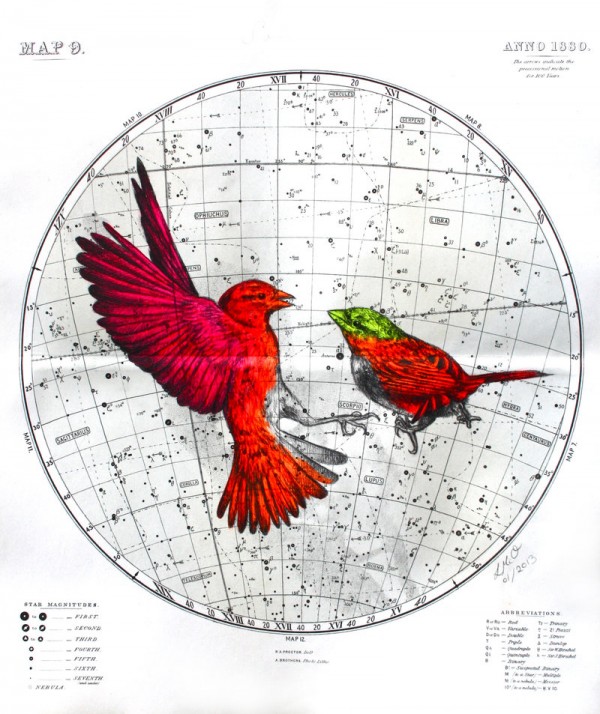


March 4, 2013
How about a tea in the ribcage of a fully articulated 95-foot bowhead whale skeleton?
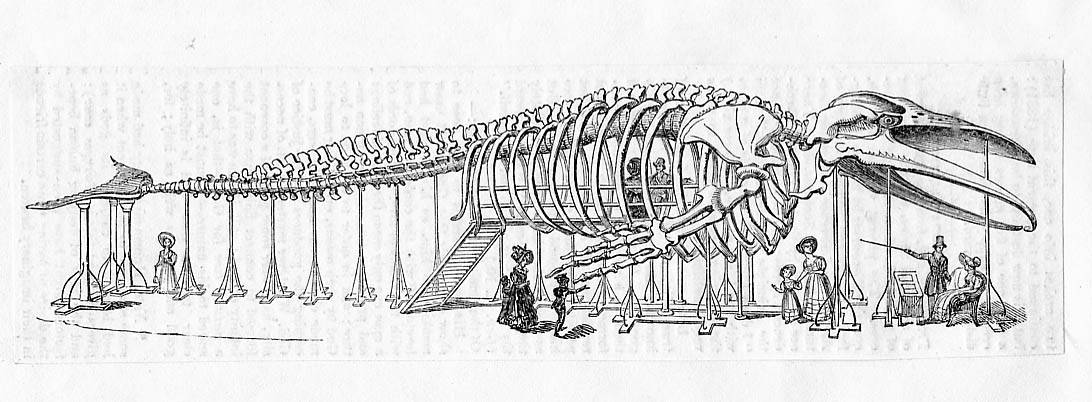
“In 1831 the skeleton of a 95-foot bowhead whale was displayed in a pavilion at Charing Cross, as part of a tour that had also touched Ostend and Paris. Visitors could ascend a flight of steps to a stage set within the ribcage, where they could sit at a table and write puns in the guest book. (“Why should we be mourned for if killed by the falling of the bones of the whale? We should be be-wailed.”)”
Text via Futility Closet.






February 26, 2013
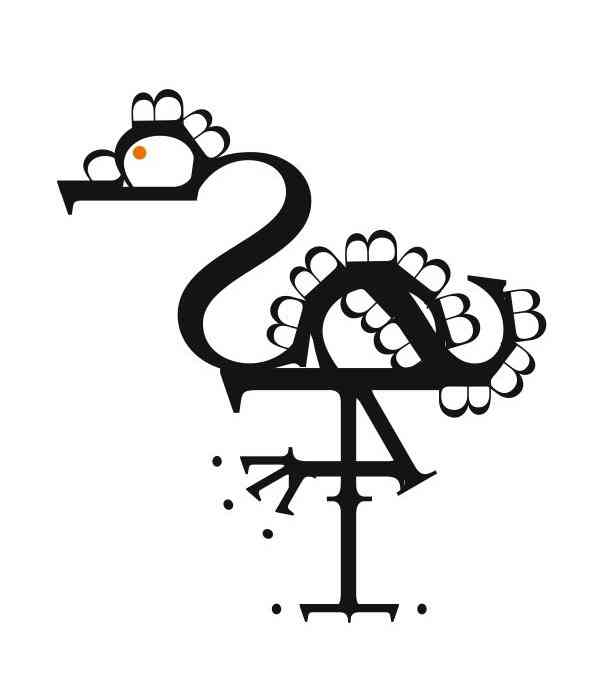
Funny graphic that could be used in a lesson on how species and animals are named
More on Erinaceus europaeus here.

From wikipedia:
“When a creature is discovered, it is first necessary to determine whether it is a new species, a new subspecies or merely a variant of an already described and known species. As there is no single, unambiguous definition of “species” this determination can be time-consuming and subject to discussion and disagreement.
By tradition, the right to name a new species is given to the discoverer, or more precisely the scientific describer of the species (who is not necessarily the person who discovered the species in nature). There are, however, many regulations to be followed when naming a species, all of them fixed by the International Code of Zoological Nomenclature (ICZN) when animals are concerned, or the International Code of Botanical Nomenclature (ICBN) for plants.
In general, the nomenclature of creatures follows a system established 1758 by Carl von Linné and each scientific species name is a composite of two parts, namely the genus name and the species name. For example, the scientific name of the European Common Frog is Rana temporaria, where Rana is the genus name and temporaria is the species name.
As the genus name should reflect relationships among different species within the same genus, the first attempt after each discovery is to allocate the creature to a respective genus (and the systematic categories of higher hierarchical levels). Thus in most cases, with exception of the discovery of new genera, the genus name is fixed already, whereas the species name may be freely chosen by the scientic describer of the species within the frame of the ICZN or ICBN regulations.”
Via IFLS
 popperfont.net