Inner Space: Photography of iconic space craft in liquid containers.
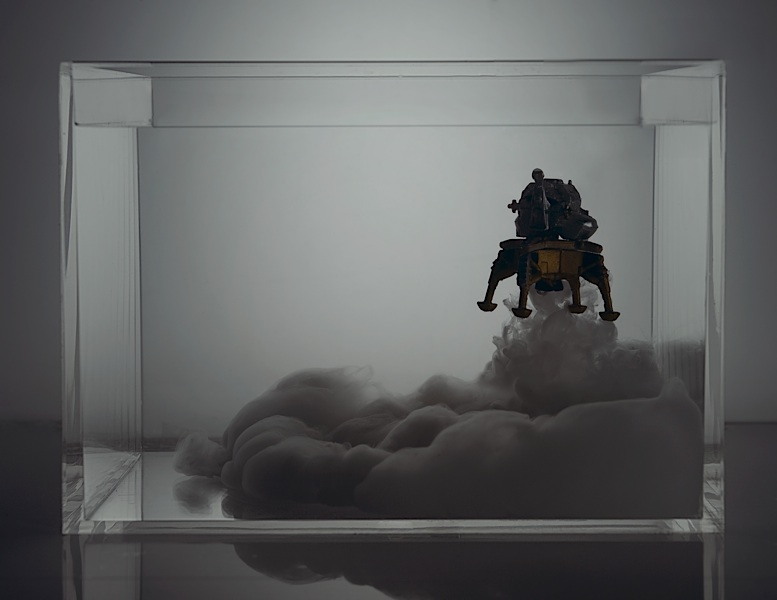
By Owen Silverwood. (More at the link).

By Owen Silverwood. (More at the link).
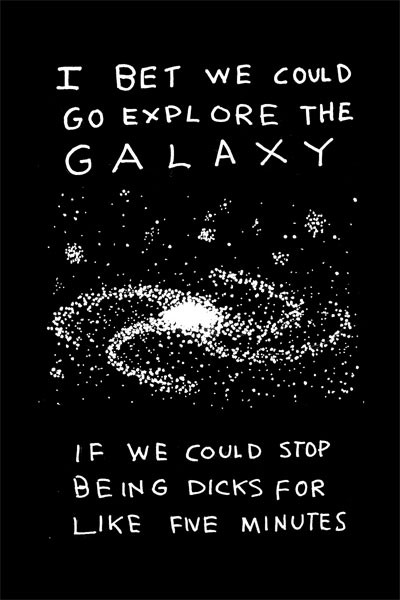
All over the internet, via Imgur.
There’s actually a whole bunch of them (mostly not science related), but here are a few that are…



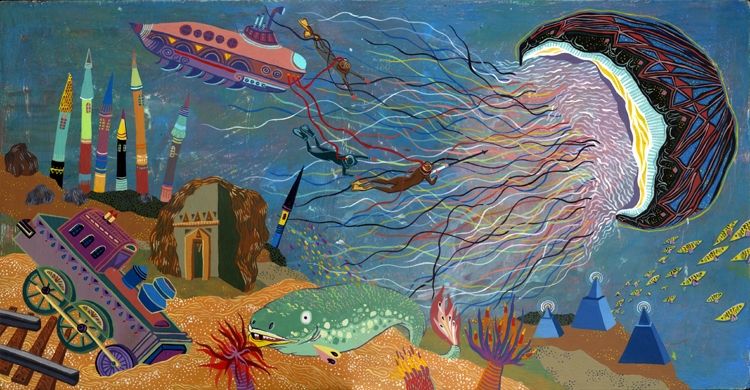
From Run Pencil Run.
Hooray For Earth “True Loves” (Cereal Spiller Remix) from Cereal Spiller on Vimeo.
Whoa…
Directed by Cyriak Harris
This is really quite something. Both the narrative of the hoax, as well as these awesome illustrations.
“Purported to be the findings of British astronomer Sir John Herschel, perhaps the best known astronomer of the time, the New York Sun, in a blatant use of yellow journalism, started publishing six stories in 1835 reporting the “discovery of life on the moon.” Most likely authored by Richard E. Locke in an ultimately successful attempt to boost the newspapers readership, the extravagant stories where full of alien flora and fauna, including bat winged men, nude moon maidens with luna-moth wings, unicorn moon bison and bipedal tailless beavers. In the articles it was proposed that an expedition be made to the moon using hydrogen filled balloons lifting ship like gondolas beneath, which later returned to earth under large umbrellas.”
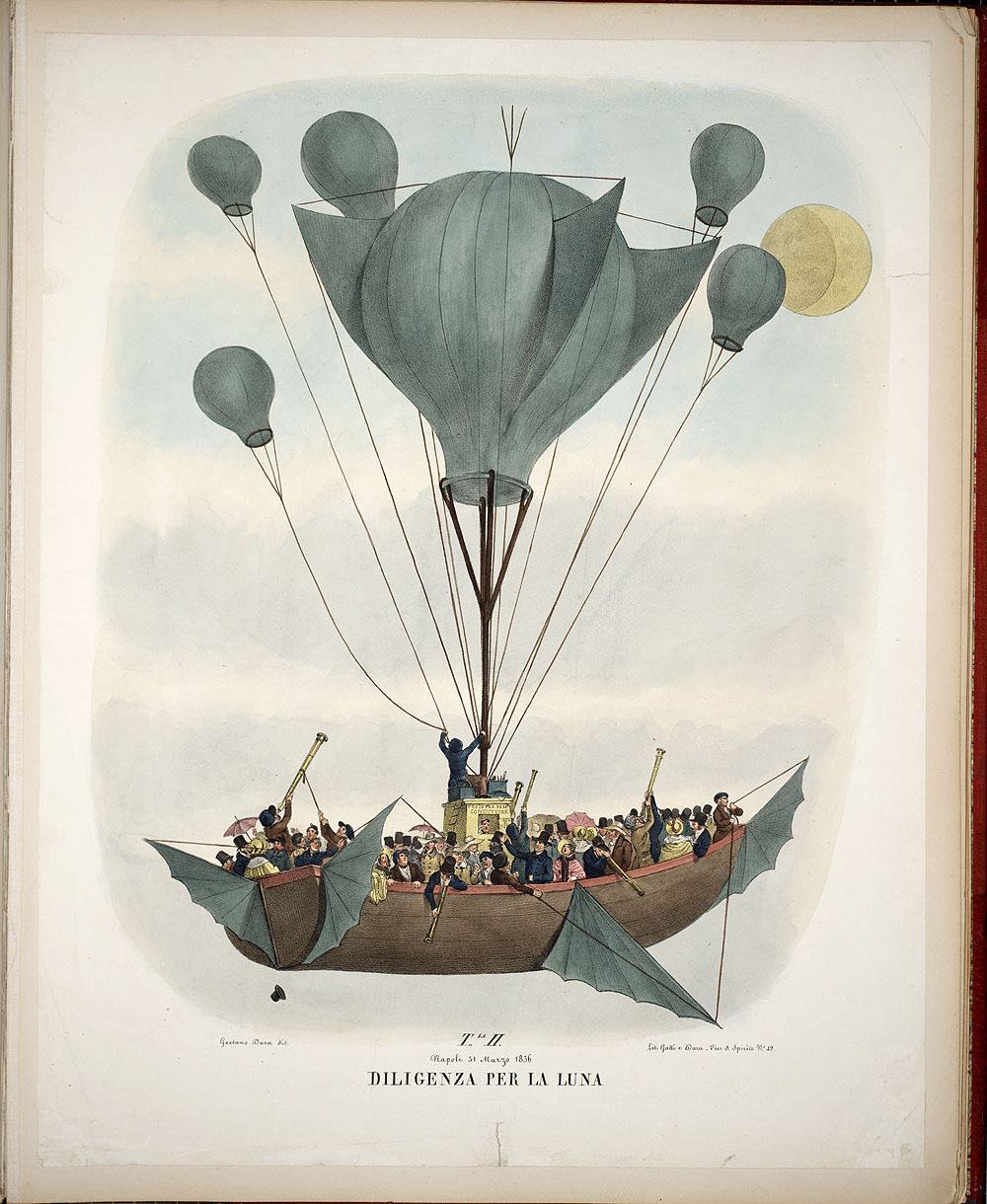
The Proposed Ship for traveling to the Moon.
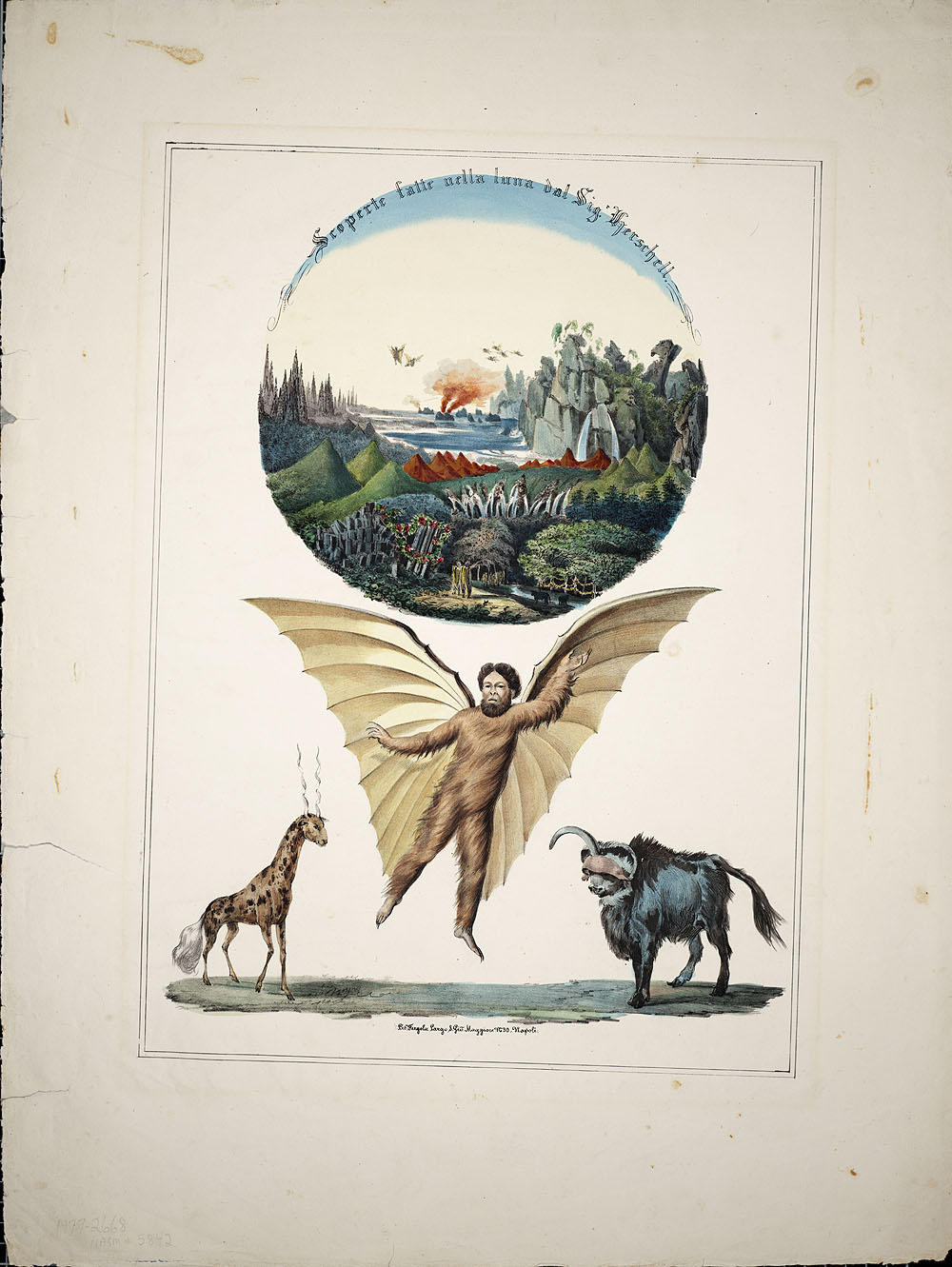
Types of things discovered on the Moon.
Text by Benjamin Starr at the Visual News.
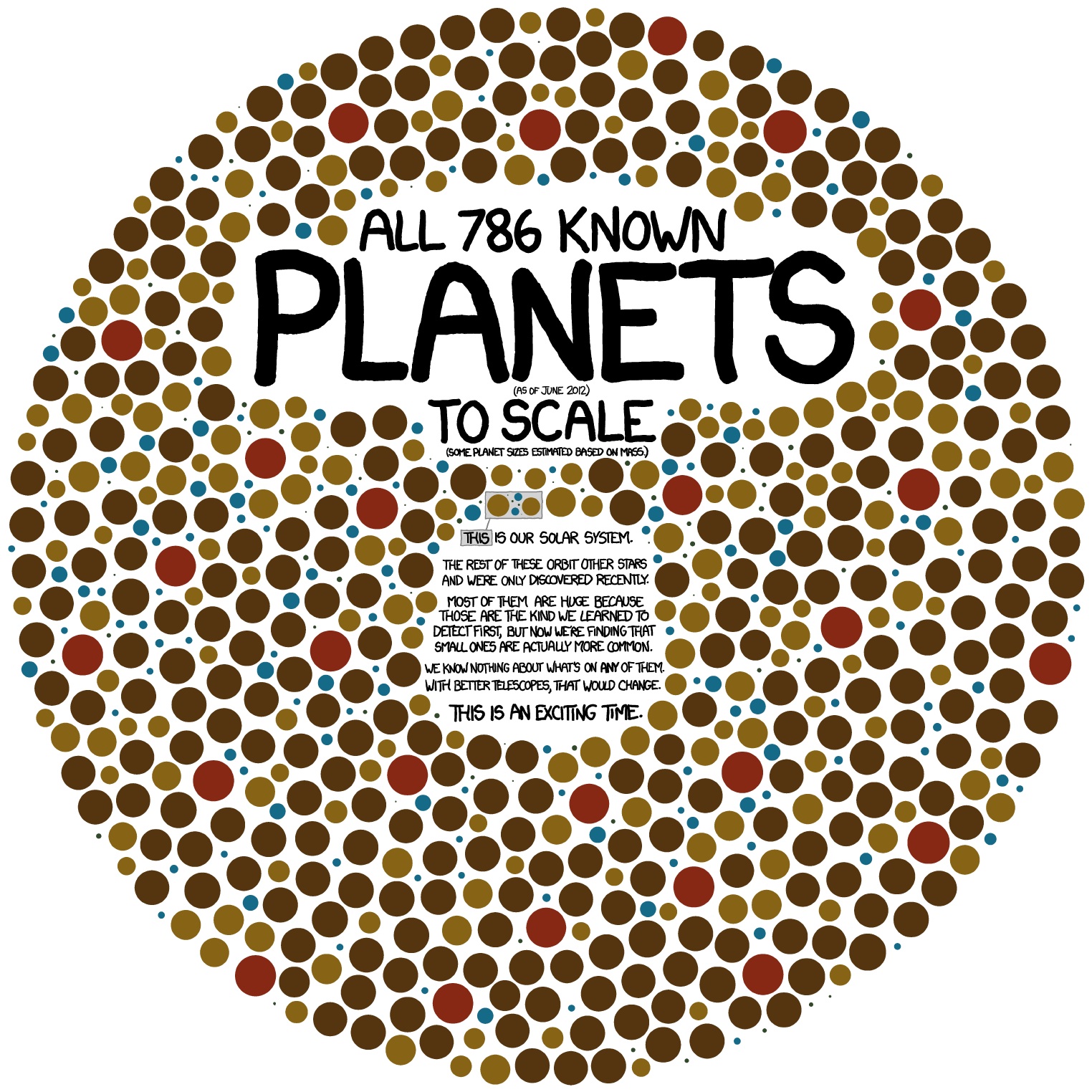
(Click on image to see larger version)
Some of the text reads:
“Most of them are huge because those are the kind we learned to detect first, but now we’re finding that small ones are actually more common. We know nothing about what’s on any of them. With better telescopes, that would change. This is an exciting time.”
From xkcd.
Admittedly, this makes me smile.
Here’s a few great illustrations that could segue into discussions on green roofs and space programs.

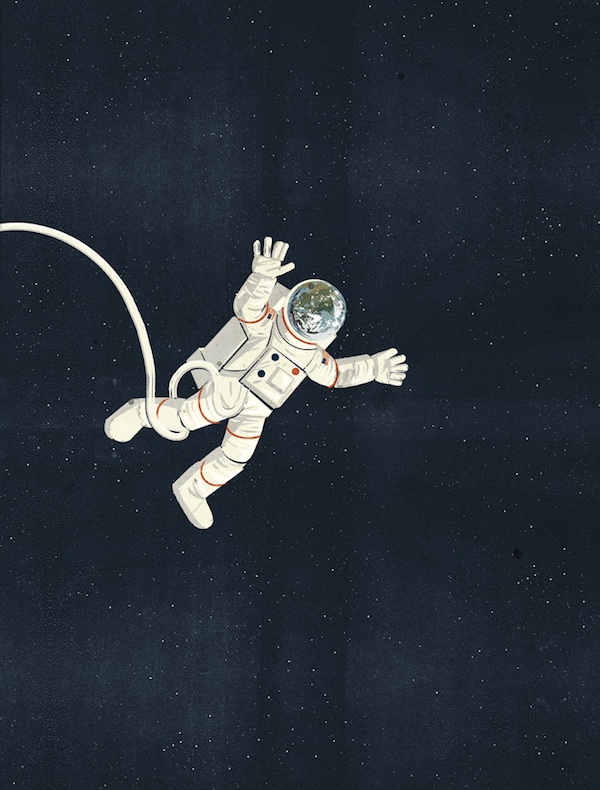
By Alessandro Gottardo via My Modern Met.
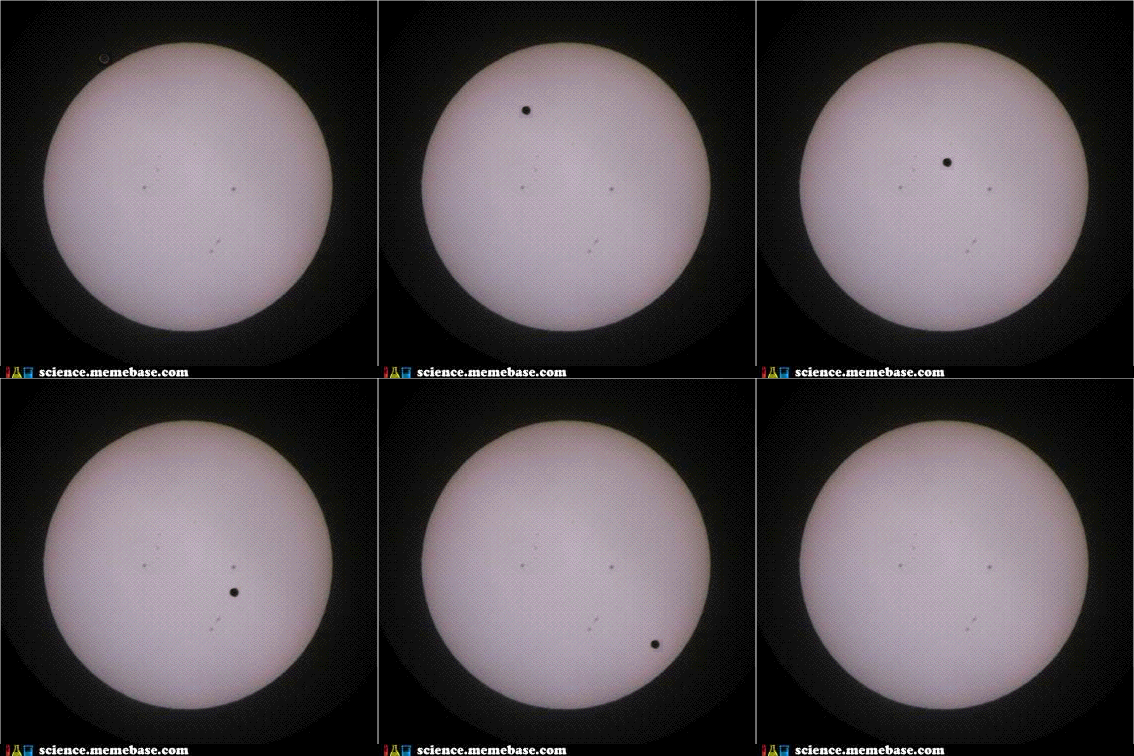
First, for your calendar, you can note that the next one is in 2117.
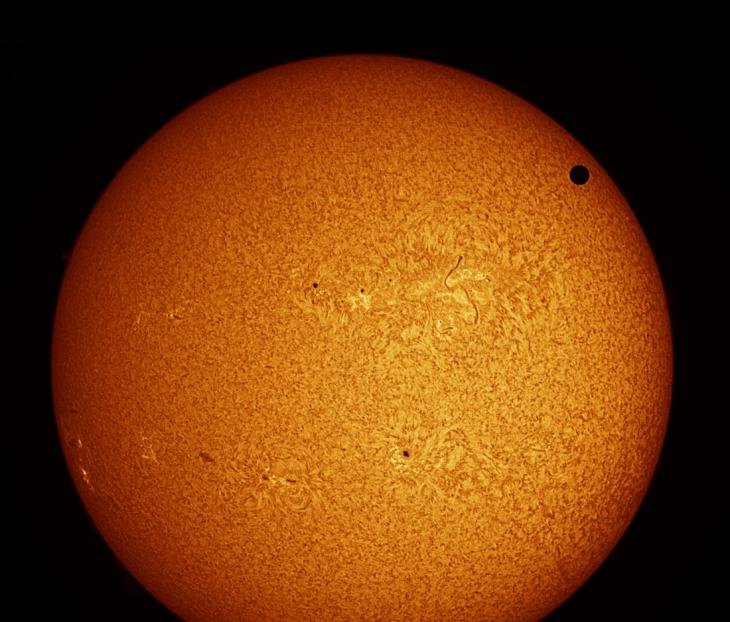
(Via spaceweather.com).
Second, read this lovely piece by Amy Shira Teitel, as she tells you why it was such a big deal yesterday (and throughout history).
Here’s a bit to whet your appetite (and in doing so, illustrates what is arguably the first example of an international scientific collaboration):
“Halley died in 1742, 19 years before he could try his method on the 1761 transit. But a host of astronomers took up the challenge in his stead. European expeditions set out to India, the East Indies, Siberia, Norway, Newfoundland, and Madagascar to get the best and most spaced out views of the event. From the whole worldwide network, more than 120 transit observations were recorded, but most were of poor quality stemming from optical problems and inexperienced observers. For the 1769 transit, more than 150 observations were recorded from Canada, Norway, California, Russia, and famously Tahiti as part of Captain James Cook’s first expedition. But the results were only marginally better.
The state of technology in the 17th century made it impossible to record the exact moments of the start and end of the transit because of the so-called black drop effect. As Venus crossing in front of the Sun, a haze obscured the planet making it impossible for astronomers to make clear observations. But even poor results are results. In 1771, French astronomer Jérôme Lalande combined the observations from the 1761 and 1769 transits and calculated that 1 AU was 95 million miles (153 kilometers) give or take a half million or so miles. It was a start, but it wasn’t the precise value astronomers had hoped for.”
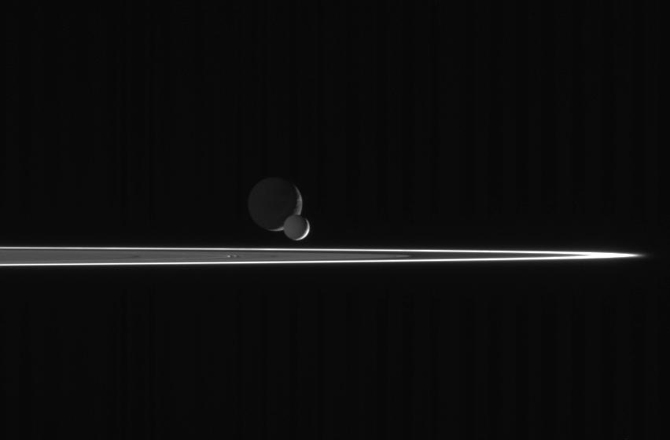
More about Enceladus at Wired.com. Also wikipedia.
“Enceladus is one of only three outer Solar System bodies (along with Jupiter’s moon Io and Neptune’s moon Triton) where active eruptions have been observed. Analysis of the outgassing suggests that it originates from a body of sub-surface liquid water, which along with the unique chemistry found in the plume, has fueled speculations that Enceladus may be important in the study of astrobiology.”
I really want Mengyu to make one of these with the first law of thermodynamics…
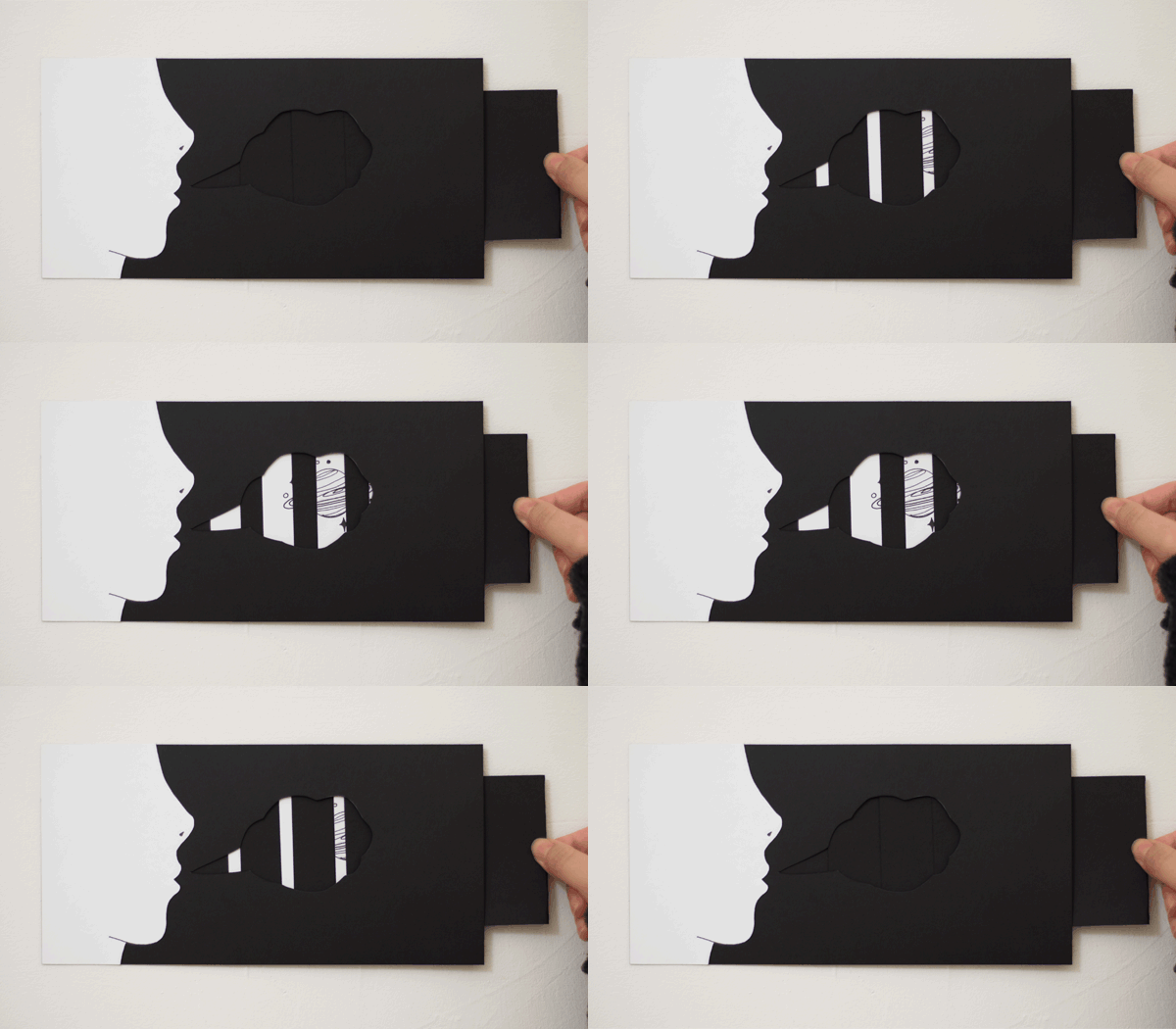
By Mengyu Chen, via Colossal.

(Click image for larger version)
By Jonathan Haggard, via Hey Oscar Wilde!
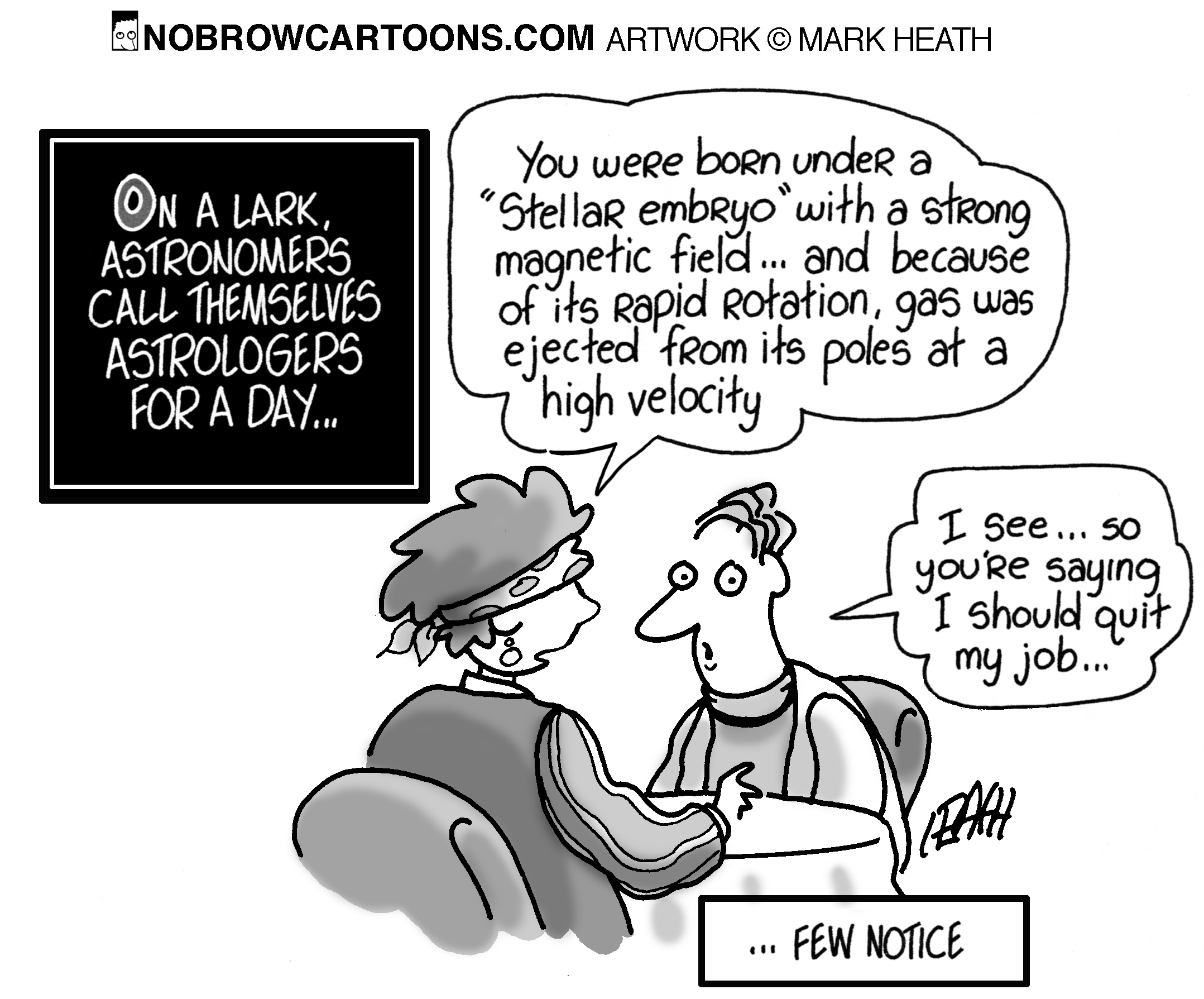








 popperfont.net