Axis-tilt: is the reason for the season. #awesome

Photo source unknown, via Fresh Photons

Photo source unknown, via Fresh Photons
(O.K. This designates my previous instagram post to the “I’m not worthy” category!)
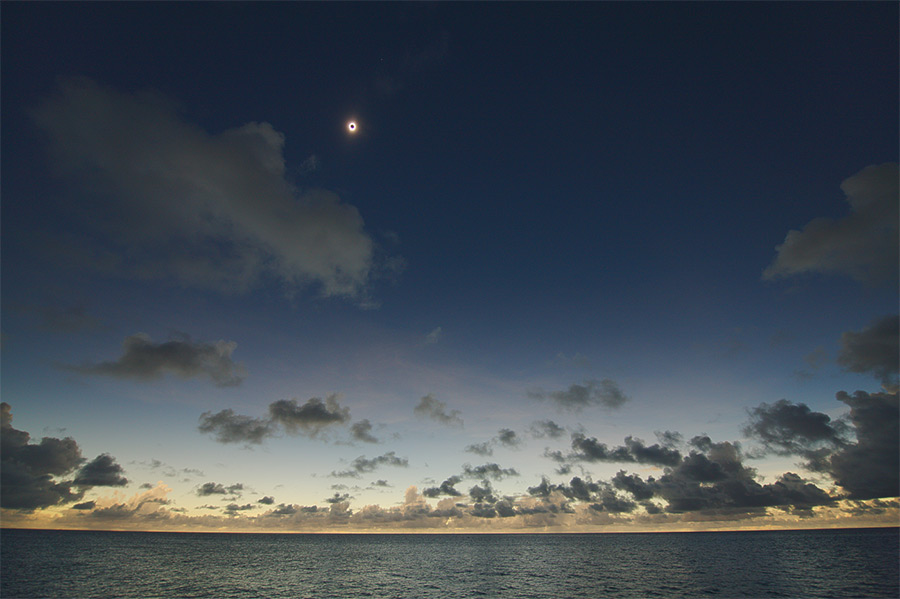
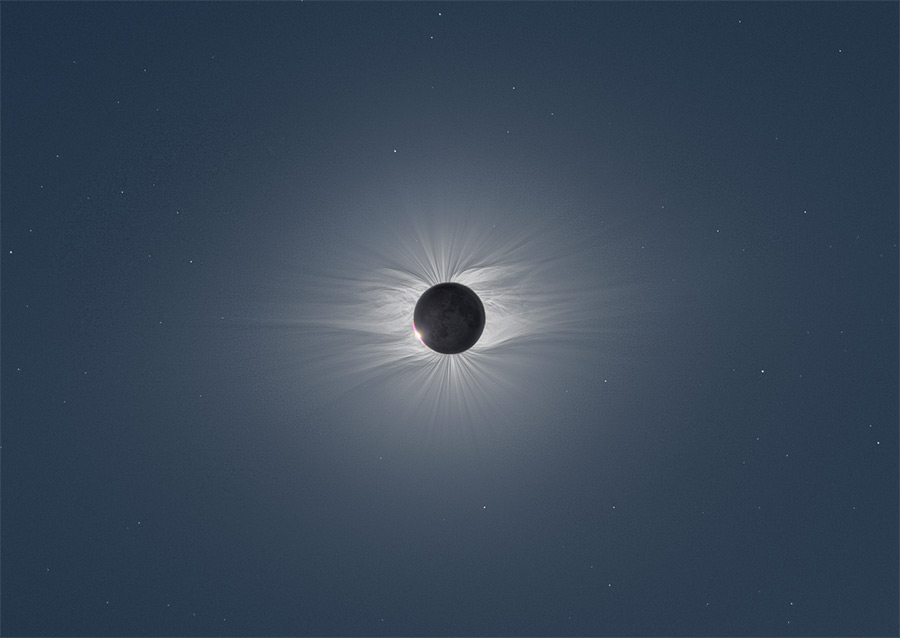
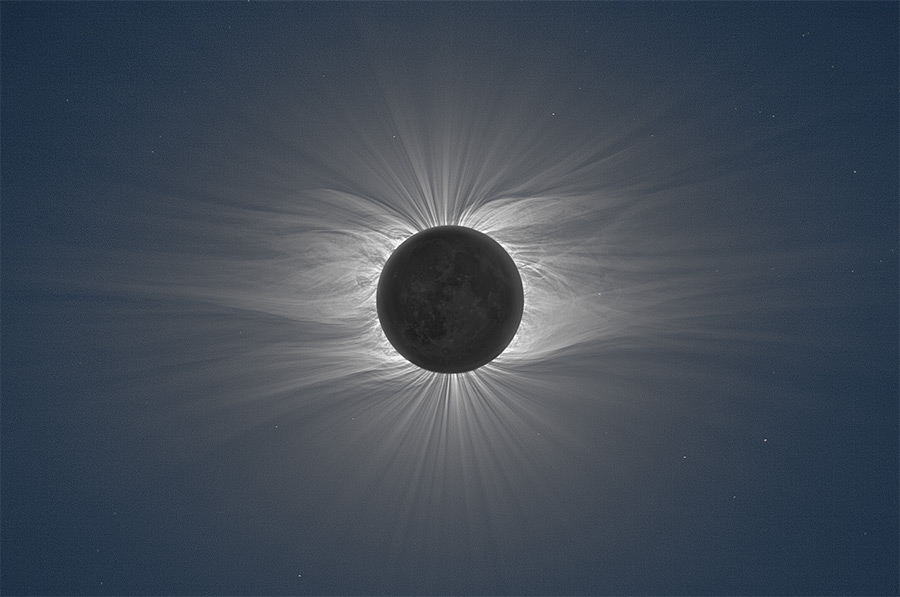
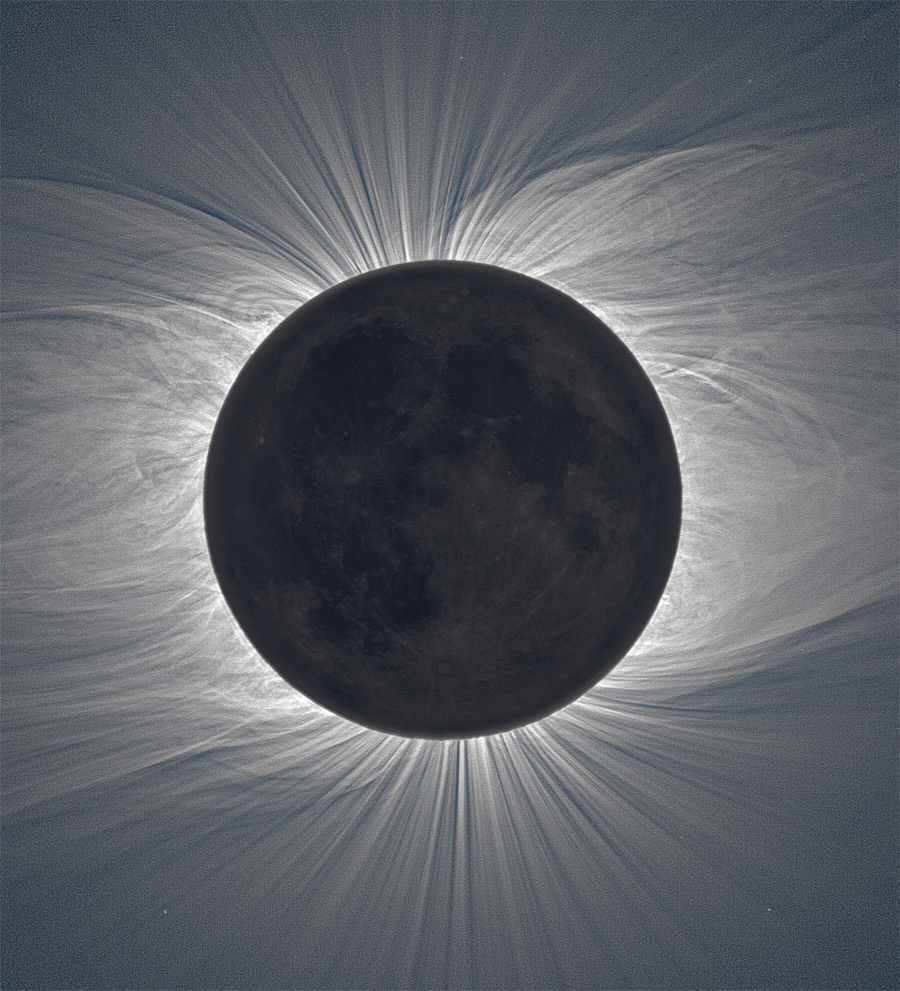
By Miloslav Druckmüller, via Colossal
… a piece of brilliant recreational math from Lee Sallows.
Specifically:
S + U + N = 3 + 0 – 3 = 0
M + E + R + C + U + R + Y = -6 + 4 + 1 – 4 + 0 + 1 + 5 = 1
V + E + N + U + S = -2 + 4 – 3 + 0 + 3 = 2
E + A + R + T + H = 4 + 6 + 1 – 1 – 7 = 3
M + A + R + S = – 6 + 6 + 1 + 3 = 4
J + U + P + I + T + E + R = -8 + 0 + 7 + 2 – 1 + 4 + 1 = 5
S + A + T + U + R + N = 3 + 6 – 1 + 0 + 1 – 3 = 6
U + R + A + N + U + S = 0 + 1 + 6 – 3 + 0 + 3 = 7
N + E + P + T + U + N + E = -3 + 4 + 7 – 1 + 0 – 3 + 4 = 8
P + L + U + T + O = 7 – 5 + 0 – 1 + 8 = 9
E + R + I + S* = 4 + 1 + 2 + 3 = 10
Via Futility Closet
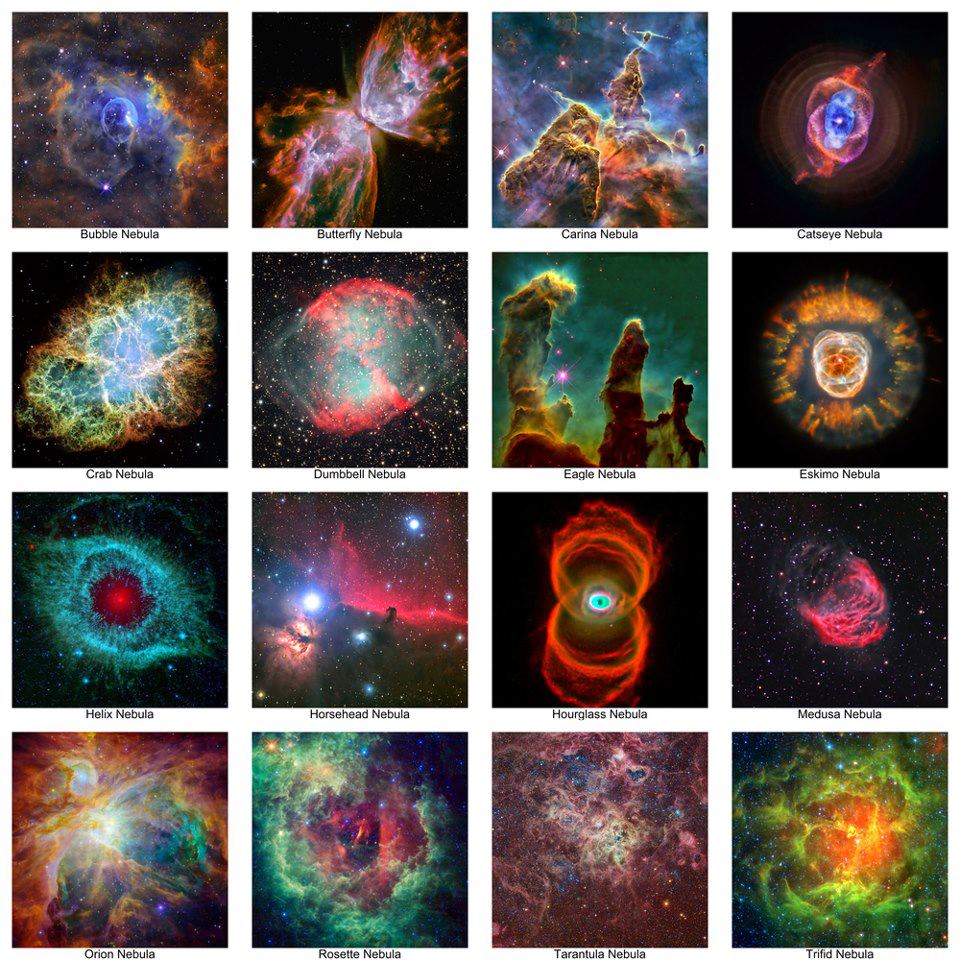
That is: “A nebula (from Latin: “cloud”; pl. nebulae or nebulæ, with ligature or nebulas) is an interstellar cloud of dust, hydrogen, helium and other ionized gases.” (from Wikipedia)
Images compiled by Antony McAulay, via ScienceAlert
If you have some time to kill, you can even read up on a few of them…
Eagle Nebula, Carina Nebula, Cat’s Eye Nebula, Horsehead Nebula, Crab Nebula, Butterfly Nebula (NGC 6302), Eskimo Nebula, Bubble Nebula (NGC 7635), Cat’s Eye Nebula, Dumbbell Nebula, Helix Nebula, Hourglass Nebula, Medusa Nebula, Orion Nebula, Rosette Nebula, Tarantula Nebula, Trifid Nebula
Pretty freaking cool actually…
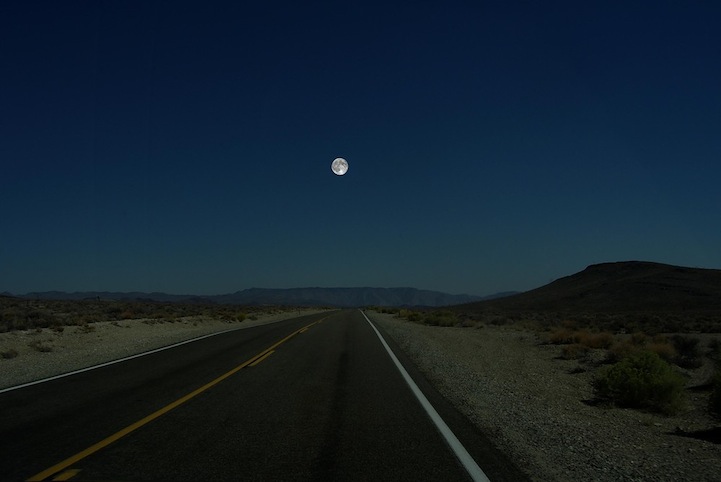
The moon
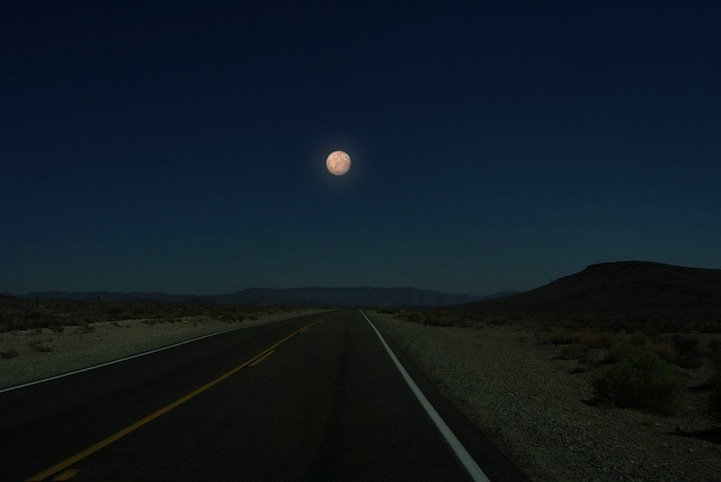
Mercury
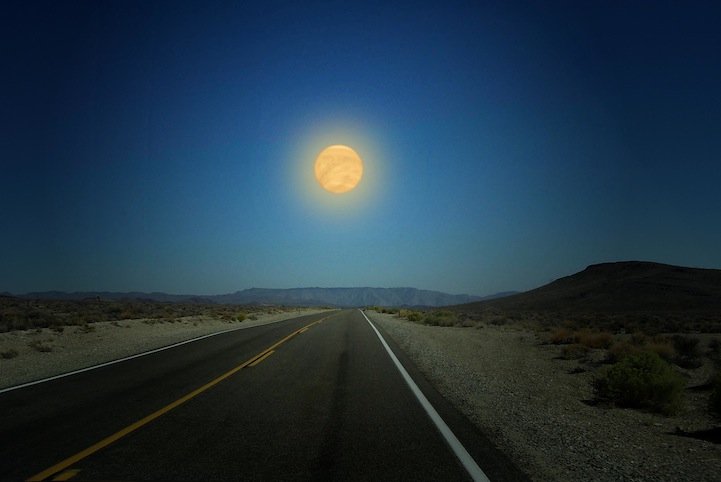
Venus
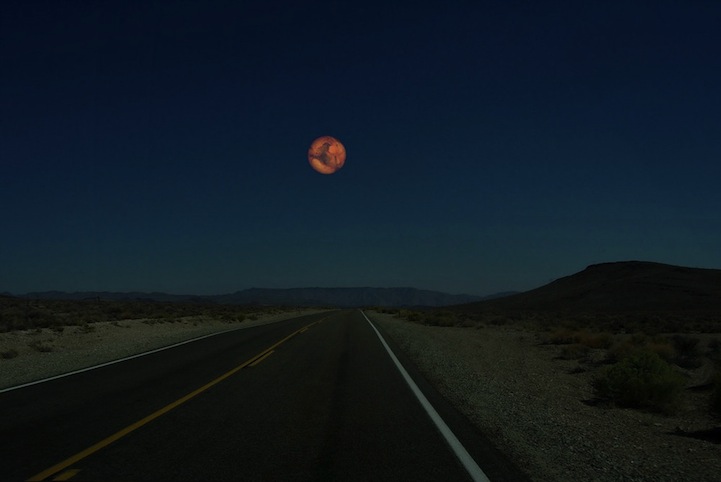
Mars
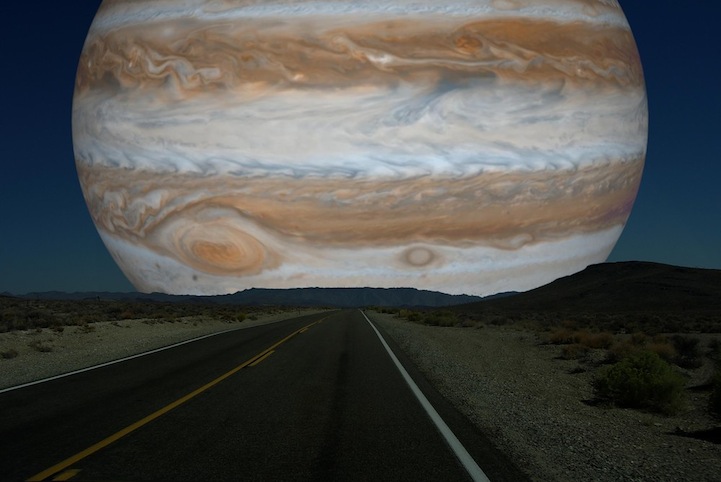
Jupiter
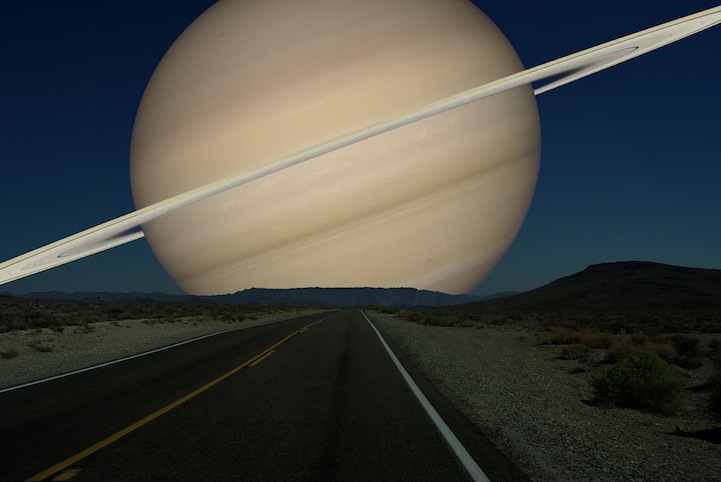
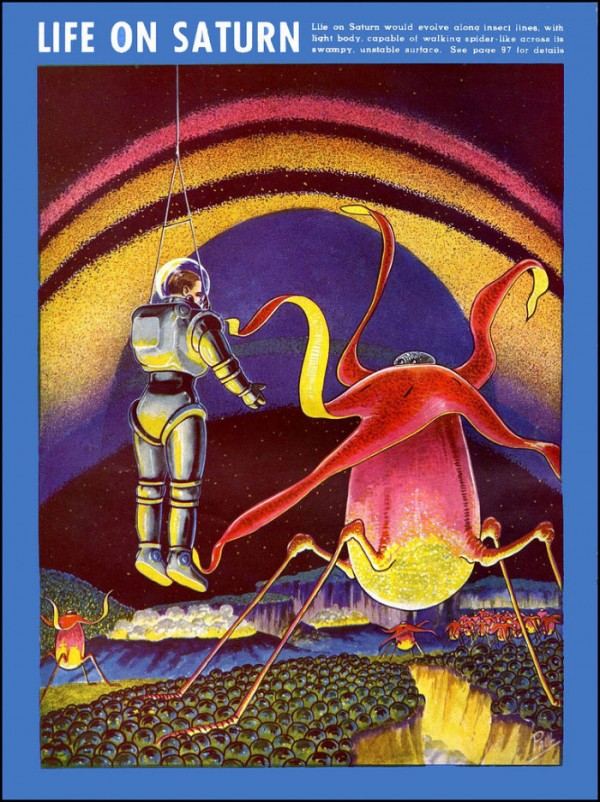
Saturn
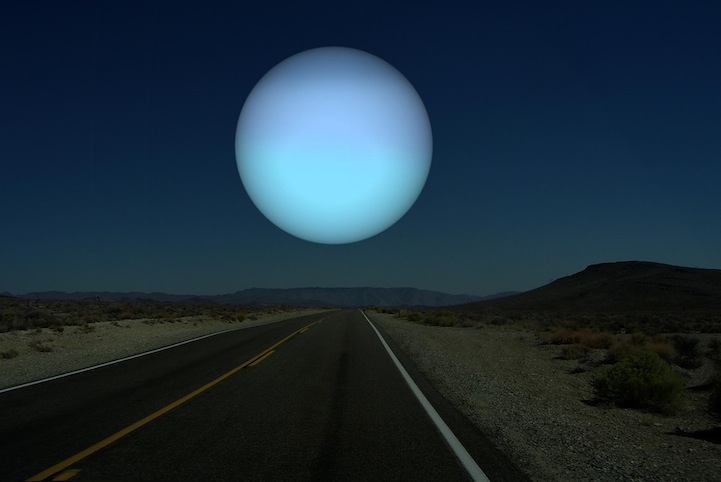
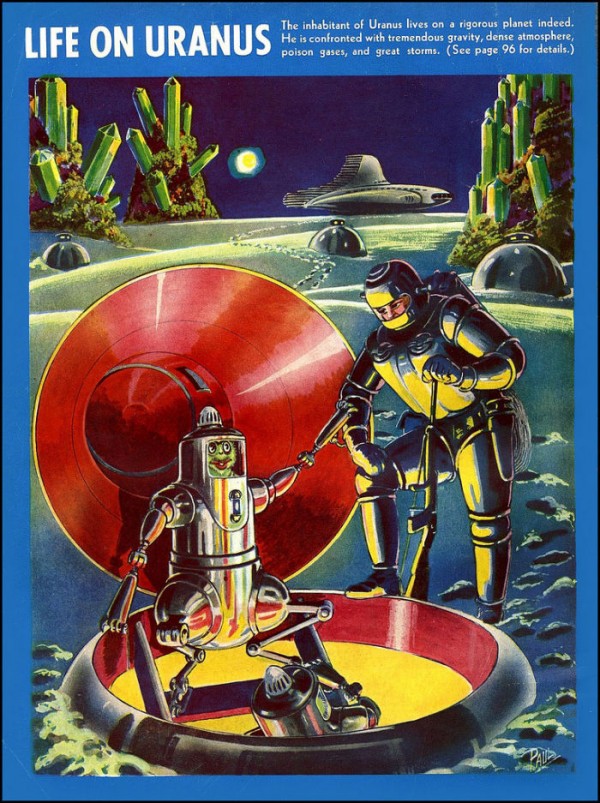
Uranus
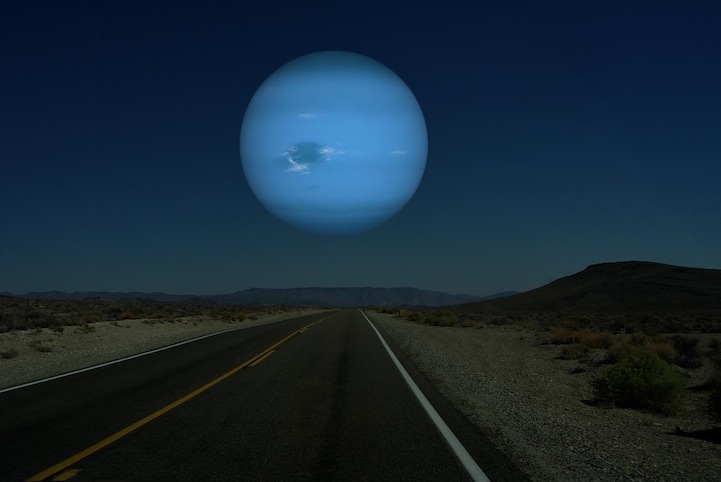
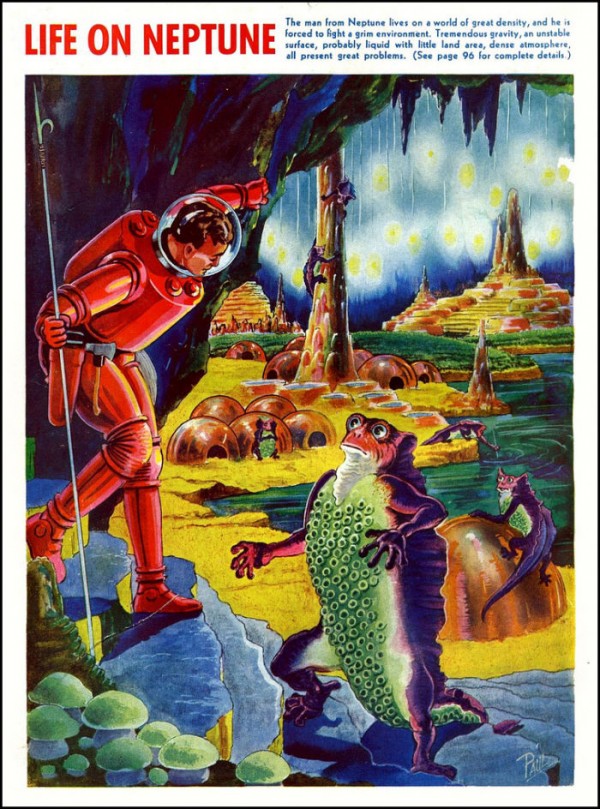
Neptune
By Ron Miller, via My Modern Met.
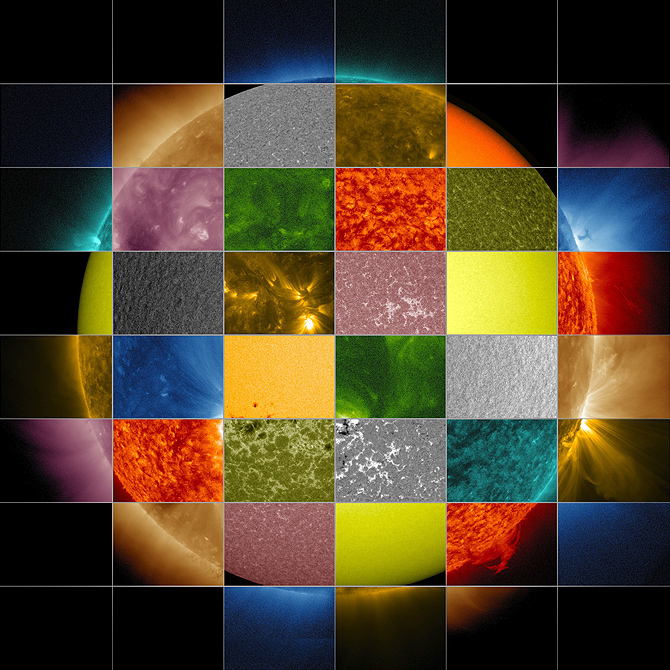
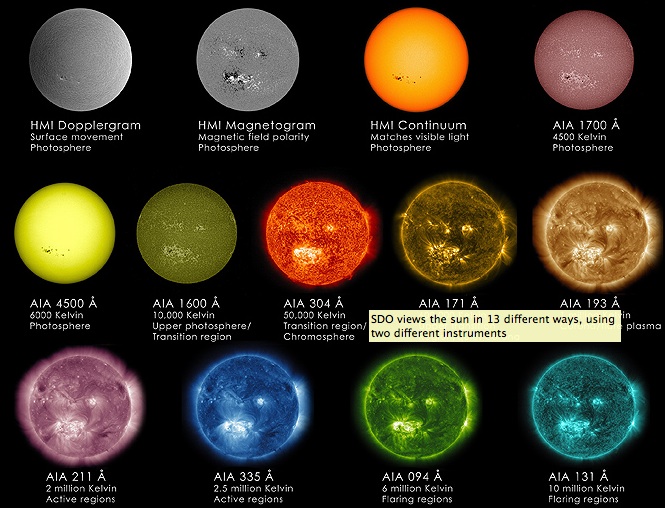
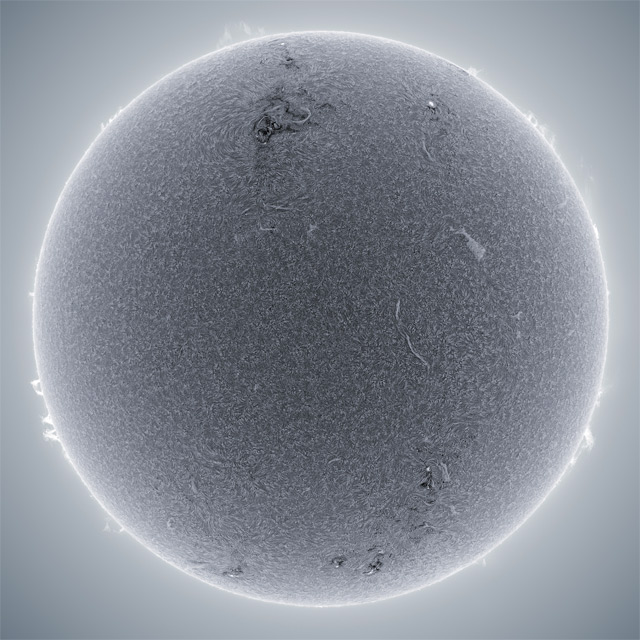
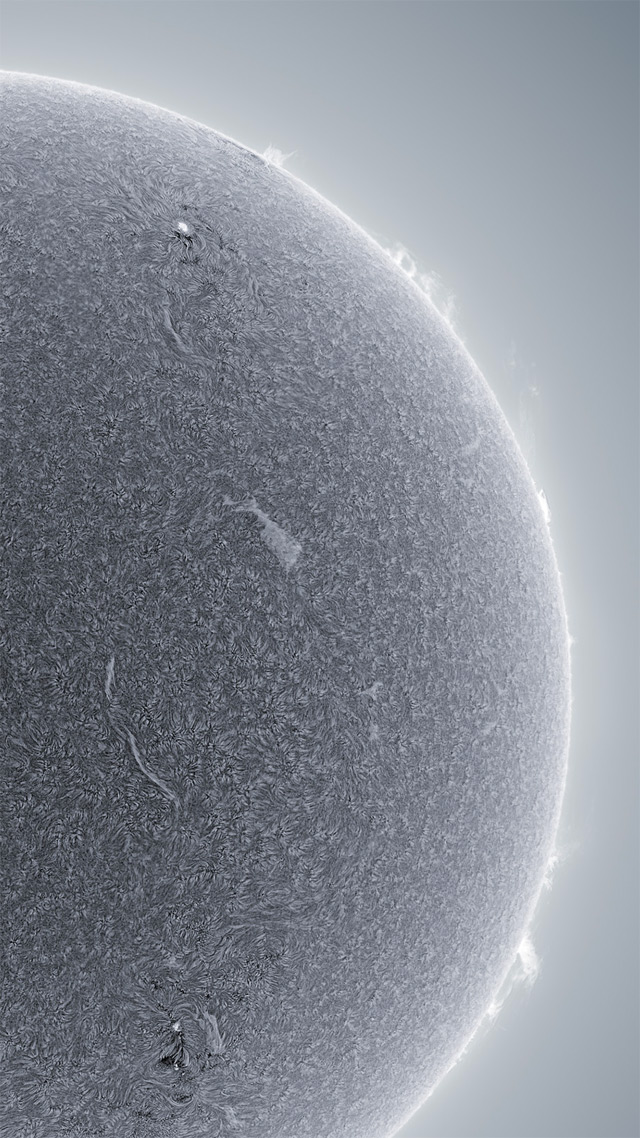
“Yellow-green light of 5500 Angstroms, for example, generally emanates from material of about 10,000 degrees F (5700 degrees C), which represents the surface of the sun. Extreme ultraviolet light of 94 Angstroms, on the other hand, comes from atoms that are about 11 million degrees F (6,300,000 degrees C) and is a good wavelength for looking at solar flares, which can reach such high temperatures. By examining pictures of the sun in a variety of wavelengths – as is done through such telescopes as NASA’s Solar Dynamics Observatory (SDO), NASA’s Solar Terrestrial Relations Observatory (STEREO) and the ESA/NASA Solar and Heliospheric Observatory (SOHO) — scientists can track how particles and heat move through the sun’s atmosphere.”
I love this. To do with these 8 asteroids, and explained in full at the always brilliant futility closet*.
1227 Geranium
1228 Scabiosa
1229 Tilia
1230 Riceia
1231 Auricula
1232 Cortusa
1233 Kobresia
1234 Elyna
*tagged here (without copying), in case you wish to find an interesting story under astronomy, science history, or scientist.
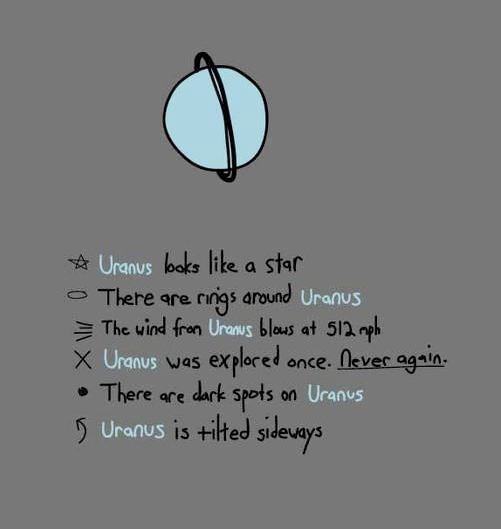
Artist unknown. Via IFLS.
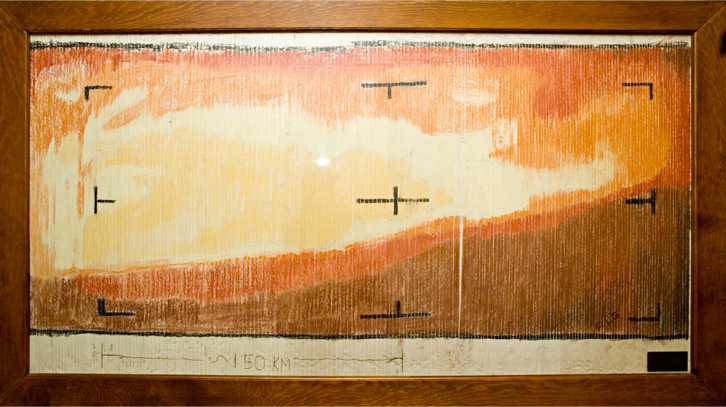
“A “real-time data translator” machine converted a Mariner 4 digital image data into numbers printed on strips of paper. Too anxious to wait for the official processed image, employees from the Telecommunications Section at NASA’s Jet Propulsion Laboratory, attached these strips side by side to a display panel and hand colored the numbers like a paint-by-numbers picture. The completed image was framed and presented to JPL director, William H. Pickering. Mariner 4 was launched on November 28, 1964 and journeyed for 228 days to the Red Planet, providing the first close-range images of Mars.”
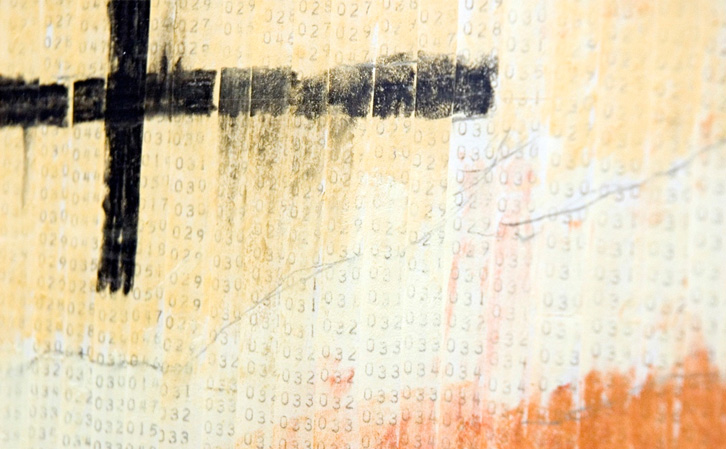
Close up (Dan Goods)
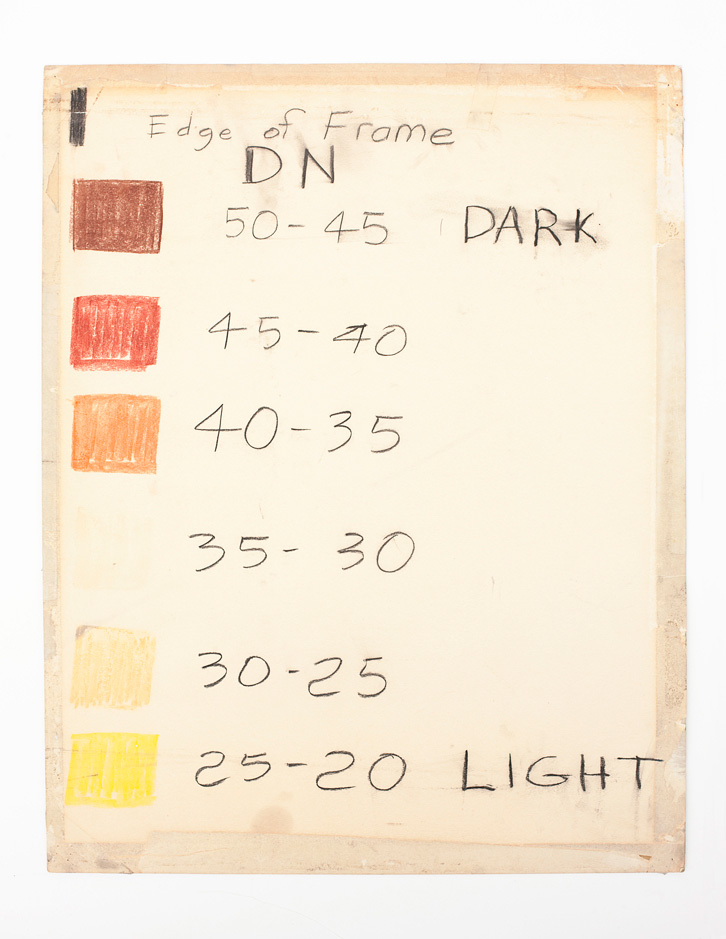
Color Key (Spencer Mishlen)
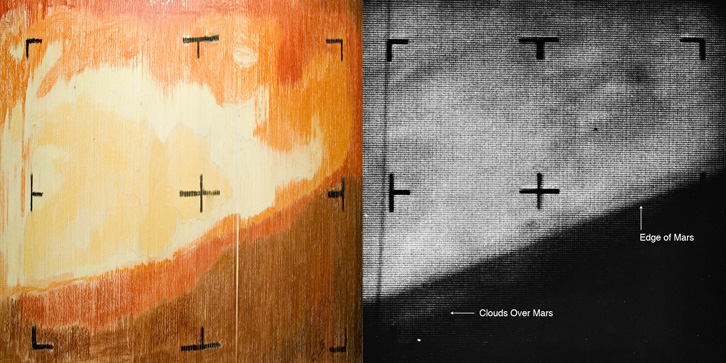
Side by side comparison of drawn image and actaul image (JPL/Caltech)
Text and images from NASA/JPL/Dan Goods, via Wired.
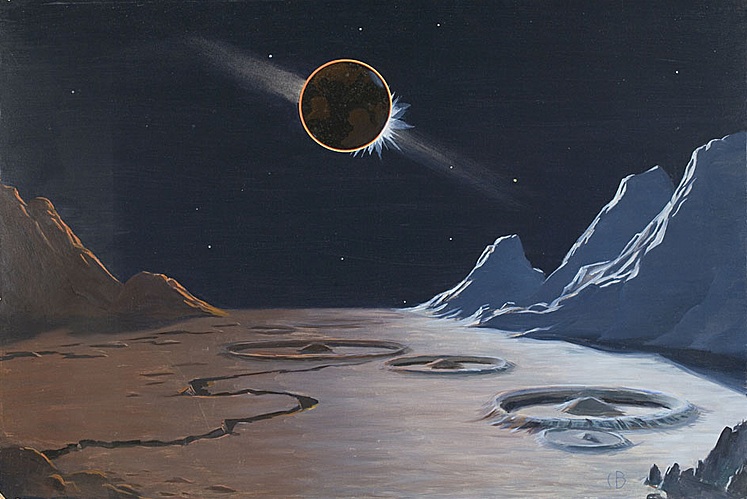
Charles Bittinger, Eclipse of the Sun by the Earth, 1930s
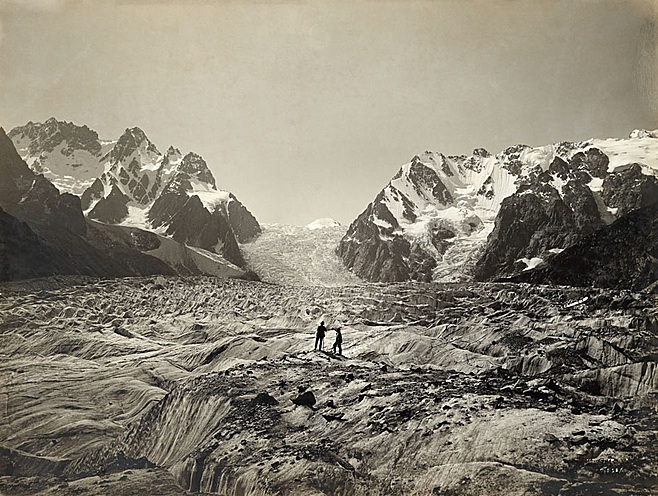
Vittorio Sella, A Cascade of Weathered Ice Spills From the 14 Square Mile Glacier, Karagour Glacier, Caucasus Mountains, Russia, 1910s
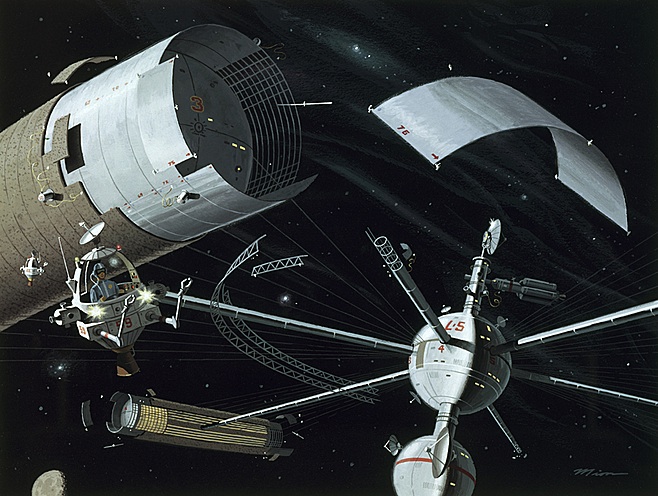
Pierre Mion, Habitat in Space, 1970s
On display at the Steven Kasher Gallery until February 16th, 2013


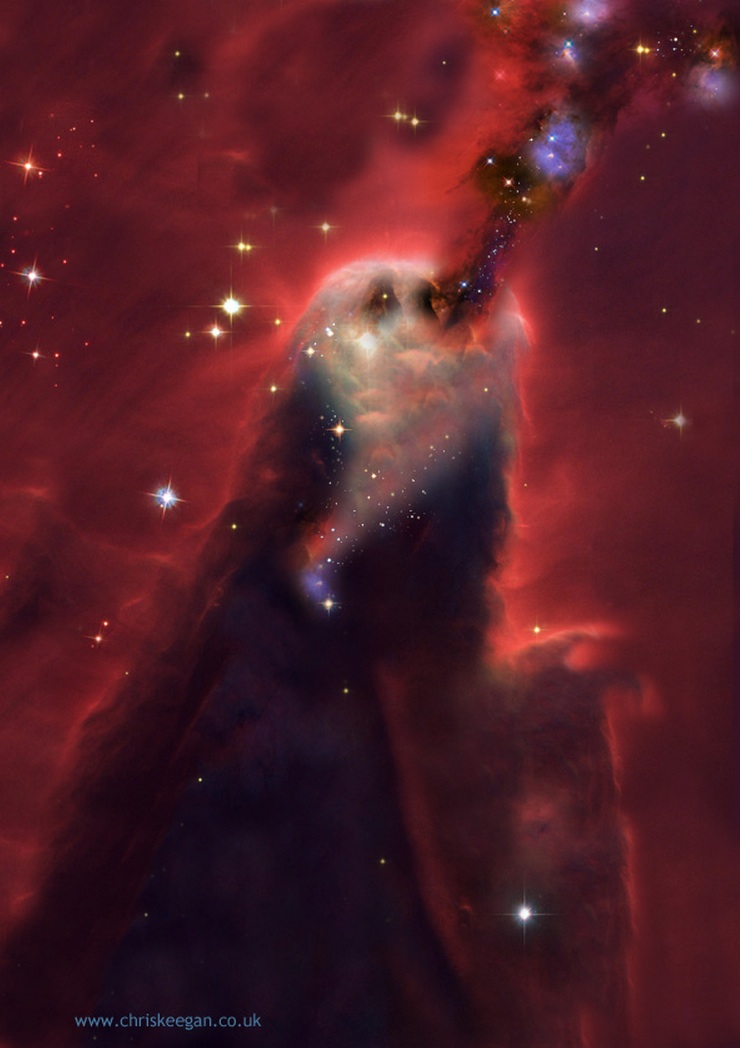



 popperfont.net