
.




April 3, 2014
I heard that oxygen and magnesium were going out and… #funny #chemistrypun

From all over the internet.
April 3, 2014
WHOA… Slow Life: Who needs timelapse sunsets and night skies when you have timelapse invertebrate awesomeness?!
I recommend watching this on full screen in HD mode, preferably in a dark place with head phones. It’ll feel so intimate, you’ll blush…
Slow Life from Daniel Stoupin on Vimeo.
By Daniel Stoupin, via Colossal
April 2, 2014
Joke paper on effect of real versus placebo parachute use whilst jumping out an airplane
To quote:
“As with many interventions intended to prevent ill health, the effectiveness of parachutes has not been subjected to rigorous evaluation by using randomised controlled trials. Advocates of evidence based medicine have criticised the adoption of interventions evaluated by using only observational data. We think that everyone might benefit if the most radical protagonists of evidence based medicine organised and participated in a double blind, randomised, placebo controlled, crossover trial of the parachute.”

Download the pdf here.
March 31, 2014
Who wants to design a genetics themed card game? Summer positions for UBC students available at my lab.
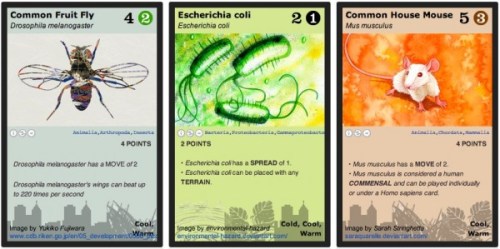
So, first things first – you have to be a UBC student (undergrad or grad) to be eligible for these (two) positions. As well, I’d be keen to extend the positions beyond the 20 hours per week to a more full time scenario if that works for the successful candidates.
Anyway, the link you need (and you’ll also need to enter via UBC’s CWL system) is:
Full details are as follows:
Title: WL (Work Learn) S14 Science Literacy Lab Assistant
Salary/Wage: $16.10 per hour. Minimum 20 hours per week. Approximately 15 weeks during summer months.
Anticipated Start Date: May 5th, 2014
Contact Details/Employer: Dr. David Ng, Michael Smith Labs – more details about his lab at http://bioteach.ubc.ca
Apply by: Appointment paperwork needs to go in by April 19th, and I’ll definitely want to be interviewing the best candidates – so maybe by around April 11th is best.
Description: The AMBL science education facility within the Michael Smith Laboratories is looking to hire a senior undergraduate student or junior graduate student who is both passionate about biodiversity research and science education. In short, this student will be part of a team tasked to design an educational card game that focuses on a variety of learning objectives aimed to explore the science and genetics of model organisms (i.e. e. coli, yeast, drosophila, xenopus, zebrafish ,mouse).
This will be built around existing trading card culture mechanics from the PHYLO project (http://phylogame.org), and slated to be offered as both a freely accessible online resource, as well as stand alone product for physical printing and distribution within educational contexts.
For this stage of the project, the student hired will have a significant role in both the design, and the play testing of the final card game, which is slated for a late 2015/early 2016 launch.
Qualifications: Life science background (particularly in molecular genetics) is a plus, though not necessary. Interest in societal and historical issues that encompass science and technology topics is beneficial. Given that the project uses a variety of digital avenues for card design and production, comfort around various blogging platforms and graphic design software is also beneficial. Interest in game development, and general engagement with “games” is also a plus.
Learning Outcomes: Students will receive a variety of training on science literacy advocacy, game development, science pedagogy, as well as skills related to use of online tools, and some graphic design.
Students will be asked to work in both collaborative and independent contexts, with frequent meetings to assess needs and progress. Mentorship would likely involve contact with relevant experts in both the science education sector, as well as those in model organism research (many of which can be found at the Michael Smith Laboratories). One of the learning objectives examined in the project, will be to see if these cards can be used in both public school setting (high school in particular), but also whether this resource can play a role in undergraduate teaching as well.
In terms of expanding networks, the Phylo card game project has a number of collaborations in the mix (including those with major natural history museums, such as the American Museum of Natural History, and London’s Natural History Museum). This particular model organism deck will be aligned with the Genetics Society of America.
For further details, please feel free to email me at db at mail dot ubc dot ca. You can also apply via this route (I’ll need your CV and a cover letter).
Game on!
cheers
dave
March 31, 2014
Brilliant cartoon commentary on climate change issues by Kudelka
The top one, in particular, is brilliant.
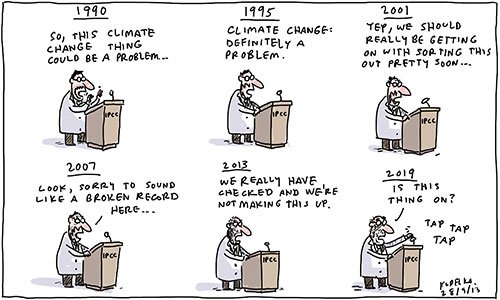
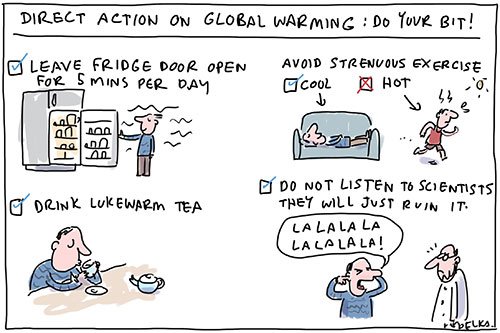

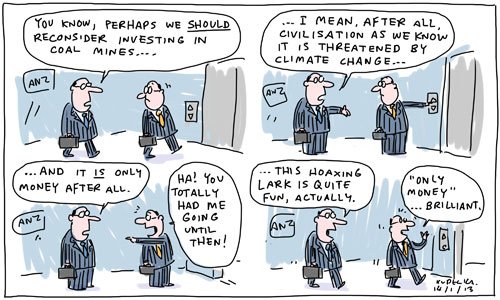
By Jon Kuldelka (you can also buy prints of these at the link).
March 31, 2014







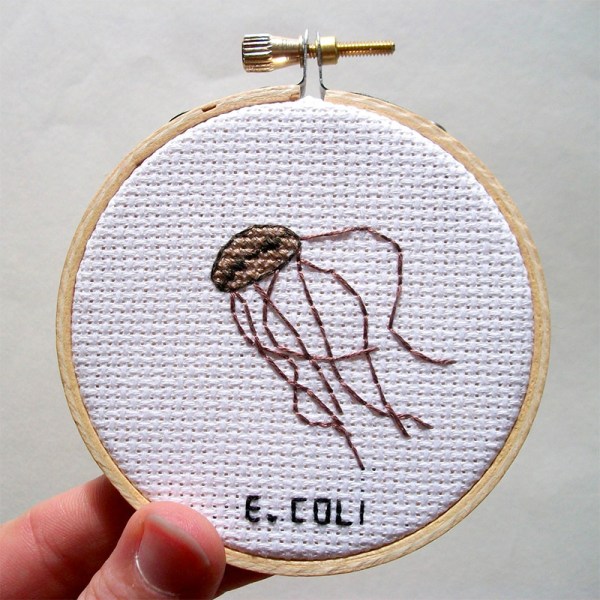
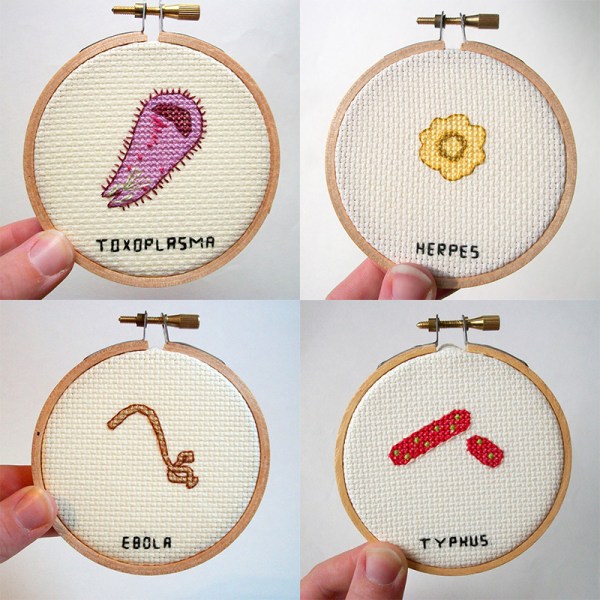
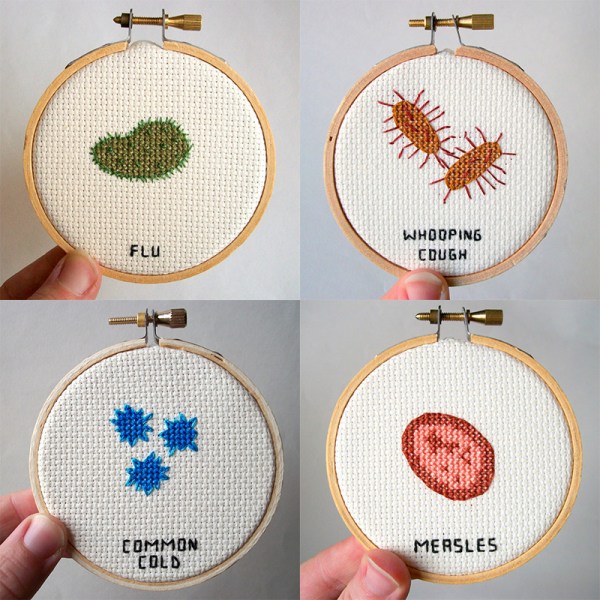


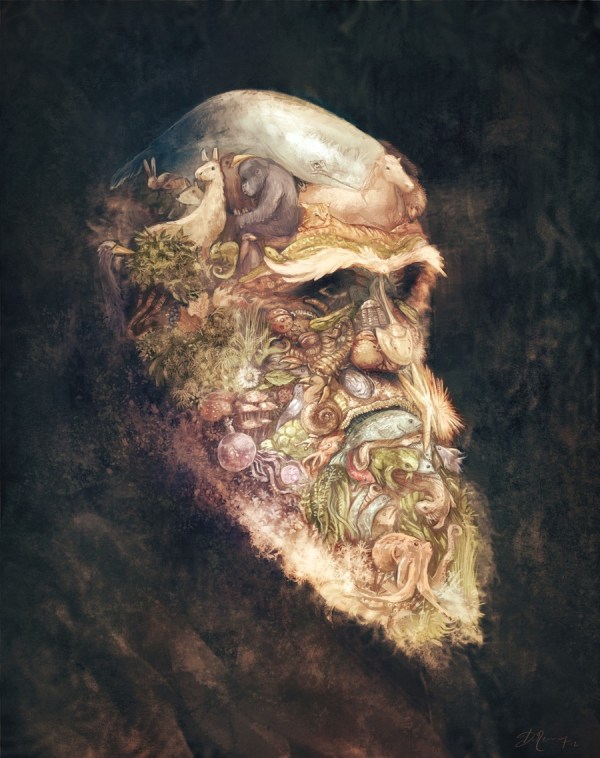

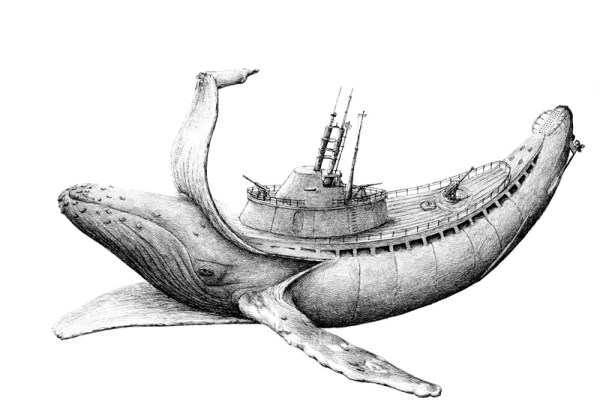

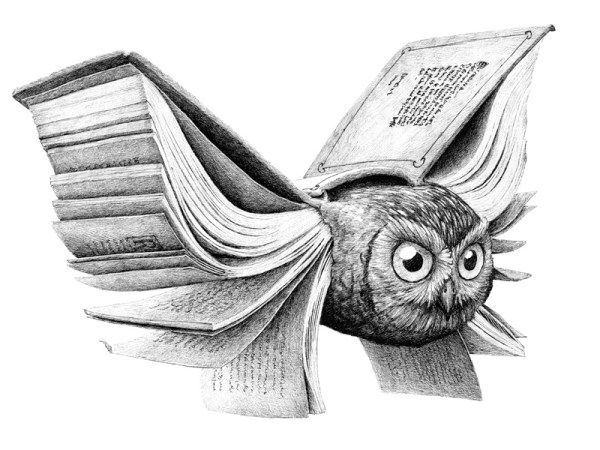
March 4, 2014
This satire on art is perfection: I wish everyone could buy this book!
Admittedly, not science, but maybe we can use this to discuss different types of perspectives (especially from the Science and Art angle). Regardless, it is very very funny.


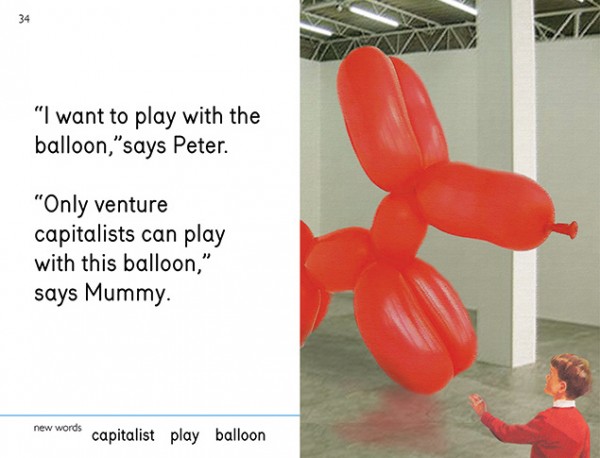

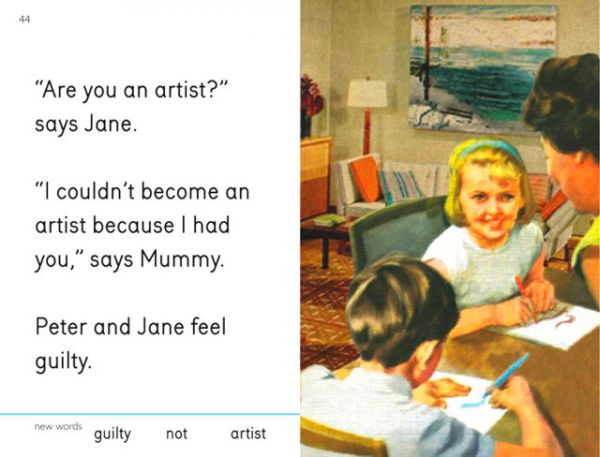
By Miriam Elia, there’s a chance you might be able to purchase it by visiting here. Via Visual News


 popperfont.net