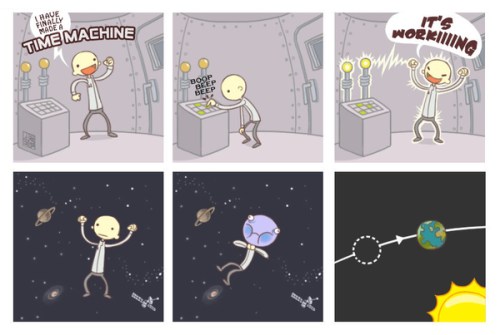
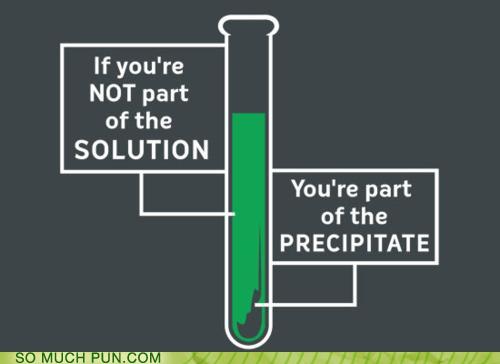
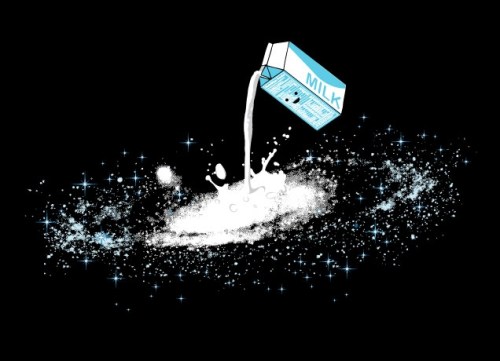
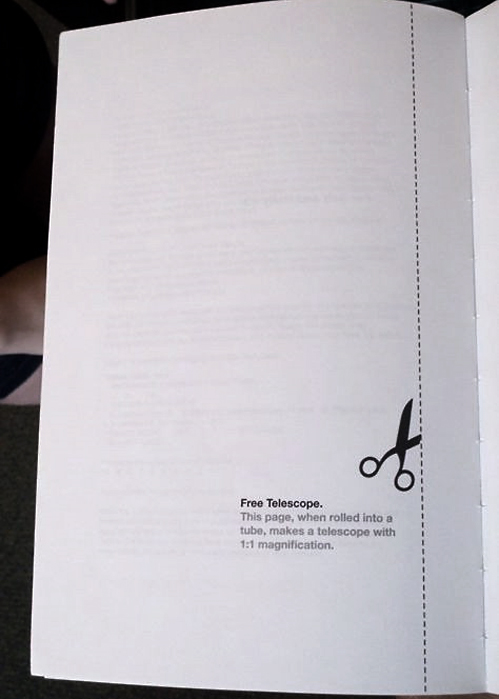
This is how scientists see the world. No, really…
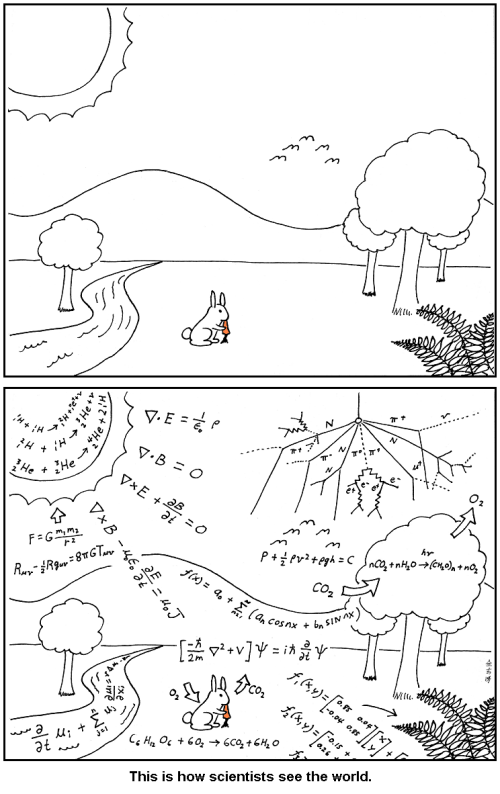
Via Abstruse Goose.

“The first test involved E. coli bacteria, ceramic tiles, and gummy bears. It was a simple timed test to see if the gummy bears had picked up any bacteria at all after five seconds. They had. But was the relatively short time they’d been exposed to the bacteria a mitigating factor? What if they’d been on the floor an hour? A second series of tests picked up were the first left off. This one used slices of bread on surfaces contaminated with salmonella. Five seconds of exposure left the bread with between 150 and 8,000 bacteria. A minute left them with about ten times as much. So overall, there is value in snatching a piece of food off the floor as quickly as possible. Still, a minute is twelve times as long as five second, while the food had only picked up ten times the bacteria. Clearly there was a rush of bacteria the moment the food hit the floor.”
From io9.com.
“Listen up. I know the sh*t you’ve been saying behind my back. You think I’m stupid. You think I’m immature. You think I’m a malformed, pathetic excuse for a font. Well think again, nerdhole, because I’m Comic Sans, and I’m the best thing to happen to typography since Johannes f**king Gutenberg.”
When McSweeney’s delivers, it really does deliver – link
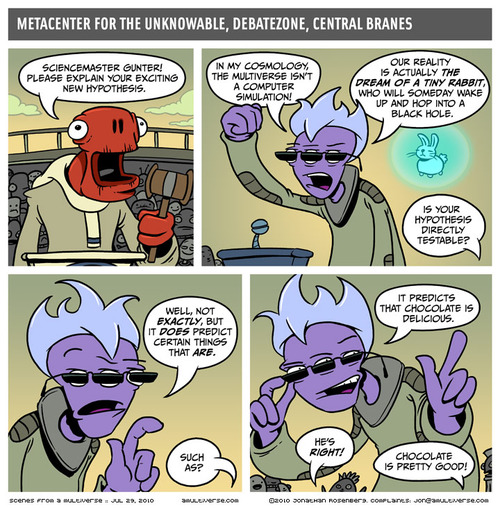
I wonder if a similar thought process occurs when climate change denialists enter the fray.
This is a quote from an awesome awesome read. It’s called “Diamond planets, climate change and the scientific method” and you should go check it out now.
So what’s going on? The short version is that this is a “hello Popperfont and goodbye to Scienceblogs” post. The long version goes a little like this:
1. For a while now, I’ve been using twitter, primarily as a place to highlight interesting things. It has more or less replaced my blogging output. These tweets are often science-y, visual in nature, and with (of course) the occasional dose of Chewbacca. However, it soon became obvious to me that I should start blogging again so that such things could be compiled: more so because I’m a big fan of using these odd snippets to segue into scientific discussions in class. With twitter (as lovely as it is), it was just too easy to lose these interesting links. With blogging, I figured there would be more features to archive things more effectively. Plus, this was an easy way to make sure there was a consistent stream of content (kind of like using twitter to blog).
2. I really wanted to start writing again. What I mean here, is that I’m quite out of practice. You consistently hear from other folks that writing is a little like a muscle. It needs more than the occasional flex, but rather a full-on regime of exercise. Things at work have been busy (aren’t they always?), but writing is definitely something that I’ve missed doing, and something that I feel I need to practice all over again. I can also add that the last post I did for boingboing.net was a major proverbial kick in my ass. Clearly my editorial spider sense is off, and so (as they say) practice, practice, practice…
3. Here is the heart of the matter. My really wanting to do something, and actually doing it are two very different things. Indeed this whole desire to start writing again was initiated by an act of irony. That is, I’ve just sent in a friendly “thanks for the memories” email to Scienceblogs, who were asking to renew contracts etc. Here, I declined because I really wasn’t doing much at the World’s Fair (again with the busy excuse). For whatever reason, I wasn’t necessarily inspired by having an outlet at Scienceblogs. Because of this, it was only fair to ask to be taken off Scienceblogs – hence the reason why you are reading this hello post (there is the almost identically worded goodbye post at Scienceblogs).
Ironically, this course of action is what is getting me to blog again. By ending things at Scienceblogs, it feels like an opportunity to start fresh: and fresh starts can be incredibly exciting and invigorating. In many ways, the idea of having a new online home is making me want to write more – does that make sense? Plus, this is also a chance to have full aesthetic control over how a blog might look, which is something I’ve always kind of wished I could do. I’ve never been a fan of websites that were overly busy looking, so getting to do my minimalist thing was definitively an advantage.
In any event, this is to say that overall, Scienceblogs was a great experience, and was a wonderful way to connect with similar folks around the globe. Sharing that platform with Ben and Vince (and indeed the rest of the community, bloggers and managers alike) over the years has been an absolute privilege. For that I am grateful, but now it is time to move on.
4. And where will I move on to? As mentioned above, I’m keen to try this independently for while. I’ve been collecting my tweets for the last few weeks here at Popperfont, so this seems as good a place as any to “have a go.”

And what will I blog about? Mostly, the content that my twitter account points to, but hopefully there will be some meaty stuff here and there as well.
Specifically, I’m keen to produce a weekly (this might be optimistic but I will do my best) series, which I’m going to call “sciencegeek fundamentals.” In essence, the aim of these pieces is to discuss and go over some key scientific concepts, but in a manner that is hopefully engaging to readers and possibly unconventional. We’ll start next week, but to give you a sense of the sort of writing I gravitate to, you can take a gander at some of my clips, as well as consider the working title of my first “sciencegeek fundamentals” piece (The scientific method by way of Chewbacca).
As well, I’m already working on a book for children where the scientific method is central to the plot (It’s called Lizzie Popperfont and the Collider Whale Tale). No expectations here… just enjoying myself as I put ideas down and work out the narrative. Who knows – maybe one of these days, we’ll try to find an agent and and publisher for this endeavor.
5. Finally… what’s with the name “Popperfont?” Nothing too deep… just kind of rolls nicely on the tongue, and with my inherent interest in creative arts and science, I thought the mix of Karl Popper and Typology sort of works.
cheers
dave
For more info, please check out www.takepart.com/contagion
Dark Matters from PHD Comics on Vimeo.
From the folks who bring you PhD (Piled Higher and Deeper).
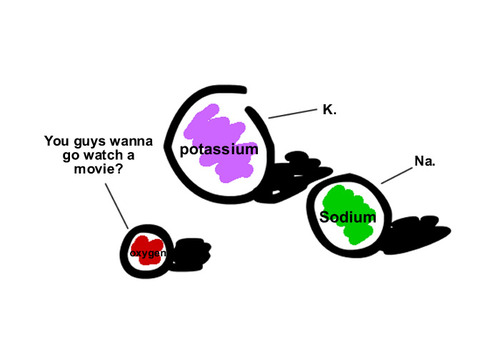
Unfortunately, I can’t figure out where this came from.
 This is very very funny, and is seriously a contender for the “official” comic piece for the Arts/Science Integrated Course on Global Issues that I teach (I like the bit at the end about macroeconomics).

Get the t-shirt here.
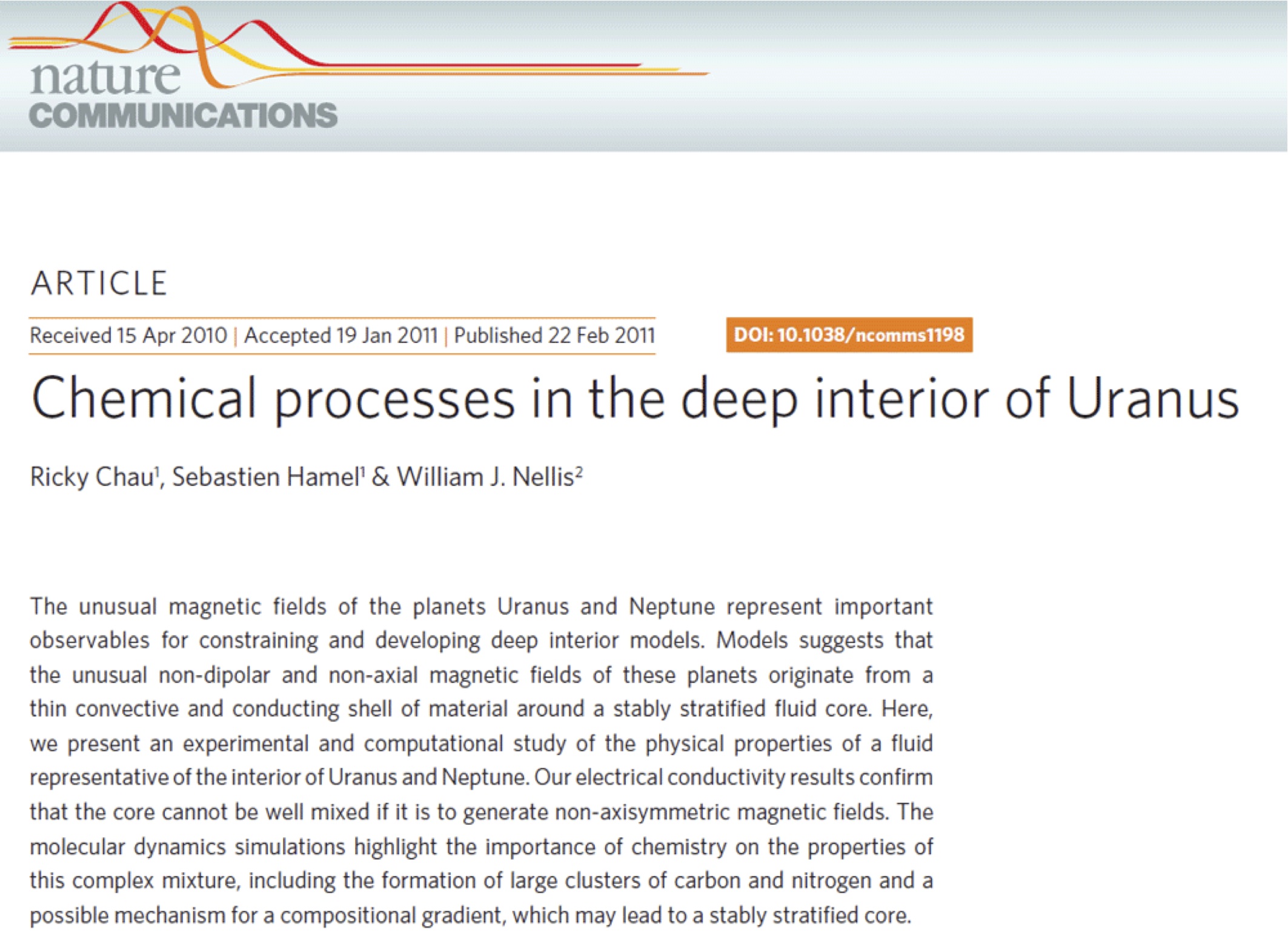
Link to paper at Nature here.
“If (David) Eagleman’s body bears no marks of his childhood accident, his mind has been deeply imprinted by it. He is a man obsessed by time. As the head of a lab at Baylor, Eagleman has spent the past decade tracing the neural and psychological circuitry of the brain’s biological clocks. He has had the good fortune to arrive in his field at the same time as fMRI scanners, which allow neuroscientists to observe the brain at work, in the act of thinking. But his best results have often come through more inventive means: video games, optical illusions, physical challenges. Eagleman has a talent for testing the untestable, for taking seemingly sophomoric notions and using them to nail down the slippery stuff of consciousness. “There are an infinite number of boring things to do in science,” he told me. “But we live these short life spans. Why not do the thing that’s the coolest thing in the world to do?”
Read more at the New Yorker.
By DAVID NG
To begin with, we’ll start with a chicken scratch drawing of a DNA molecule, which you know is double stranded. My poor pathetic attempt at illustration is therefore going to look like this:

You also know that each strand of DNA is composed of building blocks called nucleotides, and that these nucleotides are always interacting in a complementary manner. For example, A’s are always with T’s, C’s are always with G’s, Beavis is always with Butthead, etc etc etc. Let’s draw them in like so:



 popperfont.net