Wonders of Evolution: The Newly Discovered “Sporked-Tongued” Lizard of South Eastern England

By Gemma Correll.

This is so lovely, I had to include it at Popperfont. The trick, of course, is to see if we can work this into a science lecture. Prelude to taxonomy (Hulk is so different)? Human evolution, or manipulation (the super human thing). Any other ideas?
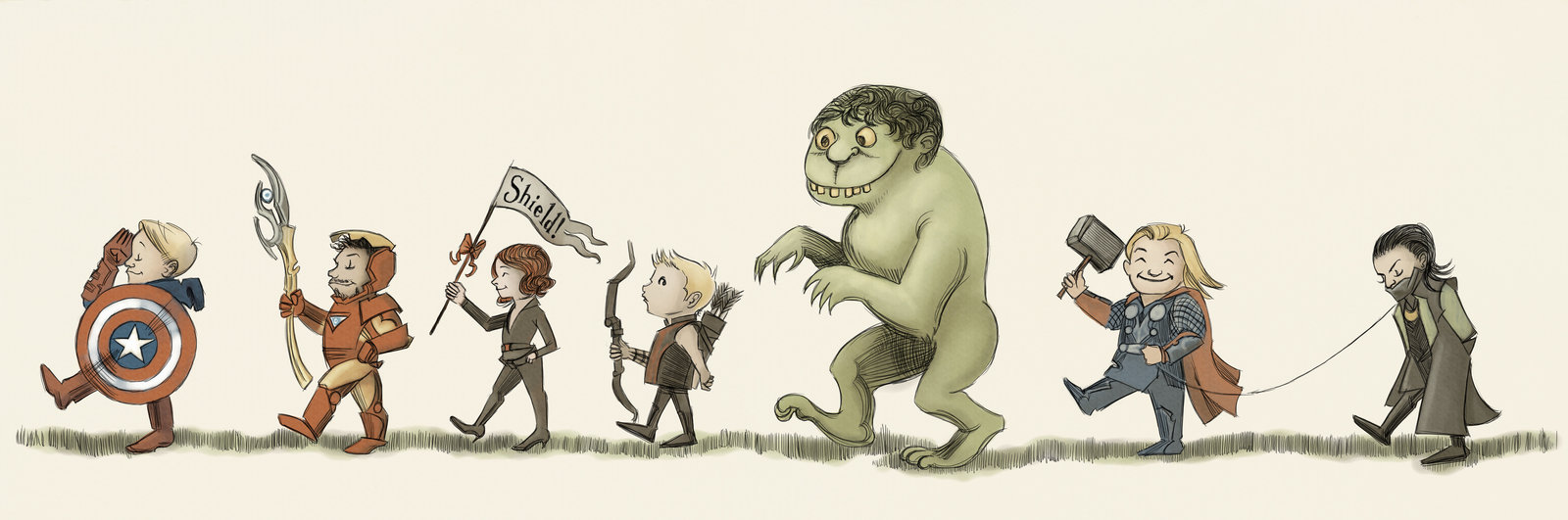
(Click for larger version)
By Hannah Friederichs, via DeviantArt.
You just knew that the Wookies would make good organists. Too bad, Bach was not much of an operatic composer. A wookie opera would be something else…

Unknown source – as in all over the web.
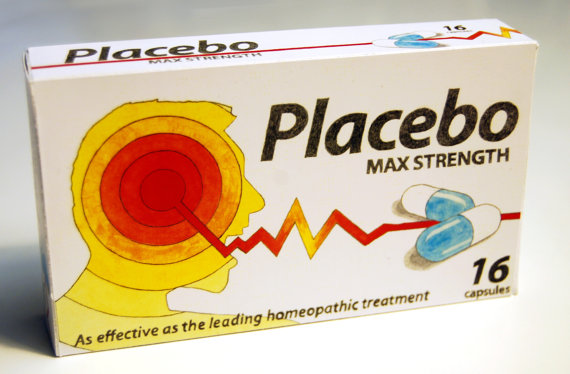
Available here (by Spelling Mistakes Cost Lives), via boingboing.net.
It’s footage like this that makes me wish I was an astronaut (best viewed in full screen).
“The International Space Station Expedition 30 crew shot some truly awe-inspiring time-lapse sequences flying over practically every square mile of the globe.
I downloaded the high-resolution image sets that have been made available by the NASA Johnson Space Center and constructed this short time-lapse film in hi-res 2K project format. I was amazed at how clean the Nikon D3S images turned out (even at ISO 3200 and above) which kept the post-processing requirements to a minimum.
By Adonis Pulatus.
Ben Cohen and I wrote this one a few years back. The Nude mouse (image from wiki) has always been one of those things that is almost always misunderstood by the general public. Consequently, we decided to write something that could also work as a pinup. Hey, these mice also need some validation – they have feelings too…

(CLICK HERE FOR PIN-UP POSTER – pdf file ~250k)
– We suggest photocopying at 129% – LTR to 11×17 –
Earlier this week, we had the chance to sit down with a member of a growing army of naked bubble mice. In thousands of biology labs around the globe, these lab mice quietly do their part in the pursuit of science and medicine. Called Nude Mice, these striking creatures are a result of spontaneous inbreeding, natural genetic freak shows if you will. More importantly, they are bereft of both hair and immunity – things that would normally protect them from the elements of the sky and the cooties of the world. And lucky for us, traits that not only afford some big advantages in the research arena but make for a great interview. The nude mouse we interviewed was just finished with a talk biopsy, so we met in his lab while he worked through his lunch.
– – –I want to shoot straight from the hip here: On having no hair. How is it?
It can get cold sometimes, but generally it doesn’t bother me. Besides, most females prefer it that way.
Okay, okay. Then I’ll stay on this pattern: On having no immune system. Your thoughts?
Well, I have to say that as bad as it sounds, I love it. I mean – it’s who I am. If anything, the part I hate is having to explain what having no immune system actually means. If you go into B cells, T cells, antibodies and the like, people just glaze over. It can really kill a conversation.
I’m with you on that.
In the past, I’d talk about being like the bubble boy. Nowadays, I usually just say rent the movie Fantastic Voyage – yes, that Fantastic Voyage, with Raquel Welch in the tight suit – and watch out for those bad ass white cells eating the spaceship. I tell them that not having an immune system means stuff like not having any of those bad ass white cells.
Sort of After-School Special-ish, no?
Don’t judge me, ‘kay?
Of course not. How about, Give us your reflections on the media.
You’re asking me?
Yep.
The media I can live without. We’re fairly private creatures, so the whole publicity thing is not cool. Besides, they almost never get it right. One time, my uncle had a human ear prosthetic grow on his back, and well, Christ, with all the press that ensued, you’d think he was sleeping with Jennifer Anniston. Not only that, but if you picked up a newspaper, you’d see this picture of poor naked Uncle Orv with a huge human ear on his back, and you’d be totally thinking that he could hear out of this thing. Which, of course, is not at all true. A shame really – that experiment was pretty elegant in my view.
You’re kidding me, right?
Not at all. Engraft a hollow polymer scaffold (shaped like an ear) on Uncle Orv’s back, infiltrate it with tissue cells from a burn victim needing an ear prosthetic, and wait for growth. Unky Orv ends up doing good because he has no hair, and he also doesn’t have the biology to reject the foreign ear tissue. How brilliant is that?
Point taken. Let’s move on. On stem cell research. React.
Basically, and to quote a GREAT movie, “bring it on!” Although to be honest, my opinion is pretty biased. They do a lot of bone marrow research on types like me, since having no immune system means I’m great as a clean slate. Just put some stem cells in my spleen and hey, you just might reconstitute my immune system. That’s awesome when it happens, because then I can actually leave my bubble for a while. I hate living in a fucking bubble.
On scientists playing God, creationism and intelligent design.
Seriously, do I look like something that is a result of intelligent design? And I don’t care much for those creationism types either. Did you know that only humans get to enter the gates of heaven? What’s up with that?
I have no problem with that, if you’re asking. But let’s keep this one-way. On the ethical treatment of animals. Everyone’s always bitching about that.
Look, it’s really not so bad. I get nice living quarters, and plenty of food. And every once in a while, they bring in a wheel or a bunch of females, sometimes both. Plus, I know I’m doing some good in this world – the experiments they carry out can actually help people. Really, what more could you ask for?
Apparently, yes (if you take this page from a Bible Colouring Book to heart)*

*Also possibly a spoof – since I can’t find an original source for this (it’s basically all over the web).

By Roll & Tumble Press, and available at Street Anatomy.

(Click image for larger view)
“In the mosaic, the Milky Way Galaxy runs horizontally across this map. The Milky Way is shaped like a disk and our solar system is located in that disk about two-thirds of the way out from the center. So we see the Milky Way as a band running through the sky. As we look toward the center of the galaxy, we are looking through more of the disk than when we are looking at large angles away from the center, and you can see a noticeable increase in stars (colored blue-green) toward the center of the image.”
From NASA.
The word you are looking for is “whoa.” Beautiful to watch, a little strange, but definitely makes the 8 minutes melt by.
By Mikey Please, and recipient of (like) a ton of awards.

“Sucralose was discovered in 1976 by scientists from Tate & Lyle, working with researchers Leslie Hough and Shashikant Phadnis at Queen Elizabeth College (now part of King’s College London).[3] While researching ways to use sucrose as a chemical intermediate in non-traditional areas, Phadnis was told to test a chlorinated sugar compound. Phadnis thought that Hough asked him to taste it, so he did.[3] He found the compound to be exceptionally sweet.” (From wiki)
Read a bit more about this neat story at Futility Closet.
“Each piece in the Mutation series is made from foam spheres, cut so they fit together, attached to a frame and coated in rubber or flocked.”

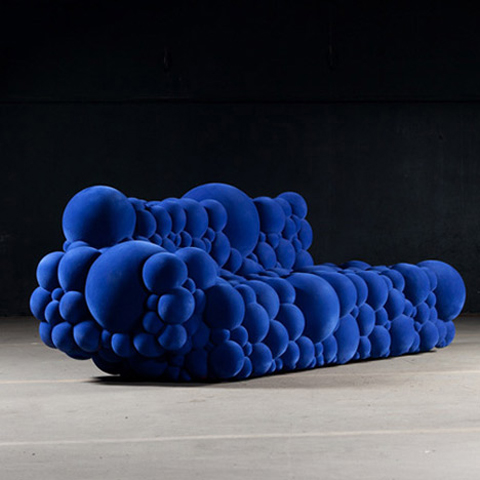

By DAVID NG
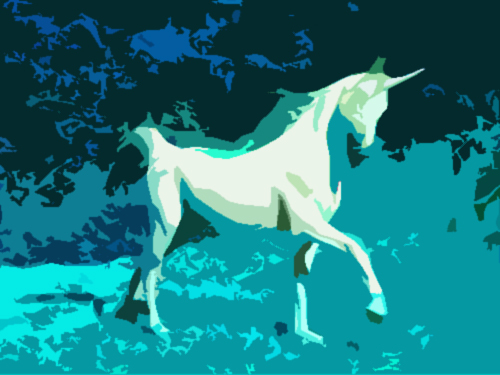
Unicorns are great. Seriously.
And here I’m going to think out loud and think of them in a conventional biology sort of way. You know – have a little fun evolution wise.
In many respects (except for the magical powers bit) I don’t think this is necessarily too hard to do. i.e. you have something that looks like a horse, but hey what’s this – there’s also a horn there.
I guess the question I’m pondering is whether a unicorn could occur from a realistic evolutionary biology point of view – you know, given the right circumstances and the right timescale. And if so, exactly what sort of things, biologically and genetically, would need to happen?
Anyway, here’s a couple options to sift through.
One possible way to get the whole horn thing started on a poor horse is through a condition known as “cutaneous horn” formation. In this situation, you essentially have an abnormal, sometimes cancerous growth, that results in a keratin structure protruding from the skin.
(Here’s a picture of a cutaneous horn – it’s kind of ugly)
“Cutaneous horns usually arise on sun-exposed skin but can occur even in sun-protected areas. The hyperkeratosis that results in horn formation develops over the surface of a hyperproliferative lesion. Most often, this is a benign verruca or seborrheic keratosis; or it could be a premalignant actinic keratosis. A malignancy has been reported at the base of a cutaneous horn in up to 20% of lesions. More than half of all cutaneous horns are benign.Benign lesions associated with cutaneous horns include angiokeratoma, angioma, benign lichenoid keratosis, cutaneous leishmaniasis, dermatofibroma, discoid lupus, infundibular cyst, epidermal nevus, epidermolytic acanthoma, fibroma, granular cell tumor, inverted follicular keratosis, keratotic and micaceous pseudoepitheliomatous balanitis, organoid nevus, prurigo nodularis, pyogenic granuloma, sebaceous adenoma, seborrheic keratosis, trichilemmoma, and verruca vulgaris. Lesions with premalignant or malignant potential that may give rise to cutaneous horns include adenoacanthoma, actinic keratosis, arsenical keratosis, basal cell carcinoma, Bowen’s disease, Kaposi sarcoma, keratoacanthoma, Paget’s disease, renal cell carcinoma, sebaceous carcinoma, solar keratosis, and squamous cell carcinoma.” (From eMedicine)
So you have something producing horn-like features, and whilst not exactly common, is still within the realm of possibility.
However, this possibility of unicorn evolution is kind of weak, because often the base of the “horn” structure is not at all stable, and in fact it looks like these horn structures can often be quite easily removed surgically. As well, this is not really a heritable trait in the usual sense – i.e. normally these structures are formed due to abnormal growth coming from a one cell, possibly mutated from exposure to a some mutagen (the sun is often sited for example). In other words, whilst susceptibility to the abnormal growth is likely genetic, the act of it always occuring on the horses head is less so (or something like that).
In other words, let’s move on.
One thing I can say is that it’s interesting to note that both the horse ((Equus ferus caballus) and the rhino (Rhinocerotidae) both belong to the Perissodactyla order, also often termed the odd-toed ungulates. This suggests that in the grand scheme of things, these two types of creatures are not so far apart. Whilst obviously interbreeding isn’t an option (since the species barrier would presumably be more than sufficient to disallow the formation, as well as the propagation, of hybrids unicorn like rhino-horses), it does present the idea that however the horn formed on the rhino, this could still be in the realm of reality with something like a horse.
Which actually makes all the more sense when you look through a paper published in the Journal of Morphology in 2006, which did CT scanning of rhinoceros’ horns to get a better sense of their anatomy. Here, the suggestion is that the horn of rhinos are markedly different from a horn of, say, a sheep. Specifically:
“The horns of most animals have a bony core covered by a thin sheath of keratin, the same substance as hair and nails. Rhino horns are unique, however, because they are composed entirely of keratin.”
This might fit a little with the “cutaneous horn” angle, but then another observation came about from the CT scans. The lead authors goes on to say that:
“The horns most closely resemble the structure of horses’ hoofs, turtle beaks and cockatoo bills. This might be related to the strength of these materials, although more research is needed in this area.”
And this nugget of information brings up a delicious possibility.
That is – maybe a unicorn could develop initially from a mutation within a hox gene, resulting in a hoof like structure coming out of the animal’s head. And in case, you’re wondering what a hox gene is all about, it’s essentially:
(From wiki) “A group of related genes that specify the anterior-posterior axis and segment identity of metazoan organisms during early embryonic development. These genes are critical for the proper number and placement of embryonic segment structures (such as legs, antennae, and eyes).”
In plain speak, this simply means that the hox family of genes are the grand controllers of body architecture – as in your arms go here, your head here, and this is about right for your big toes. In other words, for our unicorn, we really just need a mutational event where something meant to be coming out at the limbs is inadvertently coming out of the wrong part of the general body plan.
Classic examples of hox mutants occur in fly embryogenesis, and here are two of many examples of mutations that result in something along the lines of a foot/leg like structure coming out of the head area.
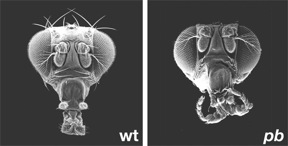
This is an image of a fly with a mutated proboscipedia gene: basically the labium develops into a pair of legs (image link)
Here’s another:
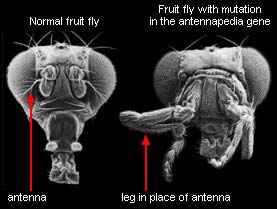
All to say that I’m wondering if the hox idea might actually have some (pardon the pun) legs to it.
Of course, even so, the hox idea would only be part of the story. Natural selection and the whole epic time scale stuff would still need to do its thing. Here, I must admit that I am curious to see what readers would think are the best environmental conditions (serious and funny ones) to produce the right selecting pressures for unicorn morphology. Maybe a few suggestions in the comments section would be cool?
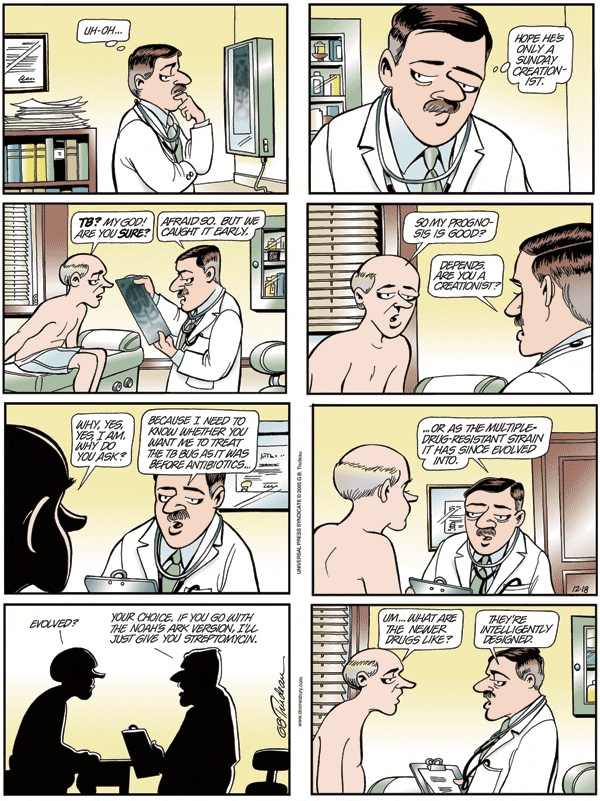
And what about those magical powers? Well, how about we let the Intelligent Design folks debate over that one…





 popperfont.net
