Chewbacca hair wars.

By Alejandro Giraldo. Also available as a t-shirt.

By Alejandro Giraldo. Also available as a t-shirt.

(Click on image for higher resolution)
From Wackystuff
Definitely worth taking a look. The one below is my favourite.
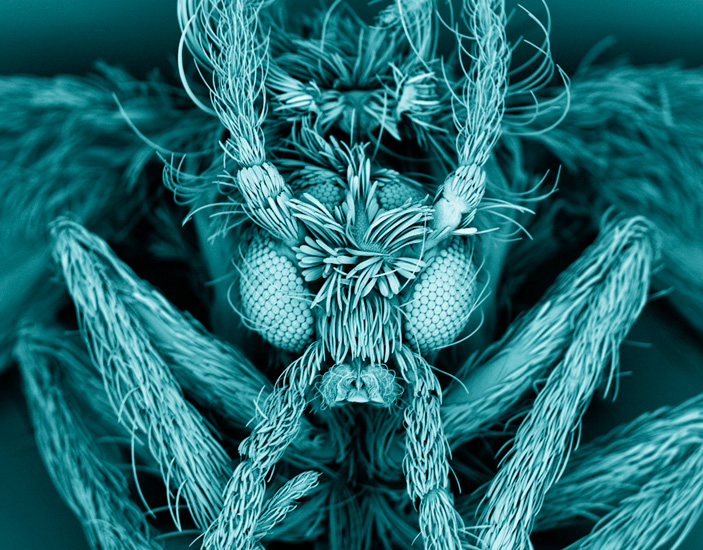
“This false-coloured scanning electron micrograph shows a moth fly (Psychodidae), also known as a drain fly. As its name suggests, the fly’s larvae commonly live and grow in domestic drains; the adult fly emerges near sinks, baths and lavatories. The moth flies’ bodies and wings are covered in hairs, which gives them a ‘fuzzy’, moth-like appearance. The fly is 4-5 mm long, and each eye is approximately 100 microns wide.”
By Kevin MacKenzie.
Sponsored by the fine folks over at the World Science Festival, I must say that this deck looks awesome! Go here for details on the deck (with links to the printable deck pdf), and also keep an eye out for the print-version Beaty Museum Deck which should soon be coming out in the next few months.
(And, if you’re in Vancouver, come out to a Phylo art exhibit and “learn to play” event at the HIVE – facebook page).
For now, check out some of the art for the Coral Deck cards below:

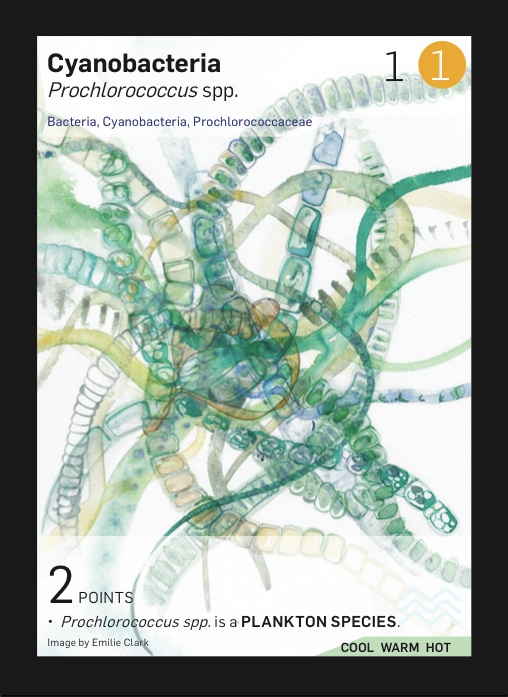

Art above by Joe Kloc, Emilie Clark, and Nadir Balan. From the Phylo Project.
You get this:
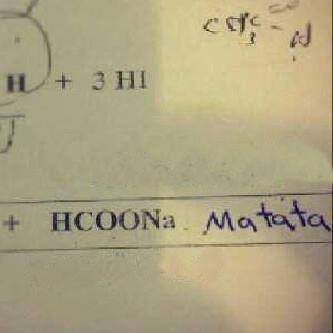
I thought this was very very funny, which I think must say something about my personality.
From Huffington Post.

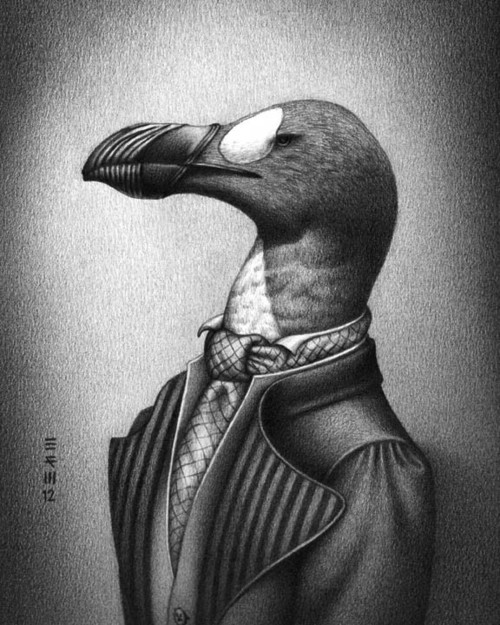


The a=last three being the Great Auk, the Laughing Owl, and the Imperial Woodpecker.
By Brian R. Williams, via Drawn.

Source unknown (all over the internet). BTW, more on diamond structures here.
These pages from Robert W. Wood’s 1907 quirky little manual, How to tell the birds from the flowers. A manual of flornithology for beginners are pretty delightful. You can take a look at the whole thing at the California Digital Library.
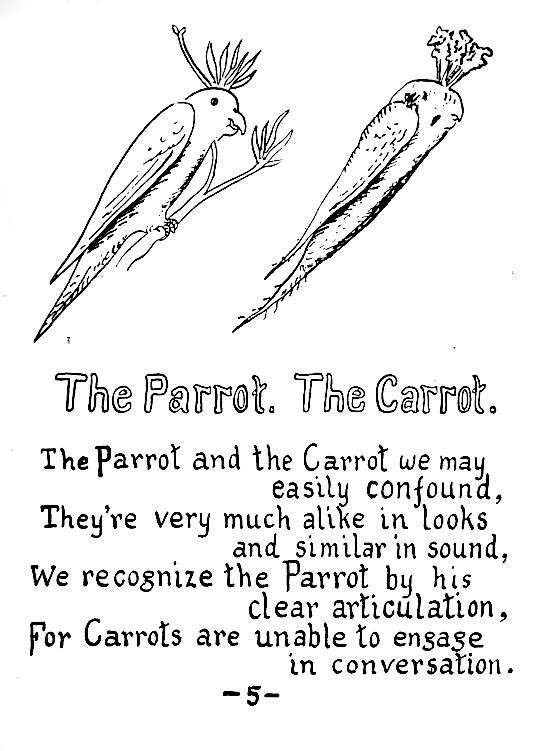
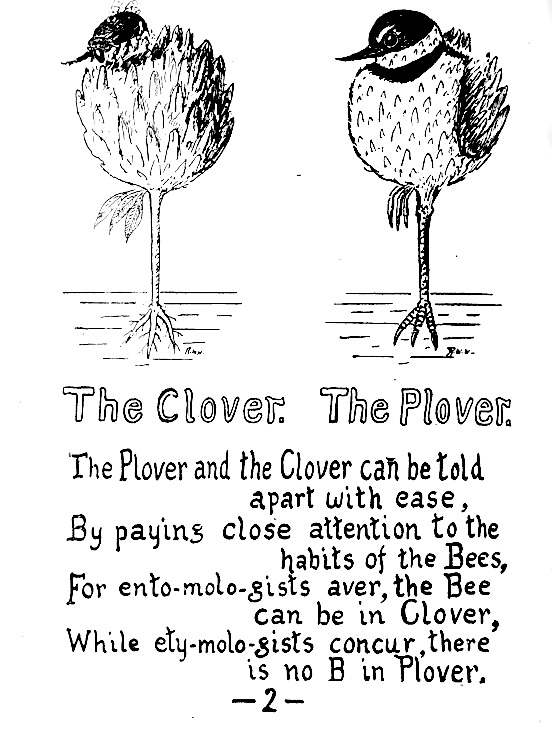
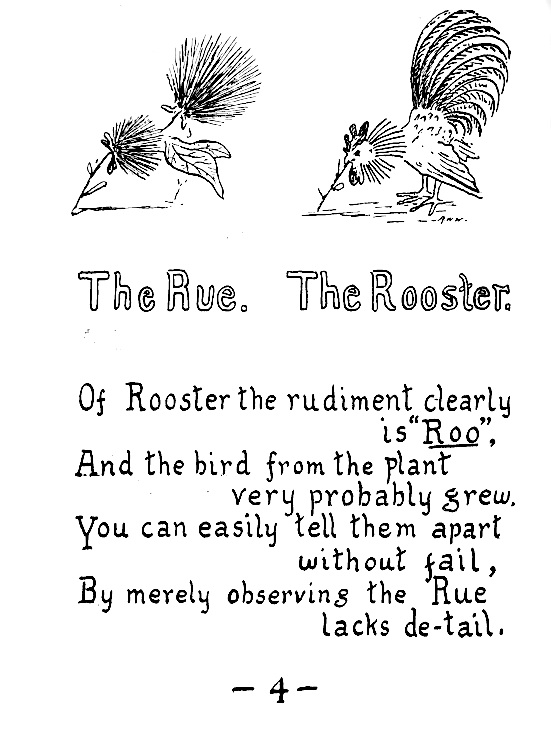
Hat tip to Futility Closet for bringing it to my attention.
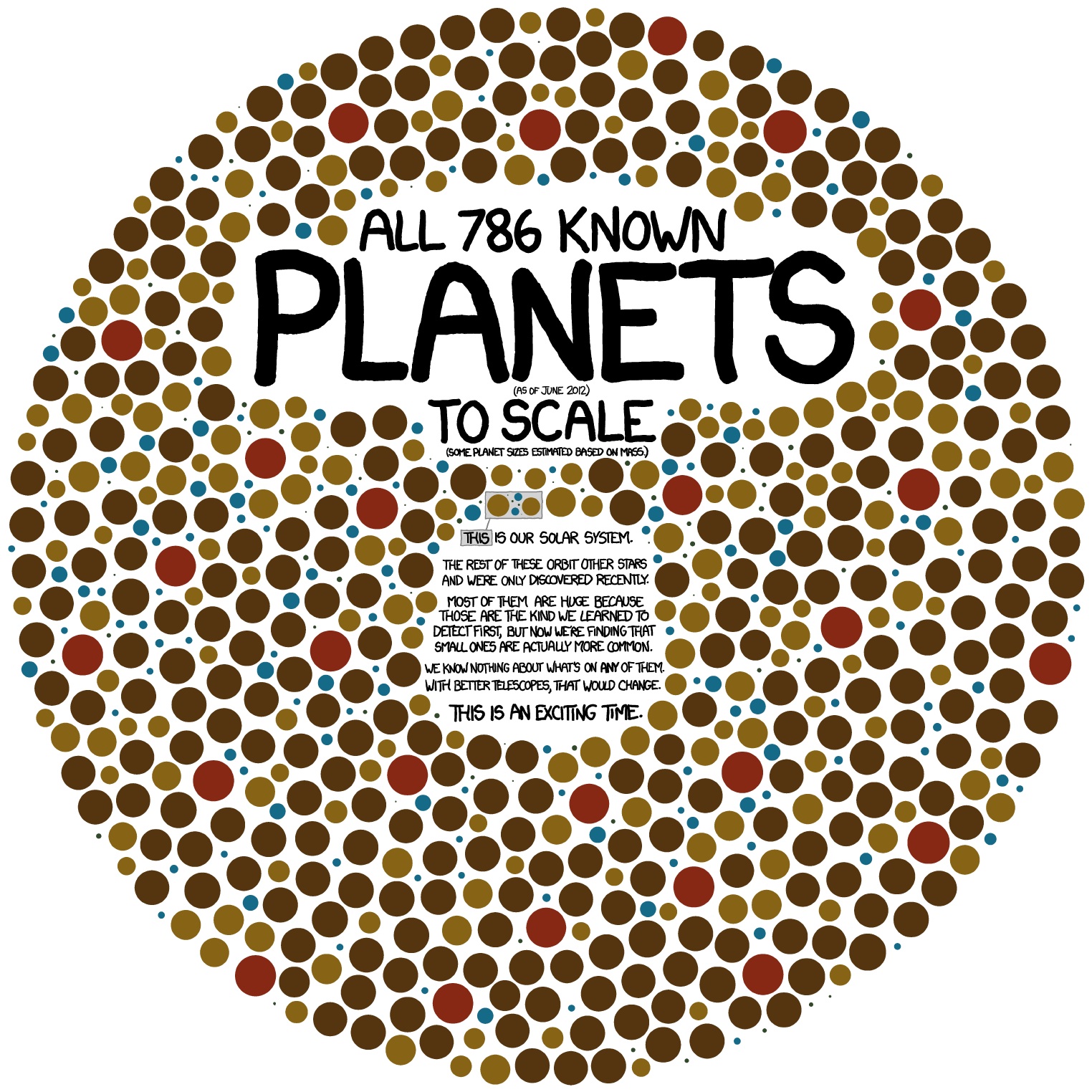
(Click on image to see larger version)
Some of the text reads:
“Most of them are huge because those are the kind we learned to detect first, but now we’re finding that small ones are actually more common. We know nothing about what’s on any of them. With better telescopes, that would change. This is an exciting time.”
From xkcd.









 popperfont.net