.

Inside the museum warehouse. Amazing photo of the bird specimen storage room at the Smithsonian.

“This image, Chip Clark’s most requested photo, shows Roxie Laybourne, Smithsonian research associate, in front, with Birds Division collections staff members Beth Ann Sabo, James Dean, Bonnie Farmer, and Dawn Arculus, in 1992. The Museum holds the largest collection of vertebrate specimens in the world, with over 5.8 million specimens representing fishes, amphibians, reptiles, birds, and mammals. Photo by Chip Clark, Smithsonian Institution”

By Chip Clark (via Eve Rickert)

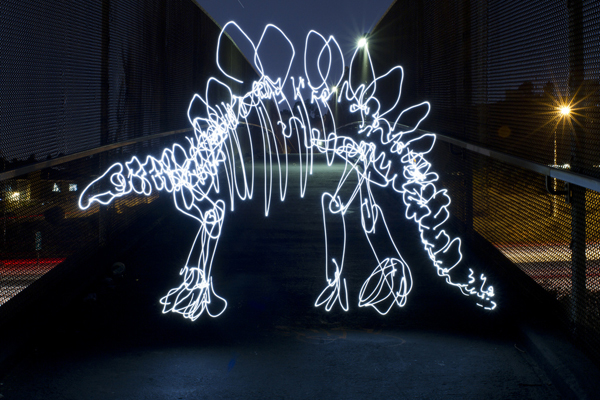
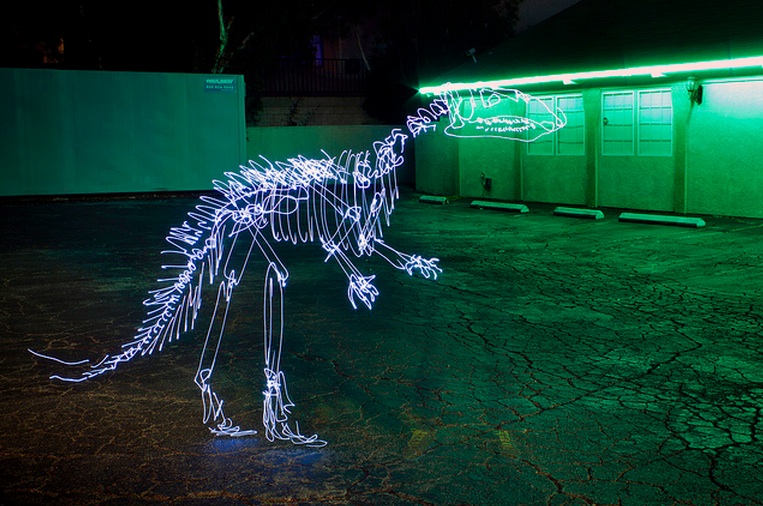
Best dinosaur light show ever!

By Darren Pearson (aka Darius Twin), via the Visual News.

Hey guys, check it out! WORM HOLE!

By Left-Handed Toons.

Awesome science-y buttons.

There’s actually a whole bunch of them (mostly not science related), but here are a few that are…


From Run Pencil Run.

Powers of Ten: Cubist style #awesome

Hooray For Earth “True Loves” (Cereal Spiller Remix) from Cereal Spiller on Vimeo.

Whoa…

Directed by Cyriak Harris

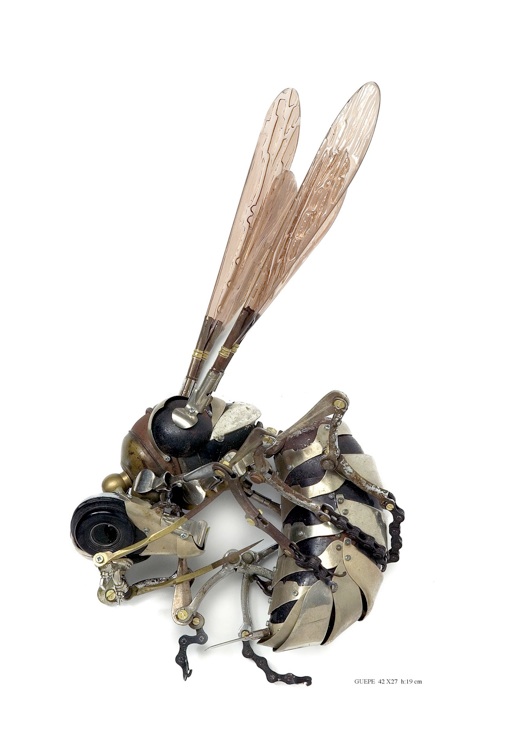
Edouard Martinet’s brilliant metallic sculptures: A gallery of some of his entomological pieces.

By Edouard Martinet (unfortunately, his website is down, but he does have representation with the Sladmore Gallery)

Evolutions sucks: The comic

By Rosemary Mosco over at Bird and Moon.

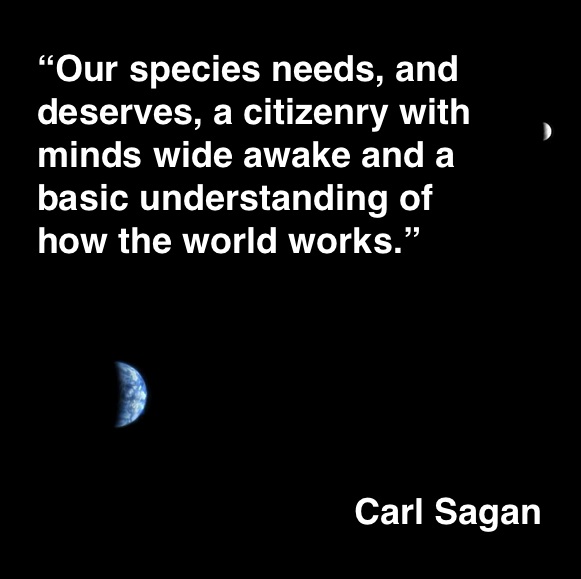
“Our species needs, and deserves, a citizenry with minds wide awake and a basic understanding of how the world works.”

Love this quote, and so I had to quickly make a little graphic for it. Image from NASA/JPL-Caltech/University of Arizona (source link). Font: Helvetica bold.

“1904” by The Tallest Man On Earth #song4mixtape

“Wintersong” by Sara Bareilles, Ingrid Michaelson #song4mixtape

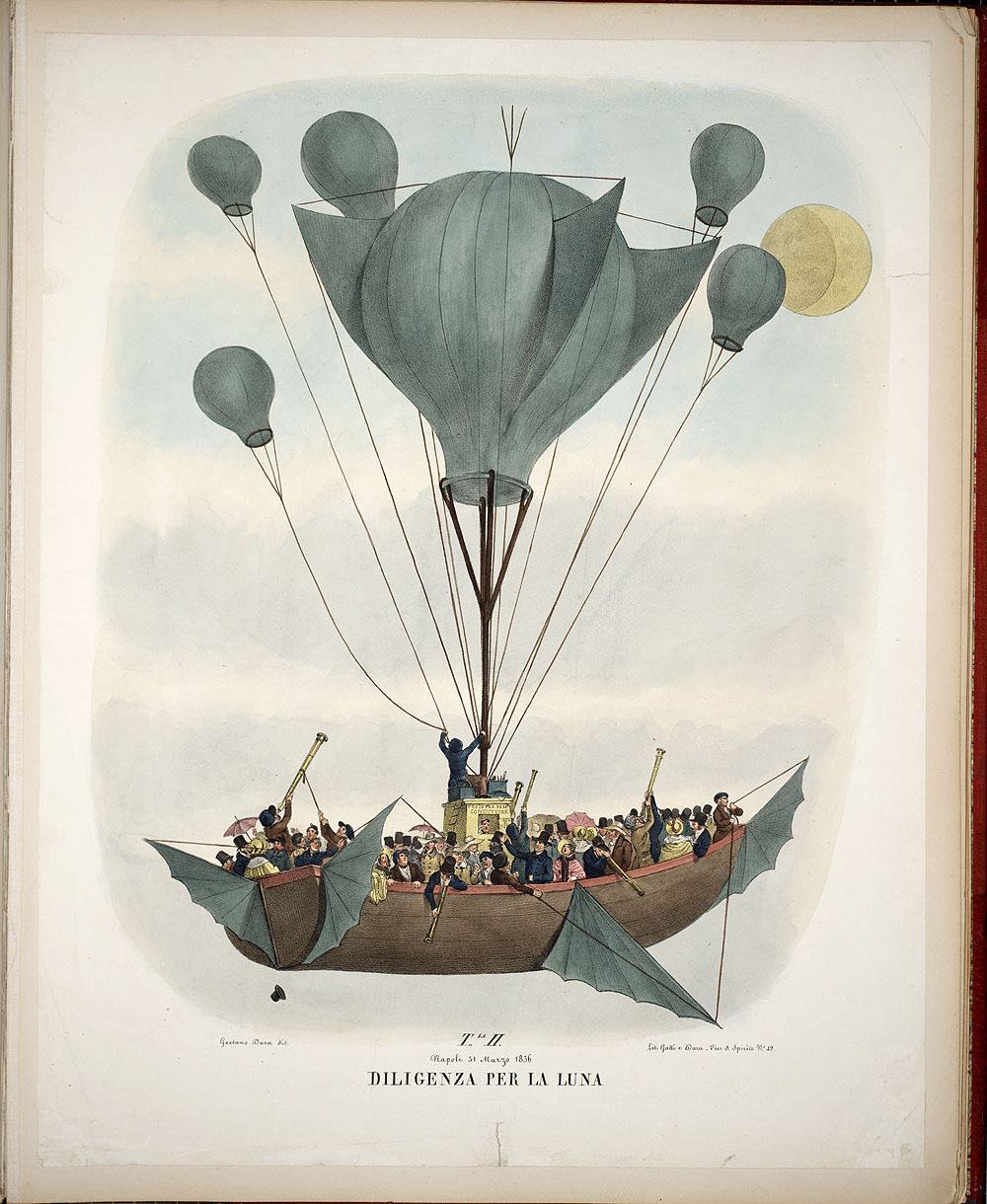
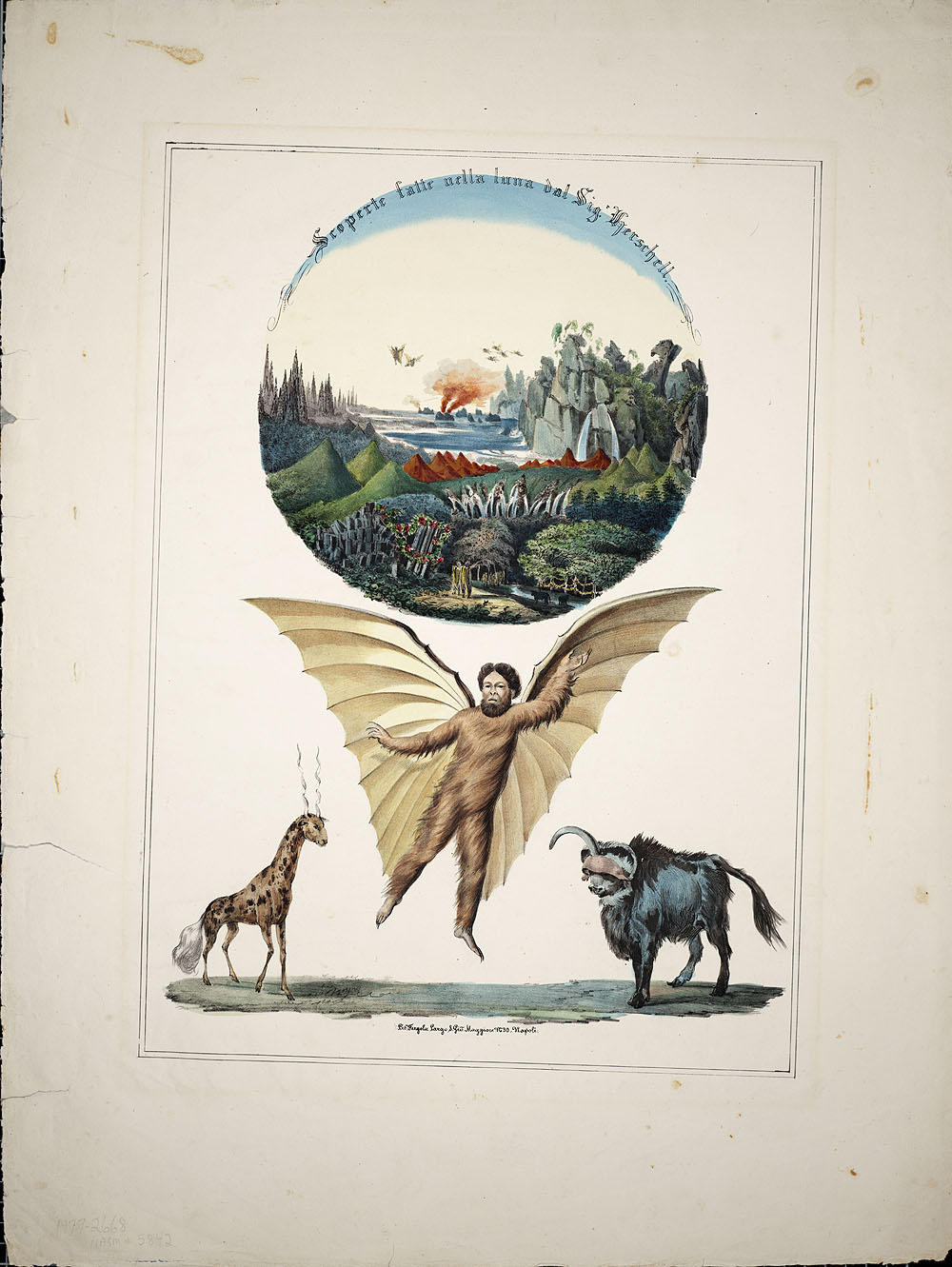
The Moon Hoax of 1835

This is really quite something. Both the narrative of the hoax, as well as these awesome illustrations.

“Purported to be the findings of British astronomer Sir John Herschel, perhaps the best known astronomer of the time, the New York Sun, in a blatant use of yellow journalism, started publishing six stories in 1835 reporting the “discovery of life on the moon.” Most likely authored by Richard E. Locke in an ultimately successful attempt to boost the newspapers readership, the extravagant stories where full of alien flora and fauna, including bat winged men, nude moon maidens with luna-moth wings, unicorn moon bison and bipedal tailless beavers. In the articles it was proposed that an expedition be made to the moon using hydrogen filled balloons lifting ship like gondolas beneath, which later returned to earth under large umbrellas.”


The Proposed Ship for traveling to the Moon.


Types of things discovered on the Moon.

Text by Benjamin Starr at the Visual News.

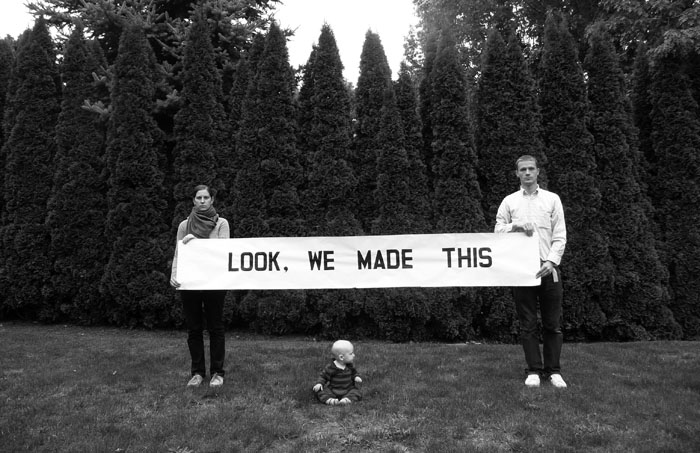
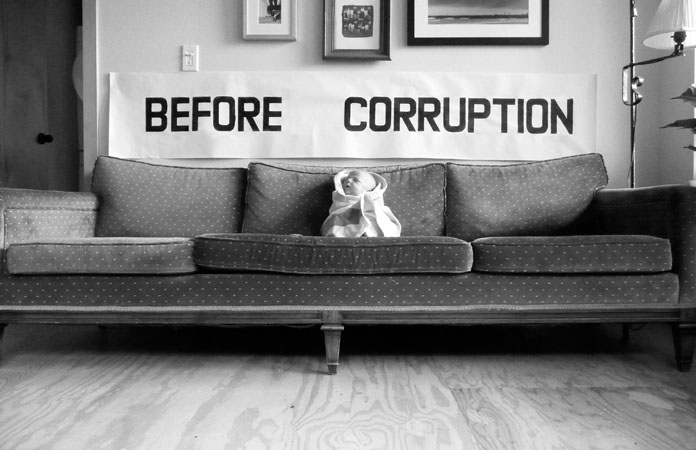
Brilliant witty banners, a few of which would make great visuals for discussions on developmental biology

You know, the whole marvelous thing about going from a single cell zygote to the fully formed little organism.

By Anna Gray and Ryan Wilson Paulsen, via My Modern Met.

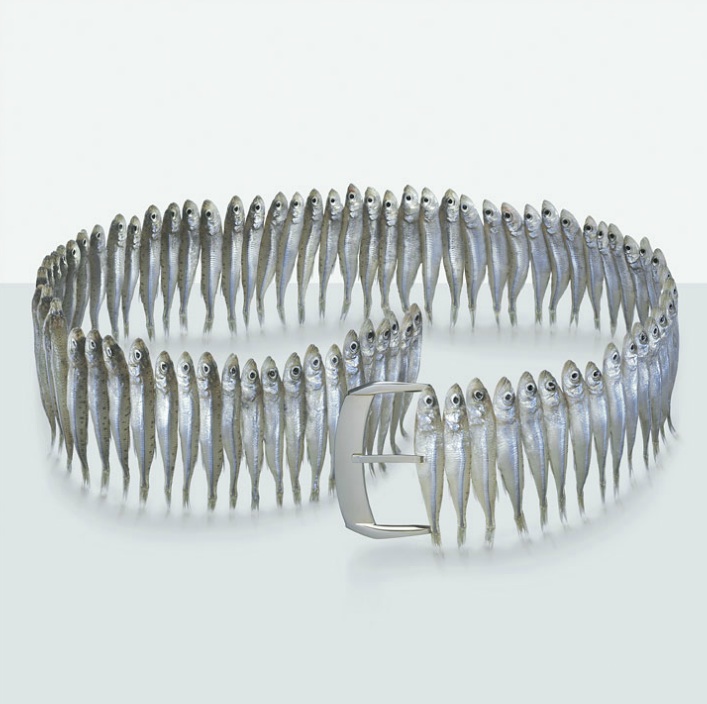
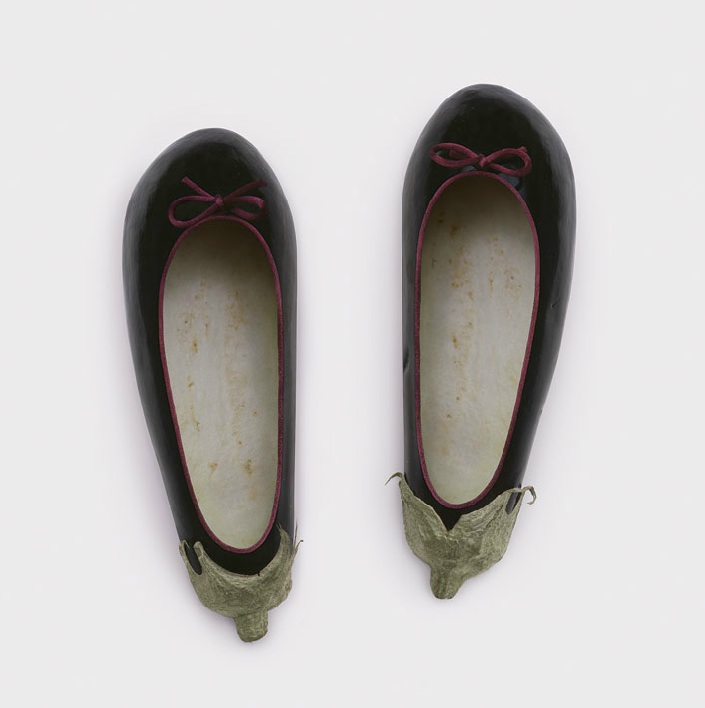
A Matter of Taste: wonderful photos of food manipulated to look like fashion.

By Fulvio Bonavia.

Wonderful vintage evolution illustrations from the American Philosophical Society Flickr account

“This image from Ernst Haeckel’s 1874 The Evolution of Man shows comparisons between cross-sections of different animals and their embryos at different stages of development. For Haeckel the development of an embryo retraced the evolutionary history of the animal. The different colors represent the four types of tissues out of which all the organs formed. Ernst Haeckel. Anthropogenie, oder, Entwickelungsgeschichte des Menschen. Leipzig: W. Engelmann. 1874.”link

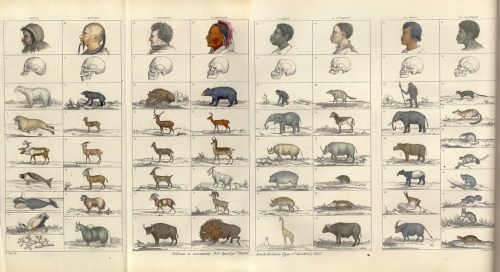
“Title: Outlines of Comparative Physiology
Maker: Louis Agassiz, 1851
Significance: In opposition to Darwin”
link

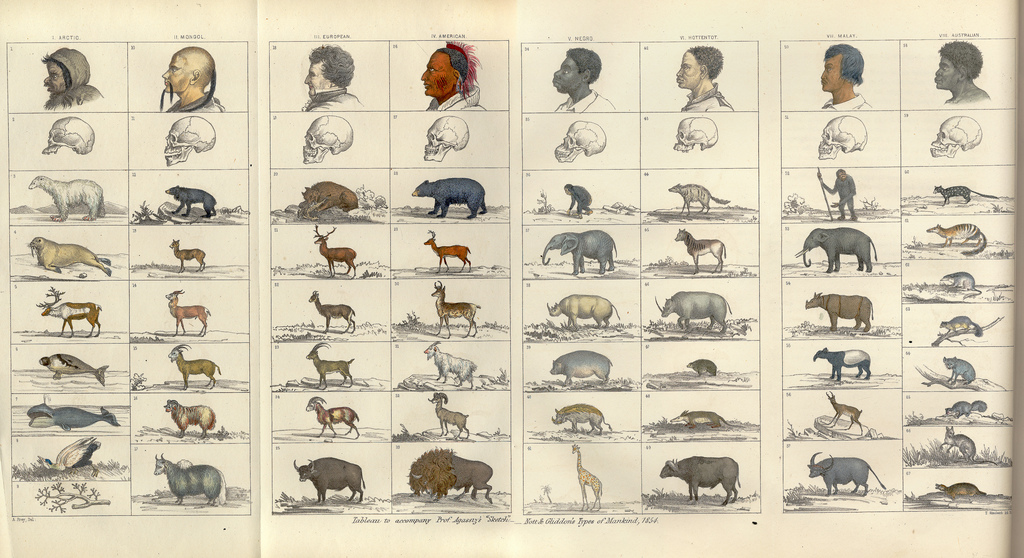
“Nott, Types of Mankind
Here American physician J. C. Nott attempted to illustrate geologist Louis Agassiz’s theory, which was that each region of the world was populated by separately created sets of species, both animal and human. Such ideas about human species at the time were often influenced by western racial prejudices, as the idea of multiple, separately created races could be used to justify slavery and other forms of subjugation. Darwin disagreed, firmly maintaining that all humans were descended from the same human ancestor. Josiah Clark Nott (1804–1873). Types of Mankind…. Philadelphia: Lippincott and Grambo, 1854.”
link

See and learn more from the APS Flickr account, via Fresh Photons.

Lonesome George, never again. O.K. This made me tear up a little…

By 9gag.com, and in reference to Lonesome George’s recent passing.

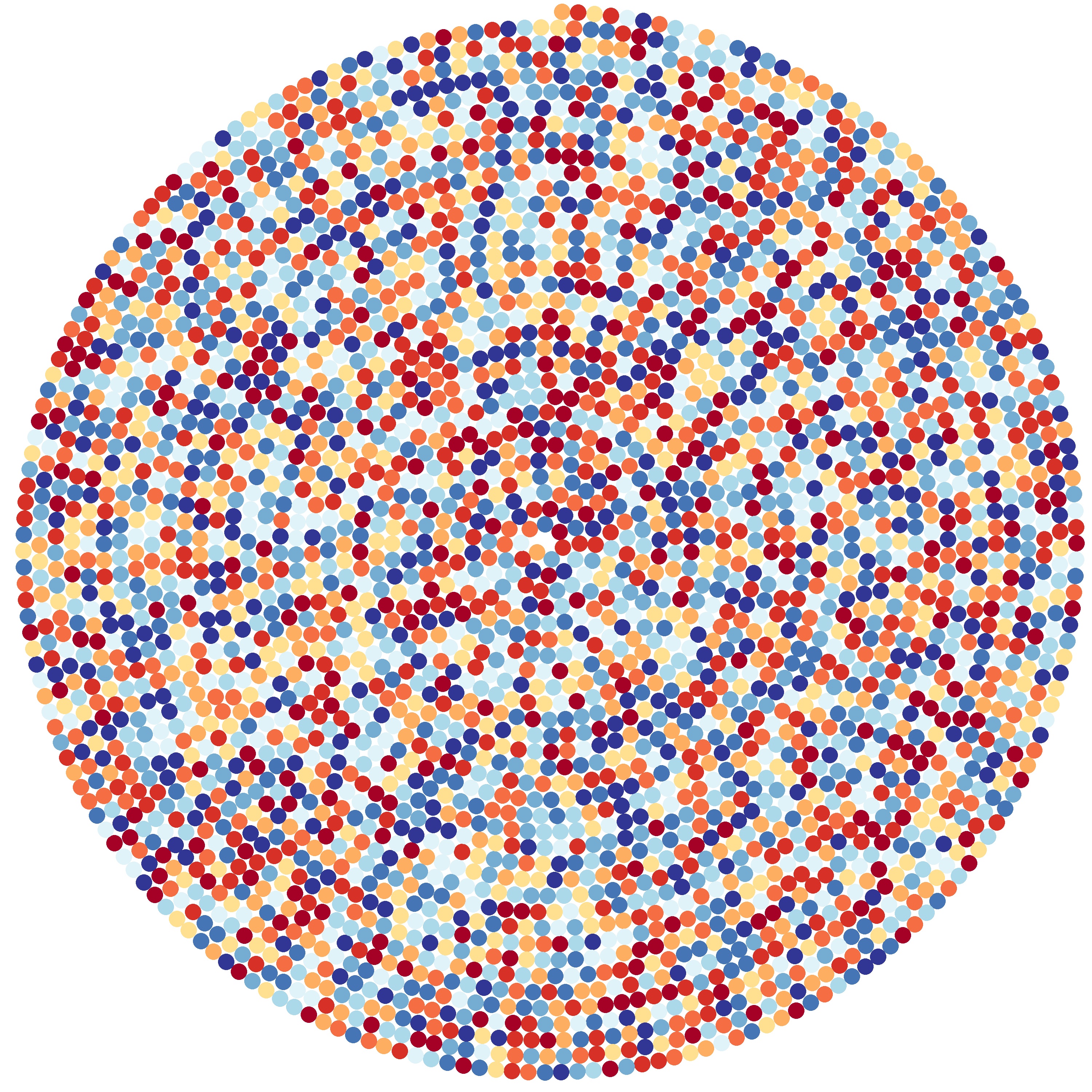
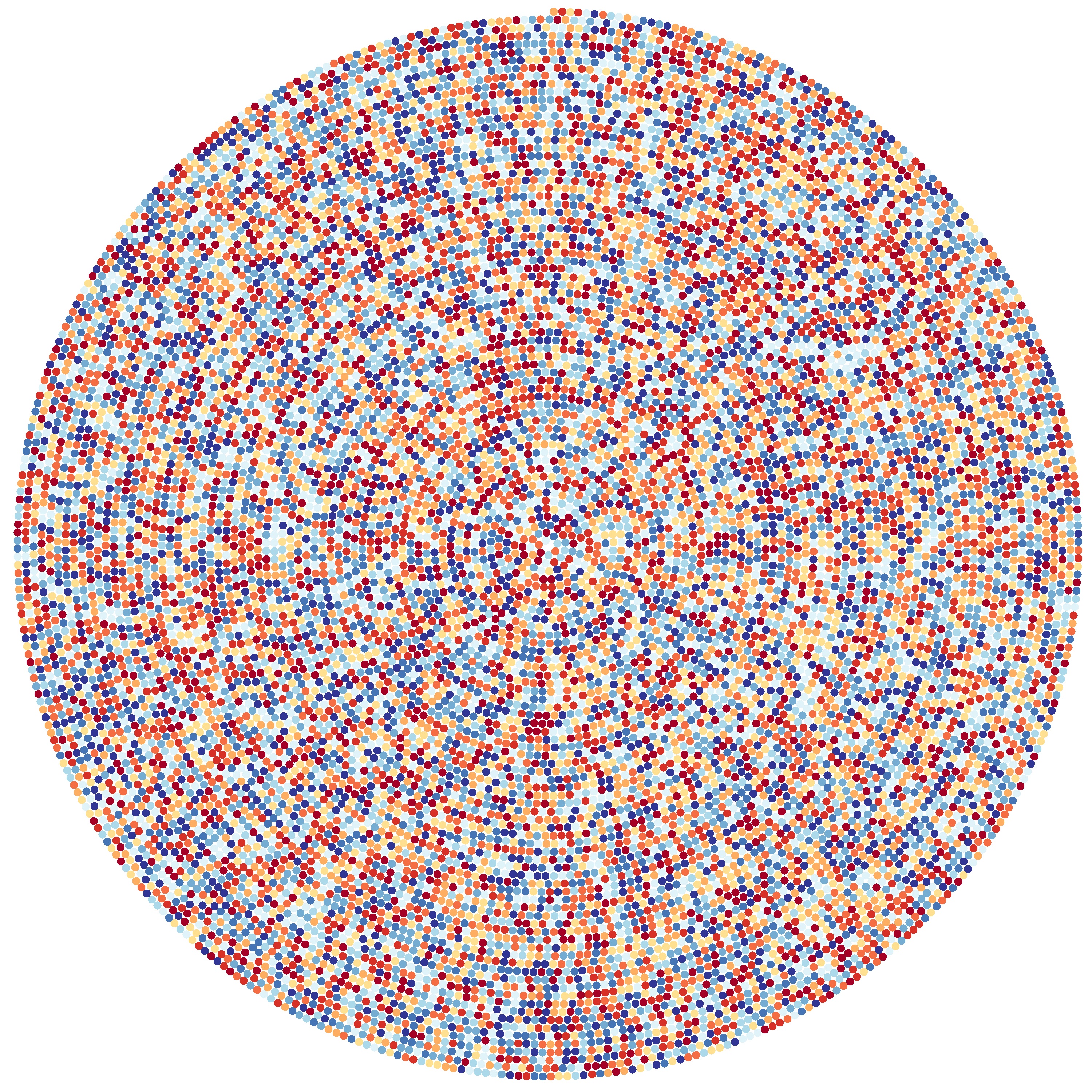
When you use Pi to create art, these are the types of incredible images you might get.

First, this:

“It’s fitting to use Circos to visualize the digits of π. After all, what is more round than Circos? By mapping the digits onto a red-yellow-blue Brewer palette (0  9) and placing them as circles on an Archimedean spiral a dense and pleasant layout can be obtained.”
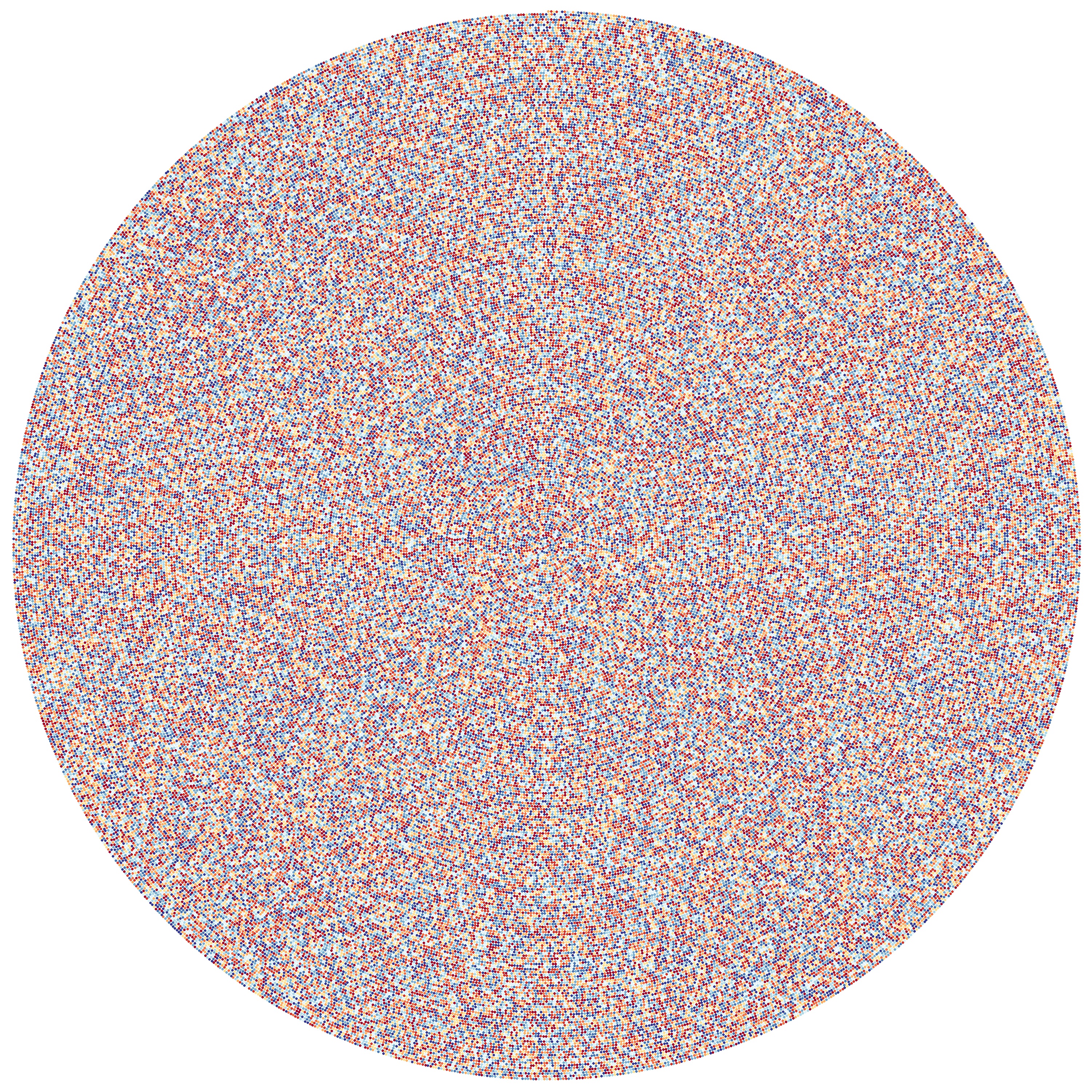
And this is what you get with 3422, 13,689, and 123,201 digits.

By Martin Krzywinski.More at his site.

If you love creative use of shapes, then you’ll love Geometry Daily

Seriously… Go visit Geometry Daily.

Cloning dinosaurs is bad for the kids.

Although it looks lovely as an illustration.

By Brandon James Scott.

I LOVE this. Attempted Murder (ornithology wordplay)

In case, you’re not sure what’s so funny about this. Read this (it’s called a murder of crows).

I miss being a tree

From failblog.com