
.




July 17, 2012
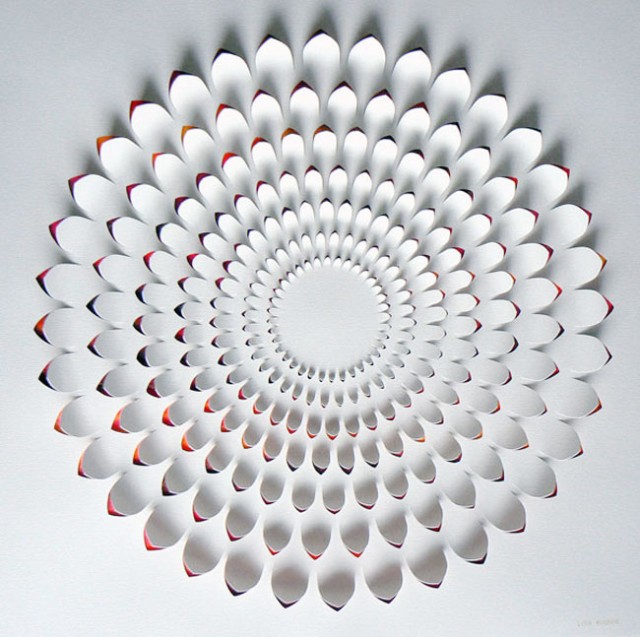
Gorgeous paper cut topography
I want one for Vancouver, or one on the arctic would also be cool (especially for climate change discussions).


By Marnie Karger, also available for sale.

July 16, 2012
This is what a bamboo cross section will look like in polarized light #whoa
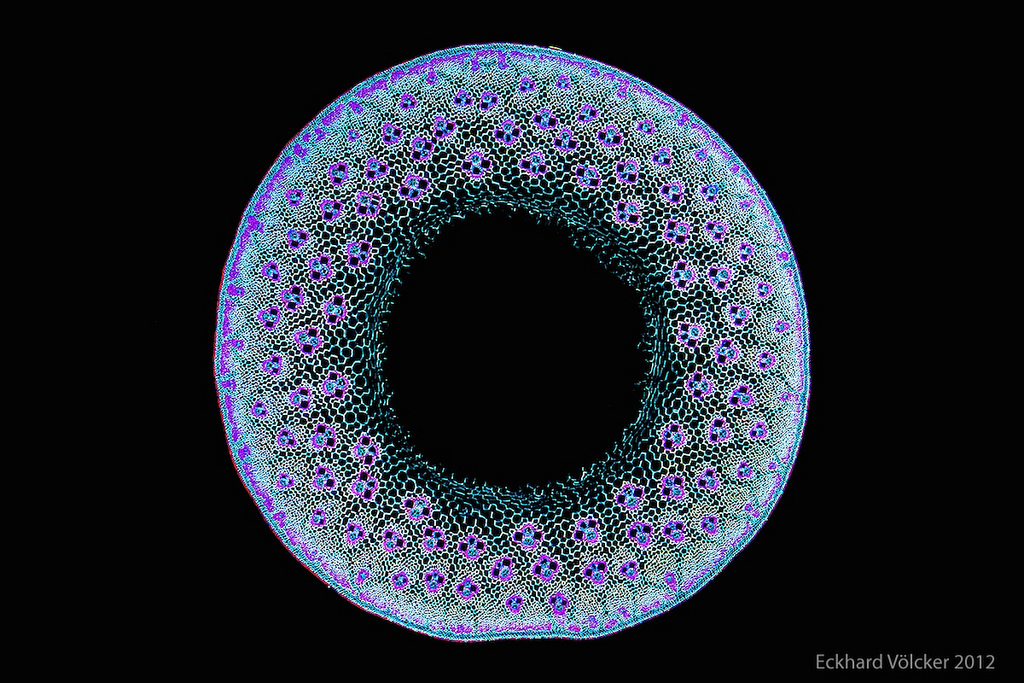
By Eckhard Völcker, via Flickr.




July 13, 2012
Ways Politicians and Robots are Alike
By DAVID NG
Their eyes.
A politician’s eyes appear to be fully capable of eliciting an empty yet intense robot gaze. Intriguing because this look is reminiscent of the kind that any human might make when solving difficult math problems in their heads, and which, coincidentally, is also an activity that robots are notorious for doing all the time. On the other hand, maybe they look that way (the politicians) because their eyeballs are also recharging and getting ready to shoot out laser beams.
Their focus.
Politicians are always super focused and always “on message,” sometimes to the point of “muzzling” individuals who might veer away from their specific agenda. This, of course, is indicative of algorithmic behavior and also of spyware filtering, which when taken to certain extremes is closely associated with “programming” for robots of the evil genius ilk. Indeed, this observation is quite striking: there is an eerie similarity between most Democrats and Dave from 2001, as well as most Republicans and Megatron from The Transformers.
Their message.
Robots, like computers, are often relentless in producing endless streams of spam. As well, this spam almost always fits in one of two categories: (1) either promises for financial wealth and economic prosperity; or (2) pornographic photos of genitalia. Sound familiar?
Their apathy towards unusual climate patterns.
Typically, politicians have a poor record on climate change policy. It is almost as if they don’t care that it’s happening. Which begs the question: why the nonchalance attitude? Wouldn’t most leaders in our society be wary of what is arguably the single greatest challenge facing humanity today? Is it because they know that they as robots are generally impervious to temperature and weather extremes?
Their wariness of appearing too robot-like.
This particular attribute is most likely to manifest itself as a collection of exaggerated attempts to draw attention away from their robot ways. For example – Possible exaggerated attempt #1: kissing babies. Possible exaggerated attempt #2: serving customers at a small local business. Possible exaggerated attempt #3: saying something very very stupid. Interesting to note that the combined symbolic aesthetic of baby kissing plus humbly serving customers plus saying very very stupid things is widely recognized as the perfect antonym to the “essence of robotness.”
Their hearts.
There are some politicians who seem programmed to care little for social programs and/or initiatives that aim to help the less fortunate. This suggests that the concept of inequity is perhaps too difficult to compute. If so, that’s a little cold… maybe even robot cold.
July 13, 2012
Needlefelt Chewbacca by my 8 Year Old Son is Awesome!
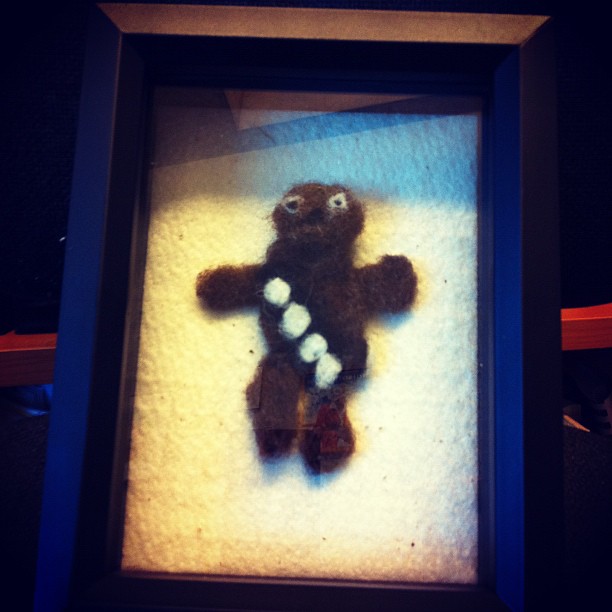
Ben made this for me and it rocks!


July 13, 2012
And this is what dinosaur sex looks like…
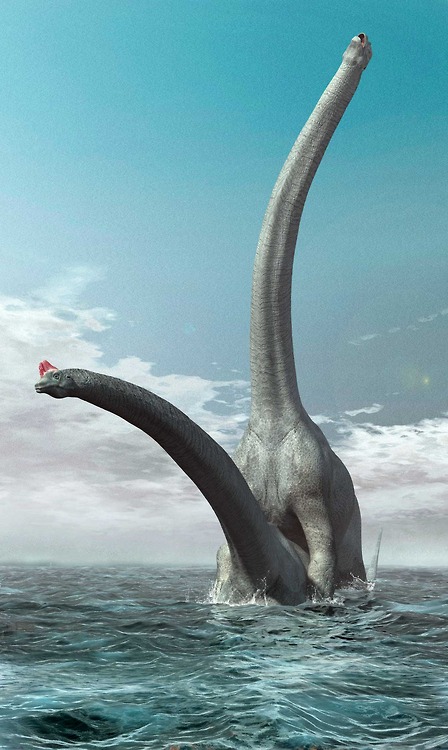
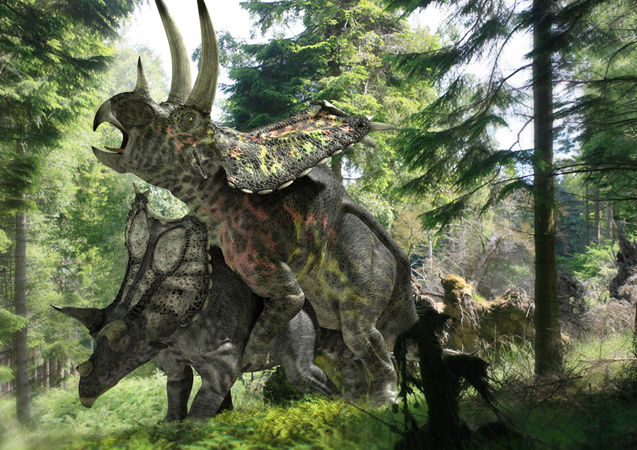
Not sure who the illustrator is, but it is someone who collaborated with Beverly Halstead. Via The Daily.
July 12, 2012
Quite possibly the most complicated (and therefore awesome) Venn Diagram ever!

The figure legend reads:
Figure 4: Six-way Venn diagram showing the distribution of shared gene families (sequence clusters) among M. acuminata, P. dactylifera, Arabidopsis thaliana, Oryza sativa, Sorghum bicolor and Brachypodium distachyon genomes.
In case it wasn’t obvious, M. acuminata is the banana plant.
Full paper on the draft genomic sequence of the banana, and the info this divulged regarding its evolution is available for free downloading at Nature.
REF: The banana (Musa acuminata) genome and the evolution of monocotyledonous plants. Angélique D’Hont, France Denoeud, et al. Nature (2012) doi:10.1038 / nature11241 (published online July 11, 2012)
July 12, 2012
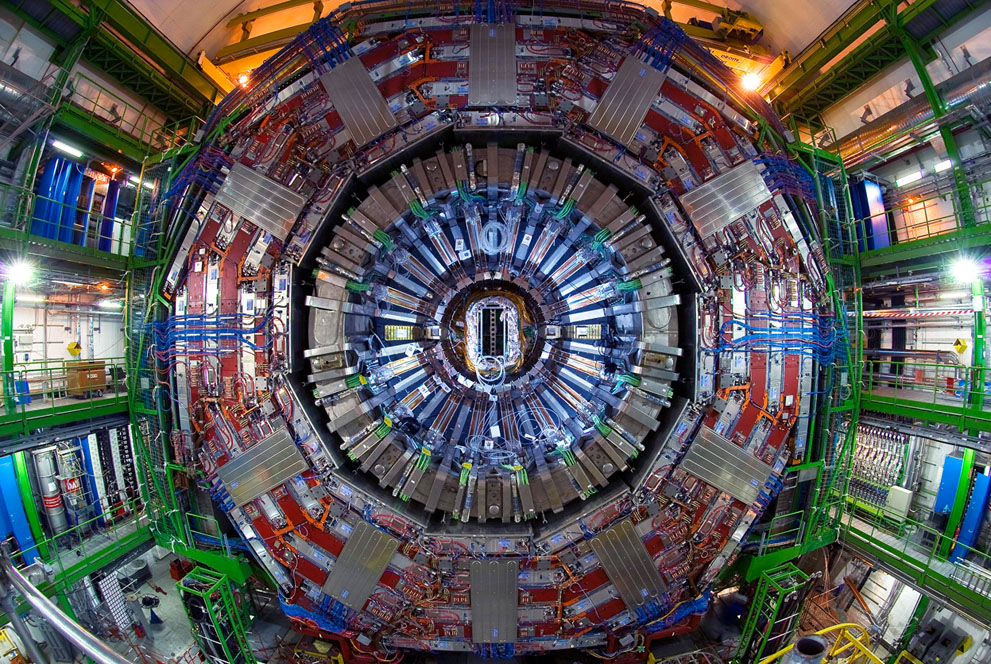
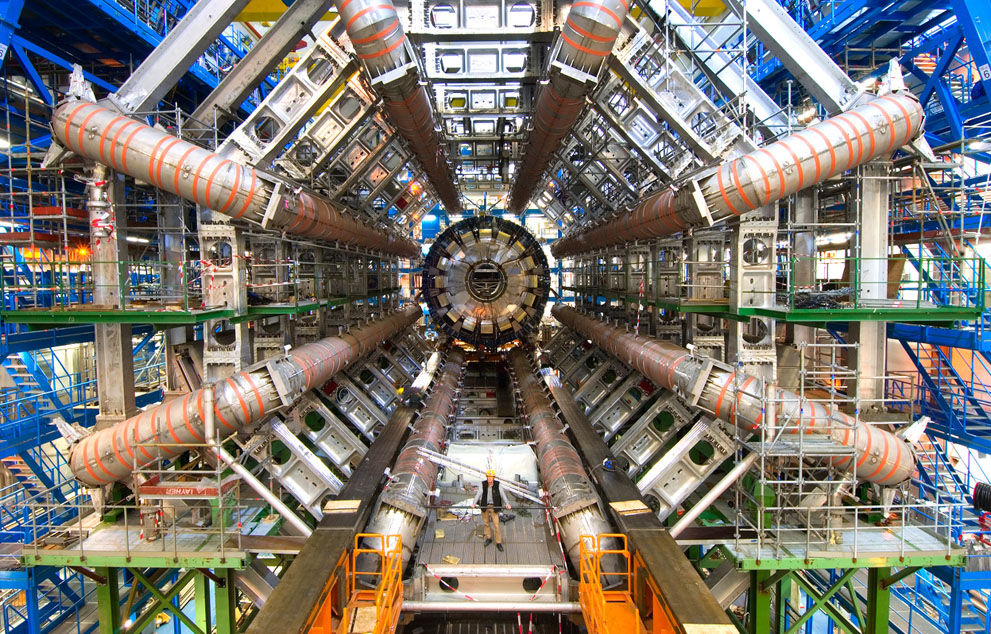
Large particle accelerators are the gothic cathedrals of our time. #lovelymetaphor
From the NYT piece by Lawrence M. Krauss.
“The physicist Victor F. Weisskopf — the colorful director in the early 1960s of CERN, the European Organization for Nuclear Research, which operates the collider — once described large particle accelerators as the gothic cathedrals of our time. Like those beautiful remnants of antiquity, accelerators require the cutting edge of technology, they take decades or more to build, and they require the concerted efforts of thousands of craftsmen and women. At CERN, each of the mammoth detectors used to study collisions requires the work of thousands of physicists, from scores of countries, speaking several dozen languages.”
Read the rest of the article here.
July 11, 2012
Wonderful artwork in this brilliant history of organic chemistry slideshow.
Download the full presentation here (pdf).

“Vladimir Markovnikov,a chemist and political progressive, was outmaneuvered by the crafty and conservative Aleksandr Zaitsev. Both men would go on to fame as discoverers of significant trends in chemical reactivity and organic chemistry students today still learn “Zaitsev’s Rule” and “Markovnikov’s Rule.”

“So, organic chemistry has come a long way from its early days. It might have reached its peak,in a certain sense, around 1972, when Robert Woodward of Harvard and Albert Eschenmoser of the Swiss Institute of Technology synthesized the very complex molecule we know as vitamin B-12. Ever since, it has been widely accepted that organic chemists can make pretty much any molecule that occurs in nature. That is really something!”
By David B. Cordes, via Fresh Photons.
July 11, 2012
Earliest Human Relatives by Hiroshi Sugimoto. Dioramas photographed a certain way suddenly look very very real.

“Upon first arriving in New York in 1974, I did the tourist thing. Eventually I visited the Natural History Museum, where I made a curious discovery: the stuffed animals positioned before painted backdrops looked utterly fake, yet by taking a quick peek with one eye closed, all perspective vanished, and suddenly they looked very real. I’d found a way to see the world as a camera does. However fake the subject, once photographed, it’s as good as real.
By Hiroshi Sugimoto.
July 11, 2012
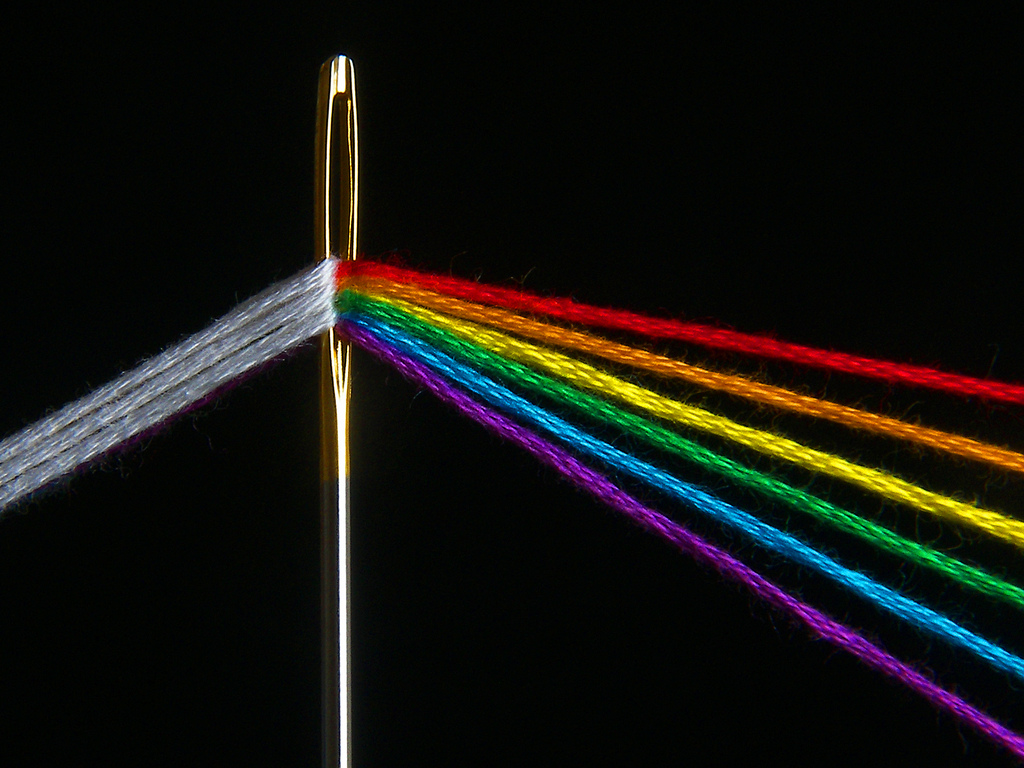
Dark Side of the Loom #greatvisual #optics
What a great visual! Handy for all sorts of discussions on optics and light in general.
July 10, 2012
Happy Birthday! Nikola Tesla turns 156.
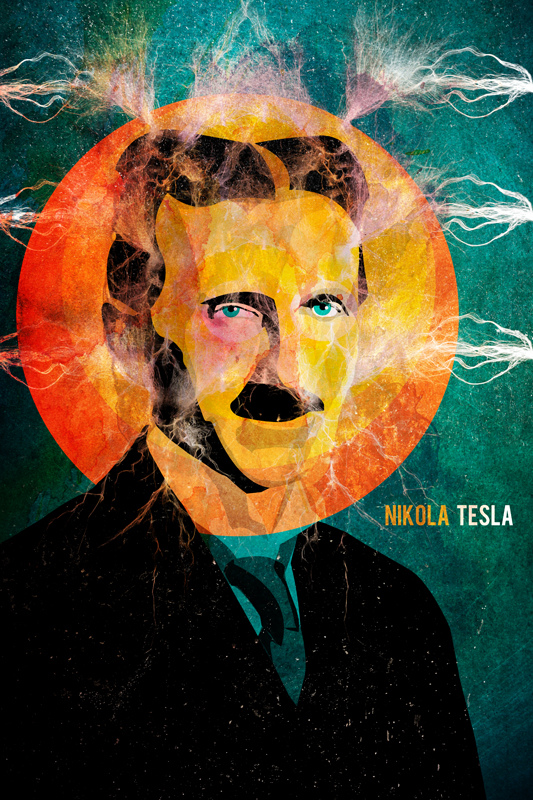
Lovely art by Alvaro Tapia, via Hey Oscar Wilde!
More from Tesla’s wikipedia page here.
Awesome, and of note, on this site:
July 10, 2012
Artwork of beautiful (though impossible) radiation absorption patterns (a.k.a cool shadows).
At least, I’m pretty sure it would be impossible. Would make a lovely graphic (I think) when discussing electromagnetic radiation, particularly those relating to visible range and absorption concepts.

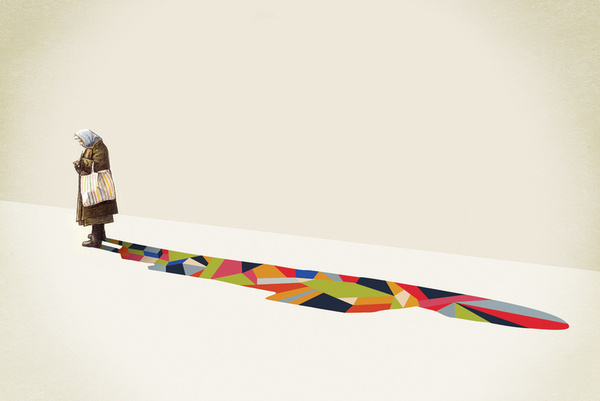
By Jason Ratliff, via The Visual News.
 popperfont.net