.

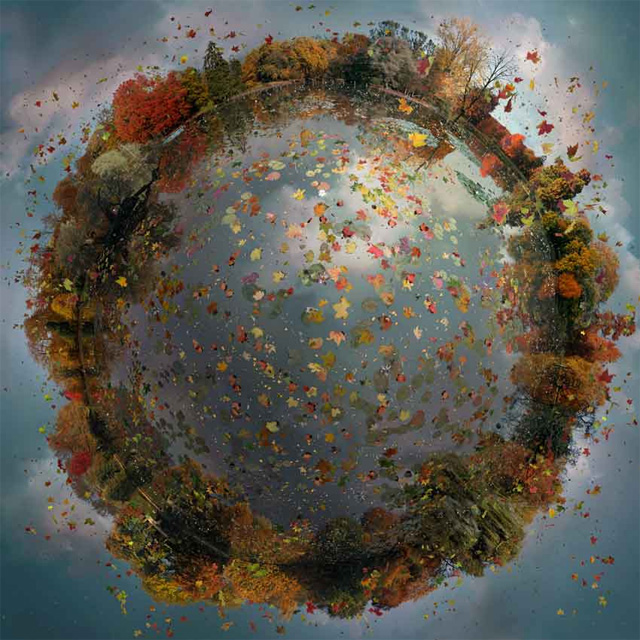
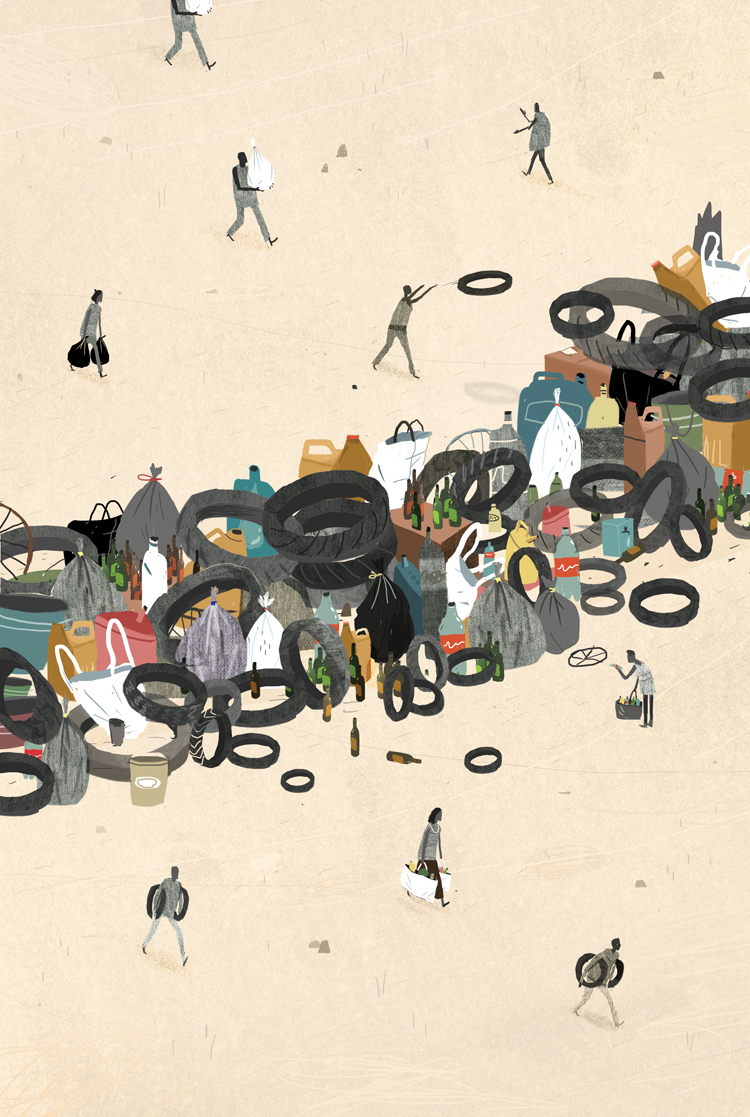
Trash and anti-trash. Lovely image by Dadu Shin

“I had a lot of fun doing this one. This article was about how some people in Kenya are reusing what some might consider trash (like old tires) to create everyday functional things…things that we take for granted here in the US. It’s quite an interesting read. Learn new things everyday in this business.”

By Dadu Shin.

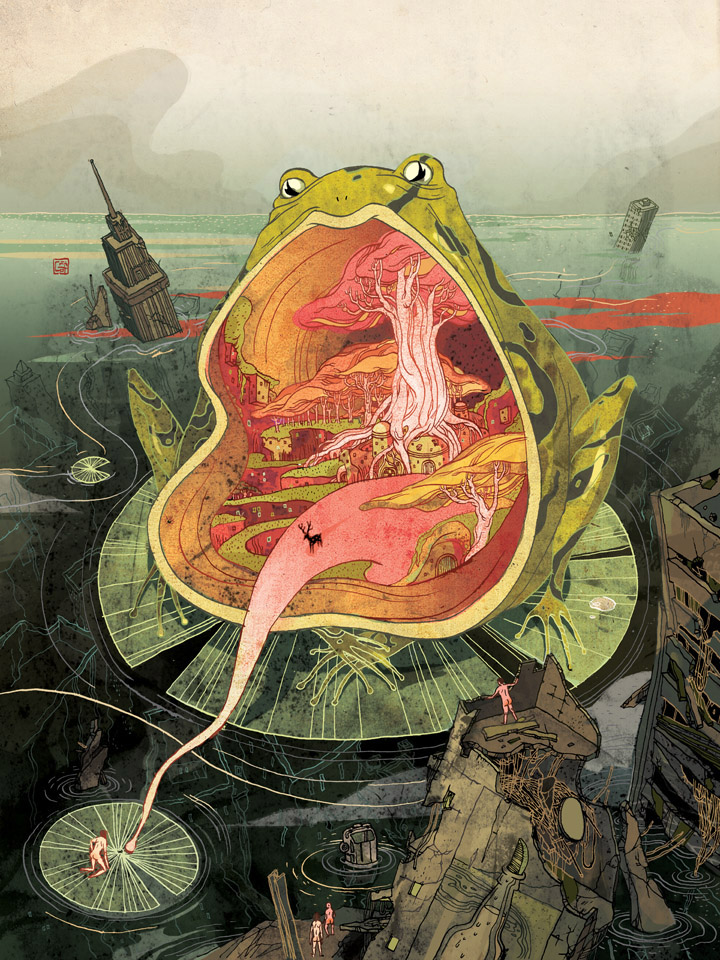
Beautiful illustrations by Victo Ngai #environment #cancer #wow

Man, the rest of Victo’s work is amazing. Definitely worth checking out.

Love this video and the fact that it’s full of stop motion invertebrate goodness.

Wax Tailor feat Aloe Blacc- Time To Go from Oh Yeah Wow on Vimeo.

By Oh Yeah Wow, via Colossal.

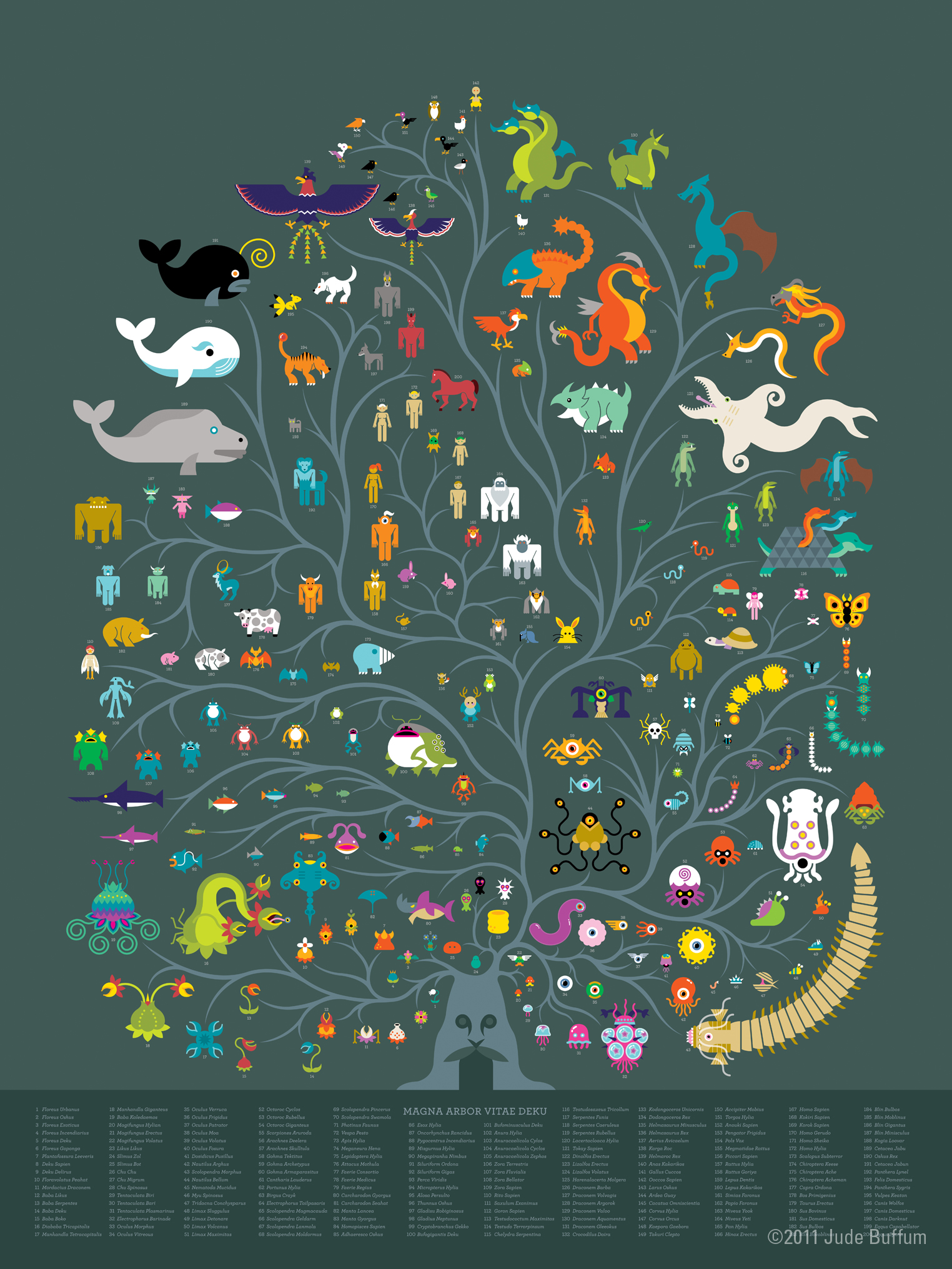
This phylo tree infographic of fantastical creatures is awesome.

Called “Magna Arbor Vitae Deku” and totally worth clicking to see it close up!

By Jude Buffum. Also available for sale.

Here and there… “Creative Commons for Artists”, “Silliness in the Name of Open Science”, and “Gaming in Education”

Hello all, just another post highlighting a few events where I’ll be speaking or sitting on panels. This one is quite a mix, and the first is actually tonight!

– – –

(ONE) October 15th, 7pm to 9pm: Creative Commons Salon Vancouver
Description: A large part of the origins of the Creative Commons license was the artistic sector. Join our panel of practicing artists who will share how and why they chose to use Creative Commons licenses for their works, and discuss the changing landscape of creative practice, intellectual property and participatory culture.
Single Sentence Pitch: Discussion on the pros and cons of creative commons use for creative types

Panelists (other than myself) will include

Date/Time – Monday, October 15 7-9pm
Place – Upstairs at the W2 Media Cafe, 111 W Hastings St, Vancouver, BC
Cost – This is a FREE event. However, space is limited – please add your name to the attendee list so we can plan appropriately for food orders and seating.

– – –

(TWO) November 1st, 2:45 – 3-45pm: Adventures in Open Science Advocacy (Part of an Open UBC/Science Conference)
Description: I’ll discuss my experiences in getting science topics into the general public’s consciousness. This includes a number of open projects that primarily rely on crowd-sourcing, involving attempts at hosting puzzles, determining the “truth,” ranking Candy, and the more recent grand crowdsourcing experiment, The Phylomon Project (http://phylogame.org). I will attempt to provide some advice on such ventures and show the merits of an open culture.
Single Sentence Pitch: My lab has done some pretty strange (and hilarious) thing in the name of Science Advocacy. Let me tell you a story about them, and at the same time highlight some of the key points that made them successful.

You should also know that the other OPEN SCIENCE talks are AWESOME. In fact, I would suggest going to them (click on links for details), more so than mine. In fact, I can strongly vouch for all of them being worth checking out.

Date/Time – Thursday, November 1st 1-5pm
Place – Irving K. Barber Learning Centre – Lillooet Room, UBC Campus.
Cost – All talks are FREE. Adding your name to the attendee lists for interested talks is appreciated so that organizers can plan appropriately.

– – –

(THREE) November 13th, 11:30am – 1pm: Application of Game Based Elements in Teaching and Learning
Details TBA (I’ll add when I hear more – today or tomorrow – event should be free though, and will involve a panel discussion on experiences around game based learning).

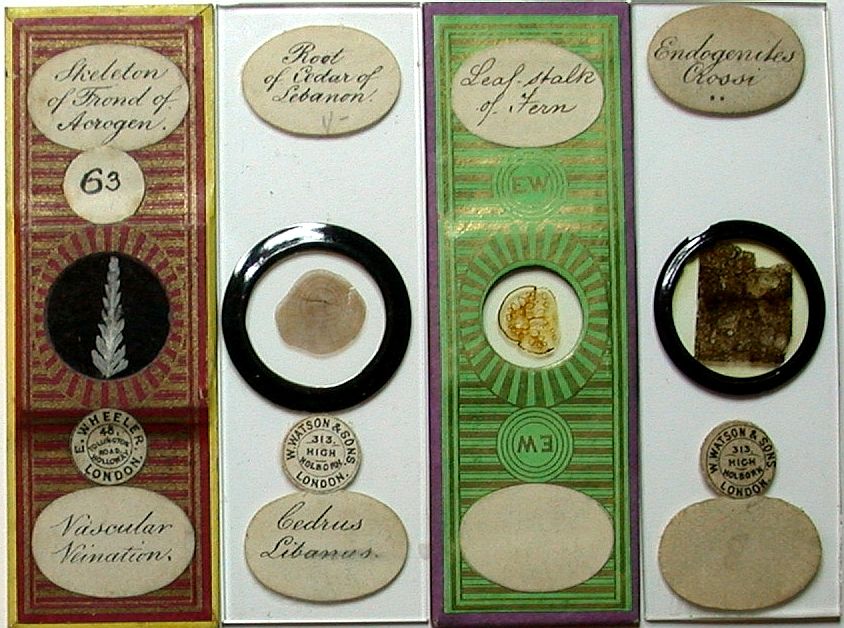
These Victorian microscope slides are both beautiful and amazing! #want

O.K., this site about Victoria microscope slides has to be one of the coolest things I’ve seen in a while. Lots to peruse, but why not just start with how beautiful the mounting looks.

Botanical specimens

“By the later 1800s, with the advent of an expanding middleclass and the burgeoning popular interest in the Natural Sciences, it was not unusual for households to have a well used microscope and a little “cabinet of curiosities”. Some, as well as purchasing commercially mounted examples, found pleasure in collecting specimens and making their own slides. Many people of the times could give the common and Latin names, and an account of the habits, for most of the plants, insects, and other living creatures both small and large in the vicinity of their town and countryside. Holiday excursions to the seashore became a popular pastime, being seen as wonderful opportunity for collecting unusual specimens for study. Public lectures, classes and demonstrations were held, and numerous societies and clubs of interested “amateur naturalists” met regularly. During the heyday of the Victorian period, the microscope and it’s attendant collection of mounted objects were not viewed as just a means to an education, or scientific tools for the laboratory, but as an interesting, wondrous, and delightful entertainment.”

Specimens that are grouped in a specific spatial (i.e. pretty) arrangements.

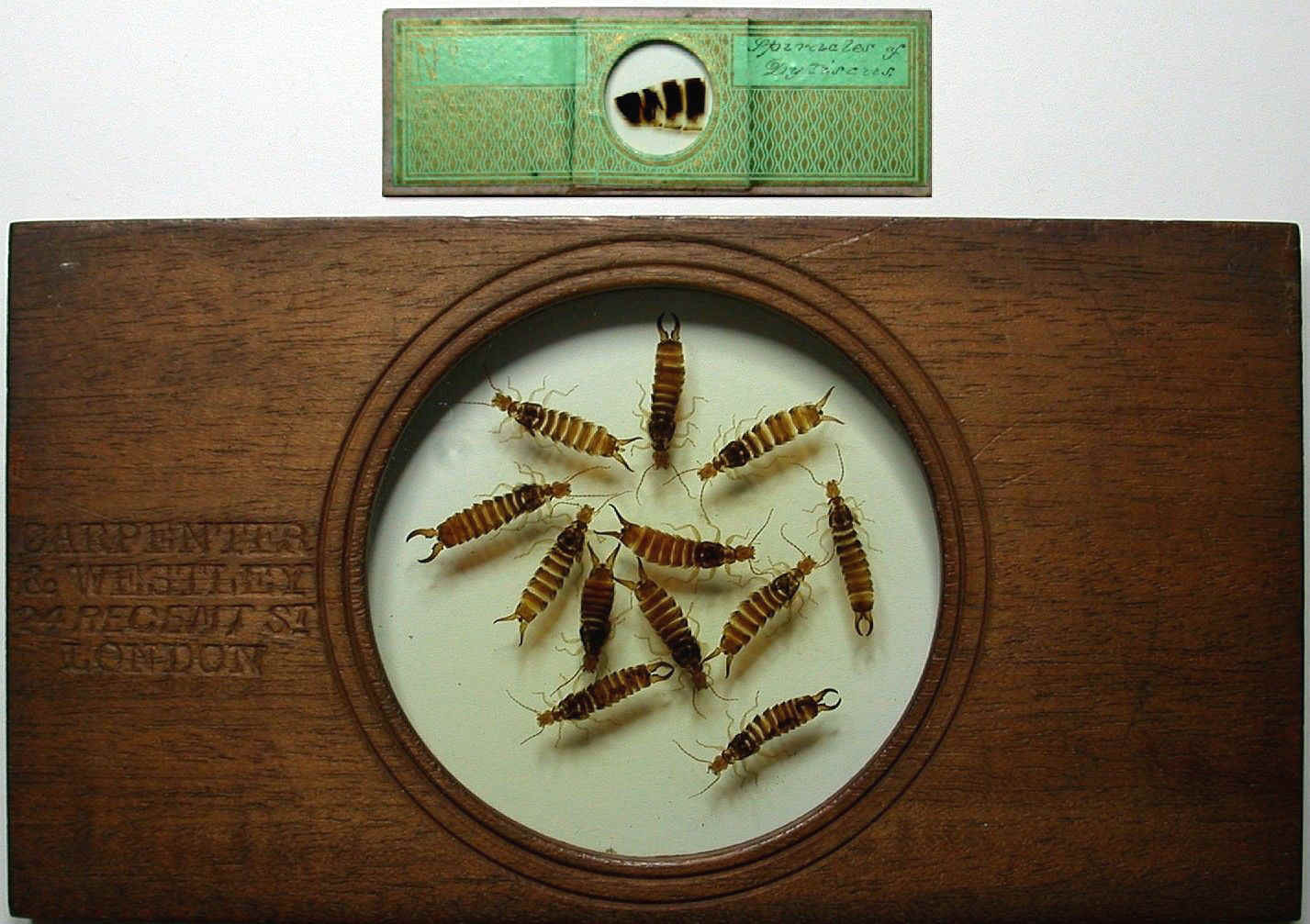
Insect specimens

Marine specimens

This is an example of a large mount (with Earwigs) slide.

Visit www.victorianmicroscopeslides/.

The wistful “Sky High” by Ben Folds Five: for this rainy and melancholy #Vancouver weekend. #song4mixtape

If you’re reading the morning paper (with soul crushing stories of bullying and assassination attempts) and need a little cathartic hopeful music, then this newish piece by Ben Folds Five is worth a listen.

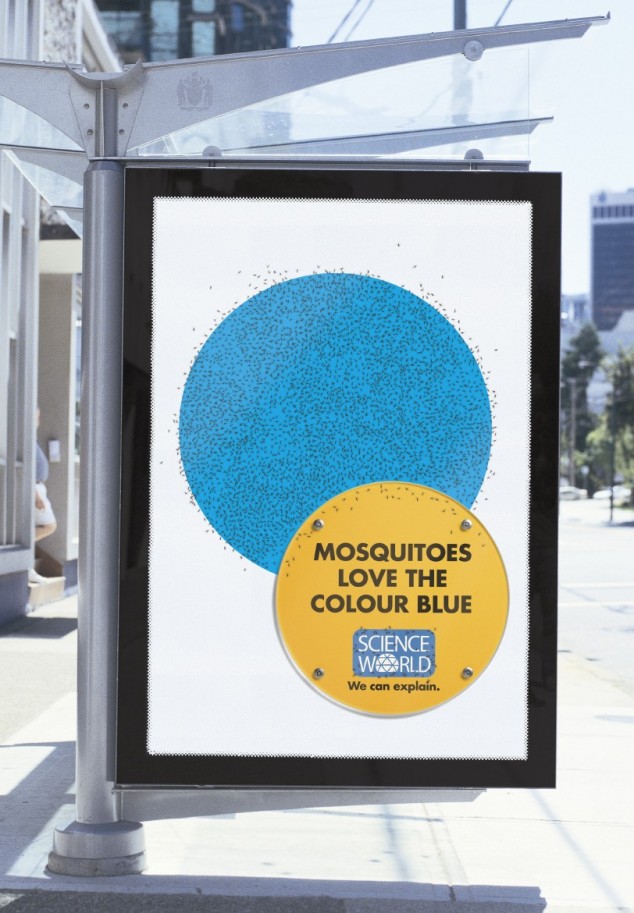
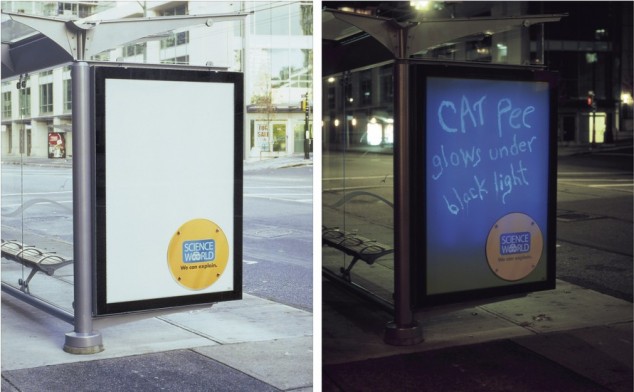
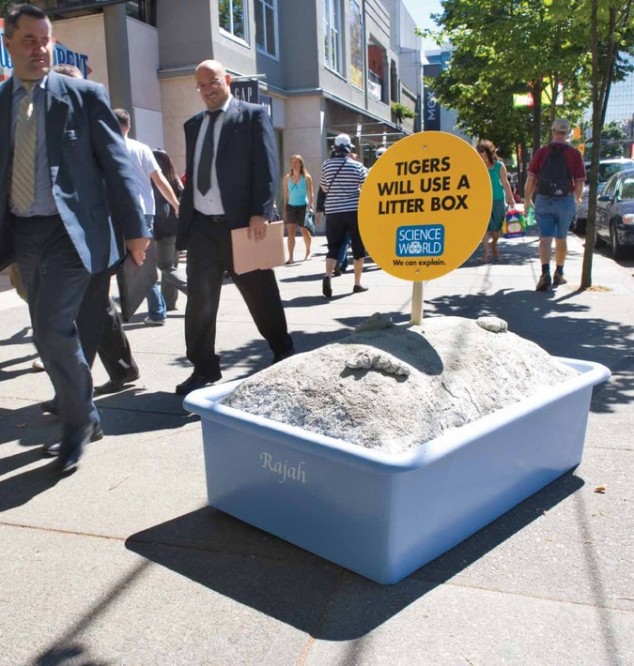
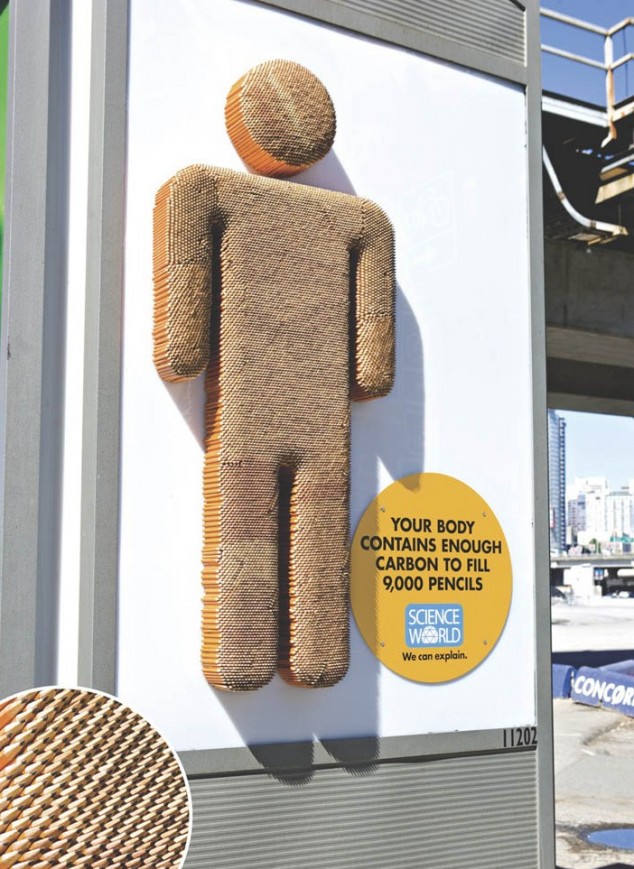
Vancouver’s Science World has a remarkably clever ad campaign out right now (via @experrinment)

By Science World, via 22 Words, via @experrinment

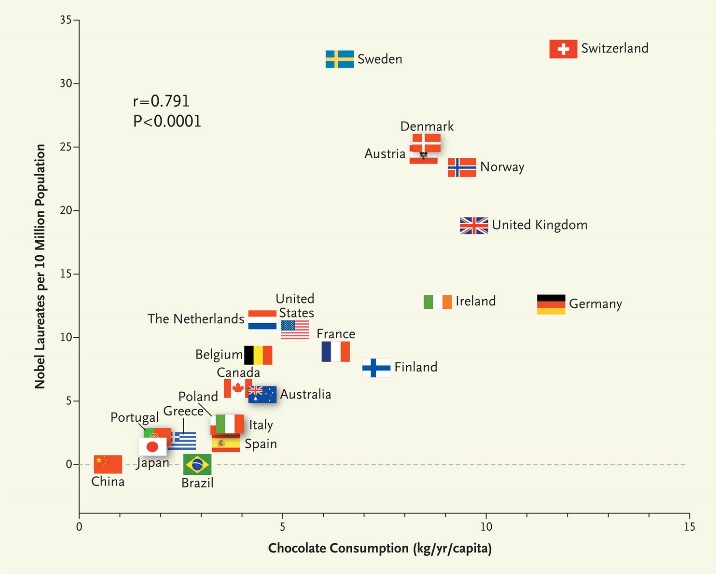
Graph: In which chocolate consumption strongly correlates with likelihood of getting a Nobel Prize.

Well… by way of the country the Nobel Laureate belongs to… (p.s. this is tongue in cheek, but good as a slide to talk about the old correlation versus causation issue)

Abstract:
“Dietary flavonoids, abundant in plant-based foods, have been shown to improve cognitive function. Specifically, a reduction in the risk of dementia, enhanced performance on some cognitive tests, and improved cognitive function in elderly patients with mild impairment have been associated with a regular intake of flavonoids. A subclass of flavonoids called flavanols, which are widely present in cocoa, green tea, red wine, and some fruits, seems to be effective in slowing down or even reversing the reductions in cognitive performance that occur with aging. Dietary flavanols have also been shown to improve endothelial function and to lower blood pressure by causing vasodilation in the peripheral vasculature and in the brain. Improved cognitive performance with the administration of a cocoa polyphenolic extract has even been reported in aged Wistar–Unilever rats.

Since chocolate consumption could hypothetically improve cognitive function not only in individuals but also in whole populations, I wondered whether there would be a correlation between a country’s level of chocolate consumption and its population’s cognitive function. To my knowledge, no data on overall national cognitive function are publicly available. Conceivably, however, the total number of Nobel laureates per capita could serve as a surrogate end point reflecting the proportion with superior cognitive function and thereby give us some measure of the overall cognitive function of a given country.”

By Franz H. Messerli, M.D. from Chocolate Consumption, Cognitive Function, and Nobel Laureates (October 10, 2012DOI: 10.1056/NEJMon1211064), via New England Journal of Medicine.

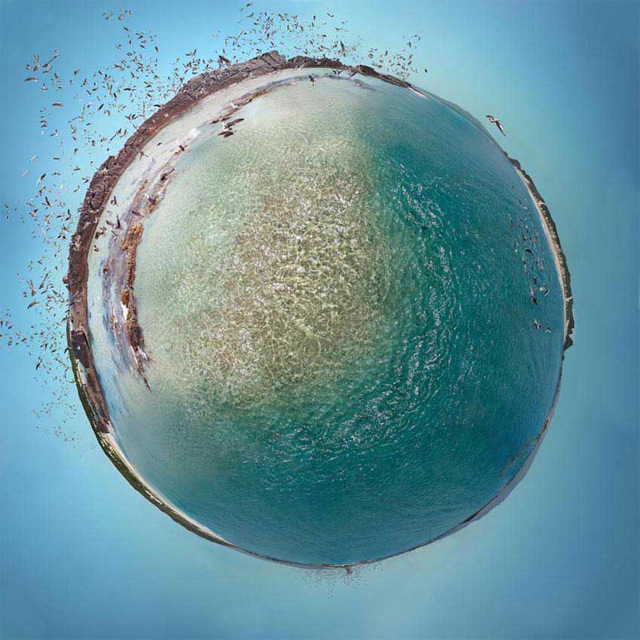
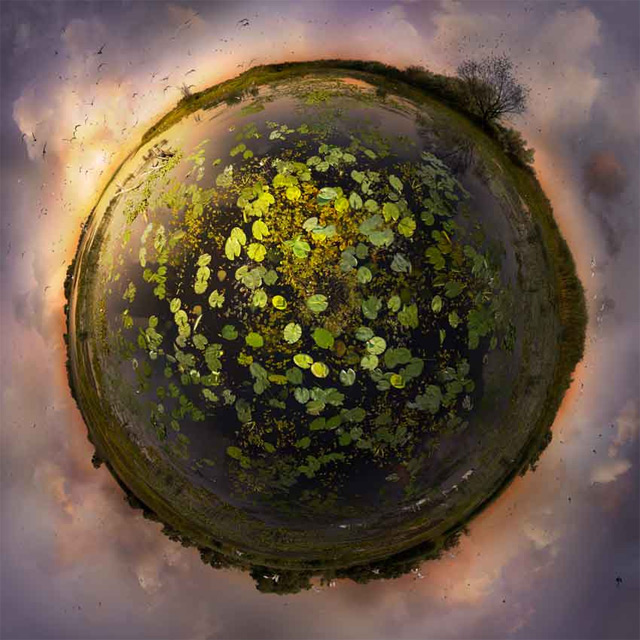
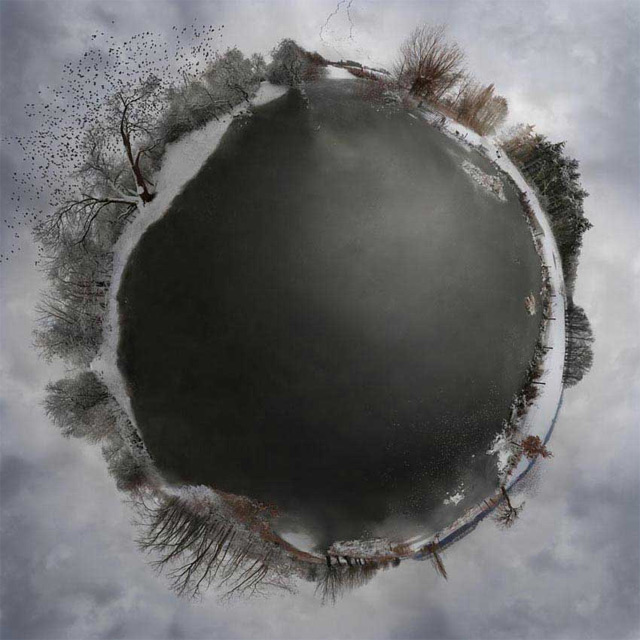
Beautiful miniature worlds by Catherine Nelson #amazing

By Catherine Nelson, via Colossal.

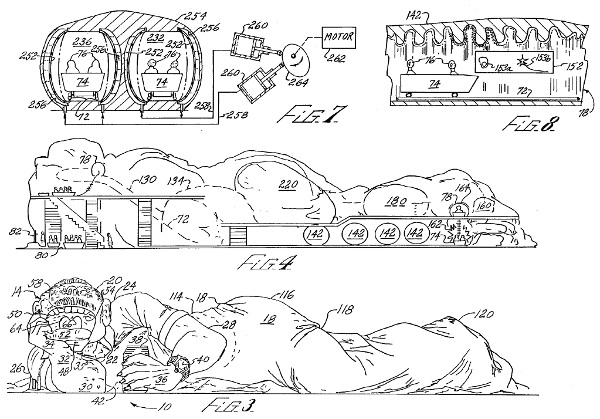
This would be SO awesome: An amusement park ride masquerading as an anatomy lesson

An educational amusement apparatus forms a large building structure having an external appearance simulating a man and a woman resting partially under a blanket, wherein riders are taken through a succession of cavities that simulate internal organs of the man and woman. Entrance to a head chamber simulating an oral cavity is achieved by a stairway supported by a simulated arm of the man, the oral cavity having displays of teeth in normal and abnormal conditions, and serving as a staging area for a train to carry the riders. The train passes into a simulated cranial cavity of the woman, past a sectional display of simulated ear organs, and into a body portion of the building that is representative of the abdomen of both the man and the woman, first through a simulated esophagus, stomach, and intestine of an alimentary canal, through simulated urinary and reproductive tracts, then through a simulated liver and a simulated cardiovascular canal, and finally through a simulated lung and windpipe to an exit staging area of the building.

Proposed by Shao-Chun Chu in 1988. See here for patent documents (via Futility Closet)

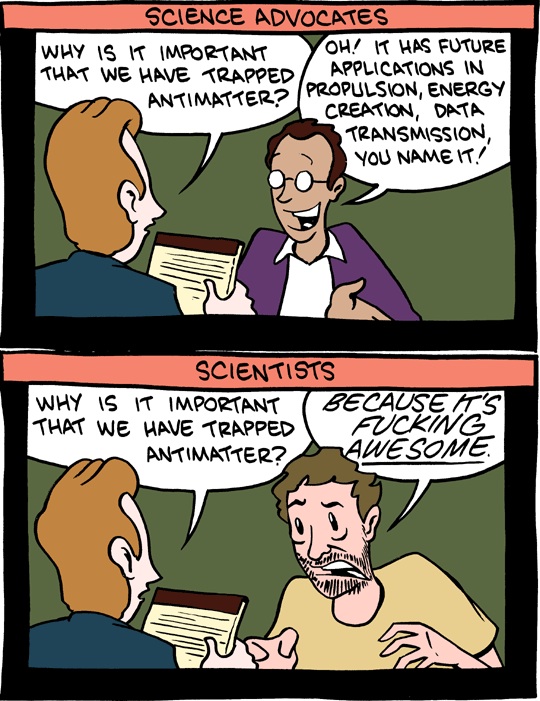
Science Advocate versus Scientist (and I suspect most Science Communicators too)

From Saturday Morning Breakfast Cereal.

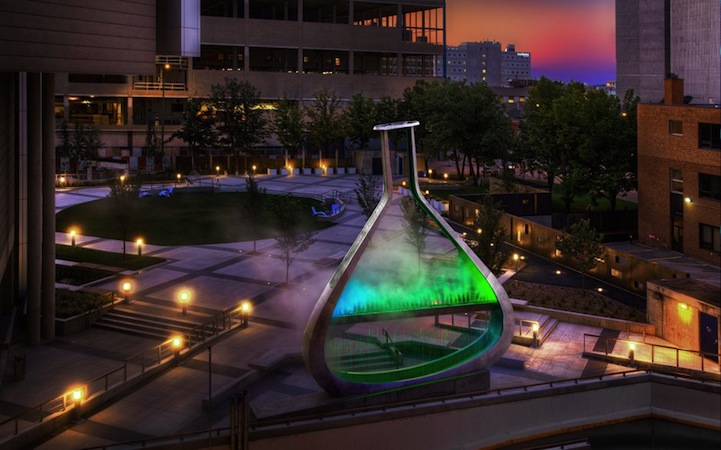
Giant Erlenmeyer Flask Inspires Giant Artwork.

Vancouver-based artist Bill Pechet of Pechet Studio has teamed up with lighting co-designer Chris Pekar of Lightworks and Montreal-based LED lighting manufacturer Lumenpulse to create one remarkable public art installation called Emptyful. The towering structure, which mimics a mammoth sized laboratory flask, stands 35-feet tall and 31-feet wide, weighing in at approximately 48,500 lbs. Located at Winnipeg’s Millennium Library Plaza, Pechet’s sculpture serves as a real crowd pleaser, grabbing the attention of visitors and casual pedestrians alike.

See Bill Pechet’s website and Lumenpulse’s website for more.

Hello again, Halley’s Comet… #strangelymoving

Via Reddit (original source unknown)

New species: Yoda purpurata (or literally “Purple Thing That Looks Like Yoda”)

From Observations on torquaratorid acorn worms (Hemichordata, Enteropneusta) from the North Atlantic with descriptions of a new genus and three new species, via the Guardian.

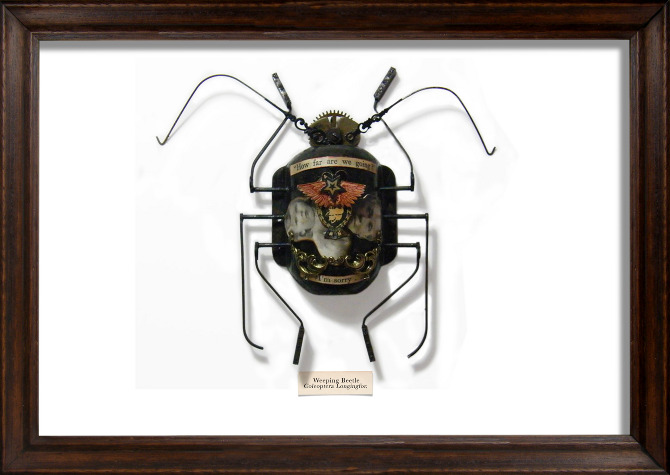
Beautiful Recycled Insects.

Literally…

By Mark Oliver, via My Modern Met.

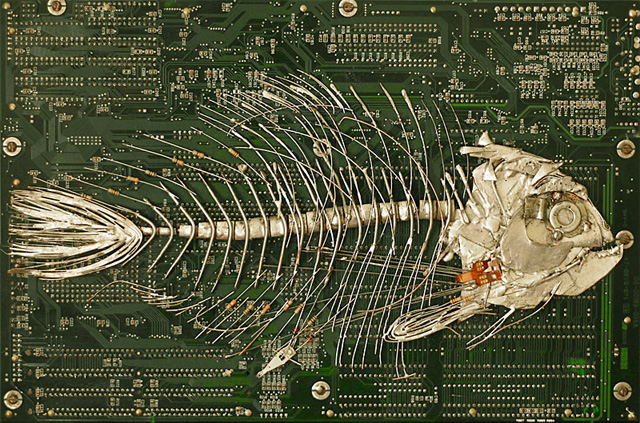
Circuit board fossils by Peter McFarlane.

By Peter McFarlane, via Colossal.

Graduated cylinder versus dropout cylinder #funny

Not sure what the original source is for this one (please leave a comment if you know).

An entomologically correct Abbey Road.

“The Beetles” by Alex Solis

Stars – Hold on When You Get Love and Let Go When you Give It #song4mixtape

Haven’t heard a guitar riff this good in a long long while (wait about 40 seconds in).

By the Stars.