.

The Von Trapp Children Speak to a Geneticist

By DAVID NG
von-trapp-family11

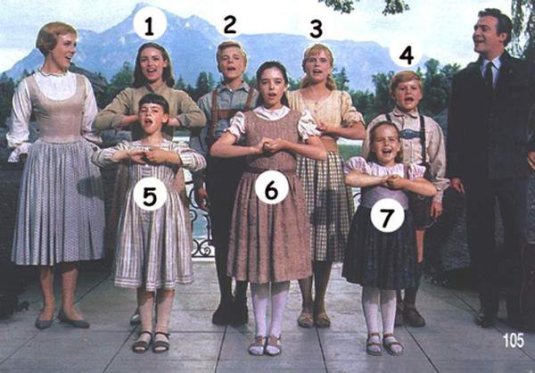
LIESL: Why is it that we can all sing very well?

GENETICIST: Liesl, that is an excellent question! And essentially one that boils down to the classic debate of nature versus nurture. Are your genes responsible for this particular talent, or has it more to do with your upbringing? Looking at this scenario objectively, I would have to say that it is both. There have been reports that the ability to have perfect pitch—that is the ability to distinguish musical notes without points of reference—is a hereditary phenomenon, thereby strongly suggesting a genetic basis. This would seem to be supported by your father’s musical talent as well. Of course, you’ve also had the benefit of being tutored by your wayward novice governess with all-world pipes, Maria.

In conclusion, like most things pertaining to our individuality, we are influenced by both our biology and our surroundings.

GRETL: I think Liesl is very beautiful. Why am I not as pretty?

GENETICIST: Assuming no mutational errors occur during the production of sperm and egg cells, there was approximately a 1-in-70,000,000,000,000 chance that you would have been an identical clone of your sister. If you included the multitude of mutational and regulatory events that ensue during this process, that statistic would escalate to an even smaller chance that is, quite frankly, unfathomable to calculate. How did I get to this absurd number? Well, one must realize that your genetic instructions are housed as a collection of 23 pairs of chromosomes (i.e., 46 in all). In other words, it is correct to say that each human has two sets of instructions—one given to you by your father, and one by your mother. If you keep in mind that your parents themselves also have 23 pairs of chromosomes, and you realize that the child may receive only one from each pair, the likelihood of siblings having the same 46 chromosomes is the fantastic number mentioned above.

However, Gretl, do not fret. You are the youngest of the lot and still have a good chance to blossom into a stunning flower like your sister Liesel. Furthermore, cosmetic surgery these days I hear is quite impressive. And then there is always the chance of Liesl having a disfiguring accident—I hear she may be a Nazi sympathizer, which is never a good thing.

FRIEDRICH: Yes, Liesl is hot. Sometimes, even I have feelings for her. Why is it bad for me to feel that way?

GENETICIST: Incestuous relationships, as well as being frowned upon by most of society, are also disadvantageous from a biological point of view. In the genetic world, diversity breeds fitness. One example is to imagine the following. You have a set of genes that determine the ability of your immune system to recognize and combat various pathogens. Your sister Liesl also has a set of genes that do the same thing. And because you and your sister come from the same genetic pool (you have the same parents), Liesl’s immunity is quite likely to be similar to yours. Do you not see that the net effect of this is that you would create offspring with a limited repertoire of immune-system genes? Compare that to your having a child with, say, Marcia from The Brady Bunch, and you will note that this union will create offspring that have the benefit of a wider genetic pool (your parents and Marcia’s parents), thereby allowing your children to acquire a more diverse and fitter immune system.

Also, dude, she’s your sister.

BRIGITTA: Why do all of our siblings have blondish hair and blue eyes, whereas Marta and I have dark hair and dark eyes?

GENETICIST: You are thinking, perhaps, that your mother was a whore? It is true that the disparity in your outward appearances is a mite unusual. However, there is no reason to believe that any adultery has occurred. Here is the reason why. Although it is generally thought—though not confirmed—that extreme blondness (as in the case of Louisa and Friedrich) has a recessive distribution, there are numerous factors that can account for your instances of dark hair and dark eyes. First, hair and eye color are very subjective terms. Is Greta or Kurt blond, dirty blond, or strawberry blond? Genetic characterization is very difficult when the observational characterization is less than strict. Second, the pigmentation of hair is normally attributed to melanin levels, which have been shown to vary greatly during different stages of a person’s life. You may have noticed, for example, that a person’s childhood hair color tends to be lighter than their adult hair color. Third, the amount of melanin that an individual produces is influenced in part by their environment. For instance, melanin acts to protect the person from the damaging effects of the sun’s radiation. In conclusion, I do not feel that there is anything to worry about. Besides, you did not mention Liesl, who herself has dark hair. Did you omit her because you are secretly jealous of her hotness?

KURT: I think I might want to be with another boy. Is this to do with my DNA?

GENETICIST: Unfortunately, the answer is currently unknown. There have been numerous reports that have tried to implicate specific genetic regions to homosexual behavior, but presently those studies, although titillating, are at best only an indication that there is a hereditary factor for this type of sexual orientation. However, there is an abundance of ongoing research in this area, particularly with homosexual men. If you are interested, perhaps you could participate in the scientific process. Of course, it is important to remember that the Nazis do not dig gay people.

LOUISA: Why doesn’t anybody remember who I am?

GENETICIST: Alas, it appears that this is because you are the second child. I would not be surprised if there are very few pictures of you. It is not, I assume, because your parents did not love you, but simply a facet of being born after the initial excitement and newness of parenthood has passed. This, of course, has nothing to do with genetics. In order to be taken more notice of, you could try different fashions, or perhaps a new haircut. In truth, Liesl could probably give you better advice, as I am, sadly, only a geneticist.

– – –

Originally published at McSweeney’s

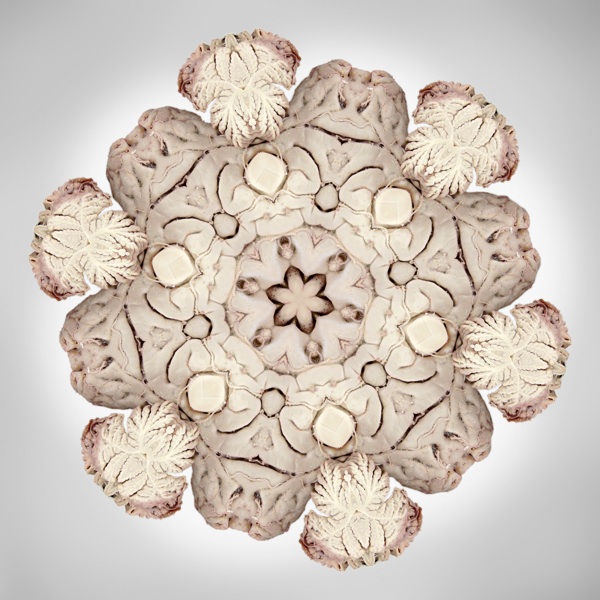
Human tissue samples reworked as digital mandalas #strangelybeautiful

mandalaliver

mandalabrain

mandalaheartmuscle

mandalaheart

By Mieke Geenen, via Stacey Thinx

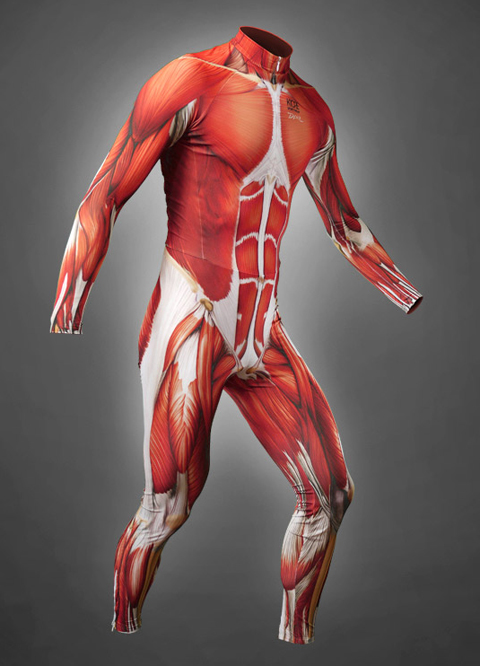
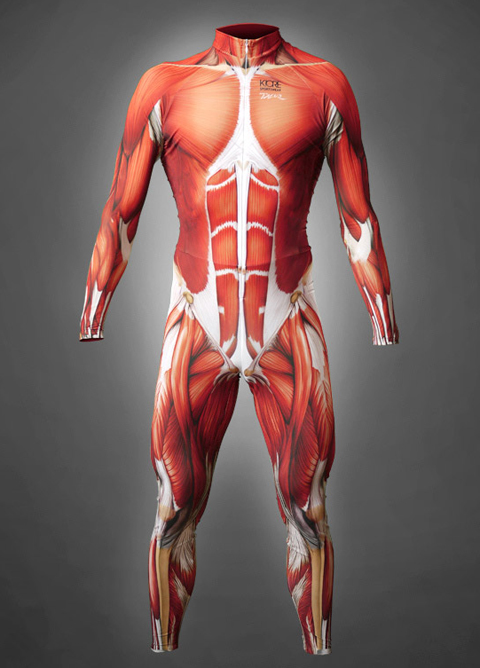
Gotta get me one of these muscle suits…

Would be kind of funny to wear this at the gym…

Muscle-Skin-Suits-for-cycling_zpsb6251059

Muscle-Skin-Suits-for-cycling-5_zpsea61b85d

You can buy it here. Via Sweet Station.

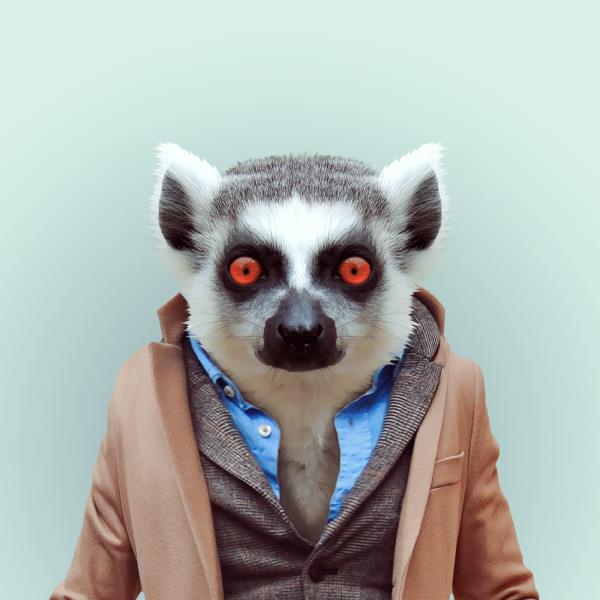
Animals looking dapper, seriously dapper

yagopartalzooportraits4

yagopartalzooportraits3

yagopartalzooportraits2 yagopartalzooportraits1

By Yago Partal, via My Modern Met.

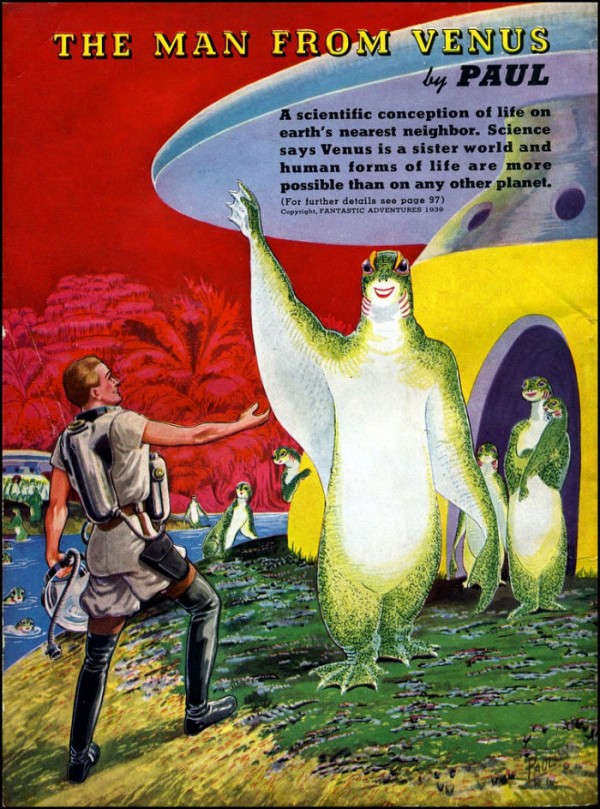
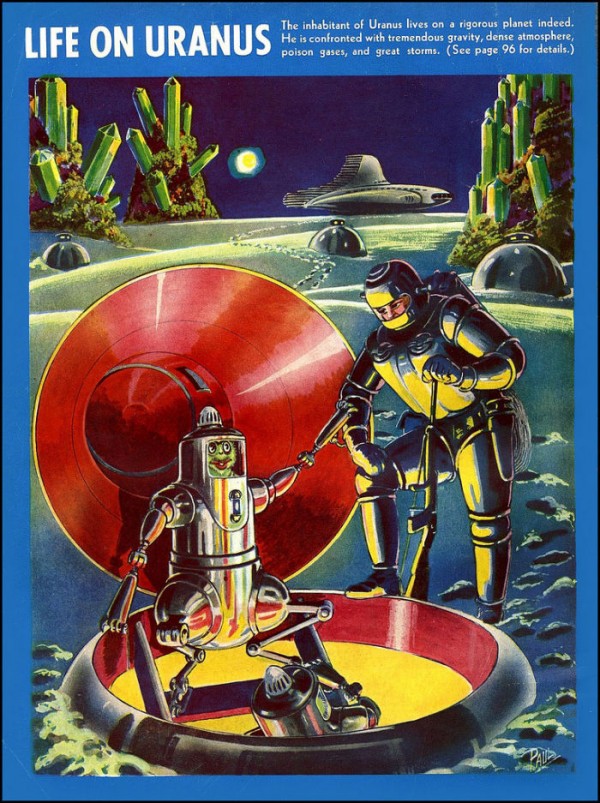
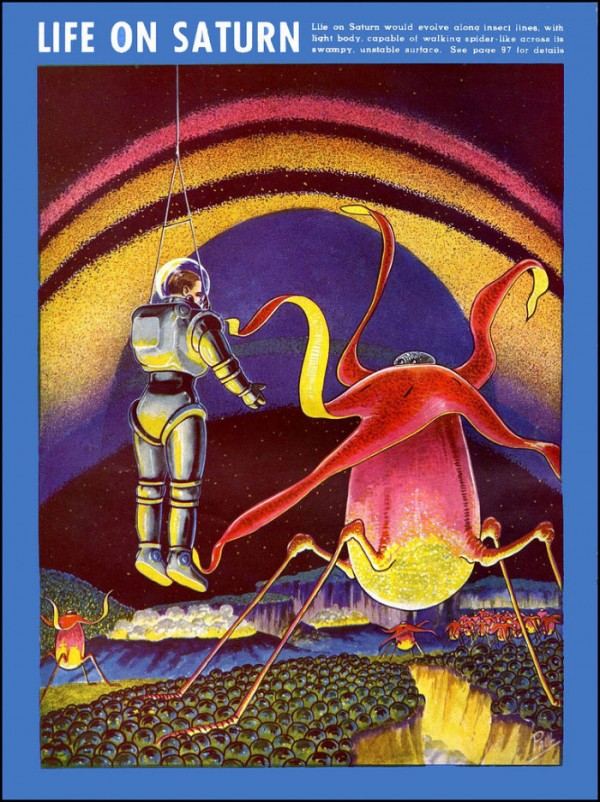
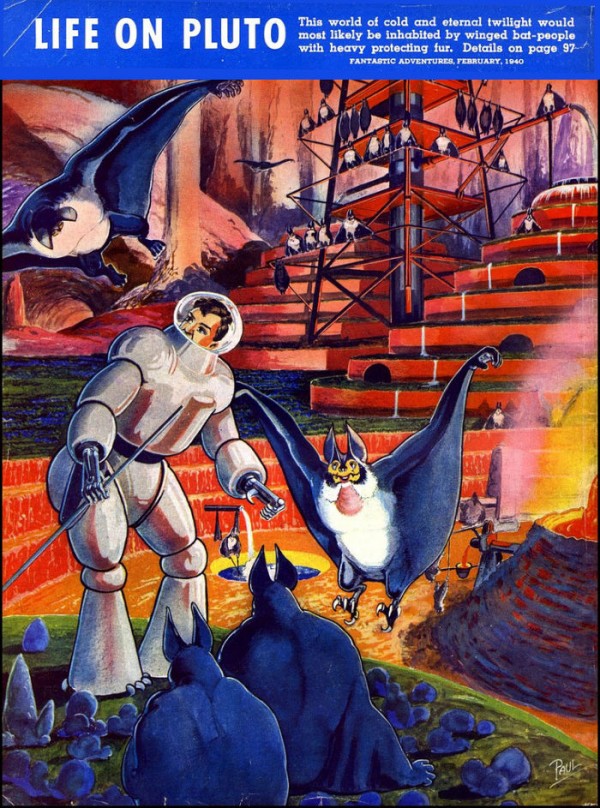
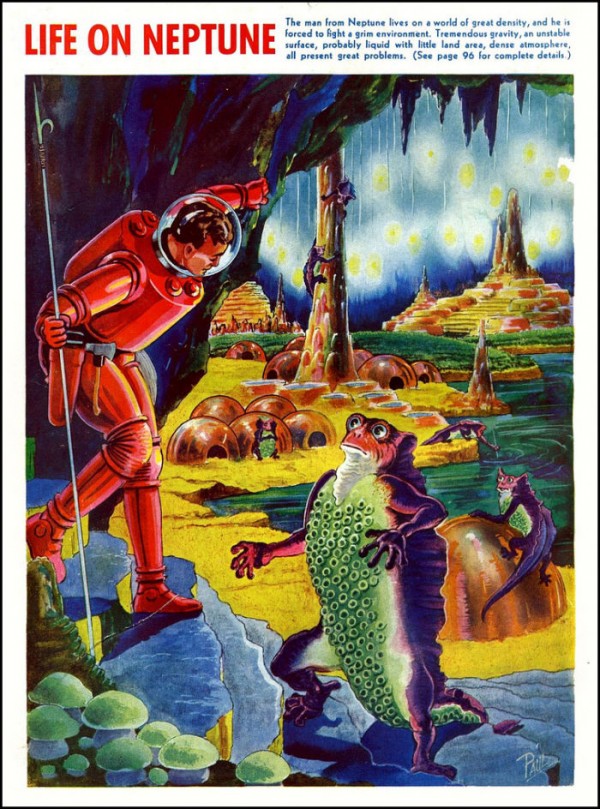
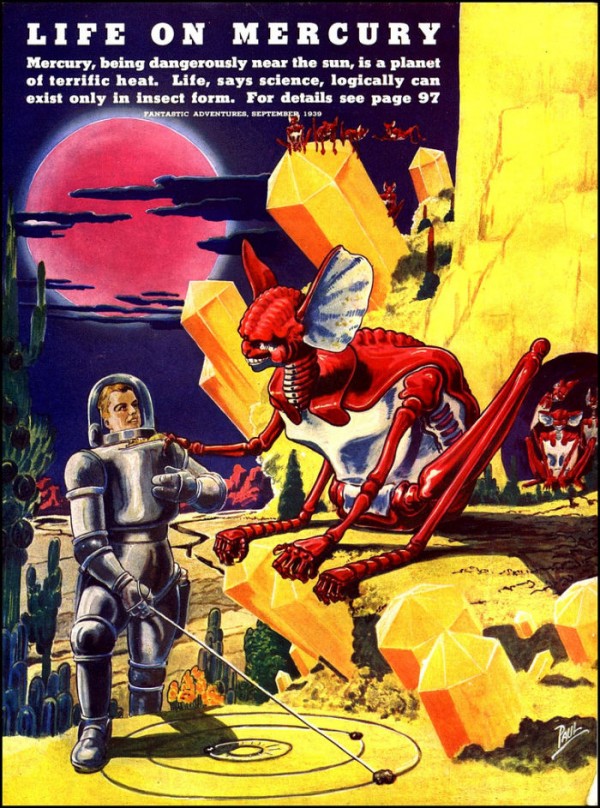
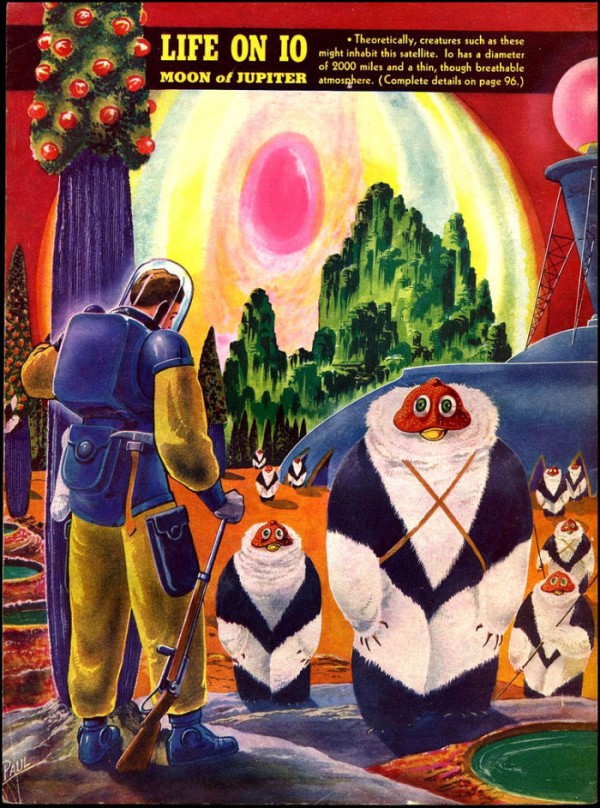
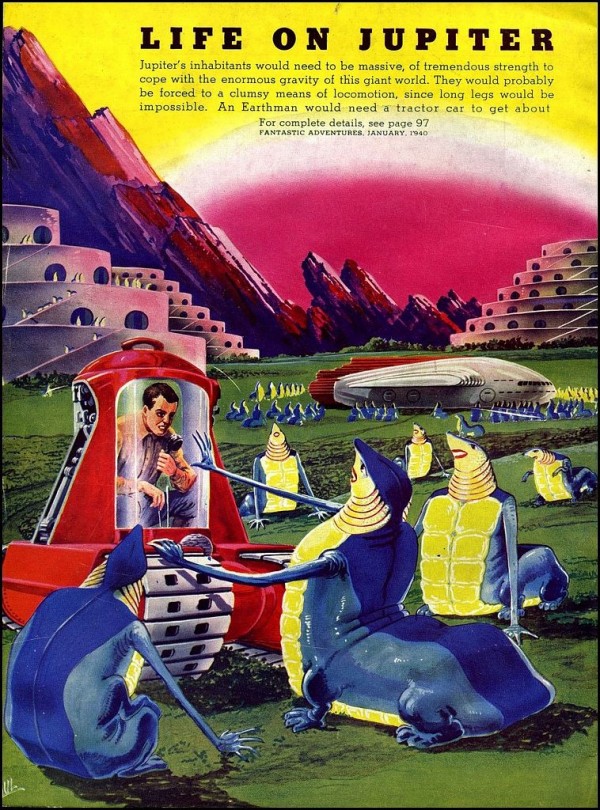
A vintage look at life in our solar system

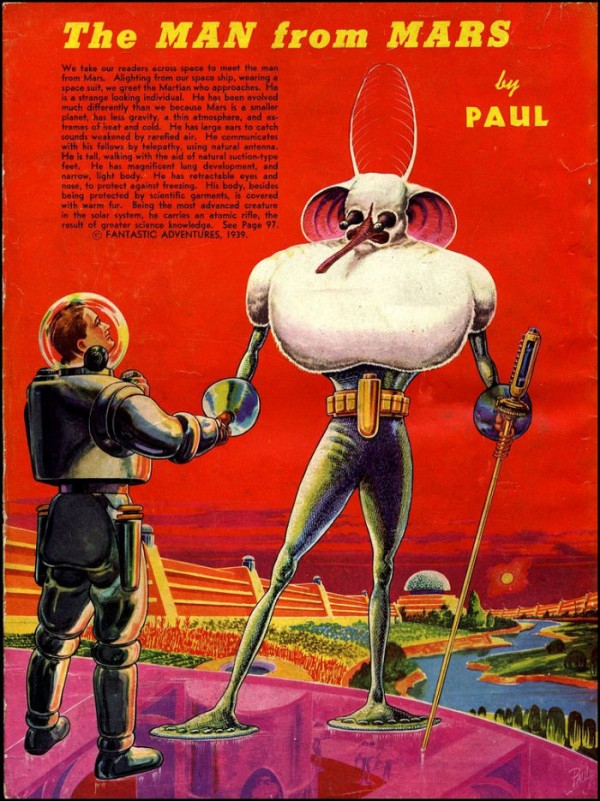
Awesome… and from 1939 by  Frank R. Paul,

Frank-R.-Paul-life-on-venus-600x809

8-Frank-R.-Paul-life-on-uranus-600x803

7-Frank-R.-Paul-life-on-saturn-600x802

6-Frank-R.-Paul-life-on-pluto-600x808

5-Frank-R.-Paul-life-on-neptun-600x809

4-Frank-R.-Paul-life-on-mercury-600x808

2-Frank-R.-Paul-life-on-moon-of-jupiter-600x808

1-Frank-R.-Paul-life_on_jupiter-600x810

3-Frank-R.-Paul-life-on-mars-600x801

Via Visual News

How you might express “meh” in mathematical notation

mathexpressions

By Kristopher Kelly, via McSweeney’s
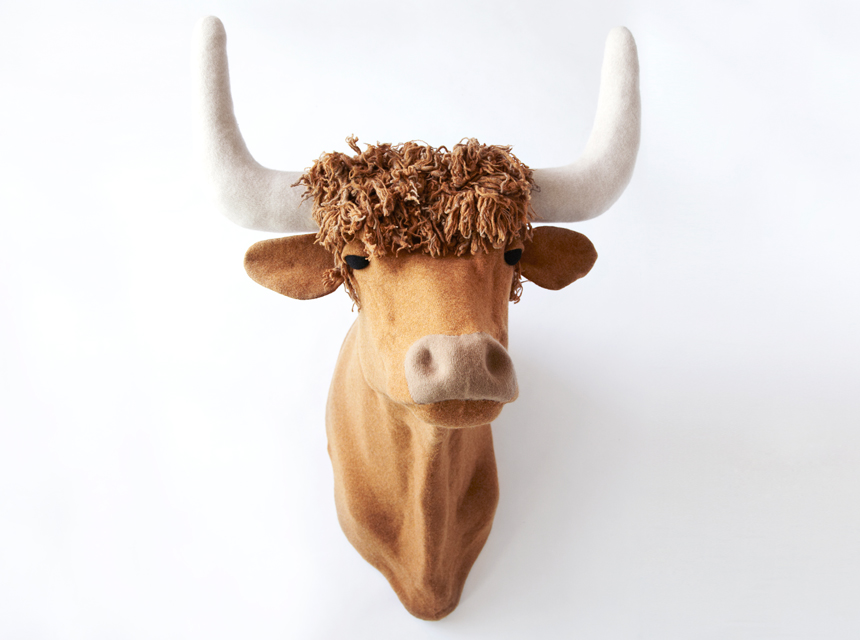
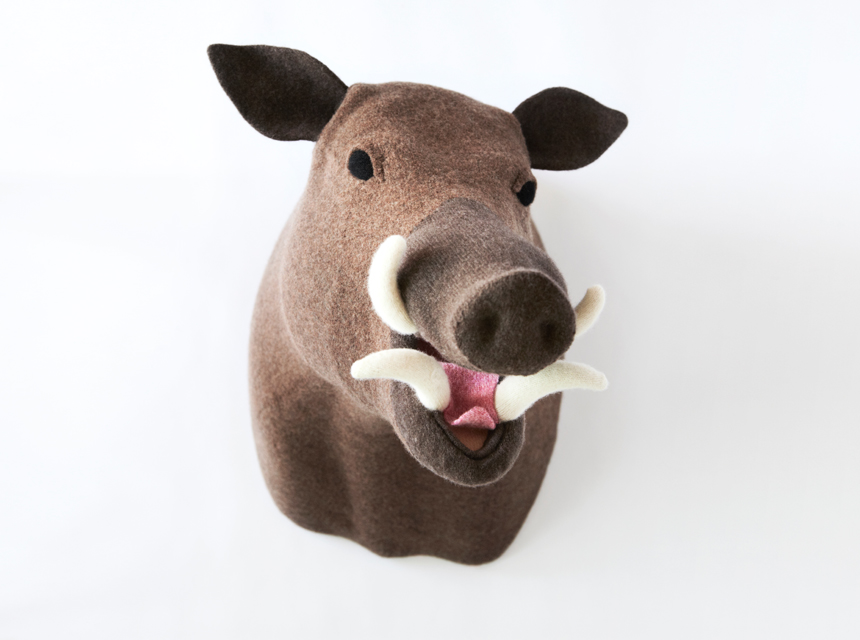
These knitted animal heads by Jessica Dance are amazing!

jessica_dance_knitted_stag_860

jessica_dance_knitted_deer_860

jessica_dance_knitted_Bull_860

jessica_dance_knitted_boar_860

By Jessica Dance, via Notcot.org

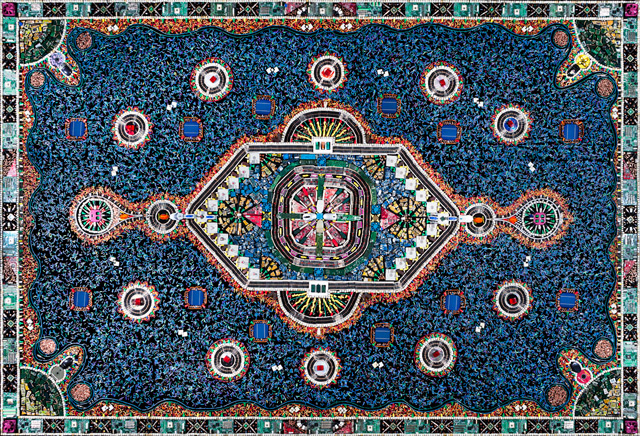
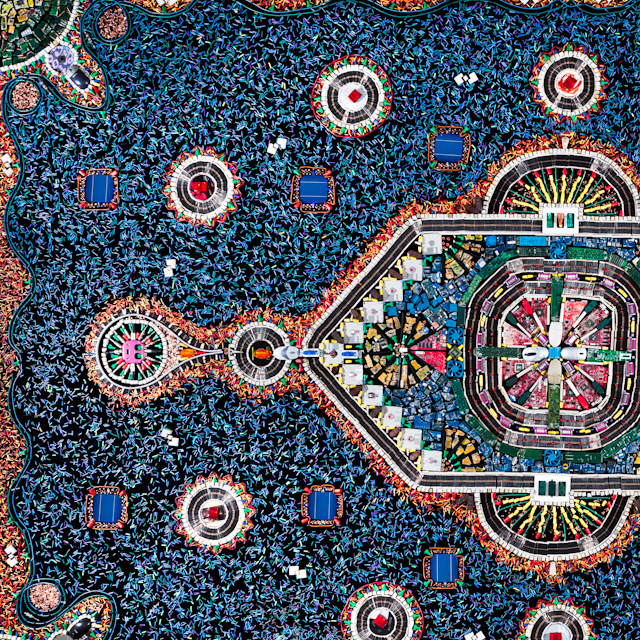
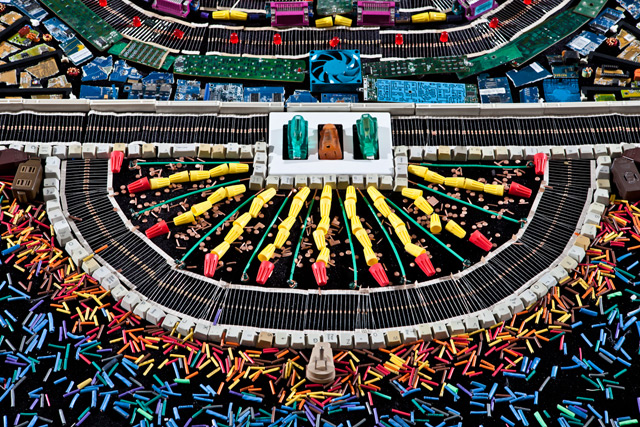
Beautiful carpet made from computer parts

uribe-11

uribe-21

uribe-31

uribe-61

uribe-71

By Federico Uribe, via Colossal.

The Scientific Literacy of Unicorns: A #PechaKucha Fable

unicornrainbow

So I gave a Pecha Kucha a few weeks back. Scariest presentation ever! Really fun but really challenging format. Essentially, you need to prep a talk that involves 20 slides that auto forwarded every 20 seconds. In other words, not only do you have to be concise, you also have no control over the progression of slides (yikes!)

Anyway, here it is below. Enjoy!

Ubiquitous unicorn graphic via cottoncritter.

Some words of advice from @Cmdr_Hadfield drawn by @zenpencils

2013-03-05-hadfield

Quote by Chris Hadfield, art by Gavin Aung Than.

In which Minecraft is used to create a working neuron. #whoa

neuronminecraft

Here is a close-up of the voltage-gated Sodium Channel…

VGNachannelminecraft

By AllUpInHyuh. See details here (click – this is very cool).

Converting Pi to a 26 base (alphabet unit) numerical code equals monkeys typing randomly on typewriters!

Whoa, this is pretty cool…

“If π is expressed in base 26, then each of its digits can be associated with a letter of the alphabet (0=A, 1=B, … 25=Z). This produces an endless string of letters:

D.DRSQLOLYRTRODNLHNQTGKUDQGTUIRXNEQBCKBSZIVQQVGDMELM …

If the digits of π are truly random, then this string “emulates the mythical army of typing monkeys spewing out random letters,” writes Mike Keith. “Among other things, this implies that any text, no matter how long, should eventually appear in the base-26 digits of π.”

By Mike Keith – more here (text found via futility closet)

Best physics related cat figure ever!

wellpreparedcat

Via Fresh Photons.

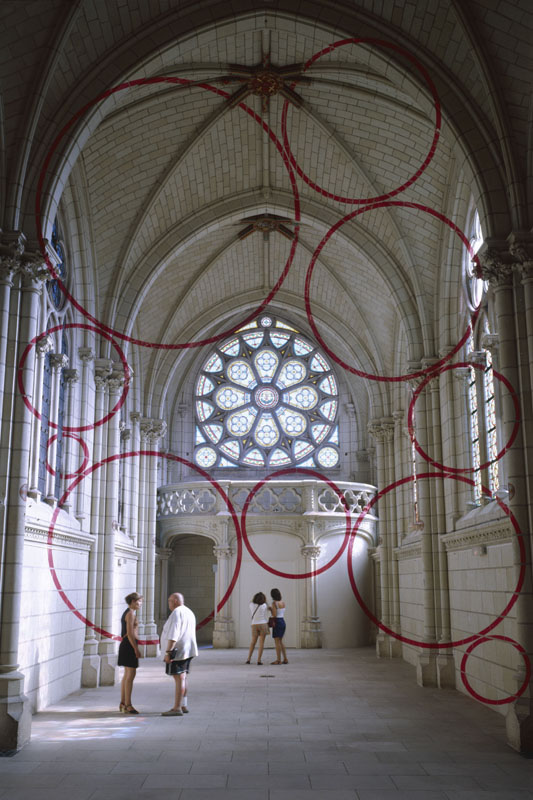
The anamorphic illusions of Felice Varini: Incredible that these aren’t due to photoshopping!

felicevarinianamorphicillusions12

"neuf triangles dansants"

felicevarinianamorphicillusions4

« Otto rettangoli rossi »

"Six arcs en scène"

"Quatre triangles pour deux fenêtres"

« Tre pentagoni nei tre dischi eccentrici »

felicevarinianamorphicillusions2

By Felice Varini, via My Modern Met.

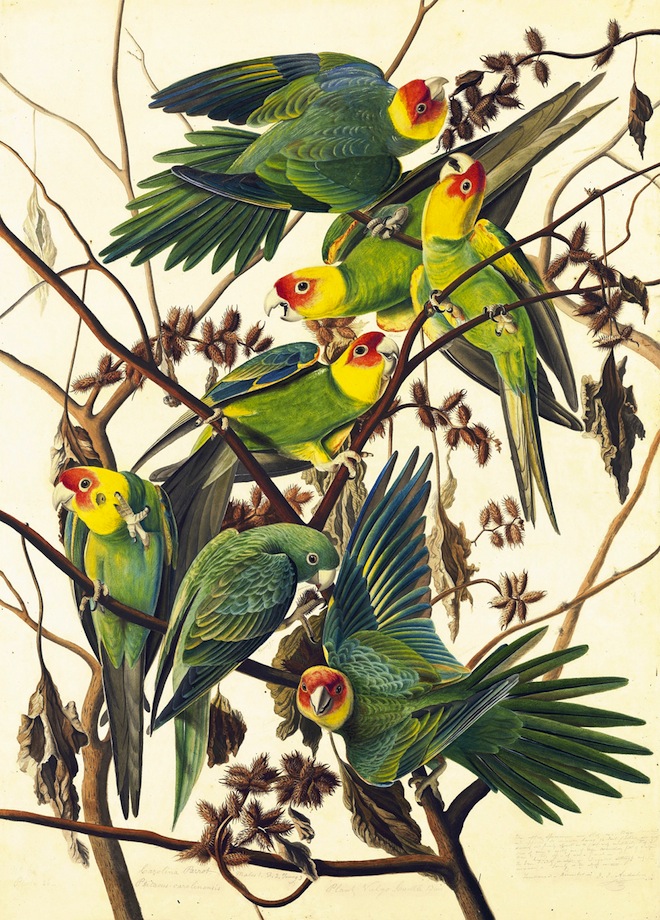
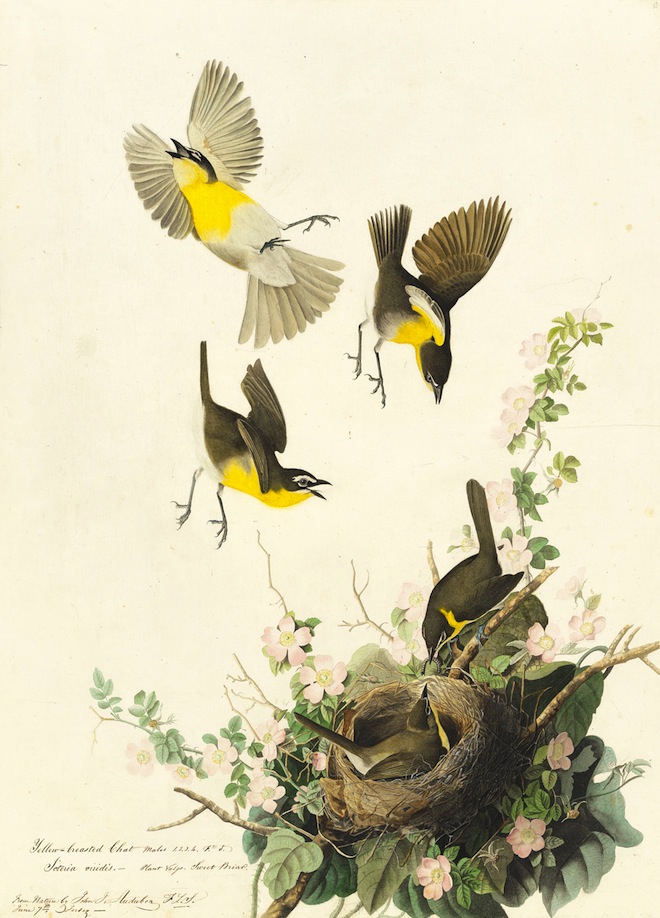
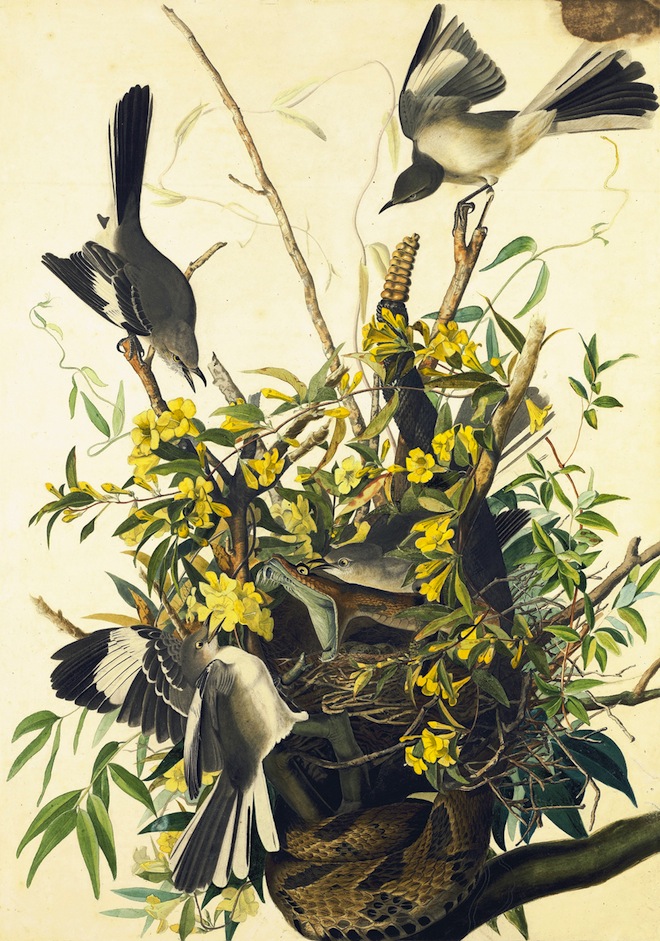
Audubon’s Aviary: The Complete Flock. Amazing exhibit at the New York Historical Society #wow @nyhistory

1863_17_026_carolinaparakeet

1863_17_033_americangoldfinch

1863_17_137_yellowbreastedchat

1863_17_021_northernmockingbird

“On display now through May 19 at the New York Historical Society is the first of three installations in Audubon’s Aviary: The Complete Flock, the society’s unprecedented exhibition of 474 paintings.”

From New York Historical Society, via Wired.

Leaves falling, as seen from the ant’s point of view #art

giantleaves02

giantleaves01

By Kaarina Kaikkonen, via My Modern Met.

Snakes on a (mathematical) plane

snakesonplanes

By ~bananagram, via IFLS.

It’s Pi Day everyone! And in celebration, here is an assortment of #awesome Pi related links. #piday

It’s March 14th (or 3/14), and I figure clicking on these links should keep you occupied for at least 3.14 minutes…

Pi! The poster! #awesome

Pi in the sky (or at least the first 1000 digits). #whoa

WANT: The Pi bottle opener.

When you use Pi to create art, these are the types of incredible images you might get.

Time to ride your Picycle! #math

When Pi reversed equals Pie.

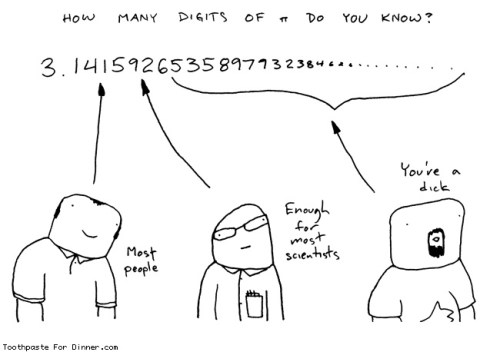
The “ARE YOU A DICK?” Pi recognition scale.

Lovely mnemonic for Pi involving liquor and physics.

Pizza solved. #veryclever

In case you ever want to see Pi to the first one million digits.

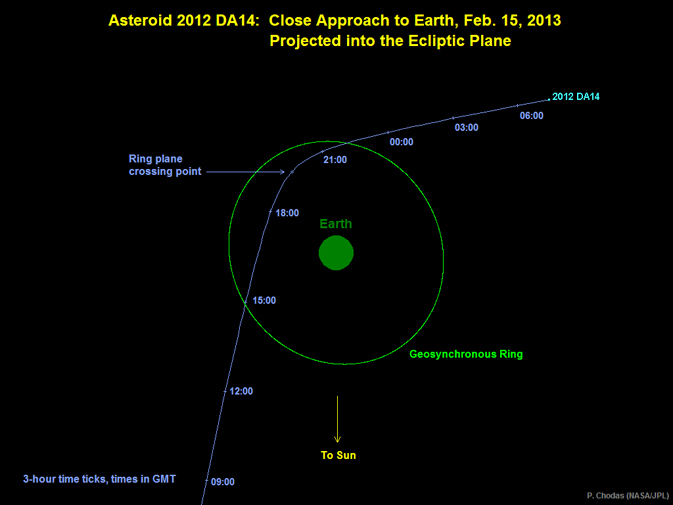
Asteroids are nature’s way of asking: How’s that space program coming along?

Phew! That was close…

asteroids

724124main1_2012da14rp36-673

Top graphic source unknown (but via Fresh Photons). Bottom graphic via NASA (great link explaining the recent flyby).

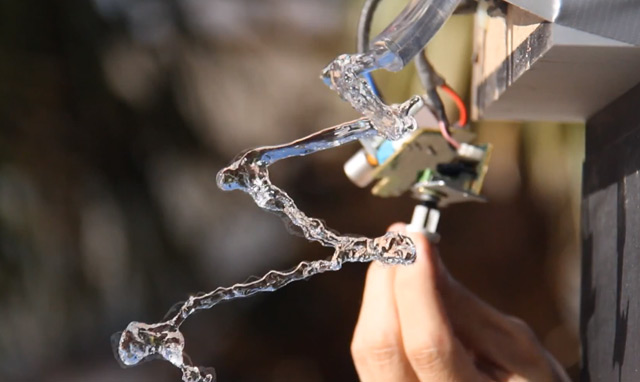
Sine wave vibration induced water flow captured on film #whoa

This is pretty wild.

water-1

From the Youtube description:

“Ever since I created the first version of this video a year ago I’ve been wanting to try it again with more water and better lighting / footage. This is a really fun project and when you first see the results, chances are your jaw will drop. The main thing to keep in mind for this project is that you need a camera that shoots 24 fps.

The effect that you are seeing can’t be seen with the naked eye. The effect only works through the camera. However, there is a version of the project you can do where the effect would be visible with the naked eye. For that project, you’d have to use a strobe light.

For this project you’ll need:

A powered speaker
Water source
Soft rubber hose
Tone generating software
24 fps camera
Tape.

Run the rubber hose down past the speaker so that the hose touches the speaker. Leave about 1 or 2 inches of the hose hanging past the bottom of the speaker. Secure the hose to the speaker with tape or whatever works best for you. The goal is to make sure the hose is touching the actual speaker so that when the speaker produces sound (vibrates) it will vibrate the hose.

Set up your camera and switch it to 24 fps. The higher the shutter speed the better the results. But also keep in the mind that the higher your shutter speed, the more light you need. Run an audio cable from your computer to the speaker. Set your tone generating software to 24hz and hit play.Turn on the water. Now look through the camera and watch the magic begin. If you want the water to look like it’s moving backward set the frequency to 23hz. If you want to look like it’s moving forward in slow motion set it to 25hz.

Text and film by Brusspup, via Colossal