This is my favourite metaphorical phrase to describe people who do not think rationally. What’s yours?
In which:
“The wheel is running, but there is, apparently, no hamster.”

In which:
“The wheel is running, but there is, apparently, no hamster.”
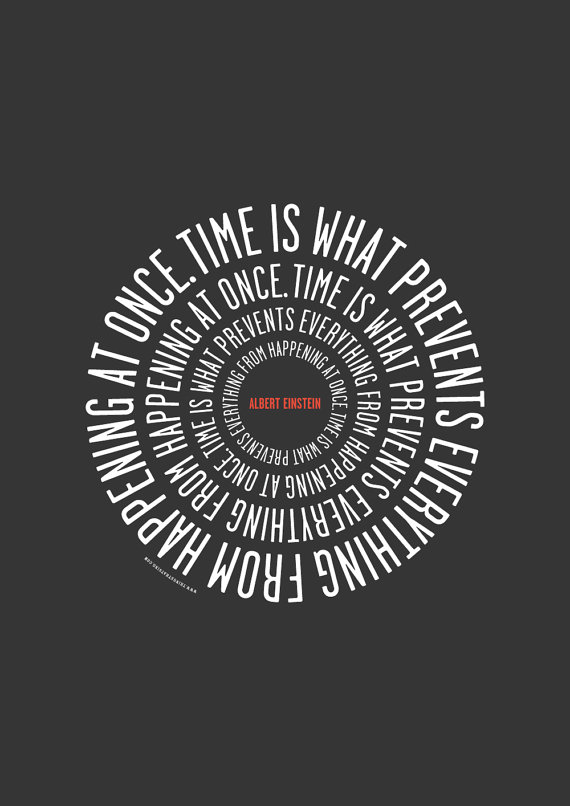
By Melissa Alaverdy , available at Etsy.
Animation above created by Croix Gagnon, with data from the Visible Human Project: nlm.nih.gov/research/visible/visible_human.html
This picture, right here, is why I want to include more physics in the ASIC200 course next year!

Found via LOLCats.com.
First, the real one:

The “to-do” list, translated, reads: “On the Utilities. Spectacles with case, firestick, fork, bistoury [a surgical knife], charcoal, boards, sheets of paper, chalk, white wax, forceps, pane of glass, fine-tooth bone saw, scalpel, inkhorn, penknife.
“Get hold of a skull. Nutmeg.
“Observe the holes in the substance of the brain, where there are more of less of them.
“Describe the tongue of the woodpecker and jaw of a crocodile.
“Give measurement of the dead using his finger [as a unit].
“Get your books on anatomy bound. Boots, stockings, comb, towel, shirts, shoelaces, penknife, pens, a skin for the chest, gloves, wrapping paper, charcoal.” (Guardian)
And the cartoony one (although I actually find the real one much more amusing):
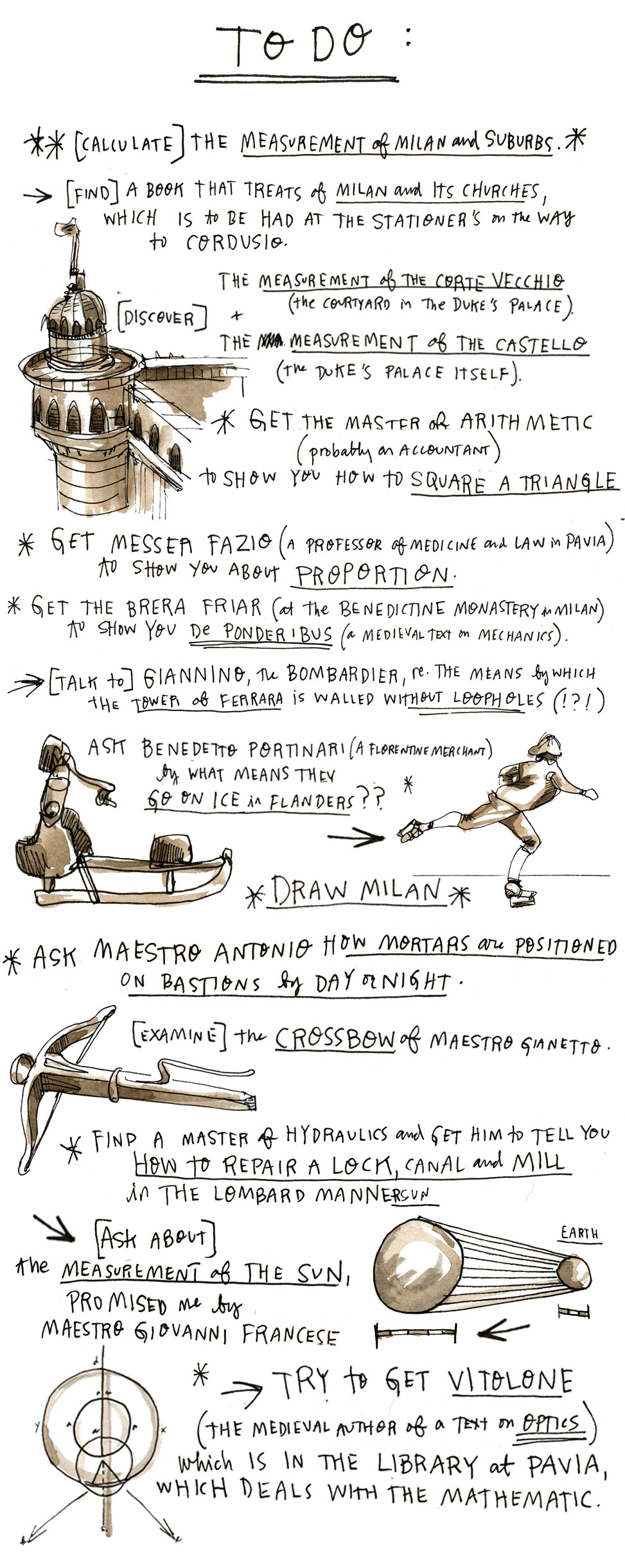
Real one via the Guardian, and the cartoon, by Wendy MacNaughton at NPR.
Brilliant, and also finally an excuse to include the tag “cephalopod” your “need an interesting slide” pleasure.



By Filthy Luker, via Colossal.

You can buy it at the Mental Floss store.

Not sure what the source for this is.
The correct answer is $5.
If you got this right then according to a study by Harvard neuroscientist and philosopher Joshua Greene, you are more likely to be skeptical of religion. If you had said $10, then you are more inclined to believe in religion.
Although $0.10 comes easily to mind (it’s the intuitive answer), it takes some analytical thought to come up with the correct answer of $0.05. People who chose more intuitive answers on these questions were more likely to report stronger religious beliefs, even when the researchers controlled for IQ, education, political leanings, and other factors.
What’s even more interesting is that a new study by UBC’s Will Gervais and Ara Norenzayan that would suggest that if you encourage analytical thinking, you can also encourage disbelief in religion.
To test this idea, the duo devised several ways to subconsciously put people in what they considered a more analytical mindset. In one experiment with 57 undergraduate students, some volunteers viewed artwork depicting a reflective thinking pose (such as Rodin’s The Thinker) while others viewed art depicting less intellectual pursuits (such as throwing a discus) before answering questionnaires about their faith. In another experiment with 93 undergraduates and a larger sample of 148 American adults recruited online, some subjects solved word puzzles that incorporated words such as “analyze,” “reason,” and “ponder,” while others completed similar puzzles with only words unrelated to thinking, such as “high” and “plane.” In all of these experiments, people who got the thinking-related cues reported weaker religious beliefs on the questionnaires taken afterward than did the control group.
For more on this, see this short Science piece. For the full paper (“Analytic Thinking Promotes Religious Disbelief”), go to this link (pdf of first page here Jpg below)

Definitely worth geeking out to for 7 minutes.
Via PhD Comics.
This photo from 1914 is gorgeous. I’m sure it could be used when discussing perspective, maybe with a geometry tie-in.
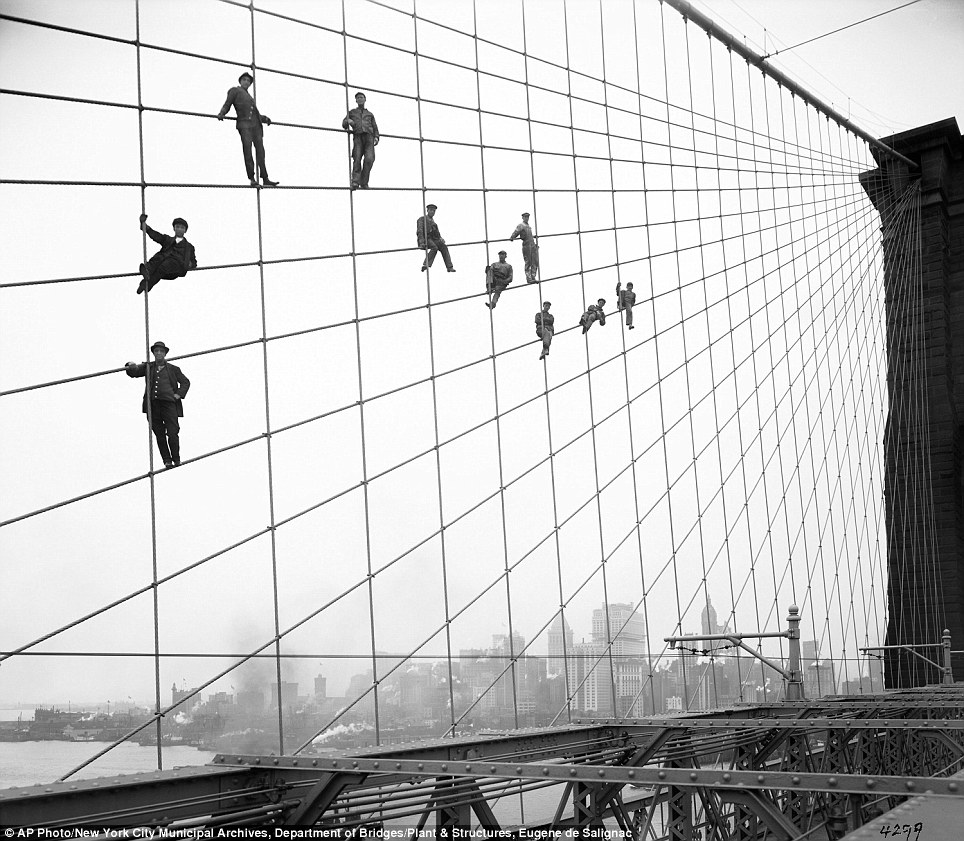
From NYC Department of Records, via the Daily Mail.
From Futility Closet.
Deluged with mail after his discovery of the double helix, Francis Crick began sending a printed card in response to invitations:

The “cure your disease” part is priceless.

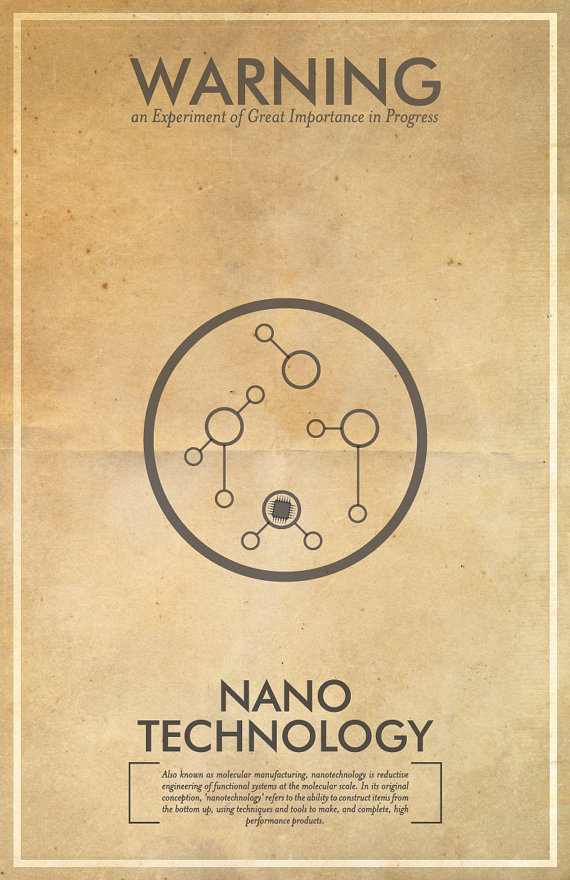


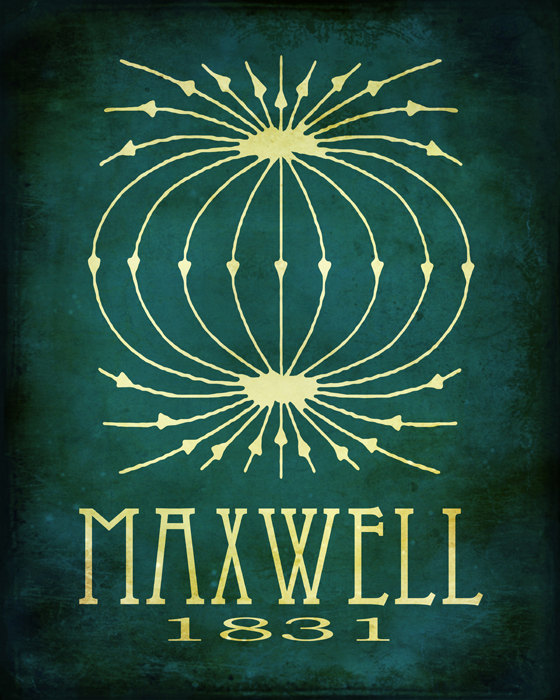
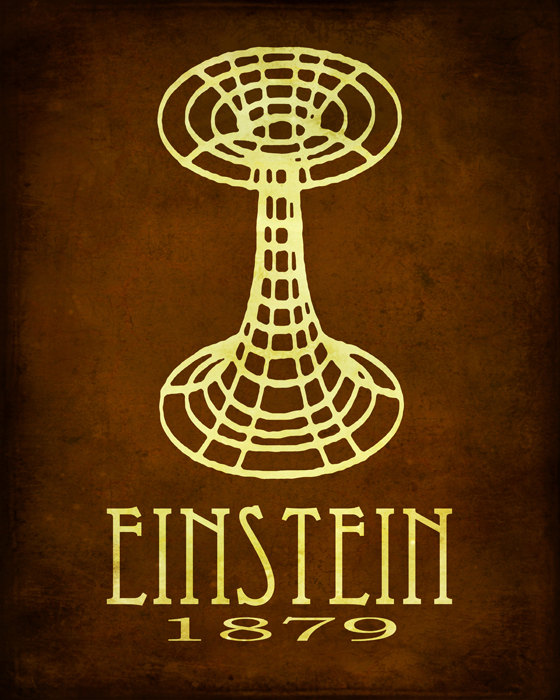
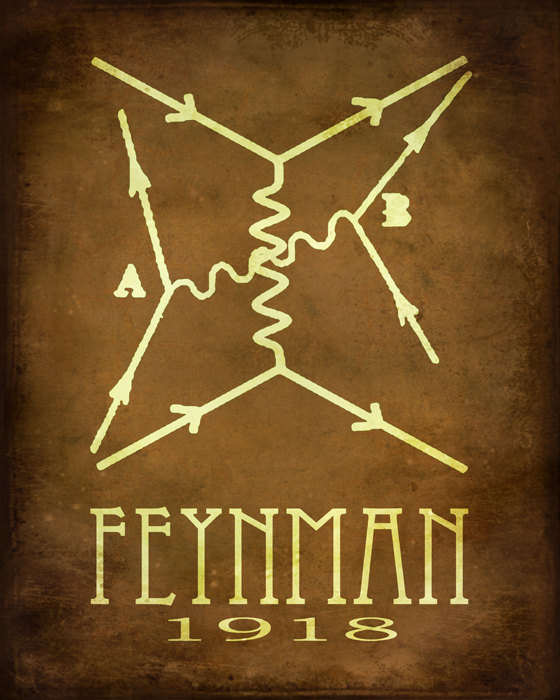





 popperfont.net