.

Category: *

Wonderful vintage evolution illustrations from the American Philosophical Society Flickr account

“This image from Ernst Haeckel’s 1874 The Evolution of Man shows comparisons between cross-sections of different animals and their embryos at different stages of development. For Haeckel the development of an embryo retraced the evolutionary history of the animal. The different colors represent the four types of tissues out of which all the organs formed. Ernst Haeckel. Anthropogenie, oder, Entwickelungsgeschichte des Menschen. Leipzig: W. Engelmann. 1874.”link

“Title: Outlines of Comparative Physiology
Maker: Louis Agassiz, 1851
Significance: In opposition to Darwin”
link

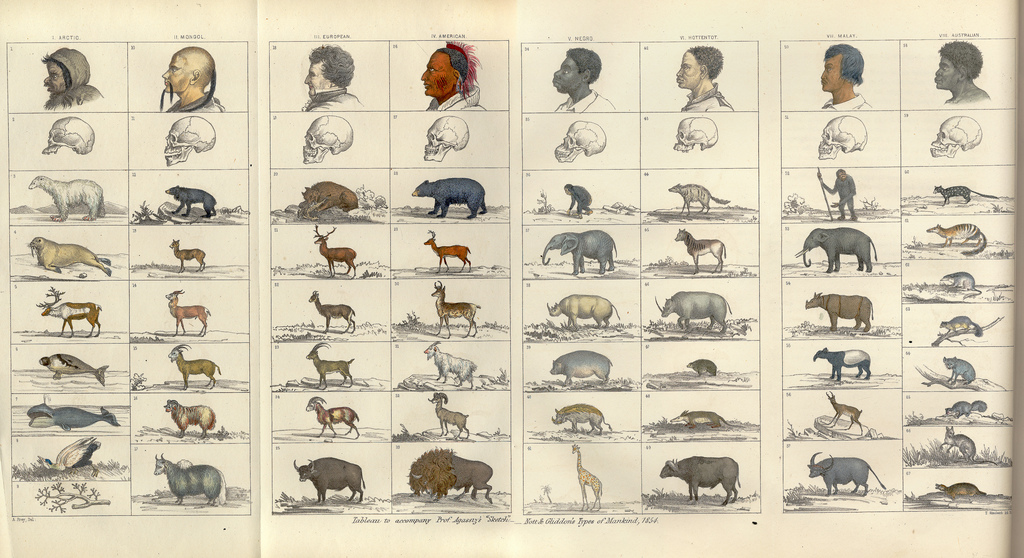
“Nott, Types of Mankind
Here American physician J. C. Nott attempted to illustrate geologist Louis Agassiz’s theory, which was that each region of the world was populated by separately created sets of species, both animal and human. Such ideas about human species at the time were often influenced by western racial prejudices, as the idea of multiple, separately created races could be used to justify slavery and other forms of subjugation. Darwin disagreed, firmly maintaining that all humans were descended from the same human ancestor. Josiah Clark Nott (1804–1873). Types of Mankind…. Philadelphia: Lippincott and Grambo, 1854.”
link

See and learn more from the APS Flickr account, via Fresh Photons.

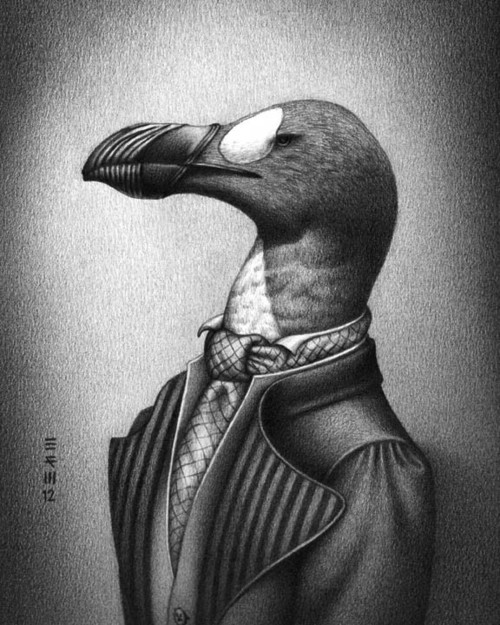
Lonesome George, never again. O.K. This made me tear up a little…

By 9gag.com, and in reference to Lonesome George’s recent passing.

When you use Pi to create art, these are the types of incredible images you might get.

First, this:

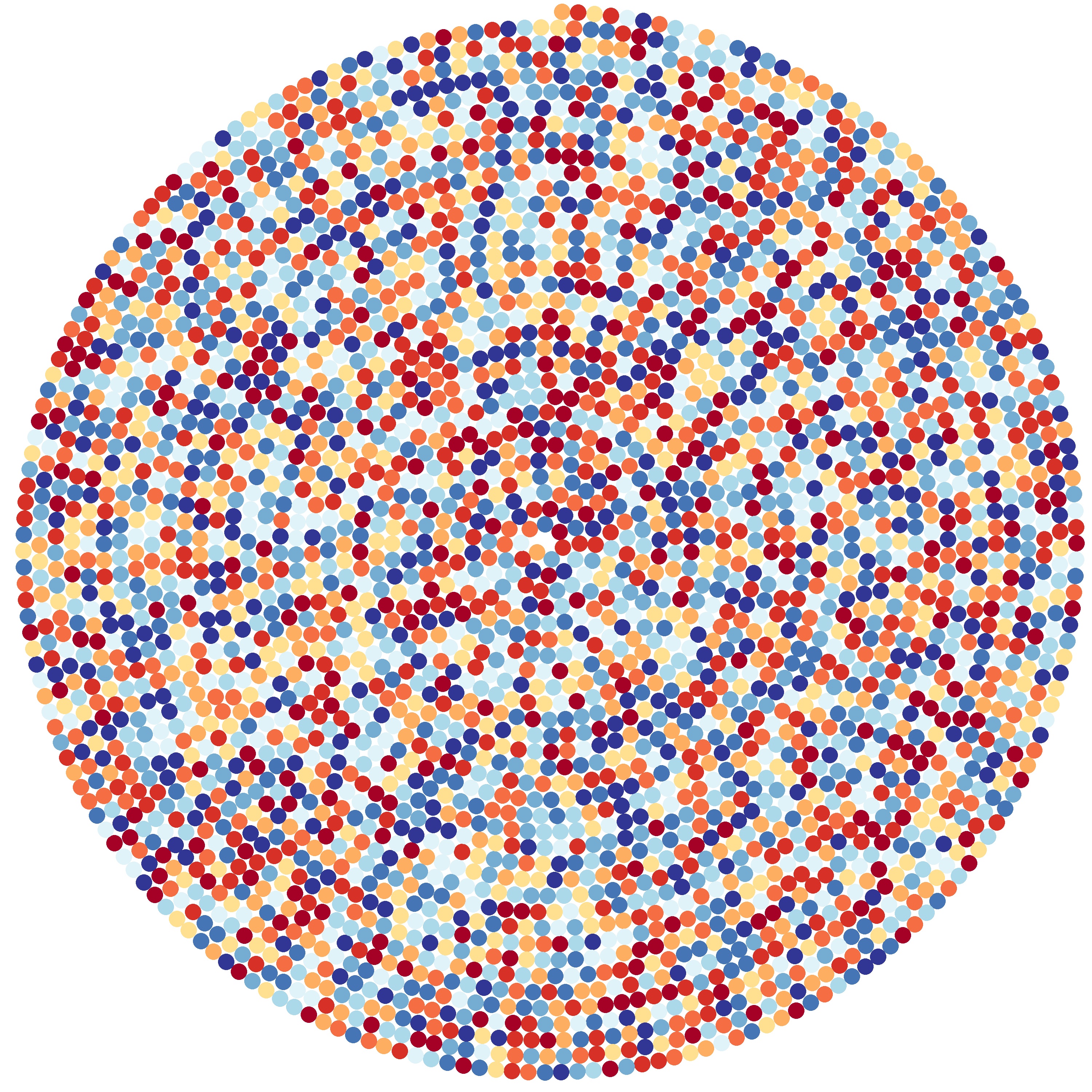
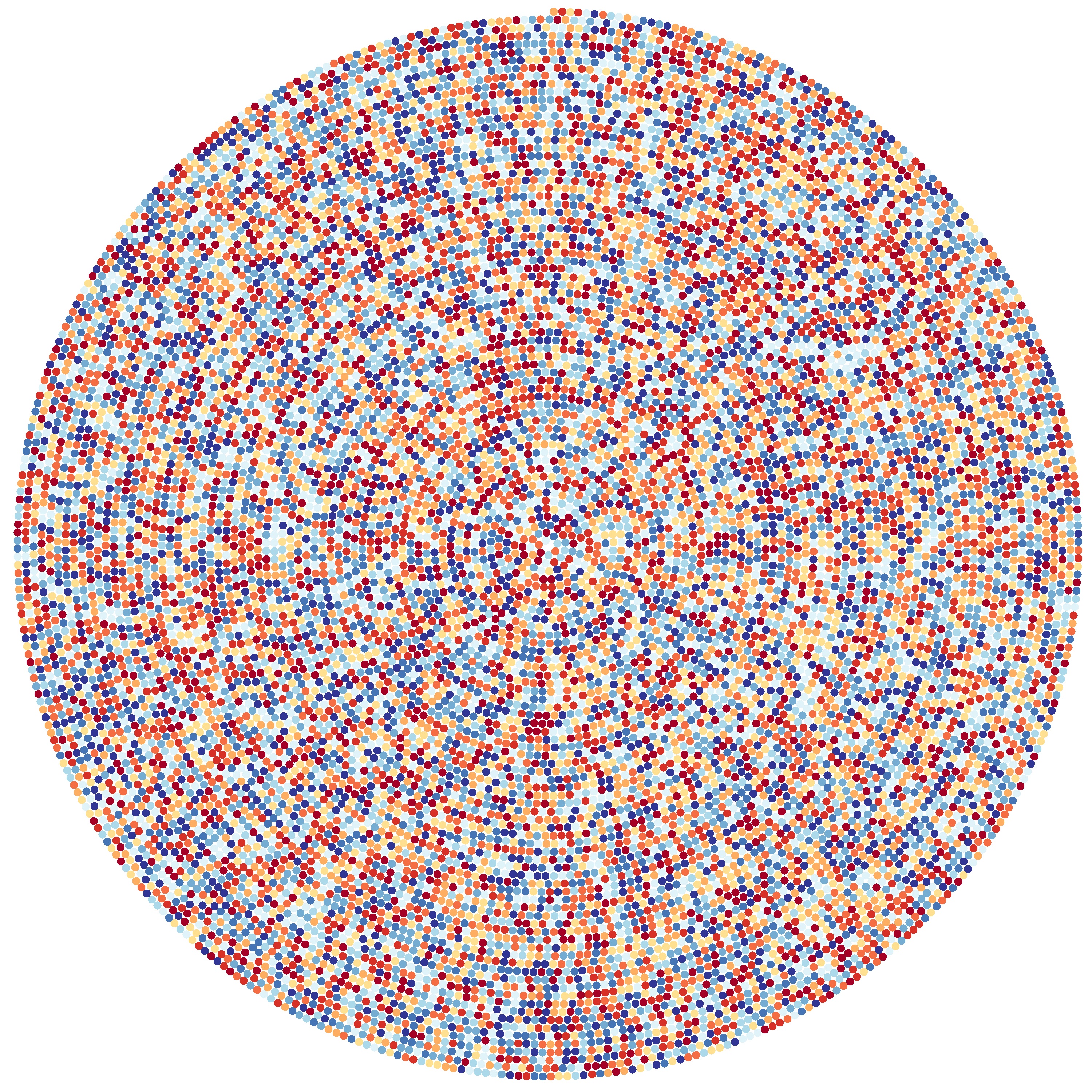
“It’s fitting to use Circos to visualize the digits of π. After all, what is more round than Circos? By mapping the digits onto a red-yellow-blue Brewer palette (0  9) and placing them as circles on an Archimedean spiral a dense and pleasant layout can be obtained.”
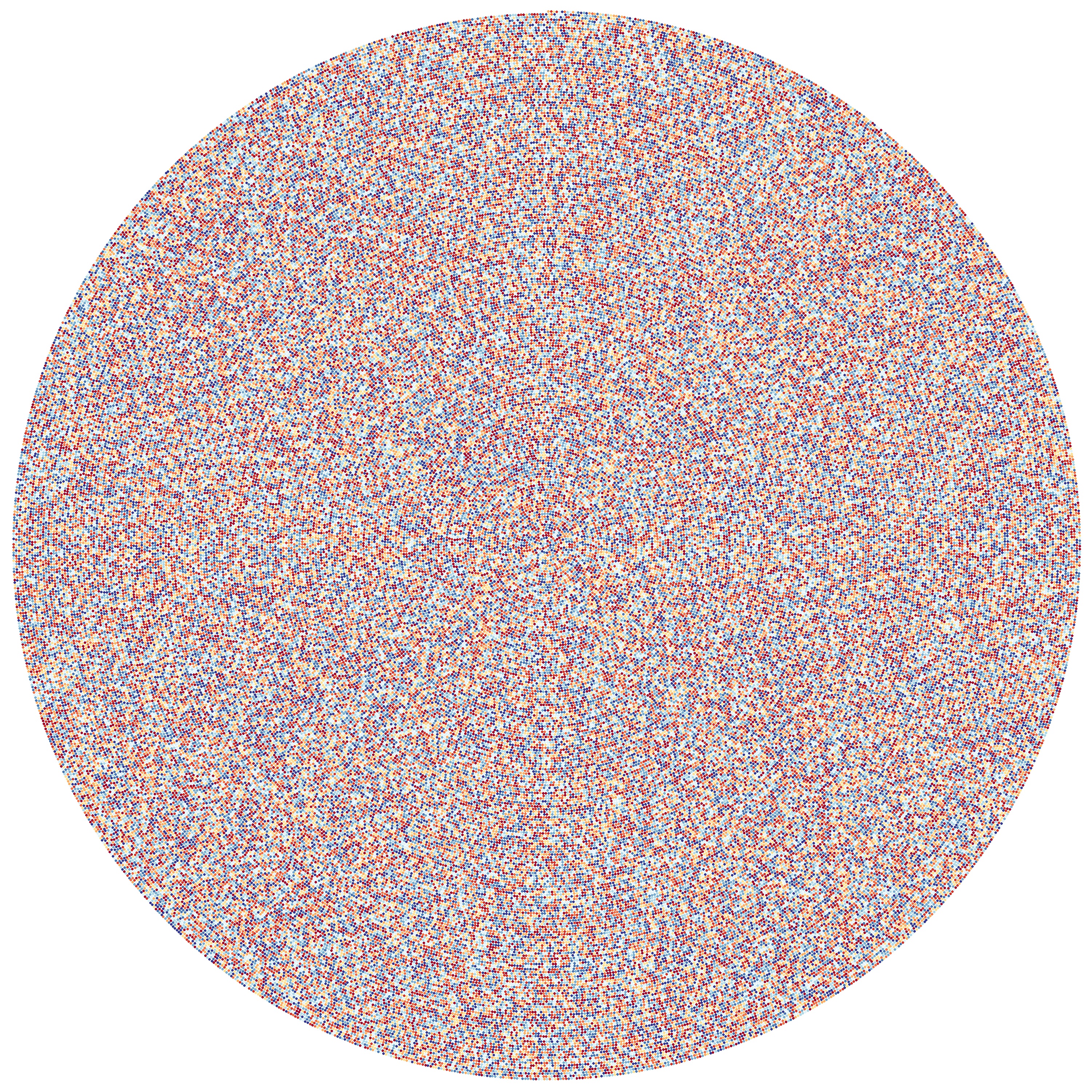
And this is what you get with 3422, 13,689, and 123,201 digits.

By Martin Krzywinski.More at his site.

If you love creative use of shapes, then you’ll love Geometry Daily

Seriously… Go visit Geometry Daily.

Cloning dinosaurs is bad for the kids.

Although it looks lovely as an illustration.

By Brandon James Scott.

I LOVE this. Attempted Murder (ornithology wordplay)

In case, you’re not sure what’s so funny about this. Read this (it’s called a murder of crows).

I miss being a tree

From failblog.com

Chewbacca hair wars.

By Alejandro Giraldo. Also available as a t-shirt.

Minimalist Solar System

Via Geometry Daily.

Our sliver of perception: a great image to segue on the importance of perspective in science issues.

As well as the fine art of observation in the scientific method.

By Abstruse Goose.

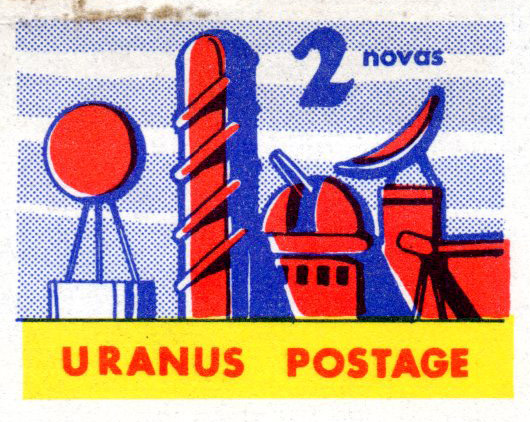
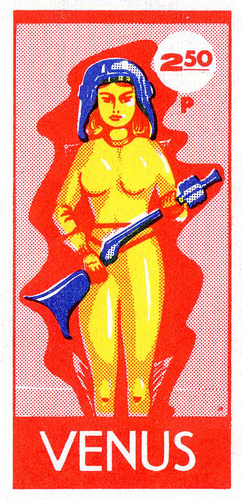
Postage stamps from Uranus, Venus, and Pluto

This are from a set of Canadian Cinderella Stamps.

From Wackystuff.

History of the bicycle in Chinese Matchbox labels.


(Click on image for higher resolution)

From Wackystuff

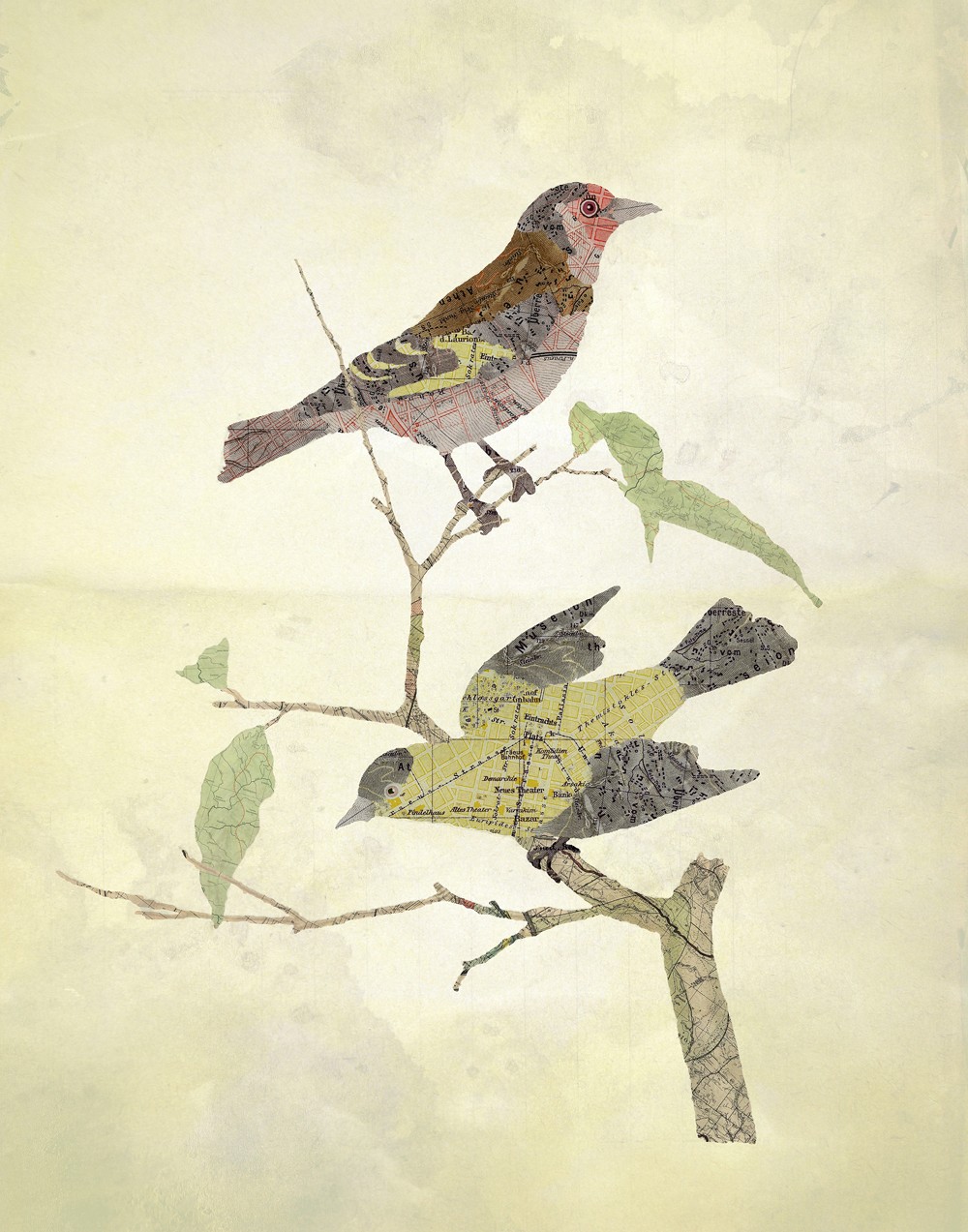
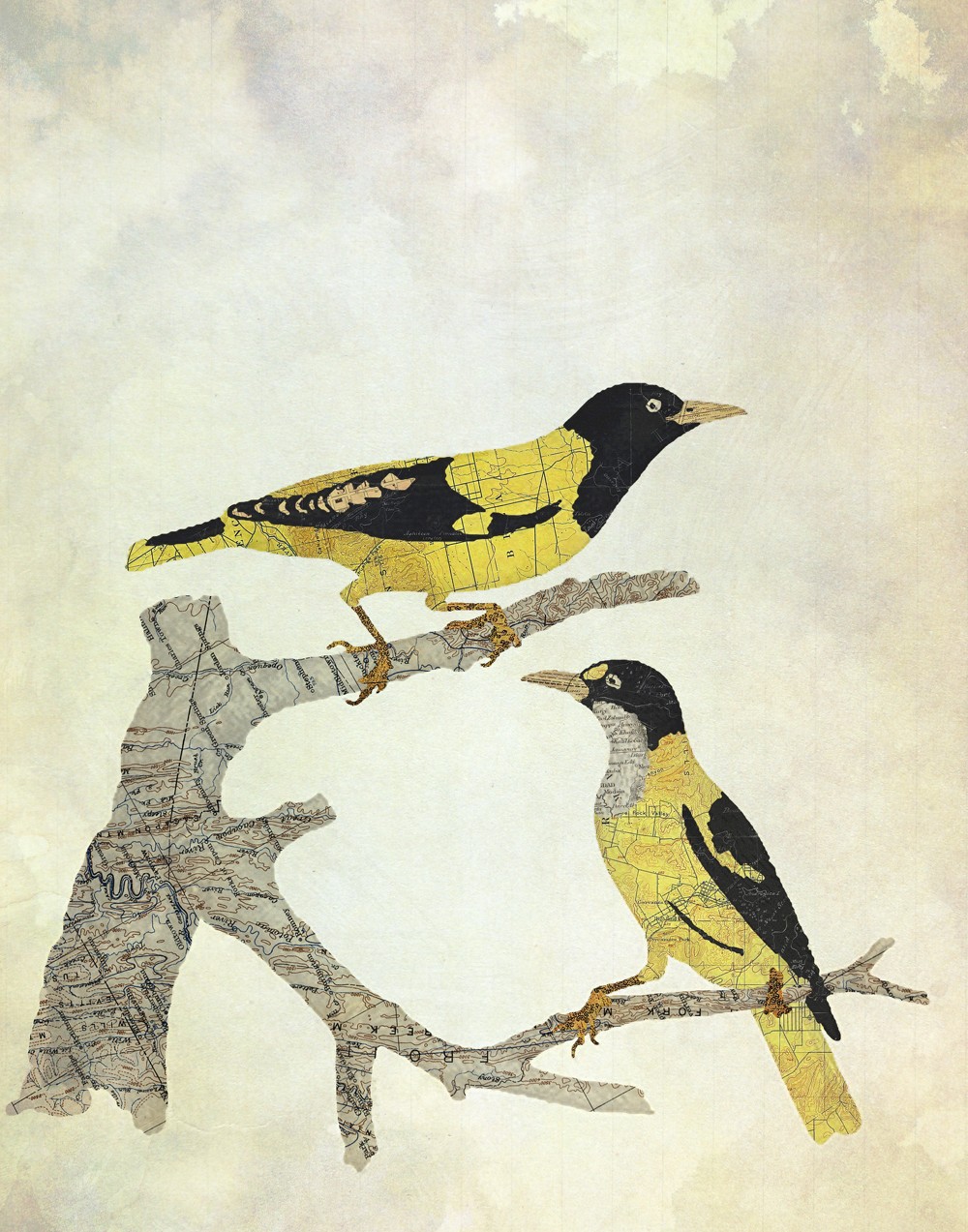
Bird art made from maps.


(Click on images for larger version – recommended for proper effect)

By Jason LaFerrera.

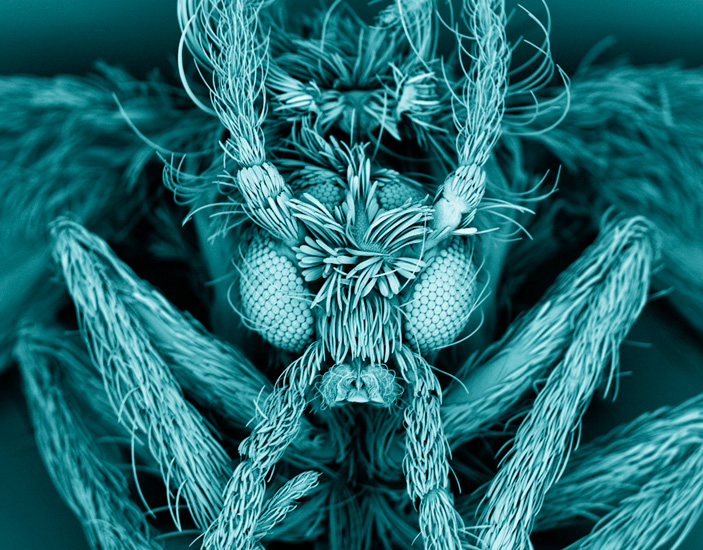
Welcome Image Awards 2012: Isn’t this moth beautiful?

Definitely worth taking a look. The one below is my favourite.

“This false-coloured scanning electron micrograph shows a moth fly (Psychodidae), also known as a drain fly. As its name suggests, the fly’s larvae commonly live and grow in domestic drains; the adult fly emerges near sinks, baths and lavatories. The moth flies’ bodies and wings are covered in hairs, which gives them a ‘fuzzy’, moth-like appearance. The fly is 4-5 mm long, and each eye is approximately 100 microns wide.”

By Kevin MacKenzie.

You know that’s not how genetics works, right?

I wish I had this comic for my genomics 101 workshop!

By Saturday Morning Breakfast Cereal.

Batman physics (although without friction coefficients).

By Shahed Syed.

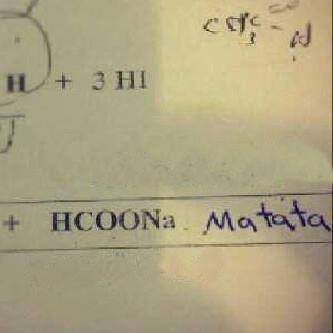
When Sodium Formate is mixed with the Lion King.

You get this:

I thought this was very very funny, which I think must say something about my personality.

From Huffington Post.

Stephen Merchant on Venn Diagrams. Very funny but also NSFW

Extinct birds by Brian R. Williams

The a=last three being the Great Auk, the Laughing Owl, and the Imperial Woodpecker.

By Brian R. Williams, via Drawn.

This is how chemists propose.

Source unknown (all over the internet). BTW, more on diamond structures here.