Mother Mother – “Let’s Fall in Love” #song4mixtape #3songmix
3 Song Mix:
1. It’s Only Life (The Shins)
2. Let’s Fall in Love (Mother Mother)
3. Man on Fire (Edward Sharpe & The Magnetic Zeros)

3 Song Mix:
1. It’s Only Life (The Shins)
2. Let’s Fall in Love (Mother Mother)
3. Man on Fire (Edward Sharpe & The Magnetic Zeros)
3 Song Mix:
1. It’s Only Life (The Shins)
2. Let’s Fall in Love (Mother Mother)
3. Man on Fire (Edward Sharpe & The Magnetic Zeros)
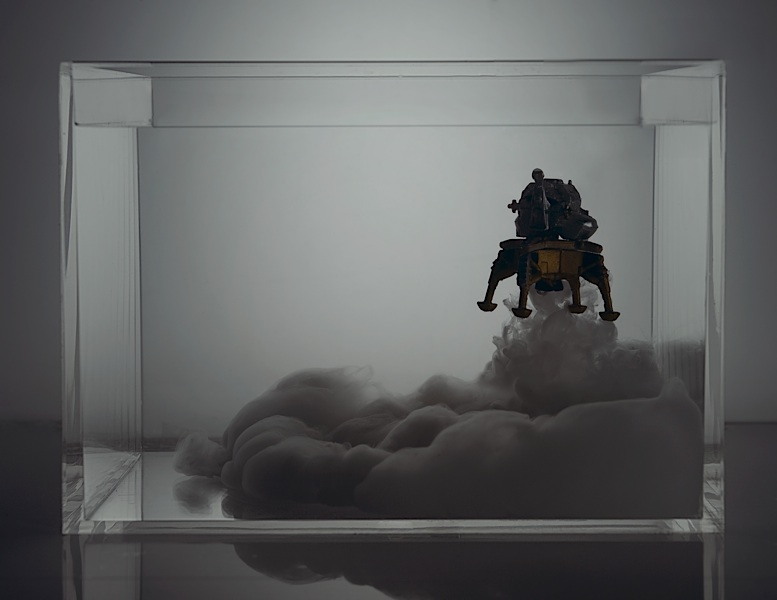
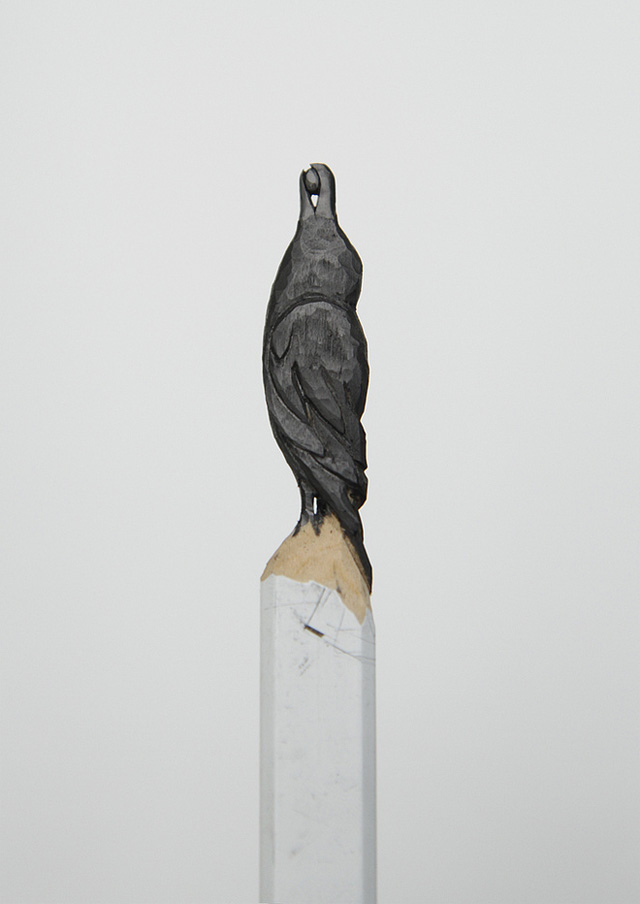
By Owen Silverwood. (More at the link).
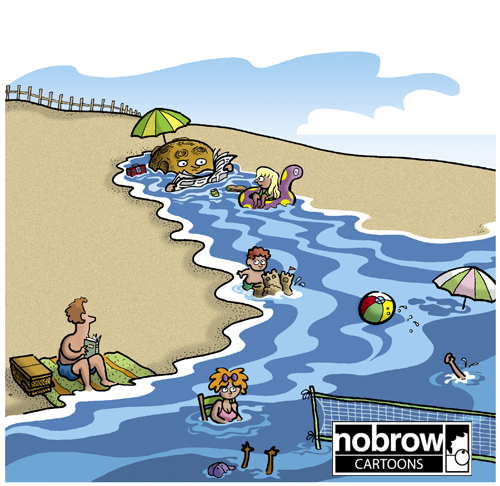
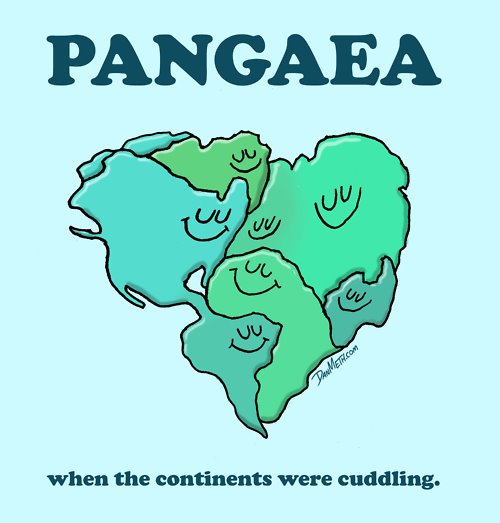
By Mark Heath at Nobrow Cartoons.
Not sure why, but I think this is really funny. Plus, I can use it when discussing things like rhetoric, arguments, and validity.
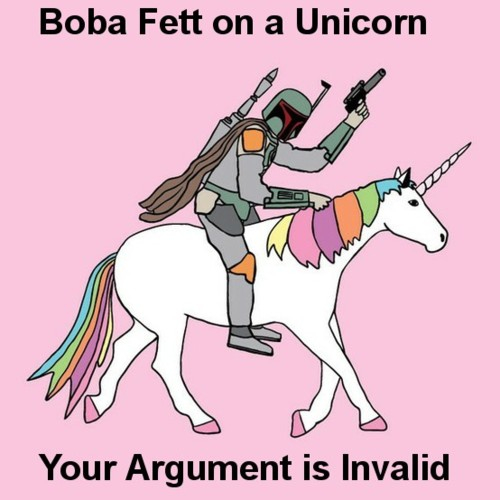
Not sure of the source. Do let pass along if you happen to know.
Nevermind the fact that I find these images strangely compelling anyways…
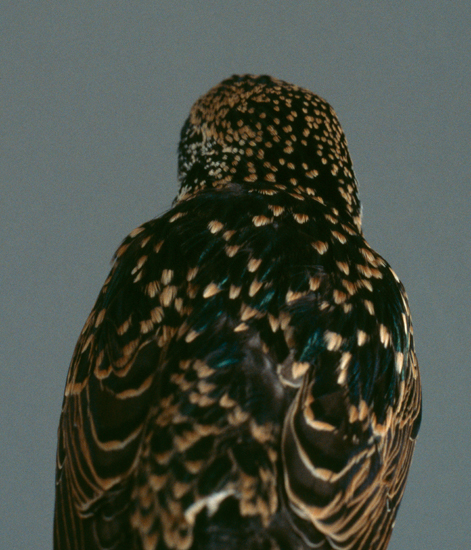
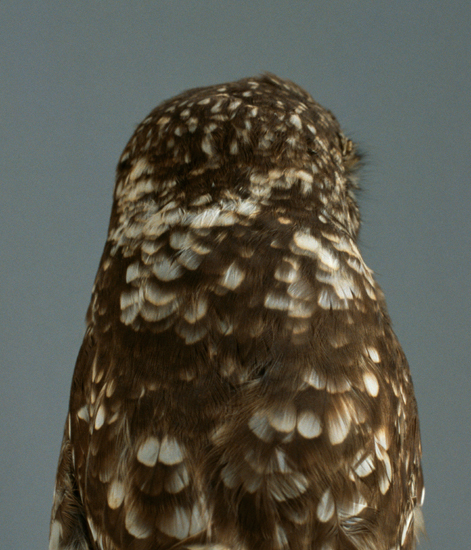


Entitled “Obviously,” by Audrey Corregan.
By DAVID NG
Jack and Jill went up the hill.
To fetch a pail of water.
Jack fell down and broke his crown.
And Jill came tumbling after.
First of all, we are not sure there’s enough clarity in this text. Scientific literature, in particular, should leave little room for confusion. Where exactly did Jack fall down? Into the well? A little ways down the hill? All the way down the hill? It’s just too vague. Worst still, we’re not convinced that the science conducted is of high enough caliber. I mean really, who would be stupid enough to put a well on the top of a hill? In conclusion, we feel that this manuscript should be rejected in its current state, but are not opposed to viewing a revised version in the near future.
—
Twinkle twinkle little star.
How I wonder what you are.
Up above the sky so high.
Like a diamond in the sky.
Twinkle twinkle little star.
How I wonder what you are.
Initially, we were quite intrigued by your work, especially since it appeared to contain several elements that merit genuine excitement. However, it was then brought to our attention that this body of work had remarkable similarities to a previously published report (The Alphabet Song). It was upon further investigation, that our worst fear was confirmed to be true – that this manuscript constitutes an act of plagiarism. We must state that we feel this to be a serious breach of scientific ethics, and must therefore strongly decline your manuscript.
—
Humpty Dumpty sat on a wall.
Humpty Dumpty had a great fall.
All the King’s horses and all the King’s men.
Couldn’t put Humpty together again.
Although otherwise promising, the reviewers felt that the research in its current state is incomplete. Quite frankly, it was agreed that your principle subject needed to be put back together again. Several of the reviewers suggested courting the expertise of a mathematician who could perhaps create an appropriate algorithm to solve this problem. Alternatively, one reviewer suggested glue. As a final note, questions were also raised regarding the treatment and well being of Mr. Dumpty. Why exactly was he made to sit on the wall? And why exactly would you allow horses (of all things) to put him together again. No matter, the reviewers overall impression was that if you were able to address each and every one of these issues, they would see no problem entertaining a revised version.
—
Hey diddle diddle, the cat and the fiddle.
The cow jumped over the moon.
The little dog laughed, to see such a sight.
And the dish ran away with the spoon.
The reviewers felt that not enough data was presented to support your claims. For example – how many times did your group observe the cow jumping over the moon? From the text and supporting figures, it would appear that you base this conclusion on one data point as no calculations regarding standard deviations were presented. As an analytical journal of high repute, the reviewers felt that this is simply not acceptable. In addition, several of the reviewers felt that the word ‘diddle’ was inappropriate, and should have been replaced by the more scientifically correct, ‘Hey fornicate fornicate.” Because of these, and other problems, we are sorry to inform you that your manuscript has not been accepted for publication.
—
Rub a dub dub, three men in a tub.
And who do you think they’d be?
The butcher, the baker, the candlestick maker.
Turn’em out, knaves all three.
Thank you most kindly for allowing us to see this marvelous manuscript. We feel that it is a great privilege that you and your colleagues decided to submit it to our journal. We truly feel that it represents seminal work that could even one day lead to a Nobel prize. To be frank, we were quite surprised to receive your submission, in that we all felt it could have easily been accepted by the more high profile publications (The Nature and Science journals for instance). In any event, we are very pleased to inform you that, we, the reviewers are unanimous in our decision to accept your manuscript.
(Originally published at the Science Creative Quarterly)
A solution of glucose, sodium hydroxide, and indigo carmine, when shaken, will change from yellow to red to green. Left to sit, it will revert to red again, then yellow, and the process can be repeated. The indigo carmine is green when oxidized, yellow when reduced, and red in the intermediate semiquinone state
From Futility Closet, and available for purchase at Ward’s Natural Science.
These are breathtaking… And only a small sample of his amazing work.
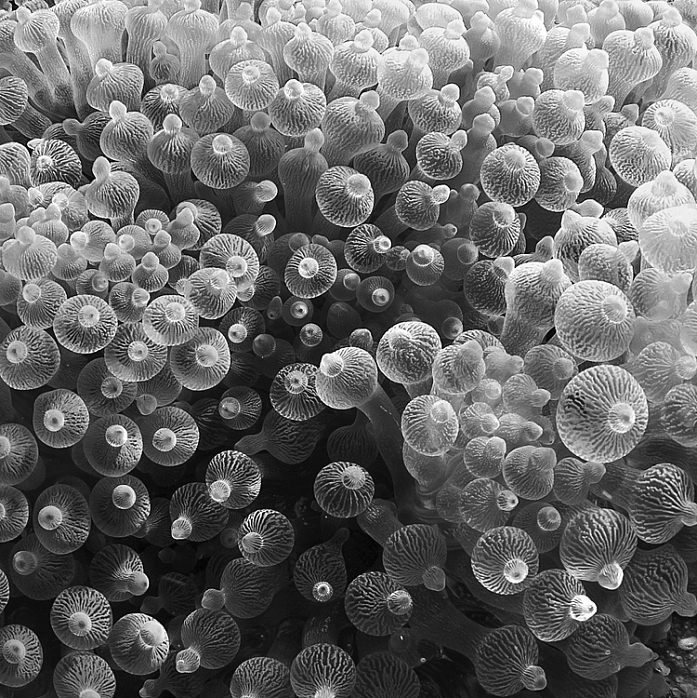
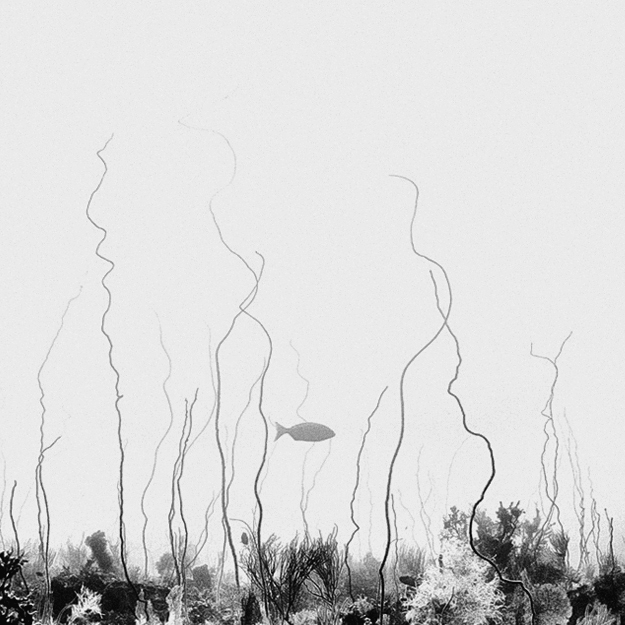

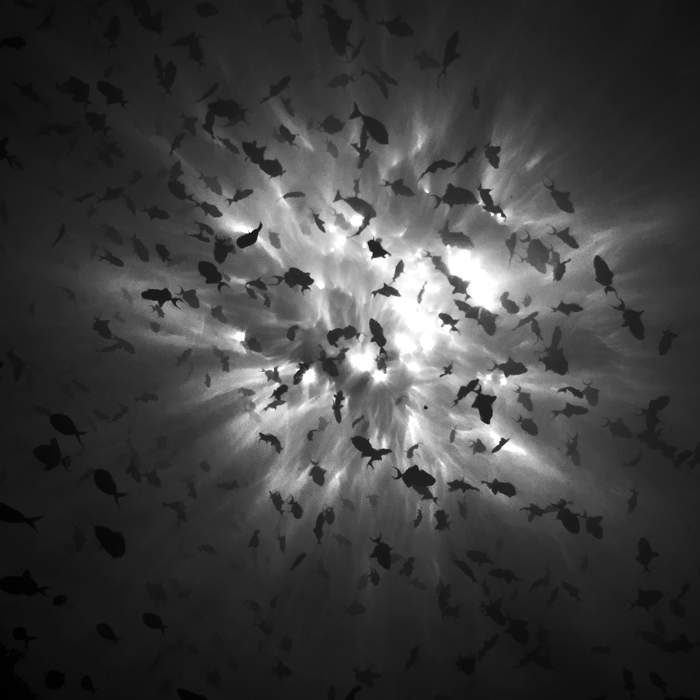
“Photography is not just a way of expressing his most inner soul but also creating a window to the world where through his pictures the unseen and the unspoken can be grasped. Driven by the desire to explore the mystical beauty of nature, he develops his sense and sensibility through the elements of fine art photography. His freedom of expression is more reflected in the elaboration and exploration of black and white.”
By Hengki Koentjoro.

Not sure of the source. Do leave a comment, if you know.


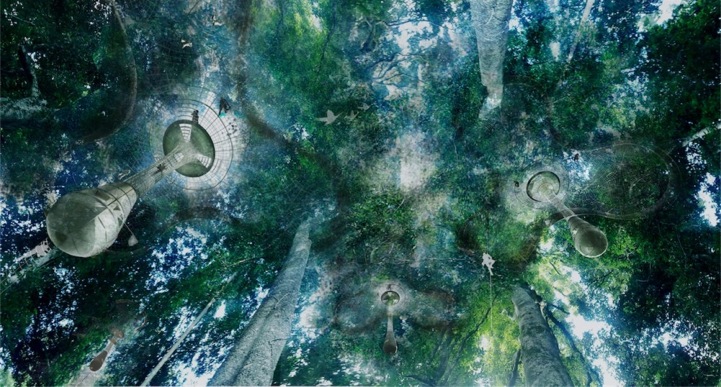
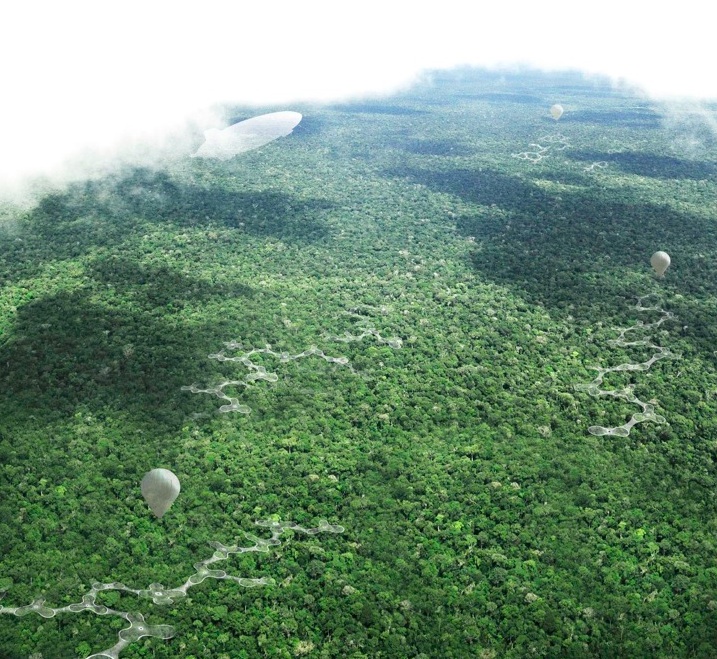
“Programmatically, the project is centred on scientific exploration and harvesting medicinal plants, which provides an alternative use of the forest without destroying it. At the same time, the positive occupation of the territory it enables could provide a level of surveillance that helps to protect both the endangered environment and the indigenous population.”
Concept by Yi Yvonne Weng.
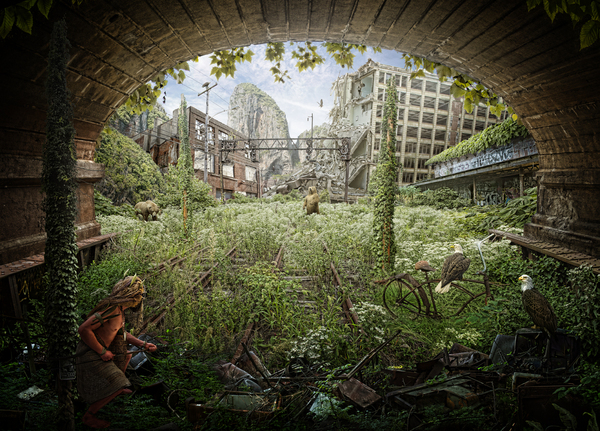
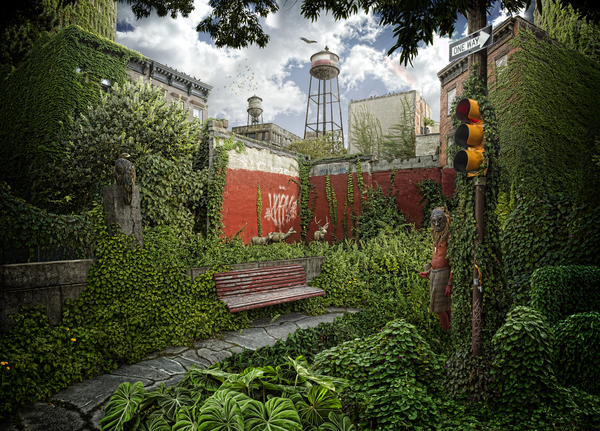
O.K. Not technically an accurate turn of phrase, but maybe a good visual segue into such matters.

By Frogsicle.






 popperfont.net