
.
Category: *


September 25, 2012
In case you’re wondering: Lemmings are not made of cloud. (via @mwand)
Good Ole Worm (a.k.a. Olaus Wormius)
From Rocketboom, via @mwand
September 24, 2012
Wound Man: An illustration which first appeared in European surgical texts in the Middle Ages.
It laid out schematically the various wounds a person might suffer in battle or in accidents, often with surrounding or accompanying text stating treatments for the various injuries. It first appeared in print in Johannes de Ketham’s Fasciculus Medicinae (Venice, 1492) and was used often in surgical texts throughout the sixteenth century and even into the seventeenth century. (Wikipedia)

Via Stacey Thinx



September 19, 2012
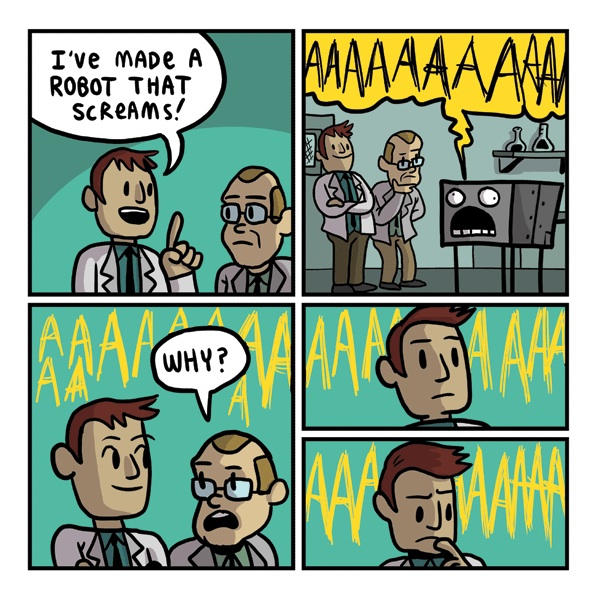
On consumerism and our need for stuff. Yes, it could lead to Panda Dip.
Reminds me a little of the Jimmy Kimmel iPhone 5 ruse. Man, are we a “just gotta have it, just gotta get it” society…

By Jonathan Rosenberg at Scenes From a Multiverse.
September 19, 2012
This cloud is pretty, interactive and made from 6000 light bulbs #whoa


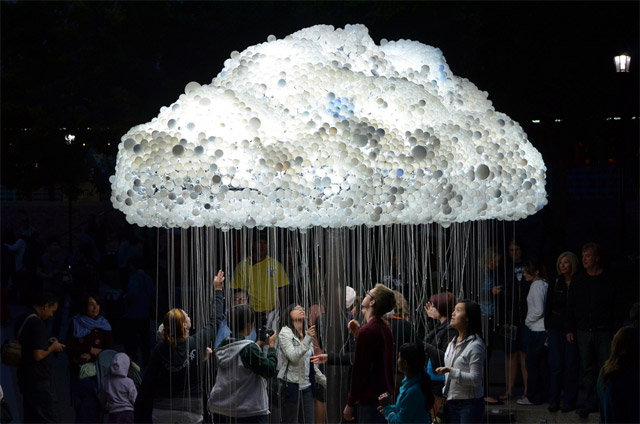
“The piece is made from 1,000 working lightbulbs on pullchains and an additional 5,000 made from donated burnt out lights donated by the public.”
Called CLOUD, and created by Caitlind r.c. Brown.
September 19, 2012
On the importance of meta-analysis and why bacon might make you live longer.
Love this, and sooo gonna use it in class to discuss the importance of meta-analysis (i.e. the reasons for a correlation aren’t always obvious, so you need to compare multiple studies which happen to provide insight into multiple variables).
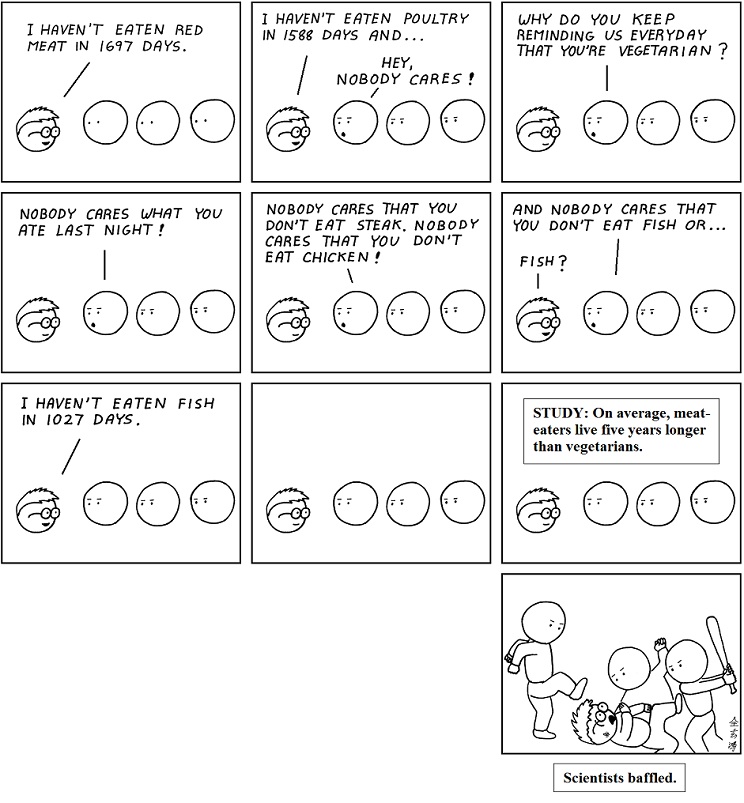
From Abstruce Goose.
September 18, 2012
Biodiversity caught on Google’s Street View #mesmerizing
There might not be a truer visual representation of our contemporary wired world than Jon Rafman’s web-based “9 Eyes” project, for which he culled the most bizarre, haunting, and stunning images frozen in Google’s “Street View” mapping project to create a truly amazing work of digital art that is both innately appealing and strangely, darkly poetic. (From Blouin Art Info)

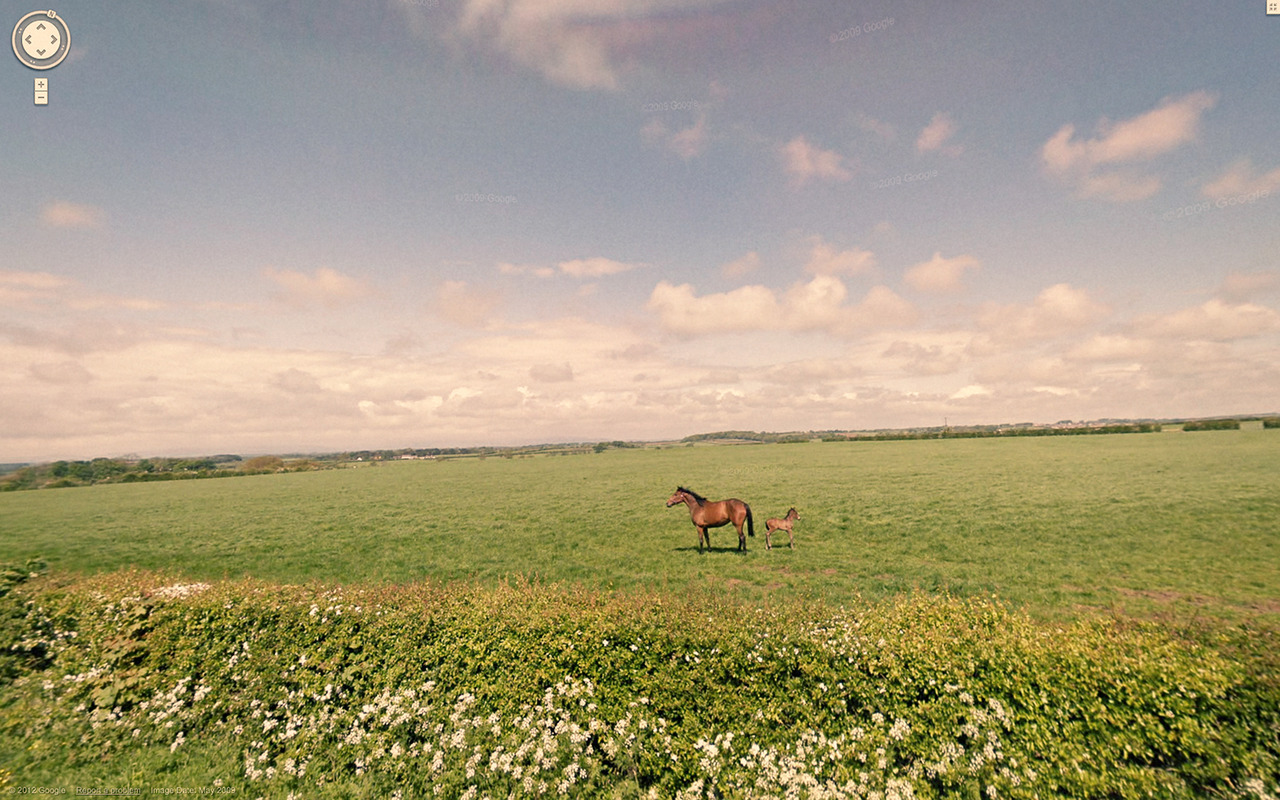


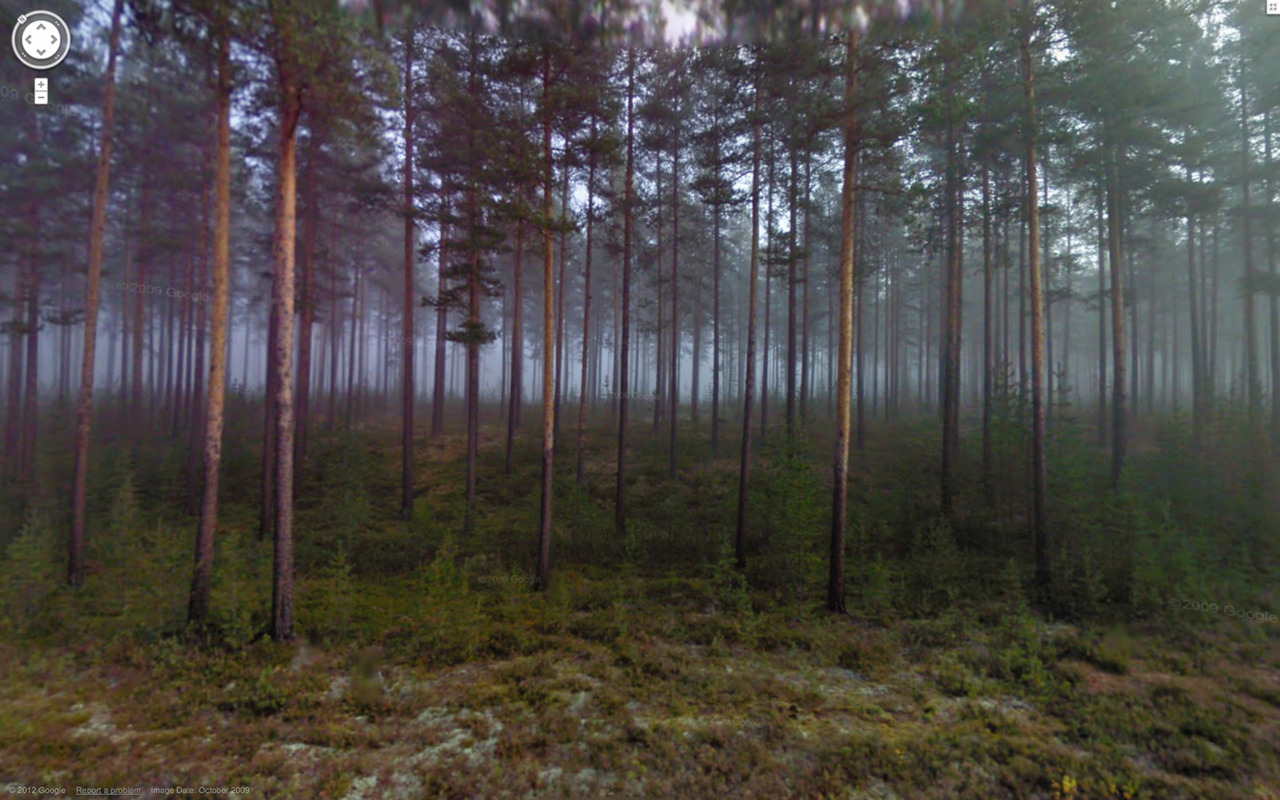

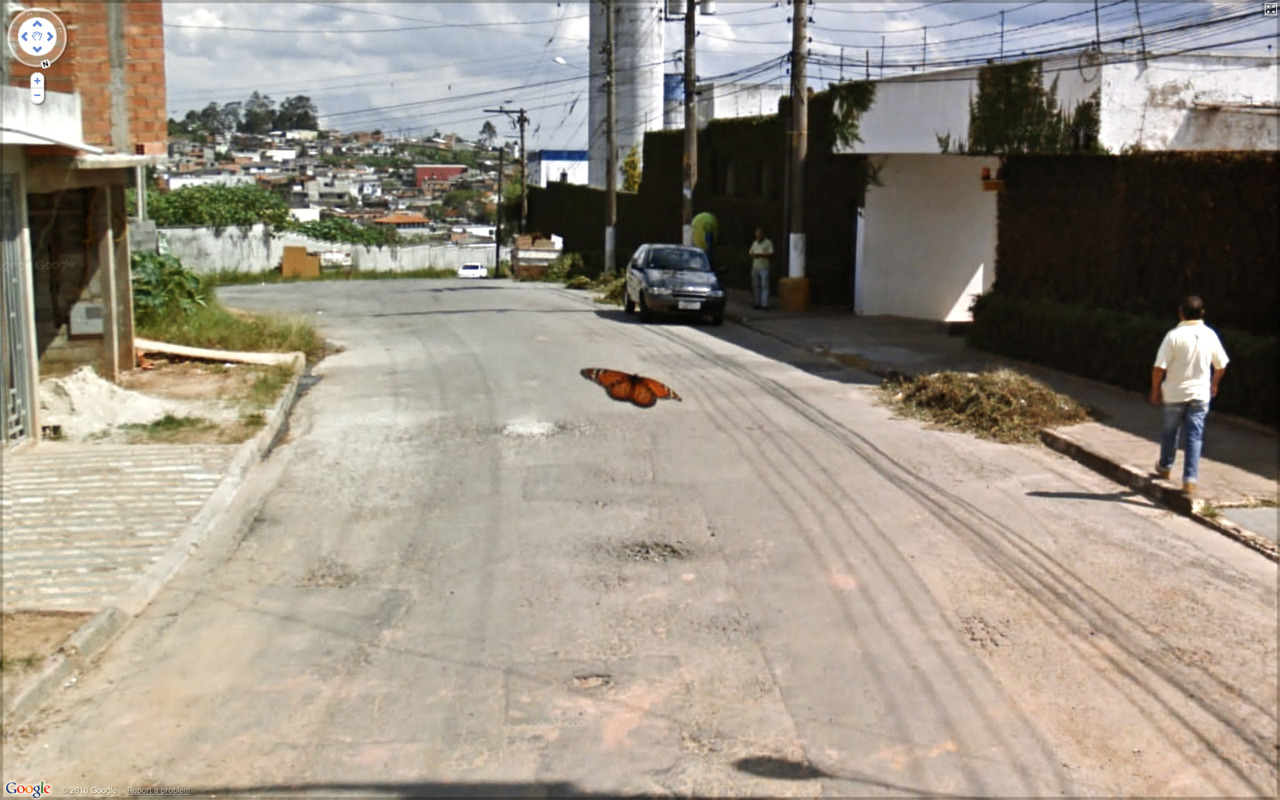
From the 9 Eyes of Google Street View by Jon Rafman. Definitely click on the 9 Eyes links – some of the screen captures are quite haunting.
September 17, 2012
Time to geek out a little – new “galaxy” font: as in typography created from images of real galaxies. #scie113
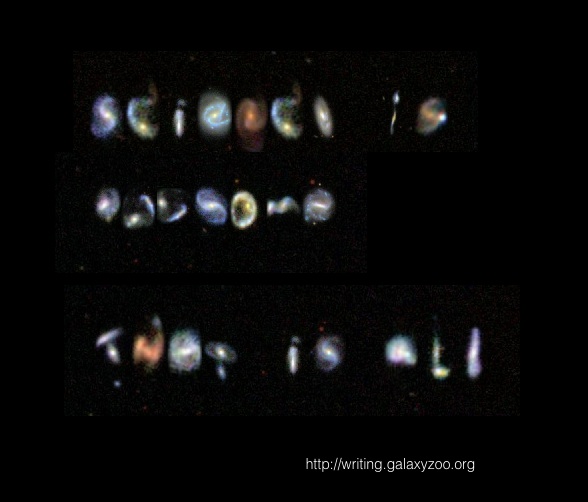
Go to the site, and input your own phrase (and don’t forget to click on the image produced so you can see things in greater detail). From the wonderful folks at Galaxy Zoo. Via Visual News.
September 17, 2012
Project Mercury in 8-bit
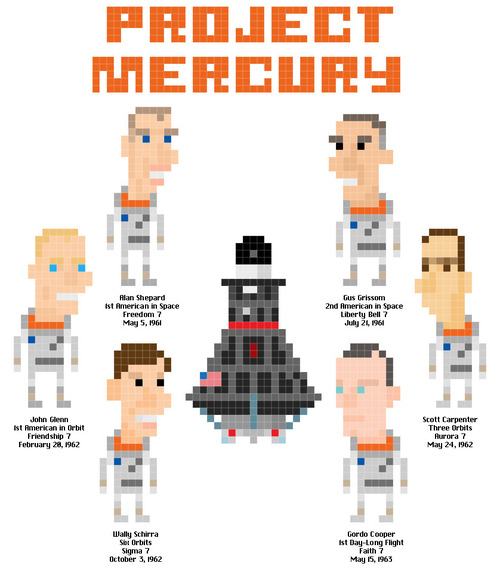
“Project Mercury was the first human spaceflight program of the United States. It ran from 1959 through 1963 with two goals: putting a human in orbit around the Earth, and doing it before the Soviet Union, as part of the early space race. It succeeded in the first but not the second: in the first Mercury mission on 5 May 1961, Alan Shepard became the first American in space; however the Soviet Union had put Yuri Gagarin into space one month earlier. John Glenn became the first American (third overall, following Gagarin and Titov) to reach orbit on February 20, 1962, during the third manned Mercury flight.” (Wikipedia)
By Andy Rash, More about Project Mercury here. (via Hey Oscar Wilde!)

September 13, 2012
Who knew Zinc Oxide could be so pretty?


“ZnO nanoparticles obtained by hydrothermal synthesis using microwave heating.” ~FR
“This [Zinc Oxide] semiconductor has several favorable properties, including good transparency, high electron mobility, wide bandgap, and strong room-temperature luminescence. Those properties are used in emerging applications for transparent electrodes in liquid crystal displays, in energy-saving or heat-protecting windows, and in electronics as thin-film transistors and light-emitting diodes.” (Wikipedia)
By Francisco Rangel, via Stacey Thinx.
 popperfont.net