
.
Category: *


November 15, 2012
Calendar that keeps track of the date by capillary action of the ink on the paper #whoa #amazing
Wow. This is pretty amazing…


“Ink Calendar” make use the timed pace of the ink spreading on the paper to indicate time. The ink is absorbed slowly, and the numbers in the calendar are “printed” daily. One a day, they are filled with ink until the end of the month. A calendar self-updated, which enhances the perception of time passing and not only signaling it.
By Oscar Diaz
November 14, 2012
An ingenious and very cool “hurricane house” from 1939
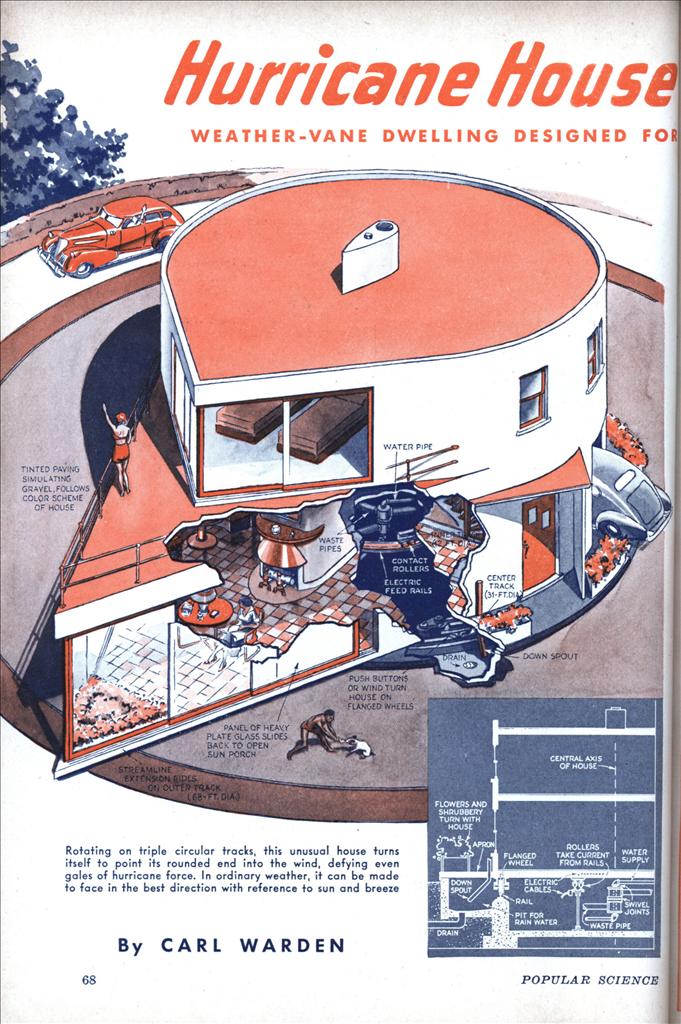
“New York architect Edwin Koch had a brainstorm in 1939 — he proposed a teardrop-shaped “hurricane house” that could rotate like a weather vane. “This amazing dwelling would revolve automatically to face into the oncoming storm, meeting it like the wing of an airplane and passing it smoothly around its curving sides toward its pointed tip,” explained Popular Science.”
Idea from Edwin Koch, text from Futility Closet.

November 14, 2012
Your very own “hole to another universe!”

Source unknown. Via Fresh Photons.


November 13, 2012
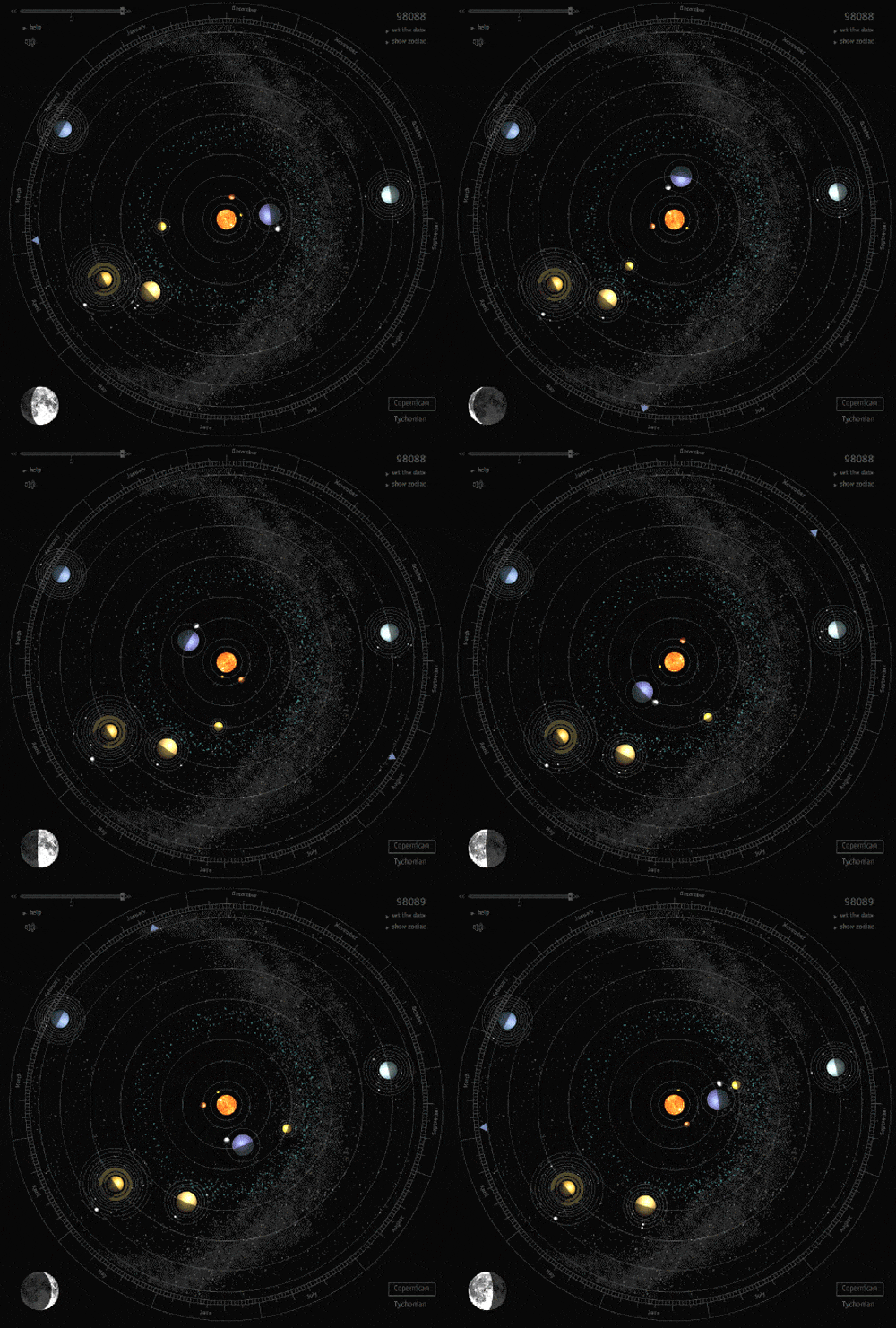
Pluto is a planet: Uranus is next!

I do find this funny. Via Dropping the Science
November 11, 2012
Star Wars Origami #whoa
When this:
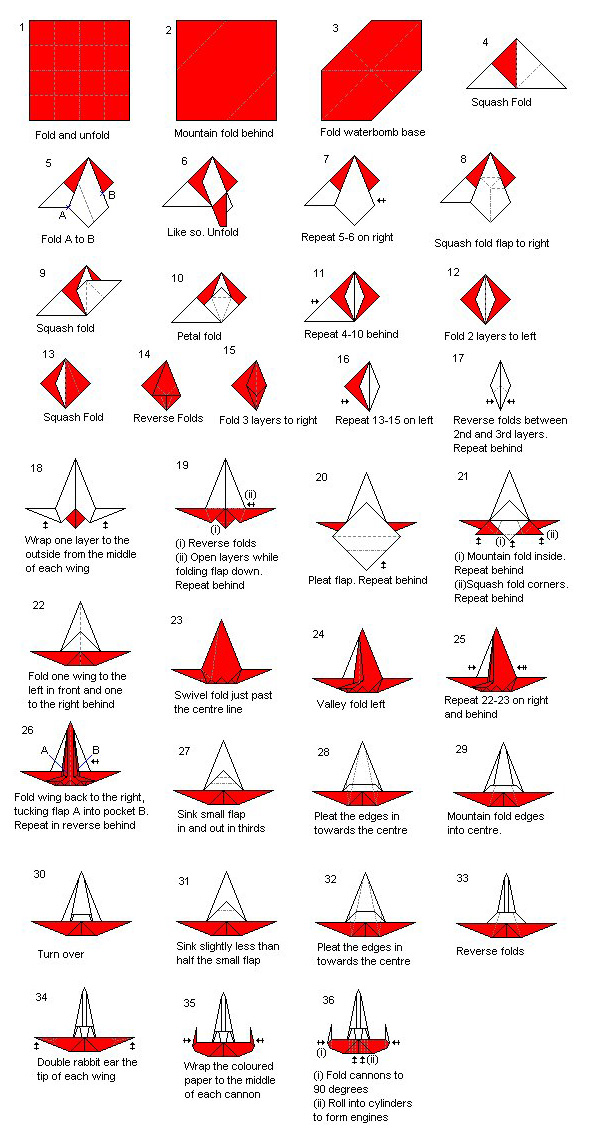
Can make this:

You go “whoa.” Plus look at these others…


By Martin Hunt. There many more at the link, but I’m a traditionalist, so I’ve only chosen a few of the classics. Via Wired
November 1, 2012
Trees ARE freaking awesome!
Really nicely done.
Via @veritasium.
October 30, 2012
How to eat a Triceratops: A visual guide
As Fowler and his colleagues examined the various types of bite mark on the skulls, they were intrigued by the extensive puncture and pull marks on the neck frills on some of the specimens. At first, this seemed to make no sense. “The frill would have been mostly bone and keratin,” says Fowler. “Not much to eat there.” The pulling action and the presence of deep parallel grooves led the team to realise that these marks were probably not indicative of actual eating, but repositioning of the prey. The scientists suggest that the frills were in the way of Tyrannosaurus as it was trying to get at the nutrient-rich neck muscles.

STEP 1: HOLD!
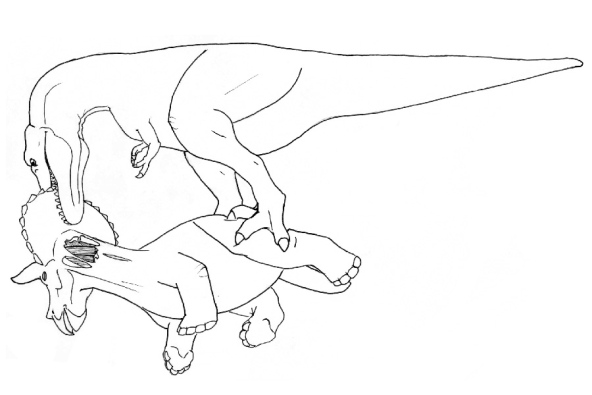
STEP 2: YANK!

STEP 3: PULL VIA NOSE!

STEP 4: ENJOY!
Article by Matt Kaplan in Nature. Research via Denver Fowler (and colleagues) at the Museum of the Rockies in Bozeman, Montana.

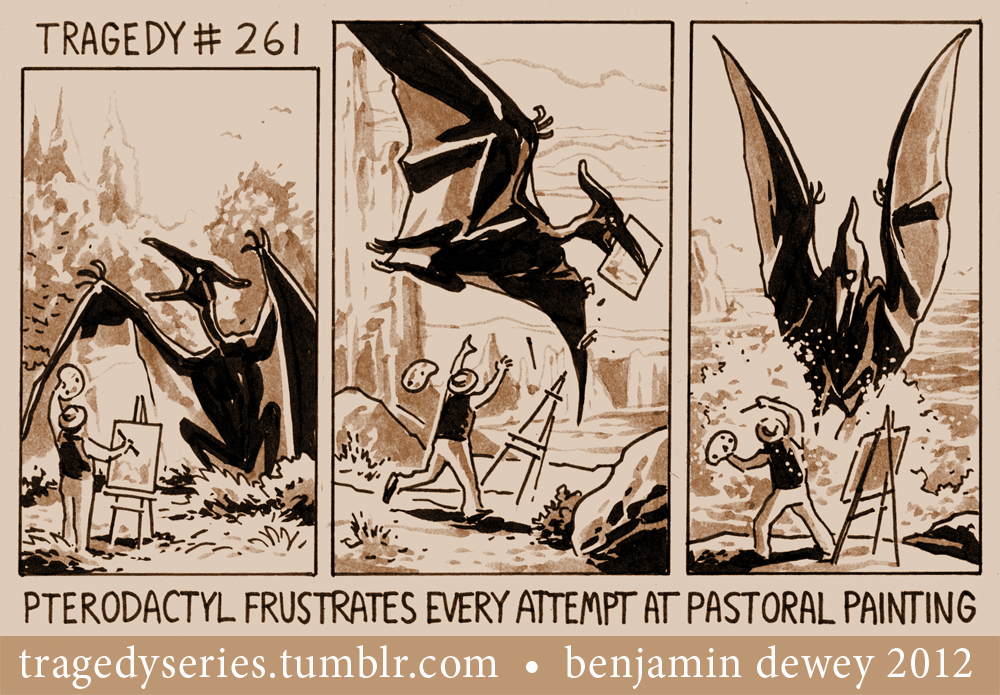

October 26, 2012
Favourite candy for Halloween. Here is some kid derived raw data.
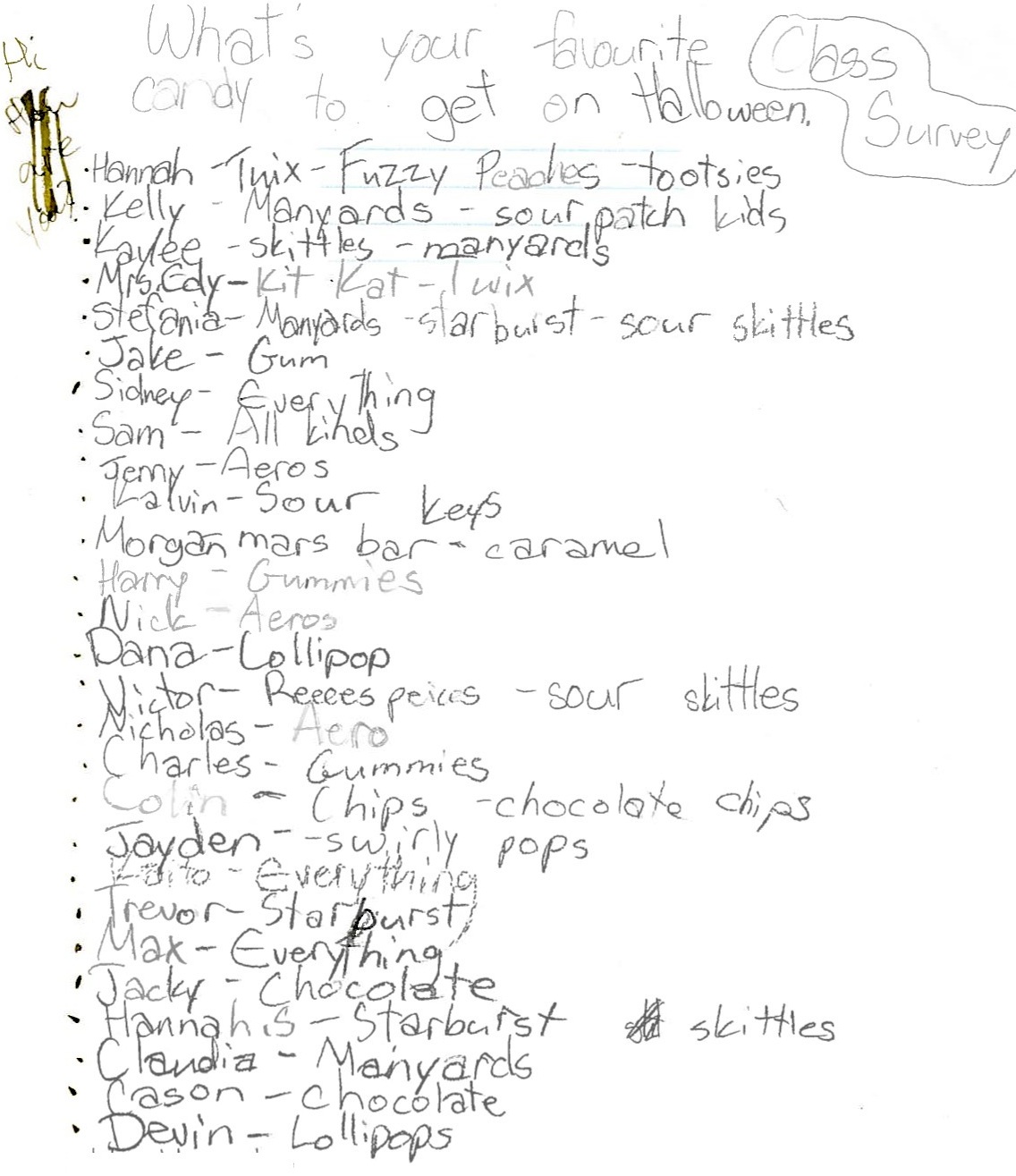
Hmmm… interesting…
October 24, 2012
Welcome to Heisenberg’s! (a.k.a. fast food conundrum)

By Mark Stivers. More about Heisenberg’s Uncertainty Principle here.

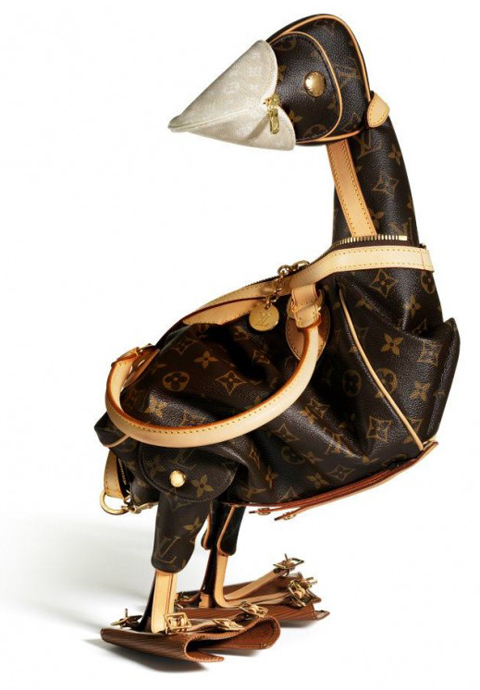
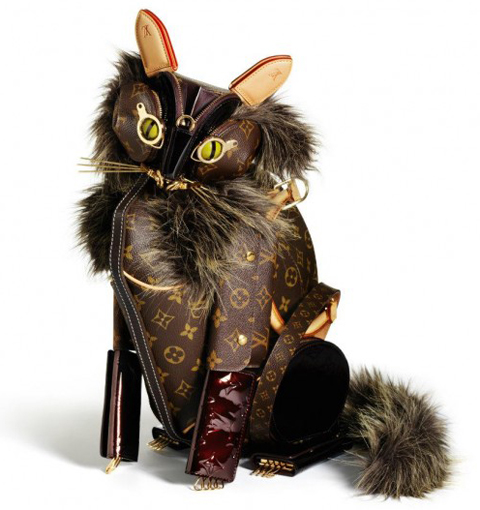
 popperfont.net